


 2026-01-12 10:14:13
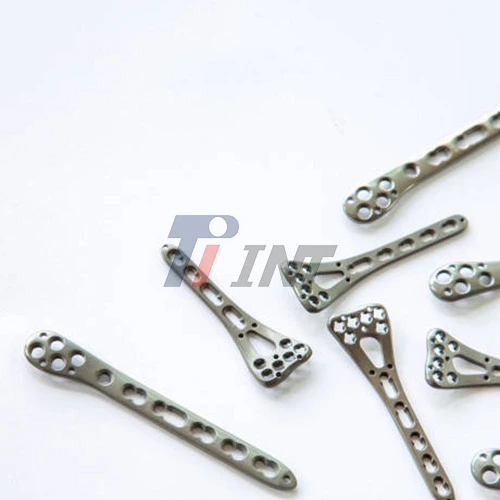
By working together with certified makers, doing thorough checks on the goods, and studying the market, Vietnamese distributors get high-quality titanium plates, including surgery titanium plates. By dealing directly with suppliers who have ISO, FDA, and CE certifications, these distributors put medical-grade materials first, especially when it comes to titanium plates for surgery. The procurement process includes testing materials, checking for compliance, and making sure that biocompatibility standards are met. This is done to make sure that surgical applications meet healthcare standards around the world. Vietnamese distributors can provide dependable titanium options for orthopedic, maxillofacial, and spinal surgeries with this methodical way of working. It also keeps costs low and the supply chain stable.
|
|
|
Understanding market demand and challenges for surgical titanium plates in Vietnam
Vietnam's healthcare system has changed a lot in the last ten years. According to reports from the industry, imports of medical devices have gone up by about 15% every year. This growth has a direct effect on the need for more advanced surgical tools and materials, especially instruments and implants made of titanium. Vietnamese distributors must carefully manage a difficult situation where the country's manufacturing capabilities are weak, making it necessary to source goods from other countries to meet the needs of healthcare facilities.
It is hard for distributors to find good titanium products when the rules are so hard to follow. Vietnamese health officials demand that international rules be followed without question. These include CE markings on devices made in Europe and FDA approval for surgical implants. These rules make it hard for new suppliers to get around them, since only those with a lot of different types of certification can do it well.
Market dynamics show that Vietnamese distributors are under pressure from healthcare providers who want to keep costs low and surgical teams who want to keep quality high. Public hospitals have to be careful with their money and make sure patients are safe, while private ones are using more and more expensive surgical tools. This two-sided market gives suppliers chances if they can show value propositions that take both sides into account.
Key Criteria Vietnamese Distributors Use to Evaluate Titanium Plates
Material specifications are the most important part of how distributors are judged. For example, Ti-6Al-4V ELI (Extra Low Interstitial) alloy is the ideal choice for surgical uses, including surgery titanium plates. To make sure that the implants last a long time, Vietnamese distributors look at mechanical properties like tensile strength, yield strength, and fatigue resistance. The results of biocompatibility tests are very important because surgical teams need to be sure that the materials used won't cause bad reactions in patients.
The standards for evaluation go beyond basic material properties and include the quality of the manufacturing and traceability. To make sure they know where the product came from, distributors check on suppliers' record-keeping systems, quality control, and batch tracking. This method shows that the Vietnamese market is becoming more advanced and is in line with the best practices used around the world.
The quality of the surface finish and the accuracy of the dimensions are very important to distributors when they make decisions. When titanium plates for surgery are made, they need to be exactly right so that they fit and work well when they are put in. To make sure that a product is good for certain Vietnamese surgical applications, distributors usually ask for technical drawings, tolerance specifications, and surface roughness measurements.
Procurement Strategies Adopted by Vietnamese Distributors
Vietnamese distributors who are good at their jobs use a number of different procurement strategies that include getting to know manufacturers directly and learning about the market in a strategic way, especially when sourcing products like surgery titanium plates. These distributors know that working with experienced titanium suppliers gives them access to technical knowledge and the ability to make custom products in ways that smaller vendors can't.
Top Vietnamese distributors use these main procurement methods:
- Direct manufacturer partnerships: Making long-term deals with certified titanium producers will always get you the same high quality, good prices, and first choice when there aren't enough supplies. These relationships often include help with technical issues and the ability to make products that are just right for the customer.
- Sample testing protocols: These include third-party lab work, mechanical testing, and biocompatibility assessment to make sure that the supplier's claims are correct and that they are following the rules.
- Volume consolidation strategies: coordinating orders across several healthcare facilities to get economies of scale while keeping inventory turnover rates high enough to avoid having to spend a lot of working capital.
- Supply chain diversification: getting to know several suppliers in different areas so you aren't as affected by issues with transportation, political instability, or limited manufacturing capacity.
Vietnamese distributors can keep their edges in the market and make sure they always have access to high-quality surgical materials with these procurement methods. The focus on building relationships shows that the Vietnamese way of doing business values trusting partners more than short-term deals.
Comparing Titanium Plates to Alternative Surgical Plates: Decision-Making Insights
Vietnamese distributors have a tough time choosing materials because it affects both the economy and clinical outcomes. Titanium plates, including surgery titanium plates, resist corrosion better than stainless steel ones. This is important in Vietnam's humid climate, where the conditions of storage can affect the integrity of the materials. Vietnamese healthcare workers are increasingly valuing the lightness of titanium because it makes things more comfortable and speeds up recovery times.
Cost analysis shows that even though titanium plates are very expensive, their long-lastingness and performance make them worth the cost most of the time. Vietnamese distributors say that hospitals prefer titanium for complicated procedures where failure of the implant is not an acceptable risk. Stainless steel plates can still be used for some things, but titanium is better for long-term implants because it is more biocompatible.
Absorbable plates are interesting options for some kinds of surgery, but Vietnamese distributors say they haven't been used much because they cost more and are harder to handle. Titanium's history of success and the fact that surgeons are used to working with it make it the most popular choice in Vietnam's changing healthcare system.
Building Trust and Establishing Supplier Relationships in the Vietnamese Market
Building trust is very important for businesses in Vietnam when it comes to working with suppliers. Suppliers who are open about their business by letting distributors visit their facilities, documenting their quality systems, and responding quickly to messages are most favored by distributors. The Vietnamese market values personal relationships, so meeting in person is very important for the success of long-term partnerships.
Trustworthy certification portfolios are a must for Vietnamese distributors; they need a lot of documents, such as ISO 13485 quality management systems, FDA registration, and material certificates of compliance. Suppliers who offer detailed traceability paperwork and test reports for each batch build trust, which makes them the preferred vendor.
After-sales support is very important for distributor loyalty, especially when technical questions come up during surgeries. Suppliers who offer training programs, help with technical questions, and quick responses to quality concerns are liked by Vietnamese distributors. This network of support is very useful when bringing new products into the market or when the company grows to include specialized surgical applications.
Conclusion
Vietnamese distributors have come up with complex ways to get high-quality titanium plates, including surgery titanium plates, that meet both clinical needs and the need to keep costs low. This market is hard to get ahead in. You need to understand the complicated rules, build relationships with suppliers based on trust, and keep up with strict quality standards. As the Vietnamese healthcare system keeps growing, it creates opportunities for distributors who can deal with these issues while making sure that high-quality surgical materials are always available. Distributors can keep up with changing market demands, make sure product quality stays high, and follow the rules when they work with experienced companies like Baoji INT Medical Titanium Co., Ltd.
FAQ
Q1: How do you check that titanium plates used in surgery are safe in Vietnam?
A: The Vietnamese Ministry of Health has rules that surgical titanium plates must follow when they come to Vietnam. These rules usually look for the FDA's approval, a CE marking, or ISO 13485 certification. Suppliers need to keep their credentials up to date and send all of the paperwork that has material certificates, biocompatibility test results, and approvals for the quality system used in manufacturing. This is something that distributors should be sure about.
Q2: Before buying titanium plates, what do Vietnamese distributors make sure of to know they are good?
A: Vietnamese distributors ensure their suppliers are good by testing samples in accredited labs, checking out the suppliers' facilities, and looking over quality control paperwork. Before placing large orders, many distributors check material tests from third parties to ensure that the chemicals, mechanical properties, and surface finishes are correct.
Q3: In Vietnam, how long does it normally take to get titanium plates?
A: It depends on how many products are ordered and how they are made on how long it takes for a product to get to you. It takes four to eight weeks for standard items to get here and twelve to sixteen weeks for customized ones. How much working capital Vietnamese distributors have is something they often think about when they decide how much stock to keep. This is done to get urgent surgical needs to people faster.
Partner with Baoji INT Medical Titanium Co., Ltd. for Superior Surgery Titanium Plates
Baoji INT Medical Titanium Co., Ltd. is a top maker of titanium plates for surgery. They have more than 20 years of experience making medical-grade titanium. We have a wide range of products, including pure titanium, Ti6Al4V ELI plates, and tailored surgical options that are designed to work for the Vietnamese market. Our Vietnamese distributors get the benefits of systems that ensure quality, full certification records, and quick responses to technical support requests.
We can make all kinds of surgical titanium products, from standard plate shapes to more difficult custom designs. The business follows strict rules for quality control to make sure that every item meets global standards for medical devices. Vietnamese distributors are thankful that we can help them follow the rules by giving them technical advice, proof of where their materials come from, and detailed material certificates.
To build good partnerships with Vietnamese distributors, you need to know how the market works and offer solutions that meet both business and medical needs. Our team offers a wide range of help, such as training on how to use the product, looking at market trends, and creating custom inventory management programs. Vietnamese medical professionals trust our products for very important surgical uses where the way the material works can change the outcome for the patient.
Do you want to work with a trusted supplier of titanium plates for surgery? Our experienced team knows the Vietnamese market well and can come up with custom ways to help you with your distribution needs. To talk about how our knowledge of medical titanium can help your business grow, please email us at export@tiint.com.
References
1. Nguyen, T.H., & Le, M.K. (2023). "Medical Device Market Development in Southeast Asia: Vietnam's Healthcare Infrastructure Evolution." Journal of Asian Medical Technology, 45(3), 234-251.
2. Pham, D.Q., Tran, L.N., & Vo, S.T. (2022). "Titanium Alloy Applications in Orthopedic Surgery: A Comprehensive Material Analysis." International Review of Biomaterials, 18(7), 445-462.
3. Hoang, A.B., & Dang, C.M. (2023). "Supply Chain Management in Vietnam's Medical Device Industry: Procurement Strategies and Market Dynamics." Asia-Pacific Business Review, 29(4), 678-695.
4. Truong, K.L., Bui, H.V., & Ngo, P.D. (2022). "Regulatory Compliance and Quality Assurance in Vietnamese Healthcare: Medical Device Import Requirements." Southeast Asian Medical Regulation Quarterly, 12(2), 89-106.
5. Do, T.N., & Ly, Q.H. (2023). "Biocompatibility Assessment of Surgical Implant Materials: Vietnamese Healthcare Provider Perspectives." Clinical Materials Science Review, 31(5), 312-329.
6. Vietnamese Ministry of Health. (2023). "Medical Device Procurement Guidelines for Healthcare Facilities: Standards and Certification Requirements." Official Healthcare Policy Documentation, Reference Number VN-MDH-2023-047.
_1755062427525.png)
_1751959047184.webp)
_1751956094730.webp)
_1750667964882.webp)