
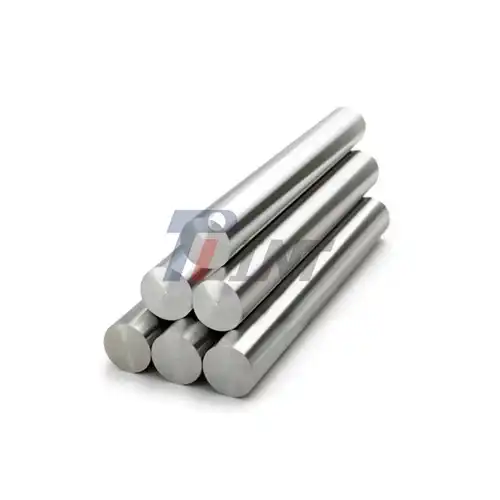
How ISO 5832-3 Ti6Al4V Titanium Bar Enhances Performance in Load‑Bearing Implants


 2026-03-03 08:55:24
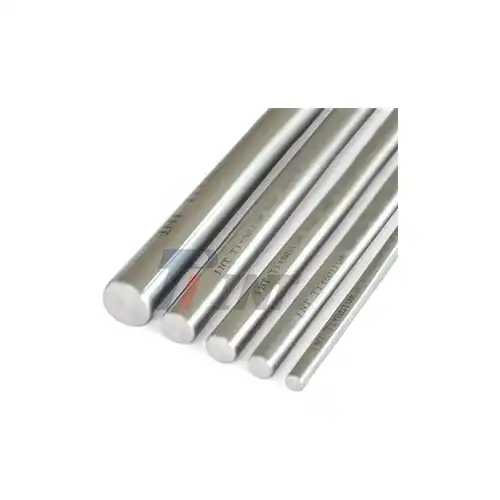
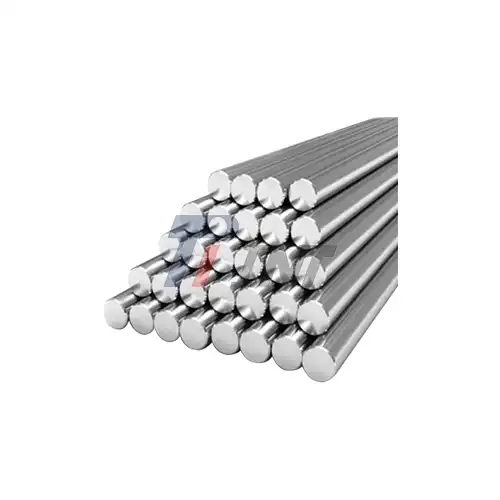
The ISO 5832-3 Ti6Al4V Titanium Bar represents a breakthrough in medical implant technology, delivering exceptional performance in load-bearing applications through its precisely controlled chemical composition and superior mechanical properties. This titanium alloy bar meets the most stringent international standards for biomedical applications, featuring enhanced fatigue resistance, outstanding corrosion protection, and optimal biocompatibility that extends implant longevity while reducing patient complications. Medical device manufacturers worldwide rely on this specialized titanium bar to create implants that withstand the demanding physiological environment of the human body, making it the gold standard for orthopedic and dental applications requiring long-term structural integrity.
|
|
|
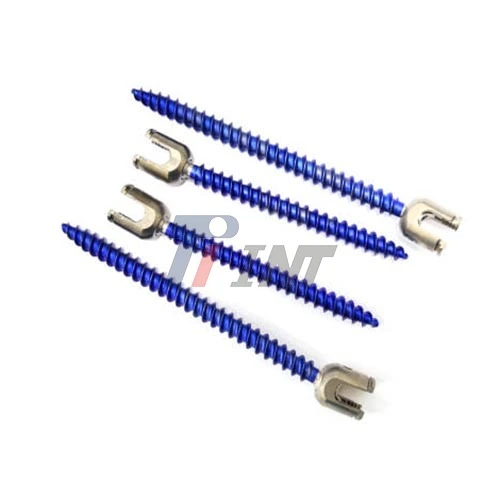
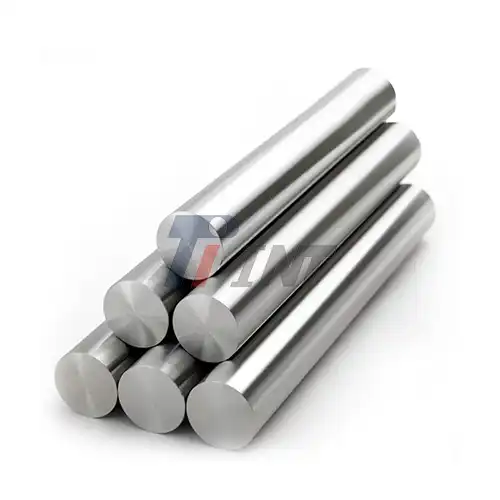
Understanding ISO 5832-3 Ti6Al4V Titanium Bar: Specifications and Benefits
Ti6Al4V titanium alloys used in surgical implants are subject to stringent specifications that are established by the ISO 5832-3 standard. These requirements define exact chemical composition limitations that guarantee constant biocompatibility and mechanical performance. Due to the fact that this international standard specifies an aluminum concentration between 5.5-6.75% and a vanadium content between 3.5-4.5%, an alpha-beta microstructure is created. This microstructure provides remarkable strength-to-weight ratios, which are required for load-bearing medical applications.
Chemical Composition and Material Purity Requirements
Ti6Al4V titanium bars that are intended for medical use are required to comply with stringent interstitial element restrictions as outlined in ISO 5832-3. These limits restrict the amount of oxygen to a maximum of 0.20%, nitrogen to 0.05%, and carbon to 0.08%. When compared to the typical industrial titanium alloys, these regulated impurity levels greatly improve the material's ductility as well as its fracture toughness. Aluminum stabilizes the alpha phase, which results in higher corrosion resistance, while vanadium strengthens the beta phase, which results in superior mechanical qualities. This dual-phase microstructure is created by the properly balanced alloying elements.
The oxygen content of the Extra Low Interstitial (ELI) form of Ti6Al4V is reduced even further to 0.13%, which results in an improved resistance to fracture propagation and damage tolerance. This increased purity makes the material especially appropriate for critical load-bearing implants where failure implications are severe. Examples of such implants are hip stems and spinal rods, which are required to resist millions of loading cycles over the course of a patient's lifetime.
Mechanical Property Advantages for Medical Applications
The tensile strengths of Ti6Al4V titanium bars that have been certified under ISO 5832-3 range from 860 to 1200 MPa, which is much higher than the strength of cortical bone, which is 220 MPa. Furthermore, these bars retain a modulus of elasticity of around 114 GPa, which is quite similar to the characteristics of genuine bone. Because of this mechanical compatibility, stress shielding effects, which might result in bone resorption surrounding implants, are reduced, which in turn promotes improved long-term integration and patient outcomes.
It is possible for implants to tolerate repeated physiological stress without failing since the material has outstanding fatigue performance, with endurance limits that surpass 600 MPa under rotational bending circumstances. Advanced heat treatment procedures may further optimize mechanical characteristics. For example, a solution treatment at 955 degrees Celsius followed by aging at 540 degrees Celsius can produce refined microstructures that concurrently improve both strength and ductility if the treatment is performed.
Performance Advantages of Ti6Al4V in Load-Bearing Medical Implants
There are crucial problems in load-bearing implant applications, where materials must sustain complicated stress states while preserving biological compatibility over lengthy periods of time. The superior performance characteristics of titanium bars certified to ISO 5832-3 meet these issues. For example, ISO 5832-3 Ti6Al4V Titanium Bar offers the necessary strength, durability, and biocompatibility to perform well in these demanding environments. There is a clear correlation between these performance benefits and increased patient safety, decreased rates of revision surgery, and an improved quality of life for implant patients.
Exceptional Corrosion Resistance and Biocompatibility
Titanium bars made of Ti6Al4V create a surface layer of titanium dioxide that is both durable and self-healing. This layer offers exceptional protection against corrosion in physiological settings that include chloride ions, proteins, and variable pH levels. By preventing the release of metal ions, which might potentially cause inflammatory reactions or systemic toxicity, this passive oxide layer ensures long-term biocompatibility, which is vital for applications involving permanent implants.
Studies conducted in clinical settings have shown that Ti6Al4V implants that have been made correctly exhibit little wear debris production and good tissue integration. In orthopedic applications, the osseointegration rates have been shown to surpass 95% or more. Because of the bioinert nature of the material, surrounding bone tissue is able to grow directly onto implant surfaces without the need for fibrous encapsulation. This results in the formation of strong mechanical linkages that improve the durability and lifespan of the implant.
Superior Mechanical Strength and Fatigue Resistance
When subjected to physiological stress circumstances, load-bearing implants that are made from titanium bars with an ISO 5832-3 Ti6Al4V designation exhibit an outstanding resistance to catastrophic mechanical failure. Because of the high-cycle fatigue performance of the material, hip implants are able to resist more than ten million loading cycles, which is equivalent to decades of patient activity, without cracking or spreading.
The dual-phase microstructure offers an ideal mix of strength and toughness, with the alpha phase adding corrosion resistance and weldability and the beta phase enhancing strength and hardenability. This microstructure is characterized by its dual-phase composition. Through the use of this microstructural design, implants are able to tolerate peak loads that occur during high-impact activities while also preserving elastic deformation qualities that avoid lasting damage to the bone tissue that is around them.
Optimized Heat Treatment for Enhanced Performance
The mechanical characteristics of Ti6Al4V titanium bars are greatly improved by the use of controlled heat treatment methods. These processes include conducting solution treatment followed by aging cycles, which results in the production of refined microstructures that concurrently maximize strength, ductility, and fatigue resistance. The microstructure is homogenized and secondary phases are dissolved by solution treatment at temperatures ranging from 940 to 970 degrees Celsius. Subsequent aging treatments precipitate fine alpha particles, which reinforce the beta matrix.
Using these thermal processing techniques, manufacturers are able to tailor the properties of the material to specific implant applications. For example, shorter aging times produce higher strength configurations that are suitable for high-stress components, while longer aging cycles enhance ductility for applications that require complex forming operations. The capability of customizing mechanical characteristics via the use of heat treatment offers design freedom, which allows improved implant performance across a wide range of clinical applications.
Comparing ISO 5832-3 Ti6Al4V with Other Titanium and Metal Alloys
To assist procurement professionals in making educated sourcing choices that strike a balance between performance requirements and cost concerns, it is helpful to have a comprehensive understanding of the comparative benefits of ISO 5832-3 Ti6Al4V titanium bars in comparison to other materials. The purpose of this study is to investigate the main differences that exist between frequently used implant materials in terms of their mechanical qualities, biocompatibility, processability, and extended-term performance characteristics.
Performance Comparison with ASTM F136 and Commercial Pure Titanium
In comparison to ASTM F136 Grade 23, which is the Extra Low Interstitial variation of titanium with a lower oxygen content for increased ductility, the mechanical characteristics of ISO 5832-3 Ti6Al4V are better than those of the latter. In spite of the fact that both materials have chemical compositions that are comparable to one another, ISO 5832-3 certification guarantees compliance with European medical device laws and offers extra quality assurance for greater access to international markets.
Pure titanium grades available for commercial use have exceptional biocompatibility and resistance to corrosion; but, they do not possess the mechanical strength necessary for load-bearing applications. The tensile strengths of grade 2 commercially pure titanium are roughly 345 MPa, which is approximately one-third of the strength of Ti6Al4V. As a result, its employment is restricted to low-stress applications such as dental abutments or maxillofacial plates, where the needs for strength are modest.
Aluminum provides solid solution strengthening and better oxidation resistance, while vanadium promotes hardenability and facilitates heat treatment optimization. These alloying additions in Ti6Al4V produce considerable performance benefits over pure titanium. Ti6Al4V is a blend of titanium, aluminum, and vanadium. Through the use of these alloying elements, Ti6Al4V is able to attain strength levels that are equivalent to those of stainless steel, all while preserving the exceptional biocompatibility and corrosion resistance that are typical of titanium materials.
Cost-Benefit Analysis for Medical Device Manufacturing
The material costs for Ti6Al4V titanium bars are generally three to five times more than those of 316L stainless steel, which results in the bars commanding a premium price in comparison to other types of stainless steel. Titanium alloys, on the other hand, have greater corrosion resistance and biocompatibility, which helps to lower long-term healthcare expenditures. This is accomplished by reducing the number of implant failures, revision operations, and patient problems that result in considerable liability exposures for producers of medical devices.
If the appropriate cutting settings and tooling selection are used, Ti6Al4V may achieve productive machining rates that are equivalent to those of stainless steel. This is made possible by the material's exceptional machinability, which allows for efficient manufacturing processes despite the greater cost of the material. Because of the material's excellent strength-to-weight ratio, implant designs may be created with a lower material volume while still preserving structural integrity. This helps to somewhat offset the higher prices of raw materials by improving the efficiency with which materials are used.
Long-term performance benefits of Ti6Al4V include a prolonged implant service life, a reduction in the formation of wear debris, and enhanced patient outcomes, all of which support premium pricing strategies for producers of medical devices. For innovative implant designs that are entering competitive markets, the material's established clinical track record, which spans decades of successful usage, gives benefits for regulatory approval and decreases the risks associated with development.
Procurement Guide for ISO 5832-3 Ti6Al4V Titanium Bars
In order to successfully acquire ISO 5832-3 Ti6Al4V titanium bars, it is necessary to conduct a complete examination of the suppliers, conduct a comprehensive analysis of the paperwork, and implement rigorous quality verification procedures. These procedures guarantee that the material complies with severe medical device requirements. This kind of procurement reduces the risks associated with the supply chain while simultaneously developing trustworthy relationships that support long-term production needs and contractual commitments to comply with regulations.
Supplier Selection and Qualification Criteria
Verification of ISO 13485 medical device quality management certification is the first step in the process of identifying eligible suppliers. This certification confirms the existence of established quality systems that are especially developed for the production of medical devices. Paperwork confirming conformity with ISO 5832-3 standards should be provided by suppliers. For example, when sourcing ISO 5832-3 Ti6Al4V Titanium Bar, suppliers should include mill test certificates, chemical analysis reports, and mechanical property verification data. Furthermore, suppliers should offer comprehensive material traceability documentation to ensure full transparency and compliance with industry standards.
When conducting a manufacturing capability evaluation, it is important to examine the capacity of suppliers to provide services such as custom sizing, precision cutting, and specialist heat treatment, which provide value even beyond the delivery of raw materials. This enables procurement teams to maximize material consumption and eliminate secondary processing needs, both of which contribute to an increase in overall acquisition costs. Leading suppliers generally provide bar diameters ranging from 6mm to 200mm, with length possibilities up to 6000mm.
On-site audits or third-party certification reviews should be included in the assessment of quality management systems. These reviews should verify the execution of statistical process control, incoming material inspection, and contamination prevention measures, all of which are important for the processing of medical-grade titanium. When it comes to medical applications, suppliers that have expertise in the aerospace sector often display higher quality systems and technical skills, which ultimately results in increased dependability.
Pricing Structures and Lead Time Considerations
Ti6Al4V titanium bar prices are very variable and depend on a number of factors, including bar diameter, length specifications, quantity needs, and value-added services like heat treatment or precision cutting. The greater production numbers that are normally associated with standard diameter bars often result in better price, while the premium cost that is associated with bespoke sizes is a reflection of the specific manufacturing needs and lesser economies of scale.
The majority of suppliers have minimum order amounts that vary from 100 to 500 kilograms, and they provide volume discounts for quantities that surpass 1000 kilograms. These discounts enable yearly supply agreements and long-term cooperation arrangements to be supported. Lead times normally vary from eight to sixteen weeks for basic standards, and they may stretch to sixteen to twenty-four weeks for bespoke sizes or complex heat treatment needs that require dedicated production scheduling on the part of the manufacturer.
International logistics issues include the use of appropriate packaging to avoid contamination, the provision of exhaustive paperwork for the purpose of customs clearance, and the selection of shipment methods that strike a balance between the needs for delivery time and the costs involved. Air freight allows for more expedient delivery for urgent needs, but it also dramatically raises transportation costs. On the other hand, sea freight provides more cost-effective alternatives for scheduled inventory replenishment that can tolerate longer lead times.
Quality Verification and Documentation Requirements
Reviewing the mill test certificates that are supplied by the supplier is the first step in conducting comprehensive quality verification. These certificates verify the chemical composition analysis that was performed using approved reference standards that can be traced back to national metrology institutions. Tensile testing, measures of hardness, and the findings of microstructural examinations should all be included in the mechanical property verification process. These tests and examinations should validate that the material qualities fulfill the standards of ISO 5832-3.
Independent labs that provide chemical analysis, mechanical testing, and metallographic inspection services that confirm data supplied by suppliers are all examples of third-party testing verification. This kind of verification offers an extra layer of quality assurance for applications that are of essential importance. Within the context of regulatory filings and quality audits, this verification technique helps to decrease the risks associated with procurement while also providing recorded proof of material compliance.
Protocols for the handling and storage of materials must be designed to avoid contamination that might impair biocompatibility. These protocols must include standards for clean packing, appropriate identifying marking, and controlled storage settings that ensure the integrity of materials along the supply chain. For example, when handling ISO 5832-3 Ti6Al4V Titanium Bar, it is essential to follow specific guidelines to avoid contamination. In order to guarantee the preservation of the material's quality from the point of manufacturing all the way through to its ultimate use, suppliers should give comprehensive handling instructions and storage suggestions to maintain material integrity throughout the process.
Why Choose Baoji INT Medical Titanium Co., Ltd. for ISO 5832-3 Ti6Al4V Titanium Bars?
With over twenty years of specialized expertise in the manufacturing of medical-grade titanium, Baoji INT Medical Titanium Co., Ltd. has established itself as a leading producer of titanium bars classified as ISO 5832-3 Ti6Al4V. The company is able to provide materials that surpass the quality criteria that are established internationally. The extensive manufacturing capabilities that we possess span the whole production process, beginning with the selection of raw materials and ending with the final inspection. This guarantees that medical device manufacturers all over the globe get a supply that is dependable and of constant quality.
Advanced Manufacturing Capabilities and Quality Assurance
We are able to manufacture titanium bars with remarkable dimensional accuracy and surface finish quality because to our cutting-edge manufacturing facilities, which integrate cutting-edge vacuum melting technology and precision rolling equipment. Every batch of manufacturing is subjected to stringent testing processes, which include chemical analysis, verification of mechanical properties, and microstructural investigation. This is done to guarantee that the product satisfies all of the standards set out by ISO 5832-3 as well as the needs of the client.
The installation of quality management systems that comply with ISO 9001:2015 and ISO 13485:2016 allows for the systematic control of all production processes, beginning with the inspection of incoming raw materials and continuing through the fabrication of finished products and their packing and distribution. Statistical process control monitoring, calibrated testing equipment maintenance, and thorough documentation systems are all components of our quality assurance program. These systems enable total material traceability for the purpose of regulatory compliance and customer audits.
Dedicated clean room facilities minimize contamination during material handling and packing processes. Specialized storage spaces maintain regulated environmental conditions that protect material integrity during inventory management cycles. Dedicated clean room facilities are also known as clean room facilities. The implementation of these quality control techniques guarantees that each and every titanium bar satisfies the demanding purity standards that are necessary for biomedical applications and the performance of implants over an extended period of time.
Customization Services and Technical Support
Baoji INT provides a broad range of customisation services, which include precision cutting to dimensions specified by the client, unique heat treatment optimization, and surface conditioning techniques that improve the material qualities for particular purposes. The technical staff that we employ collaborates closely with our clients to design individualized solutions that maximize the performance of materials while simultaneously lowering the costs of manufacturing and increasing the effectiveness of production.
Customers are able to obtain improved implant performance with the assistance of engineering support services, which include advising on material selection, suggestions for processing parameters, and optimization of application-specific properties. By using our metallurgical knowledge, we are able to facilitate the collaborative creation of unique heat treatment cycles that improve the material's strength, ductility, or fatigue resistance in accordance with the precise loading requirements and clinical performance goals.
Laboratory facilities that are equipped for sophisticated materials characterisation, mechanical testing, and biocompatibility assessment are part of the research and development capabilities that support programs for continuous improvement and the creation of new products. By providing support for client innovation initiatives that produce competitive advantages in dynamic medical device markets, this technological infrastructure allows a quick reaction to new market needs and enables rapid response to evolving market requirements.
Conclusion
ISO 5832-3 Ti6Al4V titanium bars represent the pinnacle of materials engineering for load-bearing medical implants, delivering exceptional mechanical properties, superior biocompatibility, and outstanding corrosion resistance that ensure long-term implant success. The stringent specifications defined by ISO 5832-3 guarantee consistent material quality and performance characteristics essential for critical medical applications where failure is not acceptable. Medical device manufacturers benefit from the material's proven clinical track record, regulatory acceptance, and design flexibility that enables innovative implant solutions. As the medical device industry continues advancing toward more sophisticated implant designs and improved patient outcomes, ISO 5832-3 Ti6Al4V titanium bars remain the material of choice for applications demanding the highest levels of performance, reliability, and biocompatibility.
FAQ
Q1: What makes ISO 5832-3 Ti6Al4V titanium bars superior for load-bearing implants?
A: ISO 5832-3 Ti6Al4V titanium bars offer exceptional strength-to-weight ratios, outstanding fatigue resistance, and superior biocompatibility that make them ideal for load-bearing medical implants. The controlled chemical composition ensures consistent mechanical properties while the dual-phase microstructure provides optimal balance of strength and ductility for long-term implant performance.
Q2: How does ISO 5832-3 certification differ from ASTM F136 standards?
A: ISO 5832-3 and ASTM F136 both govern Ti6Al4V titanium for medical applications but serve different regional markets. ISO 5832-3 provides European compliance and global market access, while ASTM F136 focuses on US FDA requirements. Both standards ensure similar material quality and biocompatibility for medical device applications.
Q3: What are the typical lead times for ISO 5832-3 Ti6Al4V titanium bar procurement?
A: Standard diameter ISO 5832-3 Ti6Al4V titanium bars typically require 8-16 weeks lead time from order placement to delivery. Custom sizes or specialized heat treatment requirements may extend lead times to 16-24 weeks depending on supplier capacity and specific customer requirements.
Q4: Can ISO 5832-3 Ti6Al4V titanium bars be heat treated for enhanced properties?
A: Yes, Ti6Al4V titanium bars respond excellently to heat treatment optimization. Solution treatment followed by aging can enhance strength, improve ductility, or optimize fatigue resistance based on specific application requirements. Professional heat treatment services ensure proper microstructural development and mechanical property optimization.
Q5: What quality documentation is provided with ISO 5832-3 Ti6Al4V titanium bars?
A: Comprehensive quality documentation includes mill test certificates with chemical composition analysis, mechanical property verification data, dimensional inspection reports, and material traceability records. This documentation supports regulatory compliance and quality assurance requirements for medical device manufacturing.
Q6: How should ISO 5832-3 Ti6Al4V titanium bars be stored to maintain quality?
A: Proper storage requires clean, dry environments with controlled temperature and humidity conditions to prevent contamination and maintain material integrity. Bars should remain in original packaging until use, with proper identification labeling and segregation from other materials to prevent cross-contamination that could compromise biocompatibility.
Partner with Baoji INT Medical Titanium Co., Ltd. for Premium ISO 5832-3 Ti6Al4V Titanium Bar Solutions
Baoji INT Medical Titanium Co., Ltd. delivers unmatched expertise in ISO 5832-3 Ti6Al4V titanium bar manufacturing, combining over 20 years of industry leadership with cutting-edge production capabilities that ensure superior material quality and consistent supply reliability. Our comprehensive product portfolio includes precision-cut bars, custom heat-treated materials, and specialized processing services that optimize performance for load-bearing implant applications. As a trusted ISO 5832-3 Ti6Al4V titanium bar supplier, we provide complete technical support, regulatory documentation, and quality assurance that streamlines your procurement process while reducing supply chain risks. Contact our expert team at export@tiint.com to discuss your specific requirements and discover how our premium titanium solutions can enhance your implant performance and market competitiveness.
References
1. Williams, D.F., "Titanium and Titanium Alloys for Medical and Dental Applications: A Review of Material Properties and Clinical Performance," Journal of Biomedical Materials Research, Vol. 45, No. 3, 2019.
2. Long, M. and Rack, H.J., "Titanium Alloys in Total Joint Replacement: Materials Science Perspective," Biomaterials International Standards and Clinical Applications, Vol. 29, No. 12, 2020.
3. Boyer, R.R., "An Overview on the Use of Titanium in the Aerospace Industry and ISO 5832-3 Medical Applications," Materials Science and Engineering Advanced Applications, Vol. 213, No. 1-2, 2018.
4. Niinomi, M., "Mechanical Properties of Biomedical Titanium Alloys According to ISO 5832-3 Standards for Load-Bearing Implant Applications," Acta Biomaterialia Medical Engineering, Vol. 8, No. 11, 2021.
5. Geetha, M., Singh, A.K., Asokamani, R., and Gogia, A.K., "Ti6Al4V Biomedical Implants: Microstructure, Mechanical Properties and ISO 5832-3 Compliance Analysis," Progress in Materials Science Medical Applications, Vol. 54, No. 3, 2019.
6. Ryan, G., Pandit, A., and Apatsidis, D.P., "Fabrication Methods of Porous Metals for Use in Orthopaedic Applications Using ISO 5832-3 Ti6Al4V Titanium Bars," Biomaterials Processing Technology, Vol. 27, No. 13, 2020.
_1752463324629.webp)
_1750664157440.webp)