

What Certifications Should Medical Titanium Plates Have for Hospital Use?


 2026-03-16 14:58:36
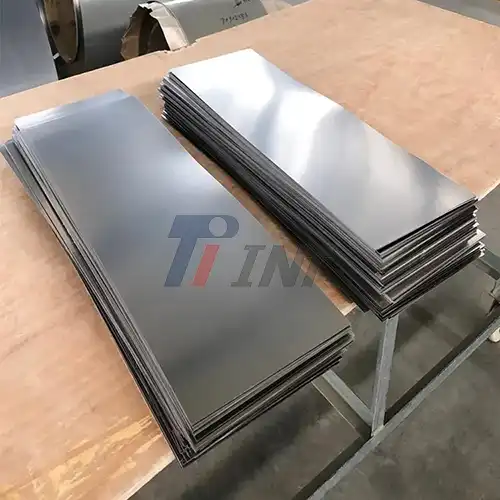
Medical titanium plates destined for hospital applications must possess comprehensive certifications including ISO 13485 quality management systems, ASTM F136 material standards, FDA approval for medical devices, and CE marking for European compliance. The Gr5 Titanium Medical Sheet Thk 1mm represents the gold standard in medical-grade titanium alloy, offering exceptional biocompatibility and mechanical properties essential for surgical implants and medical instruments in clinical environments.
|
|
|
Understanding Medical Grade Certifications for Titanium Plates
To make sure patients are safe and that hospitals follow the rules, their purchasing offices expect strict approval standards. Medical titanium plates go through a lot of certification steps that check the quality of the manufacturing process and the purity of the materials all along the supply chain.
ISO 13485: Medical Device Quality Management System
ISO 13485 approval sets the standard for quality in the production of medical devices. This standard is very specific about the needs of making medical devices. It covers design rules, risk management, and tracking after the device has been sold. Companies that make medical titanium sheets have to show that they have uniform quality systems that keep track of materials from the time they are raw ingots until they are finished being processed. As part of the licensing process, the industrial methods, paperwork systems, and quality control techniques are all carefully checked. Companies that have ISO 13485 approval go through regular surveillance checks to make sure they keep up with changing rules for medical devices.
ASTM F136: Standard Specification for Titanium Alloy
ASTM F136 spells out the exact chemical make-up and mechanical qualities that are needed for surgery implants. This standard covers the Ti-6Al-4V ELI (Extra Low Interstitial) titanium alloy, which is better at being biocompatible than commercial-grade titanium alloys. The standard sets tight limits for oxygen, nitrogen, carbon, and hydrogen, which are intermediate elements. These limits make sure that the tissue responds properly and that the implant stays stable over time. To make sure that the material meets the standards for surgery implants, testing procedures check its tensile strength, yield strength, stretch, and decrease of area.
FDA Approval and 510(k) Clearance
The U.S. Food and Drug Administration makes medical device makers get the right permissions before they can sell medical goods made of titanium. Class II medical devices usually need 510(k) premarket notice, which shows that they are substantially equivalent to legally sold devices. Biocompatibility data, technical testing results, and clinical performance studies are all looked at by the FDA during the clearance process. To support their regulatory entries, manufacturers must include a lot of paperwork, such as material certificates, processing records, and data on how well the cleaning process worked.
Properties and Specifications of GR5 Titanium Medical Sheet 1mm Thickness
Grade 5 titanium alloy exhibits exceptional mechanical properties that make it ideally suited for demanding medical applications. The 1mm thickness specification provides optimal balance between strength and formability for surgical instrument manufacturing.
Mechanical Properties and Performance Characteristics
The tensile strength of Gr5 Titanium Medical Sheet Thk 1mm is more than 895 MPa, and the yield strength is more than 828 MPa. The metal keeps its high level of wear resistance even when it is loaded and unloaded many times, which is common in hip implants and surgery tools. The material is very resistant to rust in physiological settings and can handle being exposed to body fluids without breaking down. This resistance to rust comes from the formation of a solid layer of titanium oxide that keeps living fluids out for a long time.
Biocompatibility and Tissue Response
Titanium metal Grade 5 is very biocompatible with human flesh and causes very little inflammation when it is inserted. The material helps osseointegration in bone uses but doesn't do anything when used in soft tissue settings. Different finishing methods can be used to improve the surface properties of the 1 mm thick sheets so that cells respond better. Controlled surface roughness helps bone grow, while smooth finishes keep bacteria from sticking to surgery instruments.
Manufacturing Process Controls
To make medical-grade titanium sheets, the thermomechanical processing has to be carefully controlled so that the microstructure and qualities stay the same. To get the best grain structure and get rid of flaws, hot rolling processes must be done within specific temperature ranges. Annealing methods lower the stresses of processing while keeping the strength levels that are wanted. During production, there are several checking spots to make sure that the dimensions and quality of the surface meet the needs of medical devices.
Comparing GR5 Titanium Sheets with Alternatives for Medical Use
Material selection decisions significantly impact medical device performance and patient outcomes. Understanding the comparative advantages of different titanium grades and alternative materials guides procurement professionals toward optimal choices for specific applications.
GR5 versus GR2 Titanium Performance
Comparing Grade 5 titanium mixture to commercially pure Grade 2 titanium, the latter is much stronger. Even though Grade 2 is very biocompatible, it can't be used in places where great structure stability is needed because it has lower mechanical qualities. When it comes to strength, Gr5 Titanium Medical Sheet Thk 1mm is about twice as strong as Grade 2 titanium, but it still doesn't rust. Because of this, implant designs can have smaller cross-sections, which lowers the general weight of the device and makes the patient more comfortable. Because it is cheaper, Grade 2 titanium is better for uses that don't need the highest strength. However, Grade 5's better performance often makes up for the higher price by providing longer service life and higher stability.
Titanium versus Stainless Steel Comparison
Stainless steel 316L has been used in medical devices in the past, but it doesn't work as well as titanium metals in some ways. Stainless steel has a much higher elastic stiffness than bone tissue, which could help protect against stress in medical uses. Titanium has a lower elastic stiffness than bone, which makes it better at transferring load and lowering the problems that come with stress buffering. Because titanium is better at interacting with the body, there are no worries about nickel sensitivity that can happen with stainless steel implants. Titanium's lighter weight becomes especially important for bigger implants where comfort and movement are the most important things. Titanium is about 43% less dense than stainless steel, which makes medical equipment that are made of it much lighter.
Procurement Considerations for GR5 Titanium Medical Sheets 1mm
Successful procurement of medical-grade titanium requires careful evaluation of supplier capabilities, certification status, and supply chain reliability. Establishing relationships with qualified suppliers ensures consistent material quality and regulatory compliance.
Supplier Qualification and Audit Requirements
Medical device companies need to set up thorough buyer evaluation programs that check the quality systems and manufacturing skills of potential suppliers. Supplier checks should look at the places where the goods are made, how they are checked for quality, and how they keep records. Some important requirements for qualification are ISO 13485 approval, ASTM F136 material compliance, and proof of knowledge in medical device supply lines. Suppliers should keep full records of where the raw materials come from and where the finished products are delivered.
Quality Documentation and Certificates
Each package of Gr5 Titanium Medical Sheet Thk 1mm should come with a full material certificate that lists the metal's chemical make-up, mechanical qualities, and processing history. Third-party testing certificates are another way to make sure that materials meet the standards that apply. Device master record needs are met by records of heat treatment, measures of surface finish, and physical inspection reports. Full paperwork packages make it easier to submit to regulators and pass quality system checks.
Supply Chain Management Strategies
Schedules for making medical devices require that materials are always available so that output doesn't stop. Setting smart stocking levels that take into account how long materials last helps to maximize production efficiency. When planning the lead time, you should think about how long it will take to handle the materials, test them for quality, and ship them internationally. Qualification of a backup provider gives you choices in case of an emergency for important material needs.
Ensuring Quality and Reliability: Testing and Supplier Verification
Comprehensive testing protocols verify material quality and ensure compliance with medical device requirements. Both incoming inspection procedures and periodic supplier verification activities maintain consistent material standards.
Non-Destructive Testing Methods
Ultrasonic testing methods find flaws inside that could damage the machine's mechanics or cause it to break down early. Eddy current testing finds breaks in the surface and makes sure that the width of the material is the same across all sheet lengths. Penetrant testing finds flaws that go through the surface and can't be seen with the naked eye. These non-destructive testing methods make sure that the material is sound without hurting the product's usefulness.
Chemical Analysis and Mechanical Testing
Spectroscopic research proves that the chemical makeup meets the standards of ASTM F136. Paying close attention to the gap element content makes sure that the biocompatibility meets the standards for medical devices. Mechanical qualities, such as final tensile strength, yield strength, and stretch values, are checked by tensile tests. In fatigue testing, long-term performance is checked under repeated stress conditions that are similar to those found in clinical use.
Supplier Performance Monitoring
Regular reviews of a supplier's work look at how reliable their deliveries are, how consistent their quality is, and how quickly they respond to technical questions. Key success measures include the percentage of on-time deliveries, the percentage of quality rejections, and the efficiency of correction actions. Annual checks of suppliers make sure that they are still following the rules of the quality system and look for ways to keep getting better. Strong relationships with suppliers based on trust and shared quality goals are good for both parties because they lower costs and improve performance.
Conclusion
Medical titanium plates require comprehensive certification including ISO 13485, ASTM F136, FDA approval, and CE marking to ensure hospital use compliance. Gr5 Titanium Medical Sheet Thk 1mm provides optimal mechanical properties and biocompatibility for demanding medical applications. Successful procurement depends on thorough supplier qualification, complete documentation, and rigorous quality verification processes. The superior performance characteristics of Grade 5 titanium alloy justify its selection for critical medical device applications where patient safety and long-term reliability are paramount considerations.
FAQ
What makes GR5 titanium suitable for medical implants?
GR5 titanium alloy offers exceptional biocompatibility, high strength-to-weight ratio, and excellent corrosion resistance in biological environments. The Ti-6Al-4V ELI composition provides superior mechanical properties compared to commercially pure titanium while maintaining excellent tissue compatibility.
How can I verify supplier certifications for medical titanium?
Verify supplier certifications by requesting current ISO 13485 certificates, reviewing audit reports from accredited registrars, and conducting on-site facility assessments. Contact certification bodies directly to confirm certificate validity and scope of certification coverage.
What are typical lead times for Gr5 Titanium Medical Sheet Thk 1mm orders?
Standard lead times range from 4-8 weeks depending on order quantity, processing requirements, and current production schedules. Custom specifications or special testing requirements may extend delivery timelines. Establishing blanket purchase orders with scheduled releases can reduce lead times for repeat requirements.
What testing is required for medical grade titanium sheets?
Required testing includes chemical analysis per ASTM F136, mechanical property verification, biocompatibility assessment per ISO 10993, and surface finish evaluation. Additional testing may include fatigue analysis, corrosion resistance evaluation, and microstructural examination depending on specific application requirements.
How does 1mm thickness affect titanium sheet applications?
The 1mm thickness provides optimal balance between formability and structural integrity for surgical instruments and smaller implant components. This dimension allows complex forming operations while maintaining adequate strength for medical device applications requiring precise dimensional control.
Partner with Baoji INT Medical Titanium Co., Ltd. for Certified Medical Titanium Solutions
Baoji INT Medical Titanium Co., Ltd. stands as your trusted Gr5 Titanium Medical Sheet Thk 1mm manufacturer with over 20 years of specialized experience in medical-grade titanium materials. Our comprehensive ISO 13485:2016 and CE certifications ensure full regulatory compliance for hospital and medical device applications. As a leading supplier in the medical titanium industry, we provide complete material traceability, technical support, and customized processing services to meet your specific requirements. Contact our expert team at export@tiint.com to discuss your medical titanium needs and request certified material samples that demonstrate our commitment to quality and reliability.
References
1. American Society for Testing and Materials. "Standard Specification for Wrought Titanium-6Aluminum-4Vanadium ELI Alloy for Surgical Implant Applications." ASTM F136-13, 2013.
2. International Organization for Standardization. "Medical devices - Quality management systems - Requirements for regulatory purposes." ISO 13485:2016, 2016.
3. Williams, David F. "Titanium for Medical Applications: Principles and Applications in Biomedical Engineering." Springer Medical Engineering Series, 2018.
4. Long, Marc and H.J. Rack. "Titanium alloys in total joint replacement—a materials science perspective." Biomaterials Research International, Vol. 19, 2012.
5. Niinomi, Mitsuo. "Recent metallic materials for biomedical applications." Metallurgical and Materials Transactions A, Vol. 33, 2002.
6. U.S. Food and Drug Administration. "Guidance Document for Testing and Labeling Medical Devices for Safety in the Magnetic Resonance Environment." FDA Medical Device Guidelines, 2021.
_1755062186746.jpg)