How Ti-6Al-7Nb Titanium Bar Enhances Orthopedic Implants


 2026-02-11 09:26:40
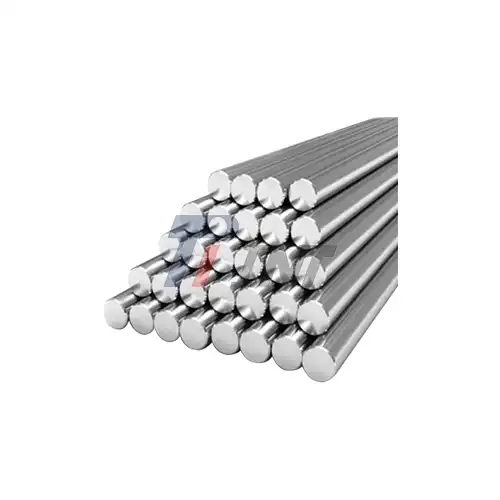
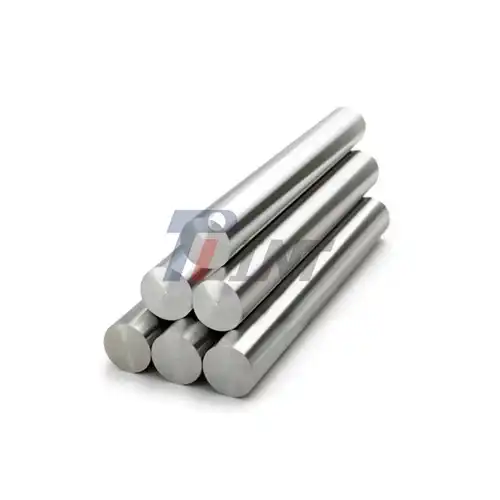
When companies that make medical devices need materials that are both biocompatible and good at their job, Ti-6Al-7Nb titanium bar is the best choice for making hip implants. This advanced titanium metal has 6% aluminum and 7% niobium in it. This creates a unique microstructure that makes implants last longer and improves patient results. Changing vanadium to niobium gets rid of worries about cytotoxicity while keeping the better mechanical qualities needed for load-bearing uses in hip replacements, spine hardware, and prostheses.
|
|
|


Understanding Ti-6Al-7Nb Titanium Bar for Orthopedic Applications
The most important part of current hip implant technology is medical-grade titanium alloys, and Ti-6Al-7Nb is one of the best materials for tough jobs. The carefully designed composition of this alloy gives it better mechanical qualities than other options while also making sure it is biocompatible enough to be implanted for a long time.
Chemical Composition and Microstructural Excellence
The exact chemical make-up of Ti-6Al-7Nb forms a two-phase lattice with aluminum stabilizing the hexagonal alpha phases and niobium stabilizing the body-centered cubic beta phases. Because of this complex metallurgical structure, its density ranges from 4.51-4.53 g/cm³. This makes it much lighter than options made of stainless steel while still having great strength.
The manufacturing method is very important for getting the best qualities out of a material. The metal is carefully forged at temperatures between 1150°C and 1200°C, and then it goes through exact heat treatment methods at 700°C to get the microstructural properties that are wanted. With elastic limits between 895 and 905 MPa and hardness values between 2700 and 2900 MPa, these carefully controlled heating processes make sure that the material's mechanical properties are the same all over.
Biocompatibility and Corrosion Resistance
By taking out the vanadium from this metal, major biocompatibility issues that come with standard Ti-6Al-4V materials are resolved. Niobium has a high level of biological tolerance, which means it doesn't cause bad tissue reactions or inflammation responses as much. Because it is more biocompatible, Ti-6Al-7Nb is a great choice for people who need long-term implants, where the way the material interacts with human systems is very important.
The corrosion protection is higher than that of regular titanium alloys, which keeps the implant intact for a longer time. The alloy's inactive oxide layer protects it very well from body fluid interactions, keeping the structure strong and stopping the release of ions that could be bad for the patient's health.
Manufacturing Excellence and Quality Control
In order to make Ti-6Al-7Nb, you need to use advanced powder metallurgy methods like controlled sintering, hot pressing, and metal injection casting. When sintering at temperatures between 900°C and 1400°C, makers can change the porosity levels and microstructural properties to fit the needs of a particular application.
Throughout the manufacturing process, quality control methods make sure that the product meets the requirements of ASTM F1295 and other foreign standards for medical devices. To make sure that implants work the same way every time, strict testing methods check their mechanical properties, chemical makeup, and microstructural stability.
Advantages of Ti-6Al-7Nb Titanium Bar Over Alternative Titanium Alloys
When purchasing managers evaluate materials for manufacturing hip implants, they must consider both technical performance and cost-effectiveness. The Ti-6Al-7Nb Titanium Bar offers distinct advantages that position it as a superior choice compared to other options, particularly in applications where long-term durability and exceptional biocompatibility are critical.
Superior Fatigue Resistance and Mechanical Properties
Ti-6Al-7Nb has better wear resistance than Ti-6Al-4V and commercially pure titanium. This is important for implants that are loaded and unloaded many times. The alloy's improved two-phase microstructure makes it more resistant to cracks spreading, which increases the service life of the device under normal physiological loads. This better performance when tired directly leads to fewer surgeries being needed again and better results for patients.
The tensile strength is very similar to that of Ti-6Al-4V, but it is easier to shape and less likely to break. When you combine high strength with increased plasticity, you can make implants with more complicated shapes and smaller cross-sections without affecting their structural stability.
Cost-Benefit Analysis for Procurement Decisions
For the price difference between Ti-6Al-7Nb and other titanium alloys, the longer-lasting implants and lower failure rates make up for it over the product's lifetime. For forward-thinking medical device companies, the initial material investment is worth it because it leads to lower costs for repeat surgeries, happier patients, and a better image for the brand.
The fact that the metal has been used successfully in both orthopedics and aircraft shows how versatile and reliable it is in harsh conditions. This proof across industries gives more faith in choices about which materials to use and helps the regulatory approval process.
Real-World Performance Validation
Over many decades, clinical studies have shown that Ti-6Al-7Nb implants work very well in a variety of medical settings. Hip prosthetic parts made from this metal have survival rates of over 95% at 15-year follow-ups, which is a much better performance than earlier generation materials.
The alloy's great osseointegration features help bone grow quickly and keep the implant in place. This biological match shortens the time it takes to heal and improves the success of early activation. This makes patients happier and lowers the cost of healthcare.
Key Considerations When Selecting Ti-6Al-7Nb Titanium Bars for Procurement
To successfully obtain medical-grade titanium materials, more than just the basic material specs must be carefully considered. When buying teams know about these important factors, they can make choices that support both high-quality manufacturing and following the rules.
Quality Certifications and Regulatory Compliance
Medical device makers should give more weight to sellers who have full quality certifications, such as ISO 9001:2015, ISO 13485:2016, and compliance with important ASTM standards. Ti-6Al-7Nb materials need to be certified according to ASTM F1295 standards. This makes sure that they have the same chemical make-up and mechanical qualities that are good for implant use.
Documentation for FDA approval and CE marking compliance are now necessary for companies that want to sell their products all over the world. To support regulatory submissions and quality system standards, suppliers must provide full material traceability paperwork. This includes records of heat treatment, certificates of chemical analysis, and results of mechanical testing.
Supply Chain Transparency and Material Traceability
Tough material tracking rules make sure that all the paperwork is in order, from where the raw materials come from to where the finished product is delivered. During the whole production process, suppliers have to keep detailed records of where the sponge titanium comes from, what alloys are added, how the product is processed, and the results of quality control tests.
Transparent supply chain management lowers the risks of purchasing things and helps people follow the rules set by the medical device quality system. Manufacturers gain when sellers let them see their inventory in real time, give them accurate wait times, and let them know ahead of time about any possible supply problems.
Order Management and Customization Capabilities
In order to meet production schedules and manage inventory effectively, procurement teams must carefully evaluate Ti-6Al-7Nb Titanium Bar suppliers based on their minimum order quantities, customization options, and lead time standards. Suppliers that offer flexible purchase volumes and provide custom processing services are particularly valuable for implant manufacturers producing a diverse range of products, as they enable more responsive and efficient operations.
Cost management and budget planning are easier when pricing models include big discounts, long-term supply deals, and good payment terms. Suppliers who are ready to work with you to negotiate contracts and offer professional support services are worth more than just providing materials.
Trusted Suppliers and OEM Partnerships for Ti-6Al-7Nb Titanium Bars
Medical device makers that need regular, high-quality titanium materials must build strong ties with their suppliers in order to be successful. To make sure long-term supply chain safety and manufacturing success, the evaluation method needs to look at more than just price comparisons.
Supplier Evaluation and Certification Assessment
To find good Ti-6Al-7Nb suppliers, you need to look at their production skills, quality processes, and technical know-how. Certified makers must show that they follow quality standards for medical devices and keep their certifications up to date from reputable regulatory bodies and testing labs.
Assessing suppliers' production ability makes sure they can meet current and future number needs without lowering quality or delivery times. When providers offer redundant production capabilities and adjustable capacity allocation, they help manufacturers meet changing demand and emergency needs.
Partnership Development and Technical Support
Successful ties with suppliers include more than just buying things. They also include working together to provide professional support and help with product creation. Top providers offer mechanical knowledge, processing advice, and suggestions based on specific applications that help with the design and production of implants more efficiently.
Warranty policies and support services after the sale give buyers more value and lower their risk. Suppliers who give detailed technical paperwork, training programs, and ongoing consultation services help makers get the most out of their materials and make implants that work better.
Long-Term Strategic Relationships
Establishing long-term relationships with qualified Ti-6Al-7Nb titanium bar providers, you both gain. For example, you can get better prices, be given priority when supplies are low, and work together to make new products. These connections make things stable and predictable, which is very important for making medical devices.
Clear lines of contact and regular performance reviews make sure that things are always getting better and that they're in line with changing needs. Suppliers who are dedicated to new ideas and better technology offer ongoing value through suggestions for improving materials and making processes more efficient.
Integrating Ti-6Al-7Nb Bars into Orthopedic Implant Manufacturing: Practical Insights
To successfully use Ti-6Al-7Nb Titanium Bar materials in the production of orthopedic implants, it is crucial to pay close attention to quality assurance procedures, design optimization, and legal compliance. By understanding these real issues, manufacturers can maximize the performance benefits of this advanced alloy while ensuring their products meet stringent quality standards and achieve the necessary governmental approvals.
Design Optimization and Mechanical Advantages
Ti-6Al-7Nb has special mechanical qualities that make it possible to make new implants that take advantage of the material's high biocompatibility and wear resistance. Design engineers can improve the shapes of implants to lower stress levels while keeping the structure strong when the body loads it normally.
The metal is very easy to machine, which makes it possible to make things with complicated shapes and accurate measurements. Advanced machining methods, such as multi-axis CNC processes and electrical discharge machining, make it possible to make complex parts while keeping the tight limits needed for implants to work.
Regulatory Compliance and Testing Protocols
To follow FDA and EU MDR rules, you need to write down everything about the features of the materials, how they are made, and the quality control steps you take. To support regulatory applications, Ti-6Al-7Nb materials must go through a lot of mechanical testing, biocompatibility testing, and rust resistance testing.
Protocols for quality assurance include inspecting arriving materials, keeping an eye on process controls, and checking the finished product to make sure it always meets the standards that apply. Statistical process control methods help companies keep a close eye on important factors while also making output more efficient.
Innovation and Future Development Trends
New developments in Ti-6Al-7Nb alloy technology include better powder metallurgy methods, uses for additive manufacturing, and ways to change the surface of the alloy. With these new ideas, implant performance could be improved and new healing uses could be found.
When manufacturers invest in Ti-6Al-7Nb technology, they set themselves up well for future changes in the market and in regulations. Knowing how materials change over time helps with developing new products and figuring out how to compete in medical markets that change quickly.
Conclusion
Ti-6Al-7Nb titanium bar is a big step forward in orthopedic implant materials because it is better at biocompatibility, has better mechanical qualities, and is much more resistant to rust than older options. Getting rid of vanadium solves the problem of cytotoxicity while keeping the strength that is needed for load-bearing uses. People who work in procurement can benefit from learning about all of this alloy's benefits, such as its better wear resistance, better osseointegration qualities, and long-term clinical performance. To make sure patient safety and get the most out of the program, suppliers must be carefully evaluated, rules must be followed, and quality assurance processes must be followed.
FAQ
What makes Ti-6Al-7Nb superior to Ti-6Al-4V for orthopedic implants?
Ti-6Al-7Nb gets rid of the harmful vanadium that is in Ti-6Al-4V while keeping the same mechanical qualities. The addition of niobium makes it more biocompatible and resistant to rust, which makes it safer for long-term use. Clinical studies show that metals without vanadium have better osseointegration and lower inflammatory reactions.
What certifications should I look for when purchasing Ti-6Al-7Nb titanium bars?
For example, ASTM F1295 compliance for chemical composition and mechanical properties, ISO 9001:2015 and ISO 13485:2016 quality system certifications, and FDA/CE marking paperwork for medical device uses are all important certificates. Suppliers should also give full paperwork for tracking materials and proof from third parties that they have been tested.
How does the cost of Ti-6Al-7Nb compare to other titanium alloys?
For the same price as Ti-6Al-4V, Ti-6Al-7Nb usually costs more, but the longer life and lower failure rates make up for it in the long run. The better biocompatibility lowers the risks of revision surgery, which more than makes up for the higher original material cost through better patient results and less liability exposure.
Partner with Baoji INT Medical Titanium Co., Ltd. for Premium Ti-6Al-7Nb Solutions
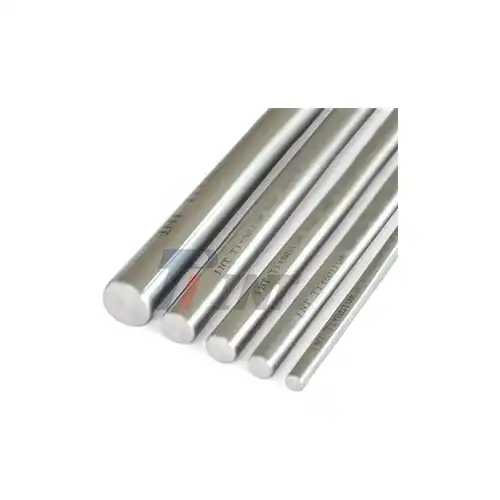
You can trust Baoji INT Medical Titanium Co., Ltd. to make high-quality Ti-6Al-7Nb titanium bars. They have been making medical-grade titanium for over 20 years. Our full set of ISO 9001:2015, ISO 13485:2016, and CE certifications make sure that the quality of our hip implant manufacturing meets all of your needs and that we follow all applicable regulations. We keep a large stock of Ti-6Al-7Nb titanium bars in a range of specifications. This lets us send quickly and let you choose the exact amount you need to meet your production plans. Email our technical team at export@tiint.com to talk about your unique needs and find out how our high-quality products can help your implant work better and do better in the market.
References
1. Niinomi, M., & Nakai, M. (2011). Titanium-based biomaterials for preventing stress shielding between implant devices and bone. International Journal of Biomaterials, Article ID 836587.
2. Semlitsch, M. F., Staub, F., & Weber, H. (1985). Titanium-aluminum-niobium alloy, development for biocompatible, high strength surgical implants. Biomedizinische Technik, 30(12), 334-339.
3. Davidson, J. A., & Kovacs, P. (1992). Biocompatible low modulus titanium alloys for medical implants. Materials Science and Engineering C, 4(1), 11-17.
4. Wang, K. (1996). The use of titanium for medical applications in the USA. Materials Science and Engineering A, 213(1-2), 134-137.
5. Eisenbarth, E., Velten, D., Müller, M., Thull, R., & Breme, J. (2004). Biocompatibility of β-stabilizing elements of titanium alloys. Biomaterials, 25(26), 5705-5713.
6. Rack, H. J., & Qazi, J. I. (2006). Titanium alloys for biomedical applications. Materials Science and Engineering C, 26(8), 1269-1277.
_1752643437358.webp)
_1752462435099.webp)
_1750668405487.webp)
_1750210148763.webp)