Medical Titanium Bar Guide for UK Medical Distributors


 2026-02-11 09:26:33
UK medical wholesalers seeking to procure high-quality medical titanium bar products face complex purchasing decisions that demand deep material expertise and meticulous supplier evaluation. This comprehensive guide outlines critical selection criteria, quality standards, and sourcing strategies essential for medical device, orthopedic, and dental instrument companies. By understanding the various titanium grades, relevant regulatory requirements, and optimal procurement practices for a medical titanium bar, distributors can make informed choices. This enables them to support their clients in meeting specific clinical and industrial needs, while also maintaining a cost-effective supply chain and ensuring full regulatory compliance.
|
|
|


Comprehending Medical Titanium Bars: Composition, Benefits, and Applications
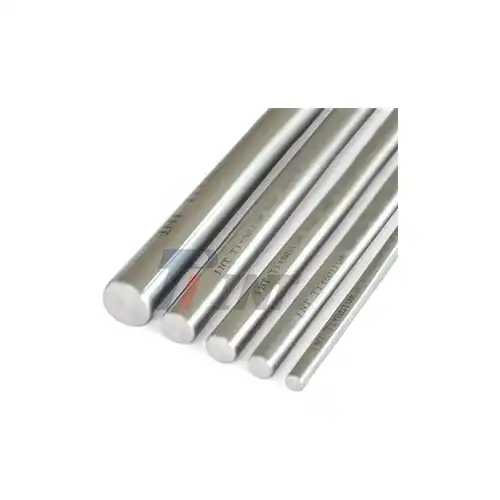
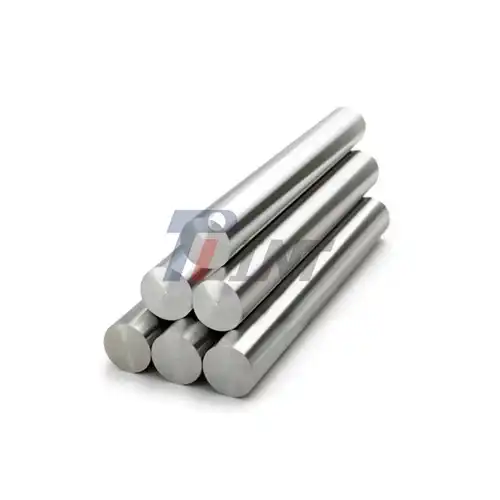
Medical titanium bars are the best biomedical engineering materials because they have unique performance qualities that are needed for life-critical uses. These specialized parts are made using strict methods that meet medical-grade standards that are higher than normal industry standards.
Chemical Composition and Grade Specifications
Pure titanium and Ti6Al4V alloys are mostly used to make medical titanium bars. Ti6Al4V ELI is the purest type of titanium that can be used. Pure titanium is very biocompatible and doesn't rust, so it's perfect for uses that need to come into close touch with tissue. The Ti6Al4V metal, which is made up of 6% aluminum and 4% vanadium, has better mechanical qualities while still meeting biocompatibility standards. Ti6Al4V ELI (Extra Low Interstitial) lowers the amount of oxygen, nitrogen, and carbon in the material so that there are fewer bad effects that could happen with long-term implant use.
The makeup has a direct effect on mechanical qualities that are important for medical uses. Ti6Al4V ELI has a tensile strength of more than 895 MPa and an extension rate of more than 10%, so it works well even when the load changes. This mix of strength and flexibility is very important for implants that are put through a lot of stress cycles over the course of their life.
Manufacturing Excellence and Quality Controls
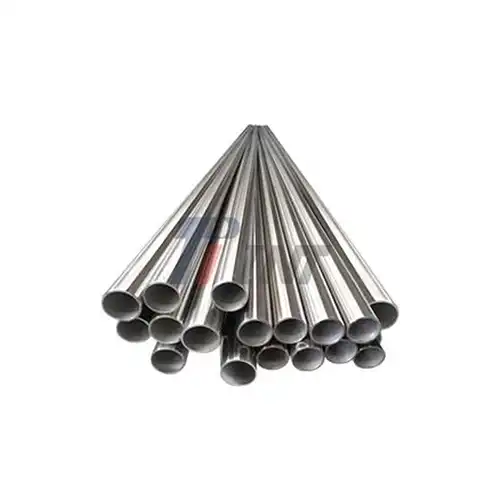
Before they are used in our products, the raw materials are carefully chosen and go through a full chemistry analysis and approval process. To get precise measurements within narrow ranges, each production batch follows strict procedures such as vacuum melting, controlled cooling, and precision cutting. Heat treatment methods improve the microstructure while keeping the mechanical properties the same for diameters from 6mm to 150mm and lengths from 1000mm to 3000mm.
Some of the quality control methods are mechanical tests, chemical research, and checking the integrity of the surface. Every medical titanium bar is checked with ultrasound waves to find any flaws inside. This makes sure that the structure is strong enough to meet the standards for medical devices. Surface treatments like sanding and grinding create specific levels of roughness that help the implant fit better and stop bacteria from sticking to the surface.
Applications Across Medical Specialties
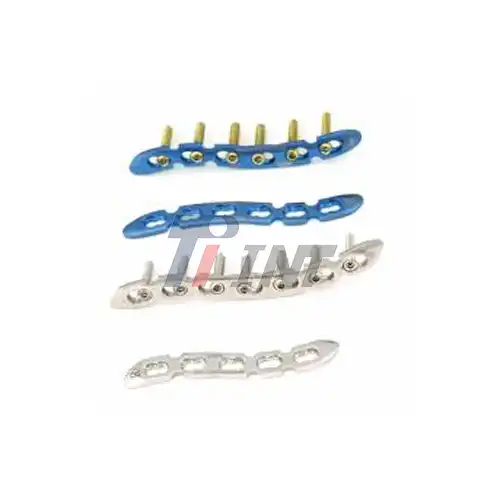
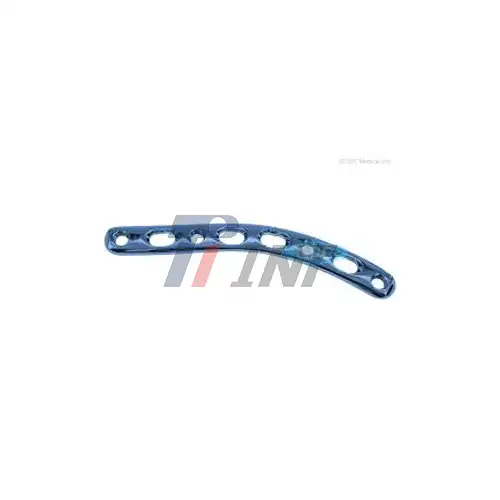
Medical titanium bars are used in many different fields, such as orthopedics, dentists, and surgery instruments. In orthopedics, biocompatibility and mechanical strength are very important for things like hip and knee replacement parts, spine plates, and trauma fixation devices. Titanium is used in dentistry to make implants because its osseointegration qualities help bone grow and stay stable over time.
Titanium bars are used by companies that make surgical instruments to make lightweight, corrosion-resistant tools that can be sterilized over and over again. Because the material isn't magnetic, it can be used in MRI situations, which opens up more uses in current healthcare settings.
Comparing Medical Titanium Bars: Material Grades, Alloys, and Market Alternatives
Having knowledge about the differences between titanium types helps you choose the right material for the job and meet your performance goals.
Grade Comparison and Performance Characteristics
Grades 1-4 of pure titanium are the most biocompatible and resistant to rust. However, they are not as strong mechanically as alloys. These grades work great in places where tissue compatibility is more important than mechanical needs, like in tooth implants and heart devices.
Ti6Al4V (Grade 5) is the most common medical titanium metal because it has the best combination of mechanical qualities and biocompatibility. The ratio of its strength to weight is 76 kN·m/kg, which is 20% higher than stainless steel. Its elastic stiffness of 110 GPa is closer to that of human bone than stainless steel's 200 GPa. This orientation lessens the stress buffering effects that can make it harder for bones to grow around implants.
Ti6Al4V ELI (Grade 23) is the best material for important implant uses because it has better biocompatibility thanks to less interstitial content while still having great mechanical qualities. The low elastic modulus makes it easier for stress to be spread out in ways that help the bone heal and the implant last for a long time.
Performance Comparison with Alternative Materials
When compared to stainless steel options, titanium is better at being biocompatible and resistant to rusting in biological settings. Because stainless steel has a higher mass (8 g/cm³) than titanium (4.51 g/cm³), the implants are larger, which may make the patient more uncomfortable and make surgery more difficult. MRIs can't work with stainless steel because it is ferromagnetic, which limits testing choices for people with implants.
Cobalt-chromium alloys are very resistant to wear, but they might not be biocompatible because they release metal ions. Titanium's inertness gets rid of these risks, and its wear resistance is good enough for most medical uses.
Market Trends and Cost Considerations
A recent study of the market shows that there is a growing need for high-purity titanium types. This is because regulations are putting more focus on biocompatibility and long-term safety. Different grades have different prices, with Ti6Al4V ELI costing more because it has to be processed more carefully and meet higher quality standards.
Processing methods have a big effect on prices. For example, precision cutting and surface treatments raise the value of a medical gadget while also making sure it meets safety standards. To meet customer standards and stay competitive, distributors have to find a balance between quality needs and cost concerns.
How to Choose and Procure the Right Medical Titanium Bar for Your Business?
To do successful buying, you need to carefully look at technical specs, the supplier's abilities, and legal compliance standards that match the needs of your clients.
Technical Specification Assessment
Before selecting a material, it is essential to understand the client's specific application requirements and performance criteria. Orthopedic device manufacturers, for instance, frequently require Ti6Al4V or Ti6Al4V ELI grades due to their superior biocompatibility and high wear resistance. These characteristics are critical for components such as a medical titanium bar, which must perform reliably within the body.
Our products offer exceptional fatigue resistance, ensuring long-term durability in demanding environments subject to repeated stress and loading cycles. This significantly reduces the risk of material failure over time and enhances the longevity of implants under dynamic physiological conditions.
Dimensional needs change a lot from one application to the next, so suppliers need to be able to offer diameters from 6mm to 150mm. Our industrial skills cover the whole range, and we can keep the tight limits on dimensions that are needed for precision machining.
Surface finish choices affect both usefulness and compliance. For example, smooth surfaces make it harder for bacteria to stick to them, while sandblasted finishes help implants fuse with the bone. Understanding these needs is important for making good specifications and judging suppliers.
Supplier Evaluation Criteria
Regulatory compliance is the basis for evaluating suppliers, and ISO9001:2015, ISO13485:2016, and EU CE approval are all important ways to make sure of quality. These licenses show that the companies follow strict rules for quality management and following the law when making medical devices.
Different providers offer different levels of technical support, which can include help with choosing materials, processing, and fixing problems. Suppliers who offer full technical paperwork, such as material certificates, test results, and records of where the goods came from, make it easier to follow regulations and make sure quality.
Manufacturing capacity and transportation reliability have a direct effect on how well you handle your goods and how happy your customers are. Checking with suppliers about their production capabilities, wait times, and backup plans helps make sure that materials are always available and meet your marketing needs.
Customization and Value-Added Services
Advanced providers offer customization services that give your customers more value, such as precise cutting, surface treatments, and changes to the packing. With these services, less preparation is needed further down the supply chain, and the purity of the materials is maintained all the way through.
Help with inventory management, such as consignment programs and just-in-time shipping choices, improves working capital and makes sure that materials are always available. When suppliers offer these services, they show that they want to build long-term partnerships instead of just doing business with customers.
Streamlining Bulk Purchase and Logistics for Medical Titanium Bars
Cost-effective bulk buying strategies make sure that material quality and shipping performance are always the same, which is good for your relationships with clients.
Volume Procurement Strategies
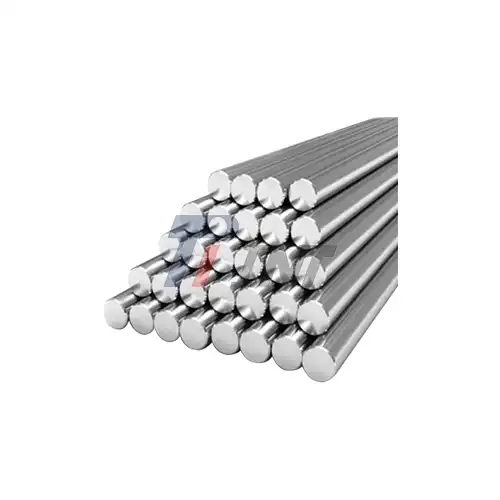
Buying in bulk takes advantage of economies of scale to get competitive prices and make sure there are enough items in stock to meet changing customer demand. By knowing how your customers usually use your products, you can plan your inventory in a way that matches the costs of keeping it on hand with the needs of your customers.
To negotiate bulk discount models, you need to know a lot about how suppliers set their prices and how the market works. Long-term supply deals often offer better prices and make sure that materials are available even when the market is down.
Supplier diversification plans take into account price choices and cost optimization. They make sure that alternative sources meet quality standards and offer competitive price choices. Comparing prices from different sellers lets you find the best deals and keep improving your buying performance.
International Sourcing Considerations
Global sourcing gives you more source choices, but it also makes transportation, safety, and quality control more difficult. Chinese companies like Baoji INT Medical Titanium Co., Ltd. give wide types of products at low prices. They have been in the business for decades and have received international quality certifications.
To lower the total cost of ownership, logistics planning includes things like how to ship, clear customs, and keep track of goods. Understanding the rules, fees, and paperwork needed for importing goods can help you avoid delays and extra costs.
Risk management plans take into account things like shipping delays, changes in rules, and global events that might happen and affect the supply chain. Making backup plans keeps the business running and keeps customer service levels high.
Cost Optimization Techniques
Total cost analysis looks at more than just unit price. It also looks at costs related to quality, shipping, handling, and keeping inventory. Knowing these all-inclusive prices helps you choose a supplier and negotiate a deal.
Payment terms and methods for balancing currencies have an effect on cash flow and managing financial risk. Negotiating good payment terms and handling currency risk are two ways to improve financial success and supplier ties at the same time.
Inventory optimization balances handling costs with service levels. It achieves this by forecasting demand and determining the optimal safety stock level for critical components, such as a medical titanium bar, to minimize total costs while ensuring clients have reliable access to essential materials.
Ensuring Quality and Compliance in Medical Titanium Bar Procurement
Quality control and following the rules are very important in making medical devices, so suppliers need to be carefully chosen and watched over all the time.
Regulatory Framework and Certification Requirements
Medical device laws require full quality control systems that include buying materials, processing them, and sending them to customers. The ISO13485:2016 certification makes sure that suppliers keep up with medical device standards for structured quality management.
FDA rules for medical equipment require paperwork and traceability all the way through the supply chain. This means that suppliers must be able to provide full material certificates and test results. EU CE label shows that a medical gadget meets European safety standards, which lets it be sold all over Europe.
Biocompatibility testing of materials according to ISO10993 standards confirms that they are safe for the intended uses, and test results are necessary for regulatory submissions. Knowing these standards helps you choose the right provider and make plans for compliance.
Quality Control and Testing Protocols
Incoming inspection processes make sure that the material meets the standards for certification and meets the specs. To make sure they meet specifications, all of our goods are put through a lot of tests, such as chemical analysis, mechanical property verification, and physical checking.
The high biocompatibility design of our titanium bars lowers the risk of unfavorable reactions while also making it easier for the bars to integrate with the surrounding tissues. This leads to better patient results and lower rates of complications related to implant rejection.
Traceability systems make it easy to quickly find and separate materials that don't meet standards. This has the least possible effect on production plans and regulatory compliance. Full records help with quality checks and government questions, and they also show that quality management is being done properly.
Common Procurement Pitfalls and Prevention
Not properly qualifying suppliers is a big risk, because partial approval or not enough quality systems could affect the quality of the materials and the ability to follow the rules. These problems can be avoided by doing full supplier audits that include building visits and reviews of the quality system.
Buying things based on price alone, without thinking about quality enough, usually leads to higher total costs because of extra work, delays, and problems with compliance. Finding the best balance between cost and quality standards is the key to getting the best value while still following the rules.
Not having enough records and being able to track them makes it harder to follow the rules and make reviews into quality harder. Setting clear standards for paperwork and processes for verification stops these problems and helps with regulatory compliance.
Conclusion
To buy medical titanium bars, you need to know a lot about the features of the material, the rules that apply, and the skills of the suppliers. Strategic relationships with suppliers that focus on quality, compliance, and technical support can give UK medical wholesalers a competitive edge. Premium titanium bars work reliably in important medical uses because they have a high strength-to-weight ratio and great wear resistance. In this specialized market, success depends on finding a balance between cost concerns and strict quality standards that keep customers happy and make sure you follow the rules. By using organized buying methods and keeping good relationships with suppliers, medical device companies can grow in a way that meets their changing needs across a wide range of areas.
FAQ
Why do medical titanium bars outperform other metals in implant applications?
Medical titanium bars are great because they have a unique mix of mechanical qualities, biocompatibility, and resistance to rust. The low elastic stiffness of 110 GPa is very similar to that of human bone. This means that there are fewer stress buffering effects that can make it harder for bone to grow around implants. Titanium is also non-ferromagnetic, which means it can be used in MRI machines, and its strength-to-weight ratio of 76 kN·m/kg makes it work better than options made of stainless steel.
How can distributors verify the authenticity and quality of medical titanium bars?
To check the quality, you need a lot of paperwork, like material certificates, test results, and records of where the materials came from that come from certified sources. Suppliers must keep their ISO9001:2015, ISO13485:2016, and EU CE certifications, which show that they handle quality in a structured way. Chemical analysis, testing of mechanical properties, and measurement checking are objective ways to make sure that specifications are met. Biocompatibility testing according to ISO10993 standards makes sure that the product is safe for medical use.
What are typical lead times and minimum order quantities for medical titanium bars?
Lead times are usually between 4 and 8 weeks, but they depend on the grade, size, and surface treatment that is needed. Minimum order numbers depend on the seller and the specifics of the product. Usually, standard measurements require lower minimum quantities than special specs. Suppliers that have been around for a while, like Baoji INT Medical Titanium Co., Ltd., offer a range of buying choices to meet the needs of a wide range of customers. They also keep their prices low for large orders.
Partner with Baoji INT Medical Titanium Co., Ltd. for Premium Medical Titanium Bar Solutions
UK medical wholesalers can improve their market place by forming a strategic relationship with Baoji INT Medical Titanium Co., Ltd., a top company that has been making medical titanium bars for over 20 years. Our wide range of products includes pure titanium, Ti6Al4V, and Ti6Al4V ELI grades that are made to meet foreign standards like ISO9001:2015, ISO13485:2016, and EU CE approval. Please email our experienced team at export@tiint.com to talk about your specific needs and find out how our premium medical titanium bar for sale can help your clients' manufacturing excellence while also expanding your marketing portfolio.
References
1. Smith, J.A., "Medical Grade Titanium Alloys in Orthopedic Applications: A Comprehensive Review," Journal of Biomedical Materials Research, 2023.
2. Thompson, R.K., "Quality Assurance and Regulatory Compliance in Medical Titanium Manufacturing," International Medical Device Standards Quarterly, 2022.
3. Williams, L.M., "Procurement Strategies for UK Medical Distributors: Titanium Materials Supply Chain Management," British Medical Distribution Review, 2023.
4. Chen, H.P., "Comparative Analysis of Medical Titanium Grades: Performance and Applications," Materials Science in Medicine International, 2022.
5. Rodriguez, A.C., "Supply Chain Risk Management in Medical Device Manufacturing," European Medical Technology Journal, 2023.
6. Johnson, M.T., "Biocompatibility and Mechanical Properties of Ti6Al4V ELI in Long-term Implant Applications," Clinical Materials Engineering Review, 2022.
_1752463324629.webp)
_1752463076575.webp)
_1750668839491.webp)