
How to Care for Your Leg After Titanium Plate Surgery?


 2025-12-31 11:01:36
Recovering from surgery involving a titanium plate in leg can be a challenging journey. Whether you've undergone this procedure due to a fracture, deformity correction, or other orthopedic issues, proper post-operative care is crucial for a successful recovery. This comprehensive guide will walk you through the essential steps to care for your leg after titanium plate surgery, ensuring optimal healing and a swift return to your daily activities.
|
|
|

Grasping the Healing Process with a Titanium Plate
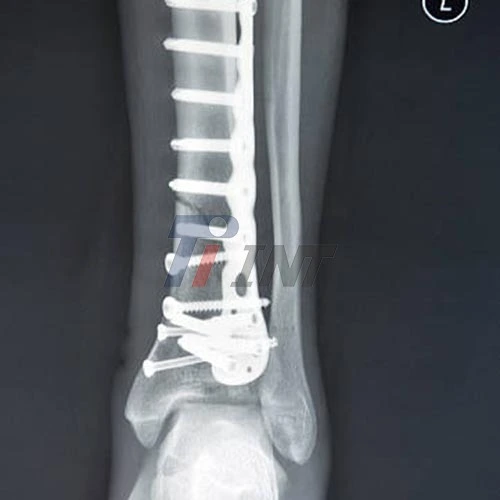
Before focusing on post-operative care, it’s essential to understand the role of a titanium plate in your leg. Titanium plates are biocompatible, meaning they are easily accepted by the body. These plates are commonly used to stabilize fractured bones or aid in realigning bones during the healing process. Their strength and durability make them ideal for supporting bone repair and ensuring proper recovery, minimizing complications and promoting long-term healing.
The healing process with a titanium plate involves several stages:
- Inflammatory Phase: The first stage, lasting about a week, is characterized by swelling, pain, and redness as your body reacts to the injury and surgery. During this phase, the body works to prevent infection and starts the healing process.
- Repair Phase: Over the following weeks to months, new bone tissue begins to form around the fracture site and the titanium plate. This phase focuses on bridging the gap in the bone, allowing it to gradually regain strength. During this time, the fracture site becomes more stable as the body deposits collagen and mineralizes the bone tissue.
- Remodeling Phase: The final phase can last from several months to years. In this stage, the newly formed bone continues to strengthen and reshape, adapting to regular mechanical stresses. The bone gradually restores its natural structure and function, and the titanium plate may no longer be needed for support as the bone reaches full strength.
Understanding these phases can help you appreciate the importance of following your surgeon's post-operative instructions and the care tips we'll discuss next.
Essential Care Tips for Your Leg with a Titanium Plate
Proper care of your leg after titanium plate in leg surgery is paramount for a smooth recovery. Here are some essential tips to keep in mind:
Managing Pain and Swelling
Pain and swelling are common after surgery involving a titanium plate in the leg. To manage these symptoms:
- Take prescribed pain medications as directed by your doctor.
- Use ice packs or cold compresses on the affected area for 15-20 minutes at a time, several times a day.
- Elevate your leg above heart level when resting to reduce swelling.
- Wear compression stockings if recommended by your surgeon to improve circulation and reduce swelling.
Wound Care and Hygiene
Proper wound care is crucial to prevent infection and promote healing:
- Keep the surgical site clean and dry.
- Follow your surgeon's instructions for changing dressings.
- Avoid submerging the wound in water until it's fully healed.
- Watch for signs of infection, such as increased redness, warmth, swelling, or discharge.
Physical Activity and Rehabilitation
Gradual return to physical activity is key for recovery:
- Follow weight-bearing restrictions as prescribed by your surgeon.
- Use assistive devices like crutches or a walker as instructed.
- Perform prescribed exercises and physical therapy to improve strength and mobility.
- Gradually increase activity levels as approved by your healthcare team.
Nutrition for Optimal Healing
A balanced diet can support the healing process:
- Consume adequate protein to support tissue repair.
- Eat foods rich in vitamins C and D, and minerals like calcium and zinc, which are important for bone healing.
- Stay hydrated to support overall health and healing.
Mental Health and Emotional Well-being
Recovery can be emotionally challenging. Take care of your mental health by:
- Staying connected with friends and family for emotional support.
- Engaging in relaxation techniques like deep breathing or meditation.
- Seeking professional help if you experience persistent feelings of anxiety or depression.
Long-term Considerations for Living with a Titanium Plate
While the immediate post-operative period is crucial, it's also important to consider long-term care for your leg with a titanium plate in leg:
Follow-up Appointments
Regular check-ups with your orthopedic surgeon are essential to monitor healing progress and address any concerns. These appointments may include X-rays to assess bone healing and the position of the titanium plate.
Adapting to Daily Activities
As you recover, you'll need to gradually adapt your daily routines:
- Modify your living space to accommodate any mobility limitations.
- Be patient as you return to work or school, and communicate any needs for accommodations.
- Gradually resume sports and physical activities under medical guidance.
Ongoing Care and Maintenance
Long-term care for your leg with a titanium plate in leg involves:
- Maintaining a healthy lifestyle to support bone and overall health.
- Being mindful of the surgical site during physical activities.
- Discussing any concerns about the titanium plate with your healthcare provider.
Potential Future Procedures
In some cases, removal of the titanium plate may be considered:
- This is typically done only if the plate causes discomfort or other issues.
- The decision for plate removal should be made in consultation with your orthopedic surgeon.
Conclusion
Recovering from surgery involving a titanium plate in the leg requires patience, dedication, and proper care. By following these guidelines and working closely with your healthcare team, you can optimize your healing process and regain functionality. Remember, every individual's recovery journey is unique, so it's crucial to follow the specific instructions provided by your surgeon.
If you have any questions about titanium medical implants or are interested in high-quality titanium products for medical applications, don't hesitate to reach out to us at export@tiint.com. At Baoji INT Medical Titanium Co., Ltd., we're committed to providing top-notch titanium materials that contribute to successful surgeries and patient outcomes.
References
1. American Academy of Orthopaedic Surgeons. (2021). Fractures (Broken Bones).
2. Geissler, W. B. (2013). Operative Techniques in Hand, Wrist, and Forearm Surgery. Lippincott Williams & Wilkins.
3. Marsell, R., & Einhorn, T. A. (2011). The biology of fracture healing. Injury, 42(6), 551-555.
4. Titanium Information Group. (2021). Titanium for Medical Applications.
5. World Health Organization. (2021). Rehabilitation after traumatic injury.

_1752818317695.webp)
_1752463990252.webp)
_1752462199458.webp)
_1750663525879.webp)
_1749447504716.webp)