


 2026-01-30 08:48:10


The Evolution of Sternal Closure Techniques
Traditional Wire Cerclage: Limitations and Challenges
For decades, wire cerclage has been the standard method for sternal closure following median sternotomy. This technique involves wrapping stainless steel wires around the sternum to hold the two halves together. While effective in many cases, wire cerclage has limitations, particularly in high-risk patients. The primary drawback is the potential for wire cutting through bone, especially in patients with osteoporosis or those requiring multiple sternotomies. This can lead to sternal instability, delayed healing, and in severe cases, sternal dehiscence.
The Advent of Rigid Fixation Systems
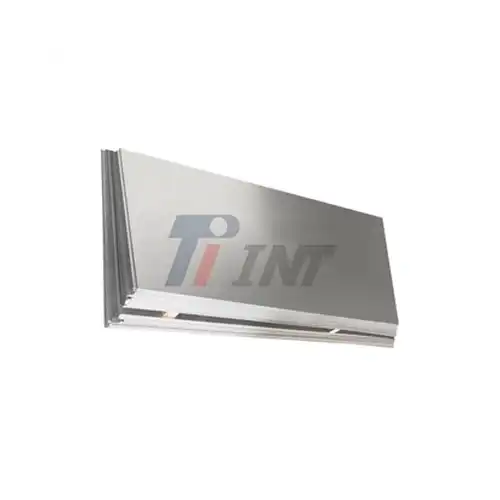
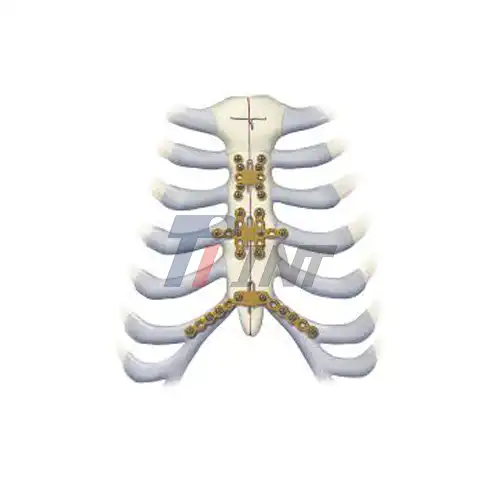
Recognizing the need for more robust sternal closure methods, medical researchers and surgeons began exploring rigid fixation systems. This led to the development of sternum titanium plates, which offer several advantages over traditional wire techniques. These plates distribute force more evenly across the sternum, reducing the risk of bone cutting and providing superior stability. The rigidity of the plates minimizes micromotion at the sternal edges, creating an optimal environment for bone healing.
Titanium: The Material of Choice
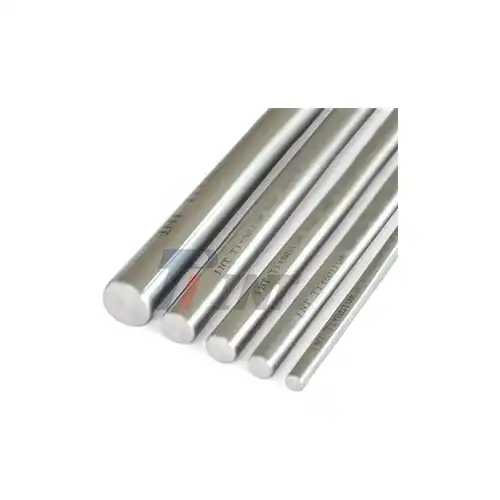
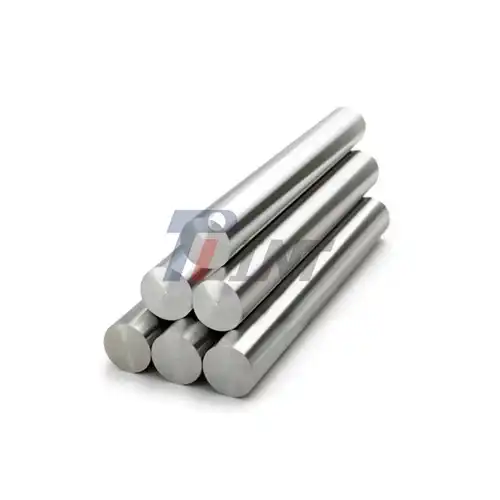
The selection of titanium for these plates is not arbitrary. Titanium alloys, particularly Ti-6Al-4V ELI (Extra Low Interstitial), possess an exceptional combination of properties that make them ideal for medical implants. These properties include:
- Excellent biocompatibility, reducing the risk of adverse reactions
- High strength-to-weight ratio, providing robust support without excessive weight
- Superior corrosion resistance, ensuring longevity in the biological environment
- Remarkable fatigue resistance, crucial for withstanding the repetitive stresses of breathing and movement
Benefits and Applications of Sternum Titanium Plates
Enhanced Sternal Stability and Healing
The primary advantage of sternum titanium plates is the enhanced stability they provide to the sternum post-surgery. This stability is crucial for proper healing and significantly reduces the risk of sternal dehiscence. The rigid fixation minimizes movement between the sternal halves, creating an ideal environment for bone union. This is particularly beneficial for high-risk patients, including those with obesity, diabetes, or osteoporosis, who are more prone to sternal healing complications.
Reduced Postoperative Pain and Improved Respiratory Function
Patients with sternum titanium plates often report less postoperative pain compared to those with traditional wire closure. The improved stability reduces irritation of surrounding tissues and nerves, leading to a more comfortable recovery. Additionally, the enhanced sternal stability allows for better respiratory mechanics. Patients can breathe more deeply and cough more effectively without fear of sternal separation, which is crucial for preventing postoperative pulmonary complications.
Versatility in Thoracic Surgery
While primarily used in cardiac surgery, sternum titanium plates have found applications in various thoracic procedures. They are invaluable in sternal reconstruction following trauma, tumor resection, or congenital chest wall deformities. The plates can be customized to fit individual patient anatomy, making them versatile tools in the hands of skilled thoracic surgeons.
Technical Aspects and Manufacturing Considerations
Design and Engineering of Sternum Titanium Plates
The design of sternum titanium plates is a result of meticulous engineering and biomechanical research. These plates are typically designed with multiple screw holes to allow for secure fixation to the sternum. The shape and thickness of the plates are optimized to provide maximum stability while conforming to the natural contours of the sternum. Some designs incorporate features like locking screws, which enhance the plate-screw construct's stability and reduce the risk of screw loosening.
Manufacturing Process and Quality Control
The production of sternum titanium plates involves sophisticated manufacturing processes. These typically include:
- Precision CNC machining to create the intricate plate designs
- Heat treatment processes to optimize the mechanical properties of the titanium alloy
- Surface treatments to enhance biocompatibility and reduce the risk of infection
- Rigorous quality control measures, including dimensional checks and material testing
Companies like Baoji INT Medical Titanium Co., Ltd. employ advanced manufacturing techniques such as hot rolling and forging to enhance the mechanical properties of the titanium alloy. These processes ensure that the plates meet the stringent requirements for strength, durability, and biocompatibility necessary for medical implants.
Regulatory Compliance and Certification
The production of sternum titanium plates is subject to strict regulatory oversight. Manufacturers must adhere to international standards such as ISO 13485:2016 for medical device quality management systems and obtain certifications like the EU CE marking. These certifications ensure that the plates meet the highest standards of safety and efficacy for medical use. Baoji INT Medical Titanium Co., Ltd., for instance, has obtained ISO 9001:2015, ISO 13485:2016, and EU CE safety certifications for their products, demonstrating their commitment to quality and regulatory compliance.
Conclusion
Sternum titanium plates represent a significant advancement in thoracic surgery, offering a superior alternative to traditional wire cerclage for sternal closure. Their ability to provide enhanced stability, promote faster healing, and reduce postoperative complications has made them an invaluable tool in cardiac and thoracic surgery. As medical technology continues to evolve, we can expect further refinements in the design and application of these plates, potentially expanding their use to other areas of surgical intervention.
For those interested in learning more about sternum titanium plates and other medical titanium products, Baoji INT Medical Titanium Co., Ltd. offers a wealth of expertise and high-quality solutions. To explore their range of products or discuss specific requirements, interested parties can contact them at export@tiint.com.
FAQ
Are sternum titanium plates permanent?
Sternum titanium plates are typically designed for permanent implantation. However, they can be removed if necessary for re-access to the heart or in case of complications.
How long does it take to recover after sternum plating?
Recovery time varies, but patients with sternum titanium plates often experience faster recovery compared to traditional wire closure. Most patients can resume normal activities within 6-8 weeks, under their doctor's guidance.
Can sternum titanium plates be used in all cardiac surgeries?
While suitable for many cardiac surgeries, the use of sternum titanium plates is often determined by the surgeon based on individual patient factors and surgical requirements.
References
1. Raman, J., Lehmann, S., Zehr, K., De Guzman, B. J., Aklog, L., Garrett, H. E., ... & Tatum, J. (2012). Sternal closure with rigid plate fixation versus wire closure: a randomized controlled multicenter trial. The Annals of thoracic surgery, 94(6), 1854-1861.
2. Vos, R. J., Van Putte, B. P., & Kloppenburg, G. T. (2018). Prevention of deep sternal wound infection in cardiac surgery: a literature review. Journal of Hospital Infection, 100(4), 411-420.
3. Hirose, H., Yamane, K., Youdelman, B. A., Bogar, L., & Diehl, J. T. (2011). Rigid sternal fixation improves postoperative recovery. The open cardiovascular medicine journal, 5, 148.
4. Grapow, M. T., Melly, L. F., Eckstein, F. S., & Reuthebuch, O. T. (2012). A new cable-tie based sternal closure system: description of the device, technique of implantation and first clinical evaluation. Journal of cardiothoracic surgery, 7(1), 1-5.
_1755062186746.jpg)
_1752820927376.webp)
_1752462620877.webp)
_1750210463958.webp)
_1749191401740.webp)