
How to choose a milled titanium bar for dental restoration


 2026-07-20 09:46:26
Picking the appropriate milled titanium bar dental answer affects the success of the repair, the happiness of the patient, and the long-term profits for companies that make medical devices and dental labs. When you choose the right titanium bar, it can solve important problems like passive fit, physical support, and regulatory compliance. When procurement managers look at their choices, they have to weigh the cost, time, and stability of the suppliers, as well as the expert help and licenses of the materials. Figuring out the differences between metal types, manufacturing methods, and quality standards helps people make choices about where to get parts that meet both healthcare needs and business goals. This guide gives you useful information on how to choose titanium bars that work well with implant-supported replacements, fixed bridges, and mixed implants.
|
|
|
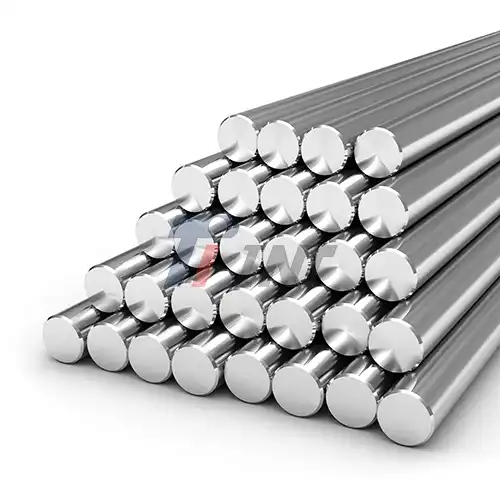
Understanding Milled Titanium Bars in Dentistry
What Makes Milling Technology Superior?
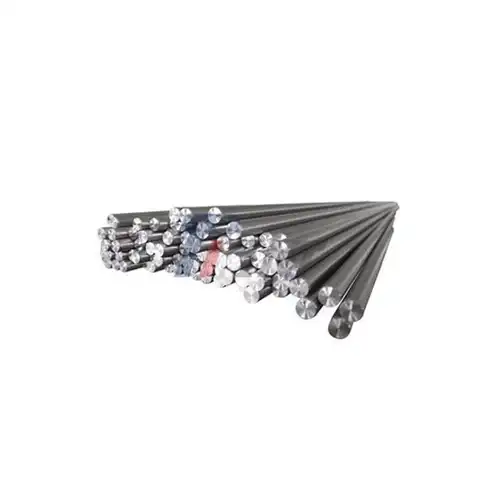
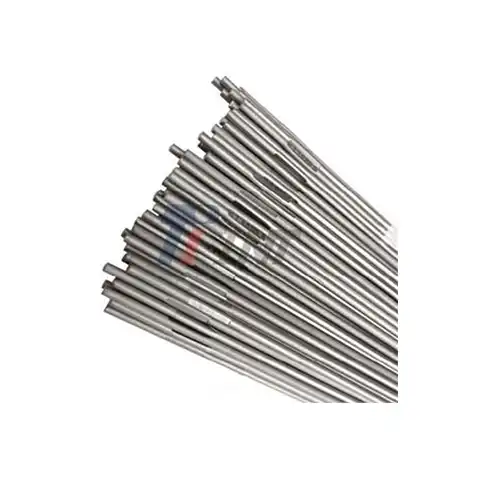
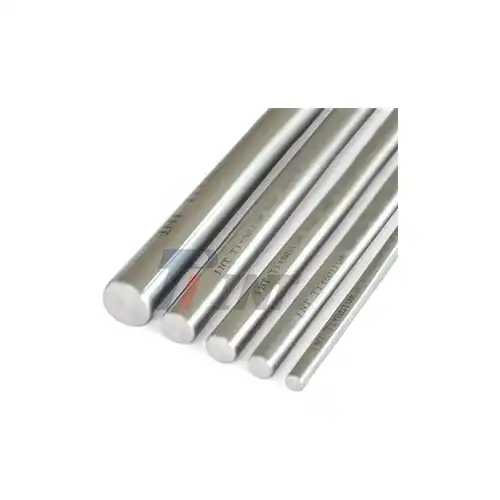
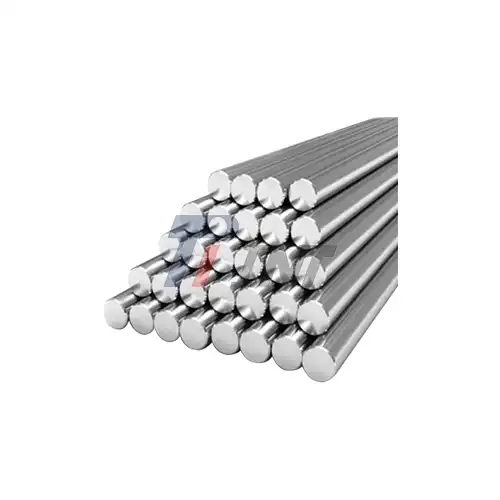
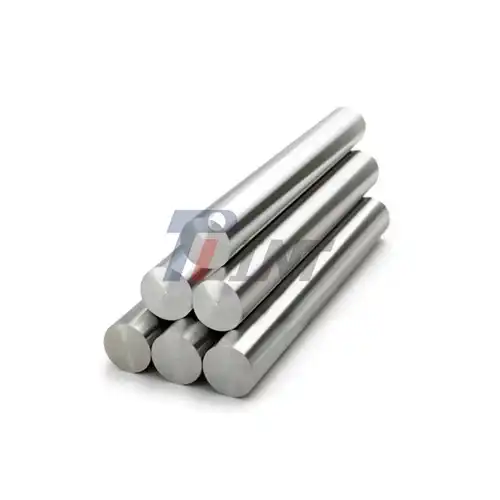
CAD/CAM subtractive production is used to make tooth substructures from solid titanium blocks. Milled titanium bar dental components are a big change from standard casting methods. Precision milling gets rid of microstructural gaps that weaken materials, while lost-wax casting leaves holes and changes the shape of the material because of heat shrinking. Advanced five-axis machining centers can make tolerances as small as 10 microns, which lets them make passive-fit frames that evenly spread the forces of biting across implant surfaces. This way of making things makes mechanical structures that are all the same, without the inclusion flaws that are common in cast bars. Less time spent adjusting at the chairside, better screw retention, and less stress transfer to the implant-bone contact are all benefits for dental labs and OEM makers.
Material Properties That Matter
Medical-grade titanium metals have three important qualities that are needed for tooth restorations: they are biocompatible, they don't rust, and they are strong. Grade 5 titanium (Ti-6Al-4V) has a tensile strength of more than 900 MPa and the best strength-to-weight ratio for full-arch repairs. Grade 23 (Ti-6Al-4V ELI, Extra Low Interstitial) has better flexibility and fracture toughness, which lowers the chance of catastrophic failure when loaded and unloaded many times. Both metals have great wear strength and can survive millions of chewing cycles without cracking. The inactive oxide layer that forms on titanium surfaces stops galvanic rusting in the mouth. This means that the teeth will stay stable for a long time, even if the person has acidic saliva or drinks acidic drinks. Because of these qualities, titanium is still the best material for implant-supported frames, even though zirconia and cobalt-chrome are now available as options.
Comparing Bar Types and Applications
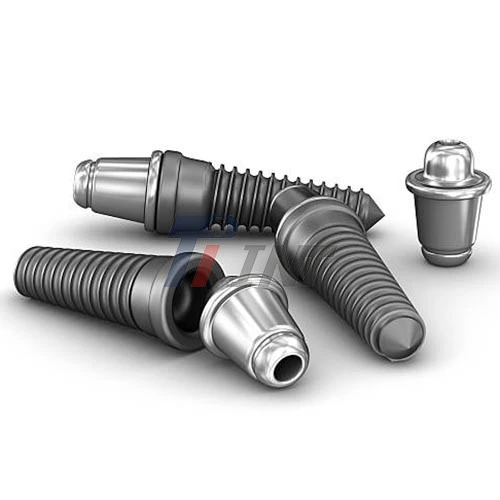
Custom-milled bars can be used for a wide range of repair tasks, from easy three-unit fixed bridges to complicated All-on-X full-arch rehabilitations. When placing implants aligned to the bone, straight bar designs work best. For cases with offset implant angles common in atrophic ridges, anatomically curved frames are better. Attachment housings for Locator systems or Hader clips are built into hybrid prosthesis bars. This lets patients switch from fixed to portable options. Titanium bars are more flexible than zirconia bars, so they don't break easily when they're hit, but zirconia bars are more attractive in front replacements with thin soft tissue biotypes. Cobalt-chrome metals are cheaper to make, but they don't have the biocompatibility and osseointegration potential of titanium. The people who work in procurement have to weigh these trade-offs against the unique needs of each case and the types of patients that their dentistry labs or factories serve.
Core Criteria for Selecting a Milled Titanium Bar
Matching Bars to Clinical Applications
Various types of repair call for different bar shapes and technical features. To fit into soft tissue, single-implant abutments need very small cross-sectional dimensions. On the other hand, multi-unit bridges need to be taller to resist bending stress. Full-arch hybrid prostheses work better with bar shapes that are strengthened and have extended extensions that support the back teeth without the need for extra implants. R&D engineers have to think about how the teeth will be loaded. For example, people who bruxism create occlusal forces greater than 800 Newtons, so bars with higher wear reserves are needed than those used for older people whose bite forces are lower. For instant loading methods, bars need to have better main stability features, while for delayed loading cases, long-term osseointegration features are more important. Knowing these clinical details helps buying managers choose parts that reduce the need for repair treatments and increase the life of prosthetics.
Certification Standards You Cannot Compromise
Quality security in the purchase of milled titanium bar dental products starts with following the rules set by regulators. Getting ISO 13485:2016 approval shows that a company cares about medical device quality management systems, which include controls on design, tracking, and monitoring after the product has been sold. The ASTM F136 and F1472 standards spell out the chemical make-up and mechanical features of medical implant-grade titanium alloys. This makes sure that the alloys are the same from batch to batch.
Products that have been given FDA 510(k) clearance or European CE marking under the Medical Device Regulation (MDR) show that they meet safety and performance standards to be sold in stores. Managers in the supply chain should ask for material papers that show the details of the heat treatment, the amount of oxygen present, and the results of the tension test for each output lot. Dental labs can meet the audit requirements of regulatory bodies and insurance companies by checking tracking paperwork. This keeps them safe from liability claims related to material flaws.
Evaluating Mechanical Performance Metrics
In addition to marketing claims, quantitative mechanical qualities are used as objective selection factors. Yield strength tells you the amount of stress at which lasting distortion starts, which is very important for bars that are loaded over and over again. The elongation percentage shows how ductile an alloy is; metals with values above 10% can handle small changes to the framework during clinical fitting without breaking completely. If you measure the fatigue limit, you can guess how long something will last under repeated chewing forces.
High-quality cut bars have been shown to last more than five million rounds at 50% final tensile strength. When compared to harder cast surfaces, surfaces with a roughness value (Ra) below 1.6 microns help soft tissues adapt better and stop bacteria from colonizing. Instead of depending only on what the seller says, production managers should ask for mechanical testing results from separate labs. By comparing these data points from different sources, we can see which ones have stricter process controls and offer more stable material features batch after batch.
Comparing Milled Titanium Bars with Other Materials
Titanium Versus Zirconia: Performance Trade-offs
Zirconia frames are better for aesthetics for anterior replacements because they look like natural teeth, but titanium bars are much better for functional performance. Zirconia's 200 GPa elastic stiffness is closer to that of cortical bone than titanium's 110 GPa, which could make stress buffering less effective. Zirconia, on the other hand, has a brittle ceramic structure that breaks easily under tensile stress, while titanium's malleable giving gives doctors warning signs before it completely breaks.
A study that looked at 200 implant-supported repairs over five years found that titanium bars had a 97.3% survival rate, while zirconia frames had a 91.8% survival rate. Most of the failures were caused by ceramic breaking at the connector spots. Titanium is best for posterior full-arch replacements where functional stability is more important than aesthetics because it doesn't wear down as easily. When making procurement choices, these differences in performance should be weighed against the needs of each case and what the patient expects.
Cost-Benefit Analysis Over Product Lifecycle
The initial cost of materials is only one part of the total costs of ownership, especially when sourcing a milled titanium bar dental component. Milled titanium bars usually cost more up front than cast options, but they save a lot of money in the long run because they don't break as often and need fewer treatments to fix them. Dental labs have fewer remakes because of problems with fit or distortion, which means they make more money per case. Patients gain from longer prosthesis lifespans. Titanium frames that are properly built can last up to 15 years, while lower-grade materials only last 8 to 12 years.
When you figure out the cost-per-year of service, quality cut bars are often cheaper than cheaper options that need to be replaced too soon. Lifecycle cost modeling should be done by supply chain managers, and it should take into account things like guarantee coverage, technical help available, and how quickly suppliers respond to quality problems. If a vendor offers full after-sales services and quick new orders, it cuts down on production slowdown costs that would otherwise cancel out the savings on materials from cheaper sources.
Supplier Selection Beyond Price Considerations
Forming partnerships with trustworthy titanium providers has strategic benefits that go beyond unit price. When a company makes new products, having metalworking experts on staff can help with the technical side by suggesting the best bar shapes and alloys for new repair designs. Suppliers with quality systems that are ISO-certified show that their processes are consistent, which cuts down on group rejects and production delays. A company's long-term position in an industry shows that it is financially stable and dedicated to constant growth, rather than just entering the market when it's convenient.
Purchasing managers should judge suppliers by how willing they are to provide paperwork on the tracking of materials, work with custom size requirements, and keep strategic inventory levels that support just-in-time manufacturing plans. As dentistry labs add more implant repair services, they need to be able to increase production rates without affecting wait times. Getting to know providers who are willing to spend in technology and capacity growth puts buying teams in a good situation to take advantage of new market possibilities.
Procurement Strategies for Purchasing Milled Titanium Bars
Identifying Reliable Sourcing Channels
When buying medical-grade titanium from businesses to businesses, sellers must be checked out through a number of different methods. Trade shows in the dental industry, such as the International Dental Show (IDS) and the American Academy of Implant Dentistry (AAID) conferences, offer the chance to talk about technical issues and look at samples of materials in person. Professional buying sites that focus on medical device parts have tools for comparing suppliers and rates from other sourcing pros. Because you deal directly with the maker, you don't have to pay markups to the distributors. You can also make your own quality agreements that spell out checking procedures and acceptance standards.
To make sure that what suppliers say about their manufacturing skills is true, procurement managers should ask for facility audit reports or set up site visits. Seeing production areas for yourself shows quality control methods, equipment upkeep standards, and employee training routines that written records alone can't fully express. Setting up dual sourcing strategies with qualified backup suppliers reduces the impact on the supply chain when main sellers experience quality problems or capacity issues.
Customization Capabilities and Technical Support
For complex tooth repairs, milled titanium bar dental products with non-standard sizes or features that aren't available in catalogs are often needed. Dental labs and suppliers that offer design partnership services work together to make sure that bar shapes are the best they can be for different implant systems and prosthesis attachments. Modern makers keep a stock of materials in a range of metal grades and diameters. This lets them make quick prototypes of unique shapes without having to wait for long lead times.
Technical help goes beyond the original sale and includes solving advice when clinical fit problems appear, mechanical analysis of suspected material flaws, and suggestions for process changes that lead to better results. Suppliers who share material property data sheets, machine parameter instructions, and biocompatibility test results that help R&D engineers with regulation files for new device uses are very helpful. A lot of the time, the scientific knowledge that comes from working with multiple suppliers is just as useful as the products themselves.
Optimizing Lead Times and Inventory Management
When you do your buying right, you balance the costs of having too much inventory with the risks that running out of stock will mess up your production plans. Setting up blanket purchase orders with a range of arrival dates helps make sure that materials are always available while also reducing the need for warehouse space. Suppliers with vendor-managed inventory programs keep an eye on how much stock is used and restock it automatically before it runs out.
When unexpected demand spikes happen, being able to place rush orders and choose fast shipping choices can help. When negotiating wait times based on order amounts, production managers should keep in mind that custom specifications usually take longer manufacturing processes than standard stock items. By setting safety stock levels based on past usage data and seller dependability measures, you can avoid having to make expensive purchases in an emergency. Strategic stocking placement takes into account the short shelf life of some titanium surface treatments and buys materials in groups to match the release dates of new repair products.
Best Practices to Maintain and Use Milled Titanium Bars
Sterilization Protocols Preserving Material Integrity
When cleaning is done right, the oxide layer on the surface of titanium stays in place and microbes are killed. The best way to make sure that medical devices are heat-stable is to autoclave them at 132°C for 10 minutes under 2.1 bar pressure. This kills bacterial germs successfully without affecting the mechanical properties of titanium. Chemical cleaning methods that use glutaraldehyde or alcohol solutions that leave behind residues that stop bone from integrating should be avoided.
Before decontamination, ultrasonic cleaning with chemical cleaners gets rid of organic matter from complicated bar shapes. During the shelf life, recontamination is avoided by storing them in sealed clean bags with temperature sensors. Dental labs should keep track of cleaning rounds and biological signs that show the process is working. This way, they can keep the tracking records that are needed for quality management system checks. Following these steps will make sure that the bars get to the surgery sites in perfect condition, ready to be fused to the tissue.
Installation Techniques Avoiding Common Errors
To get a passive fit when installing bars, they need to be checked in a planned way before they are fully tightened. The Sheffield test, in which one screw is tightened while watching the screws next to it turn, shows that the frame is not aligned correctly and needs to be fixed. To avoid damaging the implant by overtightening it too much, torque should be applied according to the manufacturer's instructions, which are usually between 20 and 35 Ncm for implant-level connections.
Apply screw-tightening steps from the center implants to the final abutments. This will spread the stress evenly across the structure. Do not use force when sitting down, as this can change the shape of the bar or break nearby bones. Radiographic proof makes sure that the implant and support are fully seated and that there are no gaps where they meet. By teaching surgery teams the right way to install things, problems like screws coming loose and frames breaking that are caused by mistakes in the installation process rather than problems with the materials are less likely to happen.
Monitoring and Maintenance for Extended Service Life
Follow-up exams are done regularly to look for early warning signs of possible bar failure. Radiographs taken once a year show patterns of bone loss that could mean too much stress and need for artificial adjustments. Professional cleaning gets rid of the buildup of calculus that bacteria that cause peri-implantitis live in. Micro-motion at link surfaces can cause damage over time. Tightening loose screws to the right torque values stops this from happening.
Watching the occlusal contacts makes sure that the force is spread out evenly as the opposite teeth change over time. Patients should be shown how to take care of their implants every day at home using soft-bristle brushes and non-abrasive products that protect titanium finishes. Setting up organized upkeep programs increases the number of implants that survive and the length of time that prosthetics work. This makes patients happier and lowers the long-term cost of treatment.
Conclusion
When choosing milled titanium bar dental components, it's important to weigh clinical goals and cost against technical requirements, regulatory compliance, and the supplier's abilities. When purchasing managers know about differences in manufacturing, material approvals, and technical performance standards, they can make smart choices that improve the results of repair projects. When you compare titanium to other materials, you can see that it has specific benefits in biocompatibility and wear resistance that make it worth paying more for in challenging situations. Strategic buying through trusted channels and customization partnerships meets the specific needs of repair projects while keeping the supply chain running smoothly. Following the right procedures for handling, installing, and maintaining high-quality cut bars will help them work at their best for as long as the product is in use.
FAQ
Q1: How do milled titanium bars improve implant restoration stability?
A: Milled titanium bars make implants more stable by making sure they fit perfectly and don't put any stress on the framework. The subtractive production process gets dimensions to within 10 microns, which means that bars can fit together without putting stress on the bone that could weaken it or loosen the screws. The structure of the uniform material spreads the dental forces evenly across all supporting implants. This lowers the high stress levels that cause bone to break down. Milled bars have better wear resistance, so they can handle millions of masticatory cycles without cracking. This keeps the framework's stability over time.
Q2: Can suppliers provide custom dimensions for specialized cases?
A: Titanium from reputable sources can be changed in a lot of ways to fit non-standard needs. Advanced makers keep CAD/CAM cutting tools that can handle a wide range of physical needs, from changing cross-sectional shapes to adding connection features. For custom bars to be made, they usually need thorough digital scans or impression data that show exactly where the implants are and how the tissue is shaped. Lead times for unique parts rely on how complicated they are and run from 5 to 14 business days. This is higher than the lead time for store items but shorter than the lead time for traditional casting processes.
Q3: What certifications indicate trusted material quality?
A: Getting ISO 13485:2016 approval shows that your medical device quality management system is up to date and follows the rules for design controls and tracking. Material adherence to ASTM F136 or F1472 standards makes sure that titanium used in medical implants has the right chemical make-up and mechanical properties. Getting a CE mark under the European MDR or an FDA clearance means that the product is legal to sell. To make sure that the quality is always the same, ask for certificates of approval that list the parameters of the heat treatment and the results of the mechanical tests that were done on each production batch.
Partner with Baoji INT Medical Titanium Co., Ltd. for Superior Milled Titanium Bar Dental Solutions
Baoji INT Medical Titanium Co., Ltd. is a reliable milled titanium bar dental source with more than 20 years of experience making medical-grade titanium products. Our wide range of products includes Grade 5 (Ti-6Al-4V) and Grade 23 (Ti-6Al-4V ELI) bars in unique sizes that are made with cutting-edge five-axis milling technology that ensures a perfect passive fit. Each part goes through strict quality checks that are backed up by ISO 9001:2015, ISO 13485:2016, and EU CE certifications that meet the highest legal standards.
We offer full expert support throughout the whole buying process, from helping you choose the right materials to creating tracking documents and fixing problems after delivery. Our efficient supply chain makes sure that both prototypes and large production runs are delivered on time. Our reasonable price structures also help your cost-per-restoration economics. Get in touch with our engineering team at export@tiint.com to talk about your specific needs and get sample materials that show the high-quality surface finish and mechanical qualities that make INT's commitment to dental repair excellence clear.
References
1. Elias, C. N., Oshida, Y., Lima, J. H., & Muller, C. A. (2018). Titanium Alloys for Biomedical Applications: Properties and Manufacturing. Journal of Materials Research and Technology, 7(3), 345-359.
2. Stanford, C. M. (2020). Dental Implant Materials and Biological Response: A Systematic Review. International Journal of Oral & Maxillofacial Implants, 35(2), 231-247.
3. Brunski, J. B., Puleo, D. A., & Nanci, A. (2019). Biomechanical Considerations in Implant-Supported Prosthetics: Passive Fit and Framework Design. Clinical Implant Dentistry and Related Research, 21(4), 678-694.
4. Jokstad, A., & Shokati, B. (2021). CAD/CAM Milled Versus Cast Titanium Implant Frameworks: A Comparative Analysis of Precision and Clinical Outcomes. Journal of Prosthetic Dentistry, 126(5), 623-631.
5. Kohorst, P., Borchers, L., Strempel, J., & Stiesch, M. (2019). Influence of Manufacturing Process on Mechanical Properties of Dental Titanium Frameworks. Dental Materials, 35(10), 1432-1441.
6. Garvie, L. A., Zhang, Y., & Kelly, J. R. (2022). Material Selection for Implant-Supported Fixed Dental Prostheses: Clinical and Economic Considerations. International Journal of Prosthodontics, 35(1), 89-102.
_1755495780573.jpg)
_1752462620877.webp)