
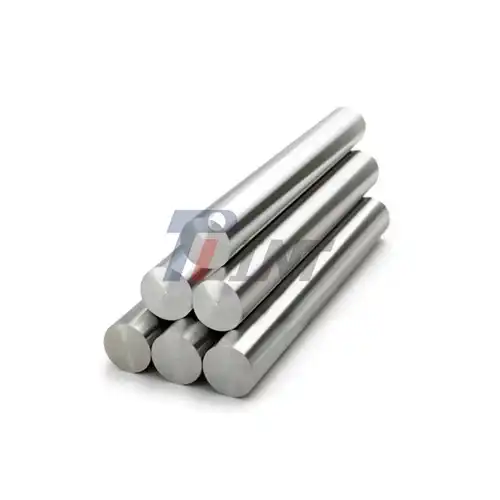
How to choose between commercially pure and alloyed 2mm titanium sheets?


 2026-07-09 11:06:21
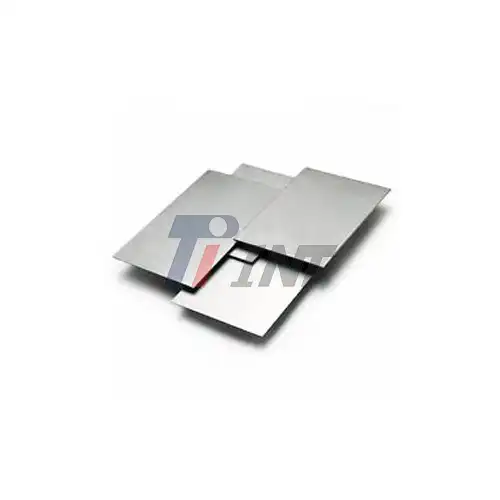
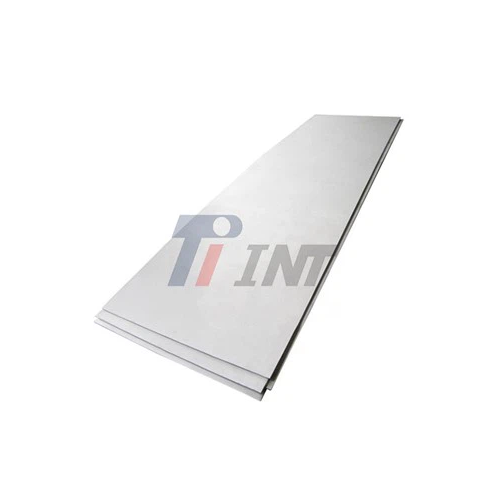
Choosing the right titanium sheet 2mm specification requires understanding your application's mechanical demands, environmental conditions, and regulatory requirements. Commercially pure titanium (Grades 1-4) offers exceptional corrosion resistance and biocompatibility, making it ideal for medical implants and chemical processing equipment. Alloyed titanium, particularly Grade 5 (Ti6Al4V), provides significantly higher tensile strength and heat resistance, suited for aerospace components and high-stress surgical instruments. Your decision hinges on balancing performance characteristics against cost considerations while ensuring compliance with industry standards like ISO 13485:2016, ASTM F67, and FDA regulations.
|
|
|
Introduction
The worldwide medical device sector increasingly uses precision-engineered steel materials, with 2mm sheets balancing structural integrity and weight. As purchasing managers or R&D engineers acquire materials for surgery supplies, prostheses, and orthopedic devices, commercially pure or alloyed titanium sheets affect product efficacy, regulatory approval timeframes, and production costs.
This detailed reference covers scientific and practical aspects of titanium sheet material selection. We study chemical compositions, mechanical qualities, real-world applications, and supply chain issues that affect buying choices. Understanding these differences ensures the product selection meets technical criteria and commercial goals while building the next generation of products fusion of the spine cages or precise dental abutments.
Medical titanium materials must fulfill strict quality requirements and be traceable throughout the supply channel. With over a decade of medical-grade titanium manufacturing expertise, we've seen how intelligent material selection speeds product development and saves certification redesign costs.
Understanding Commercially Pure vs Alloyed 2mm Titanium Sheets
Defining Commercially Pure Titanium Grades
Commercially pure titanium Grades 1–4 vary mainly in oxygen concentration and mechanical characteristics. Grade 2 titanium, the "workhorse" grade, includes ninety-two titanium with trace iron, oxygen, & nitrogen. This composition is ideal for difficult medical applications because to its formability and weldability. The material has 345–483 MPa tensile strength, suitable for surgical equipment and non-load-bearing implants.
Characteristics of Alloyed Titanium Sheets
The most common titanium alloy, grade 5 (Ti6Al4V), contains 6% aluminum and 4)% vanadium. These alloying elements boost tensile force to 895-930 MPa and reduce density versus steel. The EL interstitial (ELI) form, Ti6Al4V ELI, decreases oxygen, nitrous, and iron concentration, improving ductility and fracture resilience for implanted devices exposed to cyclic stress in the body.
Material Behavior at 2mm Thickness
At 2mm thickness, both commercially pure and alloyed titanium sheet 2mm demonstrate distinct handling characteristics during fabrication. Pure titanium sheet 2mm exhibits superior cold formability, allowing complex bending and stamping operations without intermediate annealing. The material's lower hardness (approximately 200 HV) facilitates machining but may result in surface scratching during handling, similar to stainless steel kitchen sinks. Conversely, alloyed titanium sheet 2mm requires more substantial forming forces but maintains dimensional stability under thermal cycling, essential for components exposed to sterilization processes reaching 134°C.
The 2mm gauge provides adequate stiffness for self-supporting structures while remaining light enough for handheld surgical instruments. In heat exchanger applications within desalination plants, this thickness withstands differential pressure transients exceeding 10 bar without the blowout risks associated with thinner foils, while maximizing thermal transfer efficiency through minimal material barriers.
Core Decision Criteria for Selecting 2mm Titanium Sheets
Mechanical Performance Requirements
Your application's stress profile fundamentally determines material selection. Commercially pure titanium suits applications where moderate strength (yield strength ~275 MPa) suffices, combined with maximum corrosion resistance. Dental hand instruments, autoclavable surgical trays, and implant abutments typically operate within these parameters. The material's lower modulus of elasticity (103 GPa versus 113 GPa for Ti6Al4V) provides slightly more flexibility, reducing stress concentration at attachment points. High cycle loads or impact forces need alloyed titanium. Ti6Al4V fatigue resistance is needed for orthopedic trauma plate, spinal rods, and operative drill guides. The alloy's mass to strength ratio surpasses steel by 40%, allowing device downsizing without structural compromise in non-invasive surgical systems.
Corrosion Resistance and Environmental Compatibility
Both commercially pure & alloyed titanium sheets outperform 316L stainless steel in body fluids against chloride-induced corrosion. When damaged, the naturally forming titanium dioxide (TiO2) passive layer regenerates instantly, permanently preventing crevice corrosion and pitting. Marine hardware and chemical processing components benefit from pure titanium grades' slightly better acid and stagnant seawater treatment. Titanium medical device manufacturers must consider electrochemical compatibility with other implant materials. Titanium's nobility on the galvanic series reduces corrosion when combined with cobalt-chromium or zirconia, unlike stainless steel in physiological saline.
Regulatory Compliance and Certification Standards
Medical devices must meet international standards. ASTM F136 covers Ti6Al4V ELI alloy, whereas ASTM F67 governs surgical implant unalloyed titanium. European counterparts are ISO 5832-2 and ISO 5832-3. Chemical, mechanical, and ingot manufacturing traceability must be documented in material certifications.
ISO 13485:2016-certified medical device suppliers have quality management systems. Under the European Medicinal Device Regulation (MDR 2017/745), CE certification requires extensive technical documentation, including ISO 10993 series material biocompatibility testing. Purchase managers should check material test reports for batch-specific data rather than general specification sheets to ensure each shipment satisfies your device's verified material attributes.
Total Cost of Ownership Analysis
Commercially the pure titanium sheets cost 15-25% less per kilogram than Ti6Al4V, although cost analysis must include processing and product lifetime considerations. Complex component material costs may be mitigated by pure titanium's greater machinability, which saves tool wear and cycle times. The material's cold formability reduces stamping scrap.
Despite greater unit cost, alloyed titanium's strength permits thickness decrease in certain applications, reducing material usage. The alloy's heat-treatable nature allows post-fabrication property optimization, giving designers more design freedom than commercially pure grades. Reduced corrosion warranty claims and prolonged service life in harsh conditions are important for implanted devices with 20-30 year performance expectations.
Comparative Analysis: Commercially Pure vs Alloyed Titanium Sheets at 2mm Thickness
Performance Against Alternative Materials
When compared to 316L stainless steel sheets of equivalent thickness, titanium sheet 2mm options offer approximately 45% weight reduction with comparable or superior strength. This translates directly to reduced patient fatigue during lengthy surgical procedures when considering handheld instruments. Aluminum alloys, while lighter than titanium, lack the corrosion resistance and biocompatibility essential for medical applications, exhibiting tissue reactions that preclude long-term implantation.
The economic comparison becomes more nuanced when evaluating lifecycle costs. Stainless steel's lower material cost ($8-12/kg versus $35-55/kg for Grade 2 titanium) initially appears advantageous, but titanium's corrosion immunity eliminates protective coating requirements and extends service life by 3-5 times in marine environments. Chemical processing facilities report 40% lower maintenance costs when substituting titanium for stainless steel in heat exchanger applications, despite 4x higher initial capital expenditure.
Grade 2 versus Grade 5 Application Mapping
Grade 2 pure titanium for sale dominates formability, weldability, and corrosion resistance applications. For intermediate strength, medical device makers use this grade for surgical tool handles, sterilizing containers, and impressions of the teeth trays. Its cheap cost and fatigue resilience in low-stress applications make it the preferred material for non-load-bearing components. Aviation manufacturers use Grade 2 for curtain bulkheads or heat shields near engine systems due to its thermal barrier qualities at 600°C continuous service temperatures.
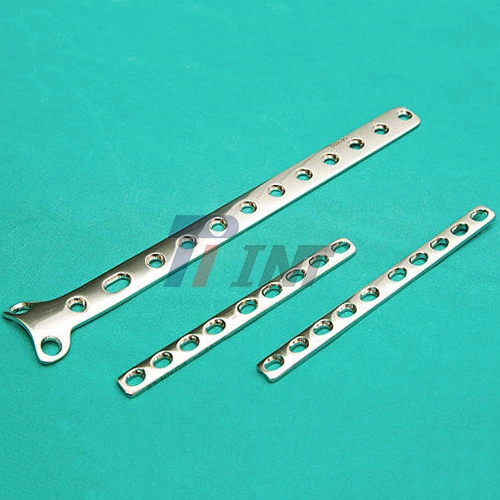
Grade 5 (Ti6Al4V) is used in high-stress orthopedic fracture plates, fusion spinal cages, and oral implant fixtures. Load-bearing implants that endure physiological stresses of 3,000 N during ambulation are possible due to the alloy's yield strength: 828 MPa Heat treatment permits precipitation hardening to reach 36 HRC for wear-resistant contact surfaces. For rod ends and cylindrical transmission shafts, automakers are using Ti6Al4V to reduce reciprocating mass and boost fuel economy.
Precision Manufacturing and Tolerance Considerations
Device performance and assembly fit depend on thickness tolerance. Typically, 2mm titanium sheets have tolerances of ±0.08mm for pure grades and ±0.10mm for alloyed materials, due to the difficulties of rolling tougher alloys. Medical devices with tolerances of ±0.05mm need extra processing steps, such as precision cutting or electro machining, which may raise material prices by 20-30%.
Surface polish criteria vary by use, with medical implants needing Ra values below 0.8 μm for good osseointegration and reduced bacterial adherence. To remove the alpha-case layer created during mill processing, Ti6Al4V needs electropolishing, although commercially pure titanium may be mechanically polished. Laser cutting of 2mm sheets gives better edge quality than waterjet or plasma slicing, with heat-affected zones restricted to 0.2mm and perpendicularity within 0.1mm for press-fit assemblies.
Procurement and Supply Chain Considerations for 2mm Titanium Sheets
Identifying Reputable Global Suppliers
Medical-grade titanium must be purchased from certified and experienced producers. Mill test certifications for each batch's chemistry, mechanical characteristics, and heating parameters provide complete traceability from ingot manufacture to final sheet processing from established vendors. Baoji INT Medical Titanium Co., Ltd. meets this requirement with ISO 13485:2016 status, EU CE marking, and 20 years of medical titanium manufacturing experience. Quality and value chain transparency are ensured by vertical integration from substance processing to precision die forging.
Geographic factors affect logistics costs and lead times. In China's "Titanium Valley" Baoji, producers provide affordable price owing to closeness to titanium sponge manufacturing and extensive processing facilities. North American and European wholesalers cut lead times for lower volumes but buy from Asian mills at 25-40% markup. Direct manufacturer ties decrease intermediate costs and improve material certification and production scaling technical support.
Customization Capabilities and Lead Time Management
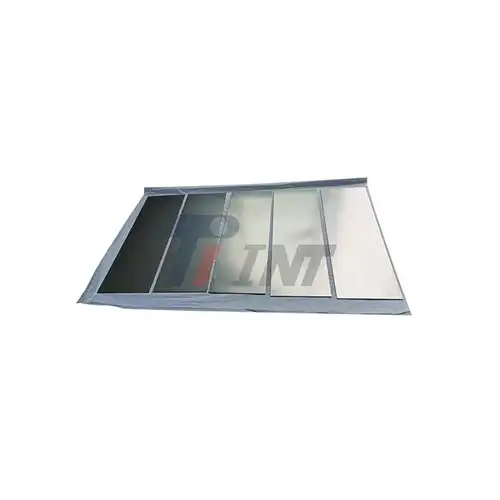
Standard sheet dimensions are 1000x2000mm through 1500x3000mm, with bespoke sizes available on request. Customers save time and material by using laser cutting services for near-net-shape delivery. Fiber laser systems can cut 2mm titanium with 0.2mm kerf widths at 1.5-2.0 m/min, appropriate for delicate surgical device designs. Complexity and volume affect lead times. Stock material in typical grades delivers in 2-3 weeks, while bespoke alloys or heat treatments take 8-12 weeks. Purchase managers should set blanket orders for known consumption products and keep strategic inventories of long-lead commodities. Just-in-time delivery requires suppliers with strong quality systems that eliminate inbound inspection bottlenecks and ensure lot-to-lot results.
Pricing Dynamics and Negotiation Strategies
Titanium pricing correlates strongly with global titanium sponge markets, which fluctuated between $11-18/kg during 2020-2024 based on aerospace demand cycles. Material surcharges for Grade 5 versus Grade 2 typically add $8-12/kg, reflecting additional alloying elements and processing complexity. Premium charges for ELI variants account for stringent chemistry control and reduced interstitial content, adding 15-20% to base alloy pricing.
Volume commitments significantly impact unit pricing, with 500kg minimum orders accessing tier-2 pricing (approximately 12% reduction) and 2000kg+ orders reaching tier-1 pricing (20-25% reduction). Annual contracts with quarterly releases provide price stability while minimizing inventory carrying costs. Negotiating Incoterms carefully affects total landed cost—FOB shipping point transfers risk early but enables customer-selected freight optimization, while DDP pricing provides certainty but limits carrier negotiation leverage.
Practical Recommendations and Case Studies for Selecting the Right Titanium Sheet
Aerospace Heat Shield Applications
A European aerospace manufacturer redesigned engine compartment firewalls using Grade 2 titanium sheet 2mm, replacing 3mm stainless steel panels. The substitution achieved 52% weight reduction while improving thermal protection through titanium's lower thermal conductivity (21.9 W/m·K versus 16.3 W/m·K for steel). The sheets withstand radiant heat exposure exceeding 600°C during extended flight operations while resisting high-frequency vibration fatigue that caused cracking in previous stainless steel designs. Component lifespan increased from 8,000 to 15,000 flight hours, reducing maintenance costs by 35% over the airframe's service life.
Chemical Processing Equipment
Desalination facilities in the Middle East transitioned heat exchanger plate construction from titanium foil (0.5mm) to 2mm sheets, addressing blowout failures during pressure transients. The increased thickness withstands differential pressures up to 12 bar without yielding, while maintaining thermal transfer efficiency within 8% of thinner gauges. Grade 2 titanium's absolute resistance to chloride-induced stress corrosion cracking eliminated the catastrophic failures experienced with duplex stainless steel alternatives in high-salinity feedwater. Plant operators report 40% reduction in unplanned maintenance shutdowns following the material upgrade.
Medical Implant Development
An orthopedic device manufacturer developing a novel spinal fusion cage selected Ti6Al4V ELI sheet 2mm for the cage body construction. The alloy's 900 MPa tensile strength supports compressive loads exceeding 5,000 N during spinal fusion healing, while the 2mm wall thickness provides internal space for bone graft material. Laser welding of the cage structure achieved full-penetration welds without backing material, meeting ASTM F136 requirements for implantable devices. Biocompatibility testing per ISO 10993 demonstrated cytotoxicity, sensitization, and irritation results superior to 316L stainless steel, facilitating FDA 510(k) clearance within 9 months.
Material Handling and Processing Best Practices
Maximizing titanium sheet lifespan requires attention to handling protocols. Storage areas should maintain cleanliness to prevent embedment of foreign particles that cause galling during forming operations. Although Grade 2 titanium scratches relatively easily—comparable to stainless steel—these surface marks rarely affect functional performance. A basic Scotchbrite pad restores brushed finishes when aesthetic appearance matters.
Cutting operations benefit from reduced speeds (50-60% of aluminum cutting speeds) and liberal coolant application to prevent work hardening and tool wear. Shearing titanium sheets produces work-hardened edges requiring deburring before welding or forming. Plasma cutting of 2mm thickness achieves acceptable edge quality for non-critical applications, while waterjet cutting eliminates heat-affected zones for applications requiring subsequent welding. Laser cutting provides optimal edge perpendicularity (within 0.1mm) and minimal recast layer, though nitrogen assist gas prevents oxidation better than compressed air.
Decision-Making Checklist for Procurement Professionals
When finalizing material selection, verify that your chosen specification addresses these critical factors: Does the material certificate document batch-specific mechanical properties rather than generic specification ranges? Have you confirmed supplier certification currency (ISO 13485:2016, AS9100, or equivalent)? Does the material's yield strength provide adequate safety margin (typically 1.5-2.0x) for peak operational loads? Will your fabrication processes accommodate the material's formability and machinability characteristics without excessive tooling costs?
Consider whether customization services (laser cutting, surface treatments, heat treatment) reduce your internal processing burden while maintaining economic viability. Evaluate supplier quality history through customer references, particularly regarding lot-to-lot consistency and delivery performance. Assess whether technical support capabilities align with your engineering team's needs during product development and production scaling phases.
Conclusion
Selecting between commercially pure and alloyed titanium sheet 2mm requires balancing mechanical performance requirements, environmental conditions, regulatory compliance, and economic constraints. Grade 2 commercially pure titanium excels in applications prioritizing corrosion resistance, formability, and biocompatibility, while Ti6Al4V alloyed sheets serve high-stress scenarios demanding superior strength and fatigue resistance. The 2mm thickness provides structural integrity across diverse applications from surgical instruments to aerospace components, offering optimal weight-to-performance ratios.
Successful procurement hinges on partnering with certified suppliers demonstrating consistent quality, comprehensive traceability, and responsive technical support throughout product development cycles. Material selection directly impacts device performance, regulatory approval timelines, and long-term cost-effectiveness, warranting thorough evaluation against your specific application requirements.
FAQ
What fundamental differences distinguish commercially pure from alloyed titanium sheets?
Commercially pure titanium (Grades 1-4) contains minimal alloying elements, offering maximum corrosion resistance and formability with moderate strength (345-550 MPa tensile strength). Alloyed titanium, particularly Grade 5 (Ti6Al4V), incorporates aluminum and vanadium to achieve substantially higher strength (895-930 MPa) and heat treatment capability, though with slightly reduced corrosion resistance and formability compared to pure grades.
Why does corrosion resistance matter for medical device applications?
Medical implants and surgical instruments face aggressive environments including bodily fluids, sterilization chemicals, and autoclaving cycles. Titanium's naturally forming titanium dioxide passive layer provides permanent protection against chloride-induced pitting and crevice corrosion, eliminating the coating requirements necessary for stainless steel while preventing inflammatory tissue reactions from corrosion byproducts.
Can suppliers provide custom cutting services for large-scale projects?
Reputable manufacturers offer laser cutting, waterjet cutting, and CNC machining services to deliver near-net-shape components, reducing customer processing time and material waste. Custom fabrication capabilities typically accommodate production volumes from prototype quantities through high-volume manufacturing, with lead times varying from 2-3 weeks for standard specifications to 8-12 weeks for complex custom requirements.
Partner with Baoji INT Medical Titanium for Your Material Needs
Selecting the optimal titanium sheet 2mm supplier directly impacts your product development timeline, quality consistency, and regulatory compliance success. Baoji INT Medical Titanium Co., Ltd. brings over 20 years of specialized experience in medical-grade titanium production, maintaining ISO 13485:2016, ISO 9001:2015, and EU CE certifications that demonstrate our commitment to quality management excellence. Our vertically integrated manufacturing capabilities span from raw material processing through precision die forging, ensuring full traceability and consistent lot-to-lot performance.
We maintain comprehensive inventory of commercially pure titanium (Grades 1-4) and Ti6Al4V ELI alloy sheets in 2mm thickness, available in various dimensions to support both prototype development and high-volume production. Our technical team provides material selection guidance, fabrication consulting, and documentation support throughout your device development and certification processes. Whether you require standard sheets or custom laser-cut components, we deliver reliable quality with lead times optimized for your production schedules. Contact our titanium sheet 2mm supplier team at export@tiint.com to request material certificates, samples, or technical consultation for your next project.
References
1. American Society for Testing and Materials. "ASTM F67-13: Standard Specification for Unalloyed Titanium, for Surgical Implant Applications." ASTM International, 2013.
2. American Society for Testing and Materials. "ASTM F136-13: Standard Specification for Wrought Titanium-6Aluminum-4Vanadium ELI Alloy for Surgical Implant Applications." ASTM International, 2013.
3. Donachie, Matthew J. "Titanium: A Technical Guide, 2nd Edition." ASM International, 2000.
4. International Organization for Standardization. "ISO 5832-2:2018: Implants for Surgery—Metallic Materials—Part 2: Unalloyed Titanium." ISO, 2018.
5. Lütjering, Gerd and Williams, James C. "Titanium, 2nd Edition: Engineering Materials and Processes." Springer-Verlag Berlin Heidelberg, 2007.
6. Rack, H.J. and Qazi, J.I. "Titanium Alloys for Biomedical Applications." Materials Science and Engineering C, Vol. 26, 2006, pp. 1269-1277.
_1750664314563.webp)