
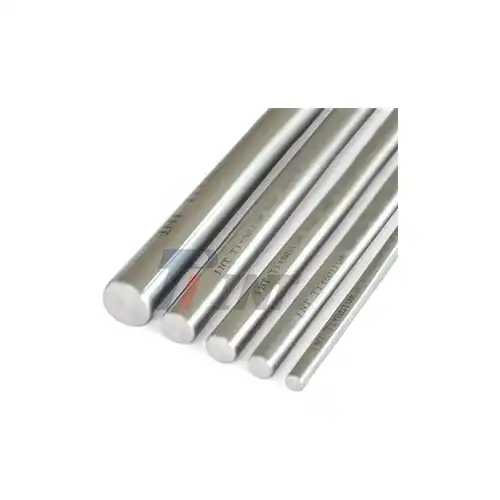
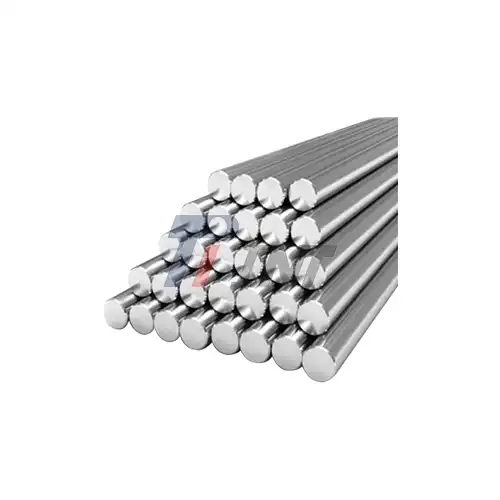
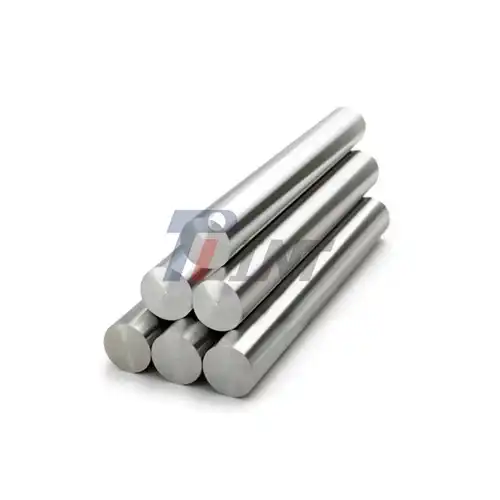
How to Choose the Best Ti6Al4V ELI Titanium Bar for Aerospace and Medical Use


 2026-03-05 08:39:47
Selecting the right Ti6Al4V ELI Titanium Bar for aerospace and medical applications requires understanding critical material properties, certifications, and supplier capabilities. This specialized Grade 23 titanium alloy offers superior biocompatibility and mechanical performance compared to standard titanium grades, making it essential for surgical implants, aircraft components, and precision instruments. The key lies in evaluating purity levels, ASTM F136 compliance, and your supplier's track record in delivering consistent quality materials.
|
|
|
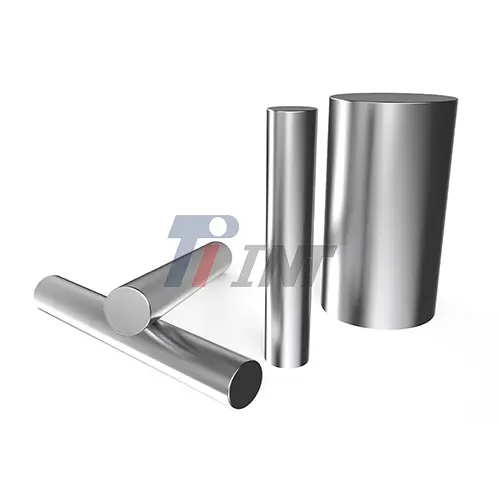
Understanding Ti6Al4V ELI Titanium Bar: Properties and Standards
In the realm of titanium alloy engineering, Ti6Al4V ELI (Extra Low Interstitial) titanium bars are considered to be the pinnacle of excellence for use in critical applications. Standard Ti6Al4V and its ELI variation are distinguished from one another by the controlled decrease of interstitial elements, which is the primary distinction between the two. The ELI form of Grade 5 titanium maintains an oxygen concentration that is below 0.13%, in addition to having lower amounts of nitrogen, carbon, and iron. This is in contrast to the normal Grade 5 titanium, which includes up to 0.20% oxygen.
Chemical Composition and Purity Requirements
Increased purity of Ti6Al4V ELI results in a significant improvement in both the fracture toughness and ductility of the material. In order to achieve the best possible balance between strength and workability, this material contains roughly 6% aluminum and 4% vanadium. The regulated interstitial content immediately correlates to higher damage tolerance, which makes it excellent for situations in which the breakdown of the material might have disastrous implications.
Mechanical Properties and Performance Characteristics
Ti6Al4V ELI titanium bars are distinguished from other materials by their outstanding mechanical qualities, which set them apart from competition. It has been shown that the alloy has tensile strengths that range from 895 to 1000 MPa, and yield values that fall somewhere between 825 and 900 MPa. The increased ductility makes it possible to achieve elongation values of 15-20%, which is much greater than the industry norm for Grade 5 titanium. The stability of these qualities is maintained throughout a broad temperature range, from freezing conditions to raised temperatures that are more than 400 degrees Celsius.
Because of its outstanding fatigue resistance, ELI grade titanium is a very beneficial material for applications that involve cyclic stress. This material retains its structural integrity for a much longer period of time than traditional alternatives when it is used in aerospace components that are exposed to repeated stress cycles. The exceptional resistance to fracture propagation guarantees safety margins that are in accordance with the demanding standards of regulatory authorities in the aerospace and medical manufacturing industries.
Biocompatibility and Medical Applications
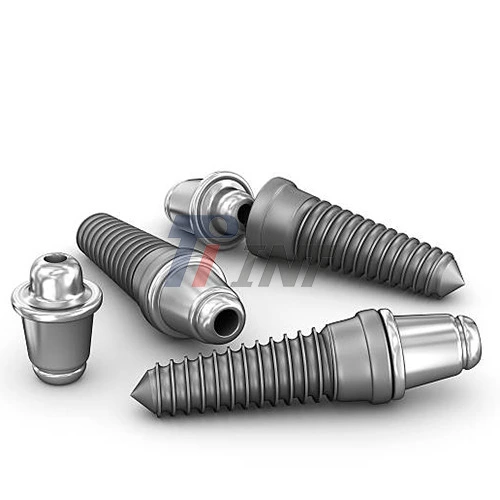
The inert nature of Ti6Al4V ELI inside biological settings is the source of its suitability for use in biocompatible applications. Through the formation of a stable oxide layer, the material eliminates the possibility of undesirable tissue responses by preventing the release of ions. Because of this property, it is the material of choice for orthopedic implants, dental fixtures, and surgical tools that must be in touch with human flesh for an extended period of time.
In order to assure that medical-grade titanium bars are in compliance with stringent purity criteria and mechanical property requirements, ASTM F136 certification is required. This standard is designed to precisely meet the special requirements that are associated with implanted devices, such as an ability to withstand corrosion in human fluids and compatibility with sterilizing procedures.
Key Factors to Consider When Selecting Ti6Al4V ELI Titanium Bars
To make informed judgments on procurement for aerospace and medical applications, it is necessary to carefully evaluate a number of aspects that have a direct influence on performance and compliance. For instance, when selecting Ti6Al4V ELI Titanium Bar, it is crucial to assess its technical specifications, as well as its ability to meet regulatory requirements. The process of selection has to strike a balance between the technical criteria and the practical concerns, which include things like availability, pricing, and the capabilities of the provider.
Aerospace-Specific Requirements
The applications of aerospace need materials that can work dependably even when subjected to harsh circumstances. Because of its high strength-to-weight ratio, Ti6Al4V ELI is a very beneficial material for decreasing the weight of aircraft planes without compromising their structural integrity. Because of the material's capacity to endure both static and dynamic stresses, it is advantageous for components such as landing gear, engine mounts, and crucial fasteners to be constructed out of it.
As a result of the high thermal cycling that components face in aircraft settings, temperature resistance becomes an extremely important factor. Ti6Al4V ELI is able to keep its mechanical qualities even when subjected to severe temperatures, such as the sub-zero conditions that are present at high altitudes and the increased temperatures that are present near engine components. Because of the material's low thermal expansion coefficient, dimensional changes that might potentially compromise precision assembly are kept to a minimum.
When it comes to aircraft applications, corrosion resistance goes beyond just being exposed to the local environment. It is necessary for the material to be resistant to deterioration when exposed to hydraulic fluids, gasoline fumes, and cleaning chemicals. Because of its inherent resistance to corrosion, Ti6Al4V ELI removes the need for protective coatings in many applications. This results in a reduction in the amount of maintenance that is required and an extension of the service life.
Medical Device Considerations
The production of medical devices necessitates the use of titanium bars that are in compliance with stringent purity and traceability criteria. Each batch is required to contain exhaustive documentation that demonstrates compliance with the applicable legislation governing medical devices. Manufacturing efficiency is impacted by the machinability of the material, especially when it comes to the complicated geometries that are needed in contemporary implant designs.
The skills of surface finishing are very important in situations involving medical applications. An assortment of surface treatments, ranging from polishing to specific coatings that encourage bone integration, must be able to be applied to the material. The uniform microstructure of Ti6Al4V ELI guarantees that the machining characteristics and surface quality will be predictable throughout all of the various manufacturing runs.
Supply Chain and Procurement Factors
For firms that are working under strict production deadlines, having supply channels that are reliable becomes very necessary. It is possible for lead times for specialized titanium goods to diverge greatly depending on the size, quantity, and needs of the specifications. The prevention of production delays may be aided by the establishment of connections with suppliers that have acceptable inventory levels.
There is a tendency for procurement tactics to be influenced by minimum order numbers, especially for smaller manufacturers or prototype development plans. While there are certain suppliers that specialize in large-scale manufacturing and have volume requirements that correlate to that, there are other suppliers who provide flexible buying terms that can handle several production quantities.
Comparative Analysis: Ti6Al4V ELI vs Other Titanium and Metal Options
The ability to make educated selection judgments is made possible by having an understanding of the performance differences between Ti6Al4V ELI and other materials. For example, Ti6Al4V ELI Titanium Bar offers superior fracture toughness and biocompatibility compared to standard titanium alloys, making it ideal for medical implants. Each of the available material options comes with its own set of benefits and drawbacks, which must be deemed appropriate for the particular application in question.
Ti6Al4V ELI vs Standard Ti6Al4V
ELI grade titanium, which has a higher purity than other grades of titanium, offers considerable benefits in significant performance areas. The fracture toughness that is necessary for medical implants and important aerospace components is not present in standard Ti6Al4V, despite the fact that it provides sufficient strength for a wide range of applications. This investment delivers benefits in the form of better dependability and prolonged service life, despite the fact that the cost premium for ELI grade material normally goes anywhere from 15 to 25 percent more than the regular Grade 5 titanium.
The performance of these materials in terms of fatigue is one of the most notable distinctions between them. The fatigue life of Ti6Al4V ELI is roughly twenty percent longer than that of other materials under high-cycle stress conditions. In aerospace applications, where components are subjected to millions of stress cycles over the course of their operational lifespan, this enhancement becomes very useful.
Alternative Titanium Alloys
Ti6Al7Nb is very biocompatible for use in medical applications; nevertheless, in comparison to Ti6Al4V ELI, it has a reduced strength. The mineral vanadium, which is considered by some experts to be potentially hazardous in biological situations, is removed from this alloy. However, due to its decreased strength, it can only be used in applications that involve lesser levels of stress, such as bone plates and some orthopedic components.
Ti5Al2.5Sn is a material that offers intermediate levels of strength and has excellent resistance to corrosion. In aircraft applications, where mild strength requirements allow for cost reductions in comparison to ELI grade materials, this alloy performs very well thanks to its excellent performance. In comparison to alloys that include vanadium, the proportion of tin in the material makes it easier to machine, but it lowers the temperature capabilities of the material.
Stainless Steel Comparison
However, the density of stainless steel alternatives like 316LVM is much greater, despite the fact that they have lower material prices. When it comes to aerospace applications, where every pound has an impact on fuel economy and payload capacity, the weight penalty becomes very significant. Despite the fact that stainless steel offers sufficient resistance to corrosion for a wide range of applications, it is not capable of competing with titanium in terms of its performance in harsh environments or at very high temperatures.
In terms of the strength-to-weight ratio comparison, titanium alloys come out on top decisively. Even though it weighs around 45% less than high-grade stainless steels, Ti6Al4V ELI has strength that is equivalent to that of those materials. Applications that need substantial structural components or situations in which weight reduction directly effects performance are examples of situations in which this benefit becomes more obvious.
How to Evaluate and Choose the Right Supplier for Ti6Al4V ELI Titanium Bars?
The selection of suppliers has a considerable influence on both the quality of the product and the success of the project. The intricacy of titanium processing necessitates the presence of providers that possess specialist expertise, adequate equipment, and rigorous quality processes.
Certification and Compliance Verification
Suppliers of high quality have extensive certification portfolios that verify their capacity to manufacture materials that are up to the requirements of the aerospace and medical industries. Certification in accordance with AS9100 displays knowledge with aerospace quality criteria, while certification in accordance with ISO 13485 exhibits mastery of medical device manufacture. By obtaining these certifications, suppliers are able to demonstrate that they are aware of the vital nature of their goods and that they maintain sufficient quality controls.
In order to verify compliance with ASTM and AMS standards, it is necessary to carefully examine the test certifications and quality documents provided by suppliers. For each and every shipment, legitimate suppliers give comprehensive paperwork that includes chemical analysis, mechanical property testing, and traceability information. When it comes to medical applications, where regulatory authorities may need full material history, the capability to track materials back to their original melt source becomes very essential.
Manufacturing Capabilities and Capacity
Both the quality of the product and the delivery performance are directly impacted by the production capabilities of the supplier. For instance, when sourcing Ti6Al4V ELI Titanium Bar, it's essential to ensure that the supplier has in-house capabilities for melting, forming, and heat treatment, as these processes require specific equipment to maintain high standards. When opposed to suppliers that depend on subcontractors, those who have their own skills in-house often provide superior quality control and quicker delivery, ensuring both product consistency and reliability.
It is important to verify that suppliers are able to satisfy both current and future volume needs by conducting production capacity assessments. Many well-established suppliers have a buffer capacity that enables them to fulfill urgent requests or raise their volume without sacrificing the quality of their products. The company's client base and capacity allocation may give valuable insight into the possible dangers that may be associated with the supply chain.
Technical Support and Service
One way to differentiate outstanding suppliers from commodity vendors is via the provision of comprehensive technical assistance. The finest suppliers provide support in materials engineering, which assists clients in optimizing the selection of materials and the parameters of processing for optimal results. It is at the periods of product development, when material qualities have a considerable effect on design choices, that this help becomes most important.
In the event that it is required, post-delivery support includes help with any material-related difficulties as well as collaboration with quality investigations. The establishment of long-term relationships that are mutually beneficial to both parties is facilitated by suppliers that proudly stand behind their goods and provide prompt technical assistance. Processing difficulties may be resolved and production parameters can be optimized with the assistance of metallurgical knowledge that is immediately available.
Procurement Best Practices for Ti6Al4V ELI Titanium Bars
Procurement methods that are effective strike a balance between the criteria of cost, quality, and delivery while also keeping flexibility to accommodate changing project requirements. Procurement plans that are successful involve precise standards, networks of competent suppliers, and rigorous quality assurance procedures.
Specification Development and Documentation
For the purpose of preventing misunderstandings and ensuring that suppliers are able to correctly estimate and deliver relevant materials, clear specifications are essential. Dimensional criteria, mechanical property objectives, surface finish requirements, and relevant standards should all be included in the technical specifications. Both the packaging and the shipping instructions serve to avoid harm to the products while they are being transported and guarantee that they arrive ready to be used.
End-use applications are the most important factor to consider when determining documentation needs, especially for aircraft and medical components. The degree of documentation that is required should be specified by the traceability requirements. This paperwork might range from simple mill test certificates to comprehensive processing records. Having a definition of testing criteria that is clear helps to avoid conflicts and assures that materials fulfill the needs of the application.
Quality Verification and Incoming Inspection
Incoming inspection processes ensure that the materials that have been supplied are in accordance with the quality criteria and specifications. Verification of dimensions, evaluation of surface condition, and examination of paperwork are all components of fundamental inspection duties. The verification of mechanical properties, the investigation of chemical properties, or the performance of specialized testing for important applications are all examples of more complete testing.
Planned statistical sampling helps strike a compromise between the expenses of inspection and the needs for quality assurance. In addition to expediting the verification process for regular properties, risk-based inspection methods emphasize the need of paying particular attention to key qualities. The establishment of explicit acceptance standards helps to avoid subjective choices on quality and guarantees that the quality of the material remains consistent.
Supplier Relationship Management
Maintaining long-term connections with one's suppliers not only confers stability but also often leads to enhanced service and cost. achievement evaluations should be performed on a regular basis in order to identify areas for development and to acknowledge outstanding achievement. A proactive approach to issue resolution and collaborative improvement activities are both made possible via open communication channels.
Planning for volume and sharing forecasts are two methods that assist suppliers in optimizing their operations and perhaps lowering their costs. When it comes to providing superior service, suppliers that have a better understanding of client needs and volume estimates are able to more effectively distribute capacity and inventory. The establishment of collaborative partnerships often results in preferential treatment in situations when there is a scarcity of supply or capability.
Conclusion
Selecting the optimal Ti6Al4V ELI Titanium Bar requires balancing technical requirements with practical procurement considerations. The enhanced properties of ELI grade titanium justify its cost premium for critical applications in aerospace and medical industries. Success depends on understanding material capabilities, establishing relationships with qualified suppliers, and implementing robust procurement processes that ensure quality and delivery performance while managing costs effectively.
FAQ
Q1: Why is Ti6Al4V ELI preferred for medical implants over standard titanium grades?
A: Ti6Al4V ELI offers superior biocompatibility due to its reduced interstitial content, which minimizes the risk of adverse tissue reactions. The enhanced fracture toughness and ductility provide better resistance to fatigue failure in load-bearing implants. The material's compliance with ASTM F136 standards ensures it meets stringent medical device requirements for purity and mechanical properties.
Q2: How do heat treatment processes affect Ti6Al4V ELI performance?
A: Heat treatment significantly influences the mechanical properties and microstructure of Ti6Al4V ELI. Annealing treatments optimize ductility and stress relief, while controlled cooling rates affect the alpha-beta phase balance. Proper heat treatment enhances fatigue resistance and ensures consistent mechanical properties throughout the material cross-section.
Q3: Can Ti6Al4V ELI bars be ordered in custom sizes for aerospace specifications?
A: Most qualified suppliers offer custom sizing capabilities to meet specific aerospace requirements. Custom dimensions, tolerances, and surface finishes are readily available, though minimum order quantities and lead times may vary. Working with experienced suppliers ensures custom specifications meet both dimensional and metallurgical requirements.
Q4: What quality documentation should accompany Ti6Al4V ELI titanium bars?
A: Comprehensive documentation should include mill test certificates with complete chemical analysis and mechanical property testing, dimensional inspection reports, and traceability records linking materials to their original source. For medical applications, additional documentation may include biocompatibility test results and compliance statements for relevant regulatory standards.
Partner with Baoji INT Medical Titanium Co., Ltd. for Premium Ti6Al4V ELI Solutions
Baoji INT Medical Titanium Co., Ltd. stands as your trusted Ti6Al4V ELI Titanium Bar manufacturer with over two decades of specialized experience in medical-grade titanium materials. Our ISO 13485:2016 certified facility ensures every product meets the highest quality standards for both aerospace and medical applications. With complete ASTM F136 compliance and comprehensive technical support, we deliver custom solutions that meet your exact specifications while maintaining competitive pricing and reliable delivery schedules. Contact our expert team at export@tiint.com to discuss your titanium bar requirements and experience the difference that three decades of titanium industry expertise makes.
References
1. American Society for Testing and Materials. "Standard Specification for Wrought Titanium-6Aluminum-4Vanadium ELI Alloy for Surgical Implant Applications." ASTM International, West Conshohocken, PA.
2. Boyer, R., Welsch, G., and Collings, E.W. "Materials Properties Handbook: Titanium Alloys." ASM International, Materials Park, Ohio.
3. Lutjering, G. and Williams, J.C. "Titanium: Engineering Materials and Processes." Springer-Verlag, Berlin, Germany.
4. Peters, M., Kumpfert, J., Ward, C.H., and Leyens, C. "Titanium Alloys for Aerospace Applications." Advanced Engineering Materials, Vol. 5, No. 6.
5. Rack, H.J. and Qazi, J.I. "Titanium Alloys for Biomedical Applications." Materials Science and Engineering: C, Vol. 26, No. 8.
6. Sieniawski, J., Ziaja, W., Kubiak, K., and Motyka, M. "Microstructure and Mechanical Properties of High Strength Two-Phase Titanium Alloys." Titanium Alloys - Advances in Properties Control, InTech Publishing.
_1755495780573.jpg)
_1752820927376.webp)
_1750663525879.webp)
_1750662309903.webp)