
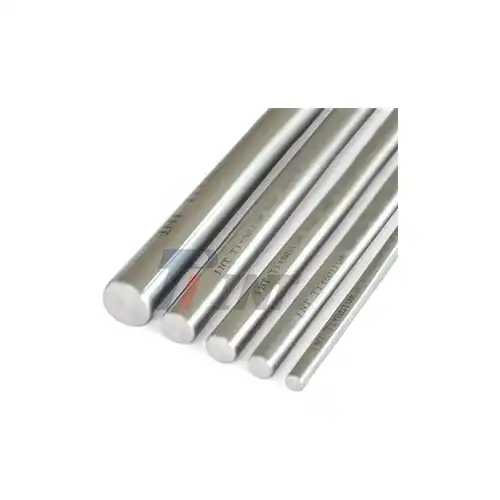
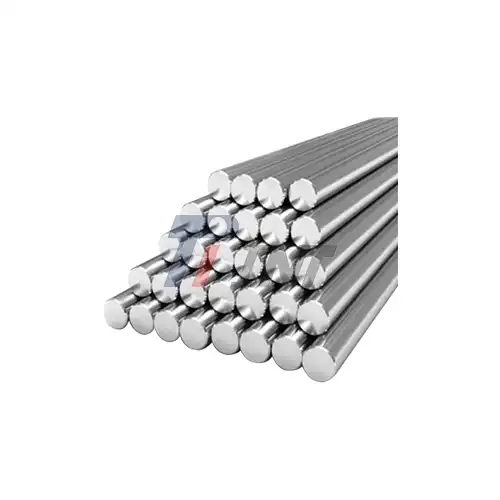
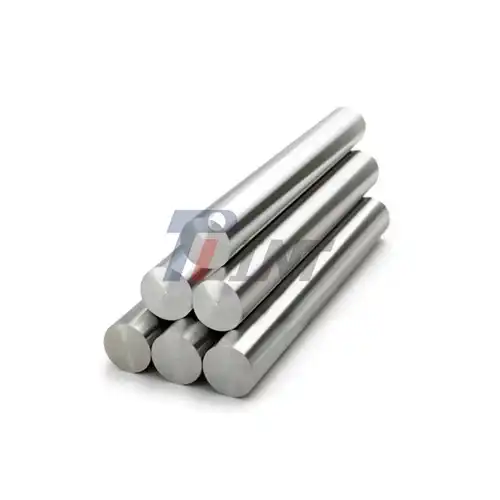
Titanium Implant Bar vs Stainless Steel Rod


 2026-03-04 09:58:18
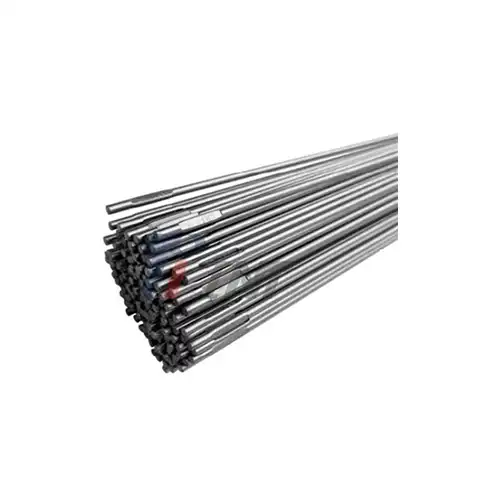
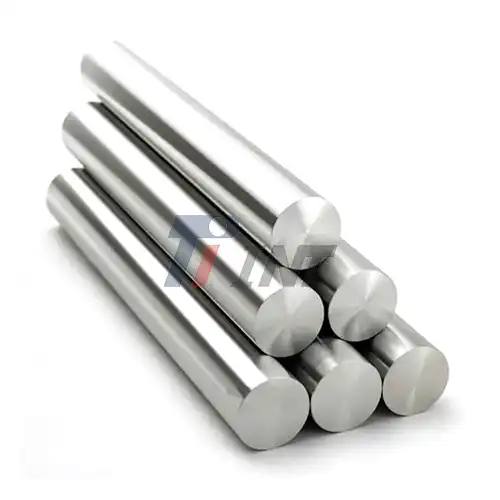
When evaluating titanium implant bar versus stainless steel rod options for medical applications, the choice significantly impacts patient outcomes, manufacturing costs, and long-term performance. The titanium implant bar offers superior biocompatibility, osseointegration capabilities, and corrosion resistance, making it the preferred choice for permanent implantation. While stainless steel rods provide cost-effective solutions for temporary fixation and industrial applications, their material properties present limitations in complex physiological environments where long-term integration and minimal inflammatory response are critical considerations.
|
|
|
Introduction
A lot of the medical device business depends on high-performance materials that can stand up to the harsh conditions of biological habitats and still keep their shape. Titanium implant bars and stainless steel rods are two basic material options that affect how dentistry, orthopedic, and surgical tool manufacturers decide what to buy. For purchasing managers, R&D engineers, and supply chain experts who work with medical device businesses, knowing the subtle differences between these materials is important for making sure that products work well, follow regulations, and don't cost too much.
When choosing materials for medical uses, it's not enough to just compare prices. Choosing between titanium and stainless steel affects how safe the product is for patients, how long it lasts, how it is made, and how it gets approved by regulators. These days, when we buy something, we have to think about the whole cost, which includes the features of the material, how it needs to be processed, quality control rules, and data on how well it worked after it was sold. This in-depth study looks at the important factors that global B2B clients must consider when they need to find products for important medical uses.
Understanding Titanium Implant Bars and Stainless Steel Rods
Precision-engineered parts made of Ti-6Al-4V ELI (Grade 23) or Commercially Pure (CP) Titanium Grade 4 alloys make up medical-grade titanium implant bars. To get the purity levels needed for biological uses, these materials go through vacuum arc remelting methods. Because it can form a solid layer of titanium dioxide oxide that blends perfectly with bone tissue through osseointegration, the titanium implant bar is very biocompatible.
Titanium Material Properties and Applications
Titanium has special properties because of its solid form and chemical make-up. Titanium has a Young's modulus that is very close to that of cortical bone (about 110 GPa). This means that it doesn't protect against stress as well as bone does, which can cause bone loss. Because they work well with other metals, titanium implant bars are perfect for lasting fixation in orthopedic reconstructions, spinal fusion procedures, and oral implantology.
Titanium is biocompatible in more ways than one. It is very resistant to corrosion in biological settings, in addition to its mechanical qualities. Titanium, unlike many other metals, makes a passive oxide layer that stays steady even when the pH level in the body changes. This steadiness stops ion release and metallosis, problems that can happen with other metal devices.
Stainless Steel Rod Characteristics and Uses
316L or 316LVM types of stainless steel are usually used to make rods. These grades have different benefits in medical and industry settings. When compared to titanium, these materials are stronger for their weight and easier to work with. This makes them cheaper options for brief fixation devices, surgery tools, and structural parts that don't need to be implanted permanently.
Because of its magnetic qualities, stainless steel is not a good choice for people who need to go through MRI scans. This is because ferromagnetic materials can mess up images and be dangerous in strong magnetic fields. However, the material is well-suited for complicated shapes and large-scale production because it is easy to shape and can be made using well-known methods.
Comparative Analysis: Titanium Implant Bar vs Stainless Steel Rod
When you look at how well titanium implant bars and stainless steel rods work in a number of areas that are important for making medical devices and using them in patients, you can see how they are fundamentally different. Knowing these differences helps people who work in buying make smart choices based on the needs of the application and government rules.
Biocompatibility and Tissue Response
Through a number of different processes, titanium is better at being biocompatible than stainless steel. The titanium implant bar helps the bone and implant connect directly without the growth of fibrous tissue. This is called osseointegration. Titanium implants have been shown in clinical tests to have better success rates and less inflammatory responses than stainless steel implants.
While stainless steel is usually fine for short-term use, it can release nickel and chromium ions over time, which could cause allergic reactions in people who are sensitive. Because the material is biocompatible, it can be used for brief fixation devices and surgery tools. However, it is not as good for permanent implantation, where long-term tissue compatibility is very important.
Mechanical Performance and Fatigue Resistance
When these materials are loaded and unloaded over and over again, which is common in medical uses, their mechanical features show clear performance characteristics. Titanium alloys are very resistant to wear. For example, Ti-6Al-4V ELI has endurance limits that allow it to be implanted for a long time without breaking. The titanium implant bar keeps its shape after millions of loading cycles, which is very important for uses that need to handle repeated stress.
Stainless steel bars have a higher final tensile strength than titanium alloys, so they can be used in situations where the most weight needs to be carried. However, the higher elastic stiffness of the material can cause stress concentration points when used in bone fixation uses. This could cause problems like stress shielding and slower healing.
Corrosion Resistance and Longevity
Titanium is much more resistant to corrosion than stainless steel when it comes to living settings. The natural development of a titanium dioxide layer protects very well against electrochemical breakdown, even when there are inflammatory conditions that can lower pH levels in the area. This resistance to rust directly leads to longer-lasting implants and fewer surgeries to replace them.
While stainless steel's resistance to corrosion is good enough for many uses, it can be harmed by crevice corrosion and pitting in harsh biological conditions. Galvanic rusting can happen when the material comes into touch with metals that are not the same, so this needs to be carefully thought out in implant systems with more than one part.
Procurement Insights: Choosing the Right Material for Your Business Needs
To choose the right materials strategically, you need a thorough review system that takes into account technical performance, legal standards, cost, and the reliability of the supply chain. When considering long-term implantable devices, the proven biocompatibility and osseointegration of titanium implant bars make them a frequent choice despite higher initial costs. Professionals in procurement have to make decisions based on complicated decision trees that take into account both short-term manufacturing needs and the long-term lifecycle of a product.
Regulatory Compliance and Certification Requirements
The choice of material has a big effect on the approval processes and safety standards in global markets. Most of the time, titanium implant bars need to be certified to ISO 5832-3 (Ti-6Al-4V ELI) or ISO 5832-2 (CP Titanium) standards, as well as having FDA 510(k) clearance or CE marking for European markets. These rules and regulations require certain qualities of materials, controls during production, and quality assurance procedures; these affect the choice of provider and the cost of buying things.
For medical use, stainless steel products must meet ASTM F138 or ISO 5832-1 norms. Even though these requirements are well-known and providers generally understand them, titanium is becoming more and more popular for permanent implant uses because it is better at integrating with the body.
Supply Chain Considerations and Risk Management
The global supply chain for medical-grade titanium gives buying teams both new problems to solve and new chances to make money. Specialized manufacturing needs and a small pool of suppliers create relationships that need careful risk management strategies. But well-known providers like Baoji INT Medical Titanium Co., Ltd. offer full material certifications, tracking paperwork, and expert support that lower the risks in the supply chain.
Stainless steel supply lines give manufacturers more choices in suppliers and ways to make things, which could lower costs and shorten wait times. It is important to carefully weigh the pros and cons of saving money on materials versus improving technical performance, taking into account the needs of the application and any rules that apply.
Cost Analysis and Total Ownership Considerations
Titanium materials are more expensive at first than stainless steel materials, but when you add up all the costs, titanium is often the better choice for permanent implants. Value promises that go beyond material costs include fewer surgeries that need to be redone, longer product lifecycles, and better patient results.
The total cost is also affected by how each material is made because they have different processing needs, equipment issues, and quality control rules. Titanium's high rust resistance means that it doesn't need to be coated as much, and stainless steel's high machinability can lower the cost of making parts with complicated shapes.
Practical Application Scenarios and Case Studies
In the real world, examples show how decisions about which materials to use can affect different types of medical devices. These case studies show how titanium implant bars and stainless steel rods work in real-life settings like hospitals and factories.
Dental Implant Applications
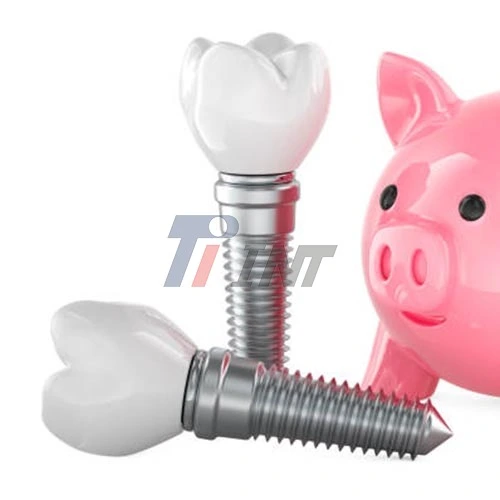
Clinical data from dental implant studies constantly show that titanium implant bars are better for lasting restorations. Long-term follow-up studies that last 10 to 20 years show that titanium tooth implants have success rates of more than 95%, with osseointegration happening normally in a wide range of patient groups. Long-term practical success is helped by the material's ability to keep its shape and stop bacteria from growing on it.
A thorough study of how implants fail shows that problems due to the material are much less common with titanium than with other materials. Because the titanium implant bar doesn't easily wear crack or break down due to corrosion, it can last longer in the harsh mouth environment.
Orthopedic and Spinal Applications
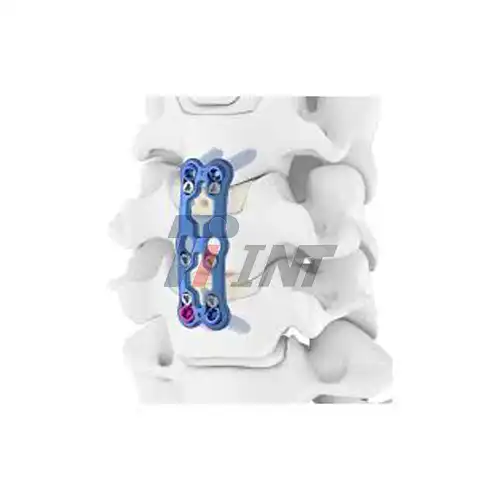
The mechanical benefits of titanium metals in load-bearing implant systems are shown in orthopedic uses. Spinal fusion hardware made from Ti-6Al-4V ELI integrates well with vertebral bone, supporting solid union while keeping the right amount of flexibility to avoid neighboring segment degeneration. The radiolucency of the material also makes imaging and tracking easier after surgery.
When the device is going to be taken out, stainless steel rods may be used for temporary fixation uses like fracture stabilization plates and screws. Although stainless steel is cheaper than other materials, it may not be the best choice for these uses because it can stick to tissues, making removal more difficult.
Industrial and Manufacturing Considerations
When making a lot of something, material choice is often affected by how efficiently it can be made. Because stainless steel is easy to machine and has well-established processing settings, it can cut down on the cost and time needed to make complicated parts. But titanium's better resistance to rust may make the extra processing costs worth it for important uses.
The quality control needs for different materials are very different. For example, titanium needs special checking and handling methods to keep it intact. These things need to be taken into account when planning production and judging a supplier's abilities.
Conclusion
When you look at titanium implant bars and stainless steel rods side by side, you can see that each has its own specific benefits that depend on the application. Titanium is the best material for permanent implants that need to be able to integrate with the body over time with little tissue reaction because it is biocompatible, osseointegrates well, and doesn't rust. Stainless steel bars are a cheap way to fix things temporarily and in industrial settings where their mechanical qualities and ease of manufacture are useful. When making purchases, people should think about the total cost of ownership, government rules, and clinical performance data to choose the best materials for the job and make sure they work well in tough medical settings for a long time.
FAQ
Which material offers better long-term durability for implant applications?
Long-term longevity of the titanium implant bar is better in living settings because it is very resistant to corrosion and fatigue. Titanium implants have been used in patients for decades and have been shown to keep their structural stability and biological compatibility for long periods of time. The material can create a solid oxide layer that stops it from breaking down, even in harsh bodily conditions. It can also withstand millions of loading cycles without breaking.
Are there compatibility issues between titanium implant bars and stainless steel components?
When titanium implant bars come into close touch with stainless steel parts in a body environment, galvanic corrosion can happen. The difference in electrical potential between these materials makes corrosion cells, which can speed up the breakdown of materials and the release of ions. To avoid these interaction problems, medical device designers should keep titanium and stainless steel parts from touching each other directly.
What are the cost implications of choosing titanium over stainless steel for medical device manufacturing?
Titanium materials usually cost three to five times more than stainless steel materials of the same quality, but for permanent implants, the total cost of ownership often makes titanium the better choice. Value promises like lower rates of revision surgery, longer product lifecycles, and better health results make up for higher material costs. Cost studies that look at the whole process of production must take into account things like special processing needs and quality control rules.
Partner with Baoji INT Medical Titanium Co., Ltd. for Superior Titanium Solutions
Baoji INT Medical Titanium Co., Ltd. has been making medical-grade titanium products for 30 years and can help medical device makers who need approved titanium implant bars. Our wide range of products includes Ti-6Al-4V ELI and CP titanium types that are made to meet ISO 13485:2016 and FDA quality standards. This makes sure that all regulations are met for markets around the world. As a reliable titanium implant bar maker, we offer full traceability documents, technical support, and custom processing services that make it easier for you to buy what you need. Get in touch with our expert team at export@tiint.com to talk about your unique material needs and find out how our tried-and-true titanium solutions can help your product work better and get better regulatory approval.
References
1. Branemark, P.I., et al. "Osseointegration and its experimental background." Journal of Prosthetic Dentistry, vol. 50, no. 3, 1983, pp. 399-410.
2. Williams, D.F. "Biocompatibility of Clinical Implant Materials: Volume I." CRC Press, Boca Raton, 1981.
3. Steinemann, S.G. "Titanium - the material of choice?" Periodontology 2000, vol. 17, 1998, pp. 7-21.
4. Long, M., Rack, H.J. "Titanium alloys in total joint replacement - a materials science perspective." Biomaterials, vol. 19, no. 18, 1998, pp. 1621-1639.
5. Niinomi, M. "Mechanical biocompatibilities of titanium alloys for biomedical applications." Journal of the Mechanical Behavior of Biomedical Materials, vol. 1, no. 1, 2008, pp. 30-42.
6. Geetha, M., et al. "Ti based biomaterials, the ultimate choice for orthopaedic implants - A review." Progress in Materials Science, vol. 54, no. 3, 2009, pp. 397-425.
_1755062427525.png)
_1751957234428.webp)
_1750662435585.webp)