



How to Choose the Right Medical Grade Titanium Rods


 2026-03-24 08:42:59
To pick the right Medical Grade Titanium Rods, you need to know the different qualities, uses, and standards for quality that set medical-grade materials apart from regular industrial titanium. These high-precision cylinder-shaped bars were made to be used in biomedical settings. They have great biocompatibility, corrosion resistance, and mechanical qualities that are needed for surgical implants, dental fixings, and medical instruments. To make sure the best performance in tough medical settings, the selection process looks at material grades, source approvals, manufacturing standards, and application-specific needs.
|
|
|
Understanding Medical Grade Titanium Rods: Properties and Applications
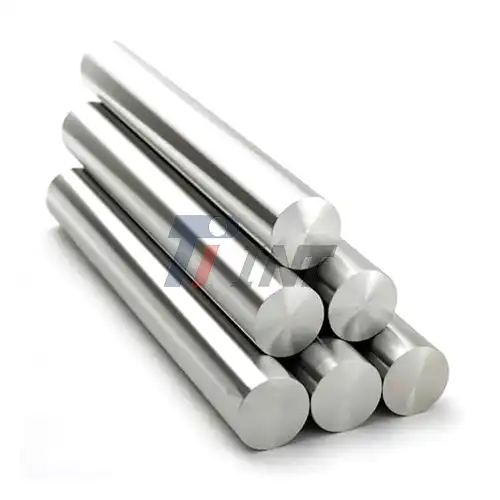
Medical grade titanium rods are made from a special kind of safe material that was designed to be used in making medical devices. Following strict ASTM F136 and ISO 5832-3 guidelines, these round bars are mostly made from Ti-6Al-4V ELI (Grade 23) or Commercially Pure titanium (Grades 1–4).
Key Properties That Define Medical Grade Excellence
The technical description of these pieces is unique because of the unique properties of their materials. They have a density of 4.43 g/cm³, which is the best ratio for strength to weight. Their tensile strength is at least 860 MPa, and their yield strength is at least 795 MPa. The carefully controlled intermediate elements, such as having an oxygen content below 0.13% and an iron content below 0.25%, make the material more resistant to breaking and wearing down.
One of the benefits of biocompatibility is that the material can make a self-healing oxide layer (TiO2) that protects the rods from body fluids. This inactive layer stops the release of metal ions and removes the risk of immune rejection. This solves important problems related to metallosis and tissue inflammation that can happen with other metal implants.
Primary Medical Applications
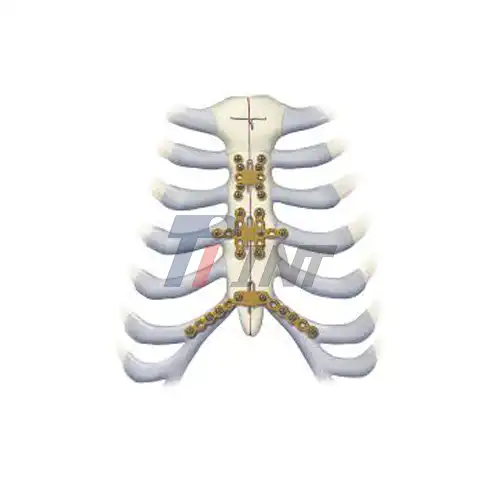
One of the most difficult uses for these materials is in spinal fusion devices. In this case of dynamic loading, the rods must be able to survive millions of micro-motion cycles without breaking down from fatigue while still being flexible enough for doctors to shape them during surgery. The unique microstructure of the material, which is usually equal parts Alpha and Beta, makes it very resistant to fails caused by repeated loads.
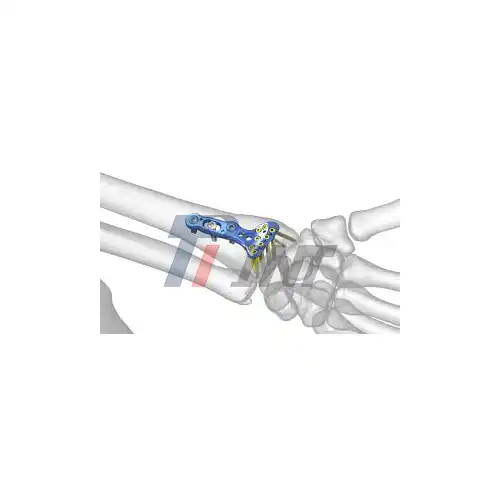
Orthopedic intramedullary nails are another important example of a high-load situation that needs top performance. Medical-grade rods were used to make these hollow nails, which hold broken femur or tibia bones in place while the patient recovers. Compared to stainless steel, which has a high elastic stiffness (about 200 GPa), titanium has a low one (about 110 GPa). This lowers the stress buffering effects that can cause bone loss around implant sites.
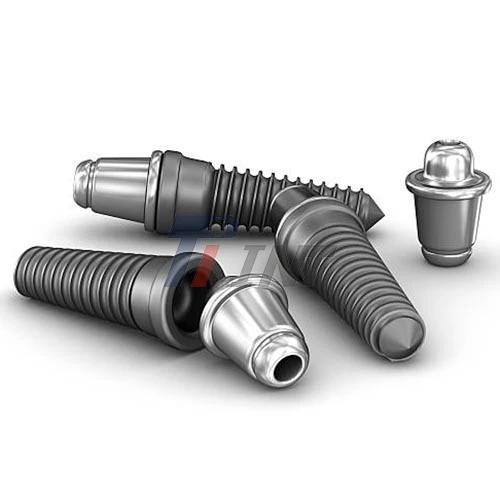
Dental implant abutments need to be made of materials that can handle the mouth's acidic and basic pH levels while also making it easier for soft tissue to adhere. Medical grade titanium rods are perfect for making these important parts that connect dental fixtures and crowns because they don't rust and have good surface qualities.
Criteria for Choosing the Right Medical Grade Titanium Rods
To choose the right Medical Grade Titanium Rods, you need to use a methodical evaluation process that balances technical needs with supply chain and legal concerns. Several important factors that directly affect product performance and patient safety play a role in the decision-making process.
Material Grade Selection Based on Application
Ti-6Al-4V ELI (Grade 23) is the best material for high-stress situations that need the most strength and resistance to wear. This extra low interstitial version is better at bending and breaking than normal Ti-6Al-4V. This means it can be used for load-bearing implants like spinal rods and orthopedic hardware. Commercially Pure titanium types (1–4) have different mechanical qualities but are all biocompatible. The strongest pure grade of titanium is Grade 4 CP, which also has the best corrosion protection. This makes it ideal for dental uses and less demanding structural parts.
Mechanical Property Requirements
Tensile strength needs are very different depending on the purpose. For spinal instrumentation, materials need to have a maximum tensile strength of more than 860 MPa. However, smaller values may be acceptable in dental uses where biocompatibility and corrosion protection are more important. In situations with dynamic stress, fatigue strength is very important. For uses involving repeated stress cycles, like spine rods that are moved every day for decades after being implanted, the endurance limit for medical grade titanium rods should be higher than 500 MPa.
Surface Finish and Dimensional Tolerances
It is common to ask for centerless ground finishing with h7/h9 tolerances so that high-speed CNC cutting can start right away without any extra surface preparation. This accuracy gets rid of the hard alpha case layer that can form during processing, making sure that the surface stays intact and can be machined.
Comparing Medical Grade Titanium Rods with Alternatives
Knowing the competition helps buying workers make smart choices when looking at different materials for making medical devices. When used in certain situations, Medical Grade Titanium Rods are clearly better than other materials.
Titanium vs. Stainless Steel Performance
Even though stainless steel rods are cheaper at first, they can't be used in all medical situations. Steel has a higher elastic modulus, which can lead to stress shielding. This is when the implant takes too much weight, which can cause bone loss nearby and the implant to become free over time. Nickel in stainless steel metals can also cause allergies in people who are sensitive.
Patients who need MRI imaging after treatment benefit greatly from titanium's non-ferromagnetic qualities. Stainless steel can change the quality of images and even get hot during magnetic resonance processes, but titanium can still be used with all medical imaging methods.
Pure Titanium vs. Titanium Alloys
While pure titanium types are biocompatible and resistant to corrosion, they might not be strong enough for high-load uses. Ti-6Al-4V alloys have higher strength-to-weight ratios, which makes them good for demanding structural uses. They can also be biocompatible by carefully controlling the intermediate elements.
Cost-Effectiveness Analysis
Medical grade titanium costs more than other materials at first, but lifetime cost analysis often shows that titanium options are better in the long run. The high resistance to rust and biocompatibility lower the risks of repeat surgery, which lowers the overall cost of healthcare. The material's ability to be machined and finished can also cut down on production time and waste, making the whole process more efficient.
Manufacturing Excellence: How Medical Grade Titanium Rods Are Made
Advanced metallurgy methods are used to make sure that the quality and dependability of Medical Grade Titanium Rods are always the same. Knowing about these steps helps people who buy things judge the skills of suppliers and follow the rules for quality control.
Raw Material Sourcing and Processing
The starting material is high-quality titanium sponge that comes from approved sellers that can be tracked back to their sources. Vacuum Arc Remelting (VAR) or Electron Beam (EB) methods are often used in the melting process to get rid of flaws and make sure that the ingot has the same chemical makeup all the way through. Multiple remelting processes make sure that the chemicals are all the same and stop segregation, which could hurt the mechanical qualities. This controlled atmosphere handling keeps interstitial elements from getting contaminated, which could hurt biocompatibility and flexibility.
Forming and Heat Treatment Operations
Forging, rolling, and casting are all types of hot works that shape the material while fine-tuning its microstructure. Controlled deformation factors and temperature patterns improve the structure of the grains and their mechanical qualities. This makes sure that all production runs perform the same way. To get the desired mechanical qualities while keeping the surface quality, heat treatment processes need to carefully control the temperature and the atmosphere. Beta annealing and controlled cooling can be used to get the best mix of strength and flexibility for certain uses.
Quality Assurance and Testing Protocols
International standards like ASTM F136 and ISO 5832-3 are checked against detailed testing procedures. Chemical analysis proves that the makeup is within certain limits, and mechanical testing proves that the material has the right tensile qualities, fatigue strength, and crack toughness. Biocompatibility testing according to ISO 10993 guidelines makes sure that materials are safe for placement in humans. These tests look at cytotoxicity, sensitivity, and systemic toxicity to make sure the drug is safe for a wide range of patients.
Procurement Strategies: Sourcing Medical Grade Titanium Rods
To get Medical Grade Titanium Rods that are of stable quality, at low prices, and on time, you need to carefully evaluate and handle your relationships with suppliers. The strict rules of the medical device business mean that suppliers must be carefully chosen and partnerships must be constantly built.
Supplier Qualification and Certification Requirements
Certification to ISO 13485:2016 is the most important thing that medical device quality control systems must have. Suppliers must show that they can handle all aspects of quality management, including design rules, risk management, and monitoring after the product has been sold. More certifications, like ISO 9001:2015 for general quality management and CE marks for compliance with European market rules, give buyers trust in the supplier's skills. Suppliers that sell to the US market may need to be registered with the FDA to make sure they follow American laws and rules.
Evaluating Manufacturing Capabilities
When figuring out production capacity, you have to look at how well the equipment works, how much is being made, and how consistent the lead times are. Suppliers should show that they can handle both small batches of prototypes for research projects and large batches of finished goods for business production. When OEM uses need particular sizes, tolerances, or surface finishes, the ability to customize becomes very important. Suppliers that offer full cutting services can make supply chains more efficient and make buying things easier.
Supply Chain Risk Management
Geographic diversity lowers the risk of supply disruptions while keeping quality standards high. Multiple qualified providers in different areas provide supply security for important uses that need to keep getting materials. Using vendor-managed inventory or consignment deals as part of an inventory management strategy can help you save money on working capital while still making sure you have the materials you need for your production plans.
Conclusion
To choose the right Medical Grade Titanium Rods, you need to carefully look at the properties of the material, the skills of the provider, and the needs of the application. Biocompatibility, mechanical strength, and resistance to corrosion are all qualities that make these materials important for making current medical devices. To be successful, you need to know the technology specs, legal requirements, and supply chain issues that need to be taken into account to get the best results in tough medical situations. Procurement pros can find reliable sources of high-quality titanium materials that meet strict medical industry standards by working with qualified sellers and using thorough evaluation criteria.
FAQ
What distinguishes medical grade titanium from standard industrial titanium rods?
When it comes to interstitial elements like oxygen, carbon, and nitrogen, medical grade titanium is subject to tighter quality rules. To make sure these materials are safe for human insertion, they must meet strict biocompatibility standards set by ISO 10993 and keep tighter chemical composition limits.
How does corrosion resistance impact the performance of titanium rods in medical applications?
Medical grade titanium doesn't rust, so metal ions don't get into body fluids. This keeps metallosis and tissue damage from happening. This feature makes sure that the implant stays stable and works well with the body for as long as the device is used.
Which certifications should I verify when selecting a titanium rod supplier?
Some important certificates are ISO 13485:2016 for managing the quality of medical devices, ASTM F136 compliance for Ti-6Al-4V ELI materials, and ISO 5832-3 for implant materials. Depending on the market you want to reach, you may need to get extra certifications like CE marking and FDA registration.
Partner with Baoji INT Medical Titanium Co., Ltd. for Premium Medical Grade Titanium Rod Solutions
With over 20 years of experience and ISO 13485:2016 approval, Baoji INT Medical Titanium Co., Ltd. is a reliable company that makes medical-grade titanium rods. We are experts at making high-precision Ti-6Al-4V ELI and commercially pure titanium bars that meet the strict standards set by ASTM F136 and ISO 5832-3. Our advanced production and quality control systems make sure that you always get biocompatible materials for your important medical device uses. Email our skilled staff at export@tiint.com to talk about your specific needs and get detailed quotes for your next project.
References
1. American Society for Testing and Materials. "Standard Specification for Wrought Titanium-6Aluminum-4Vanadium ELI Alloy for Surgical Implant Applications (UNS R56401)." ASTM F136-13.
2. International Organization for Standardization. "Implants for Surgery - Metallic Materials - Part 3: Wrought Titanium 6-Aluminum 4-Vanadium Alloy." ISO 5832-3:2016.
3. Brunette, Donald M., et al. "Titanium in Medicine: Material Science, Surface Science, Engineering, Biological Responses and Medical Applications." Springer-Verlag Berlin Heidelberg, 2001.
4. Rack, Henry J., and Quesnel, Diane J. "Titanium Alloys for Biomedical Applications." Materials Science and Engineering C, Vol. 26, 2006, pp. 1269-1277.
5. International Organization for Standardization. "Biological Evaluation of Medical Devices - Part 1: Evaluation and Testing Within a Risk Management Process." ISO 10993-1:2018.
6. Niinomi, Mitsuo. "Mechanical Biocompatibilities of Titanium Alloys for Biomedical Applications." Journal of the Mechanical Behavior of Biomedical Materials, Vol. 1, 2008, pp. 30-42.
_1752818317695.webp)
_1752462890412.webp)