

How to cut titanium rod


 2026-03-24 08:43:01
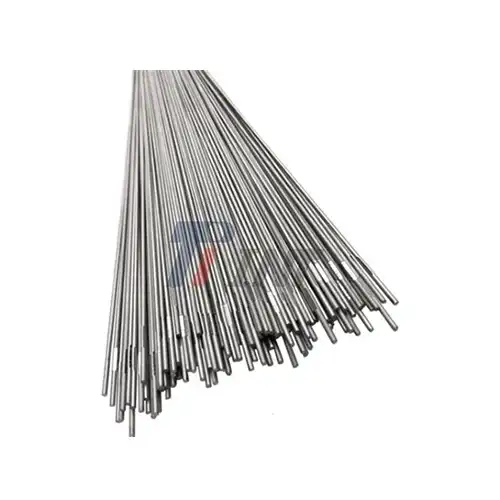
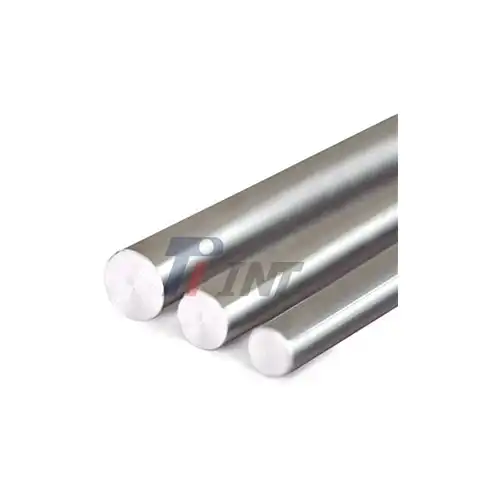
Cutting medical grade titanium rod requires specialized techniques and equipment due to its unique properties of exceptional hardness, biocompatibility, and thermal sensitivity. Unlike conventional metals, titanium demands precise cutting parameters, appropriate tool selection, and careful temperature management to maintain material integrity and surface quality essential for medical applications.
|
|
|
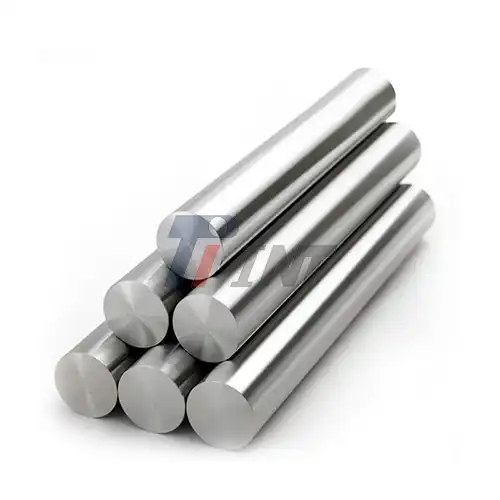
Understanding Medical Grade Titanium Rods Before Cutting
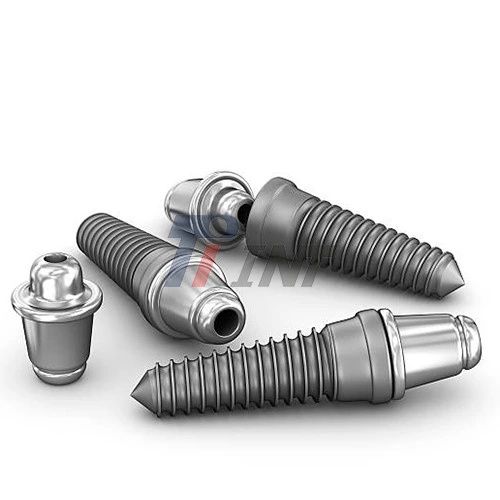
Medical review titanium bar is one of the most progressed materials utilized in present day fabricating. It is particularly valuable for making surgical inserts and other exact therapeutic gadgets. These uncommon poles are exceptionally biocompatible, which implies they won't harmed the tissue when they're embedded for a long time. Erosion resistance built into the fabric makes it final in intense organic conditions, and its mechanical quality is on standard with steel's at a much lower weight.
Material Grades and Specifications
Different sorts of titanium are utilized for diverse therapeutic assignments. Review 1 titanium is the most grounded and slightest likely to rust. It is great for plates and screws. Review 2 highlights are reasonable sufficient for common therapeutic utilize. When it comes to load-bearing equipment like hip joints and spine plates, Review 5 (Ti-6Al-4V) is the most grounded. Since of its quality and metal cosmetics, each review needs a distinctive way to be cut.
Applications in Medical Manufacturing
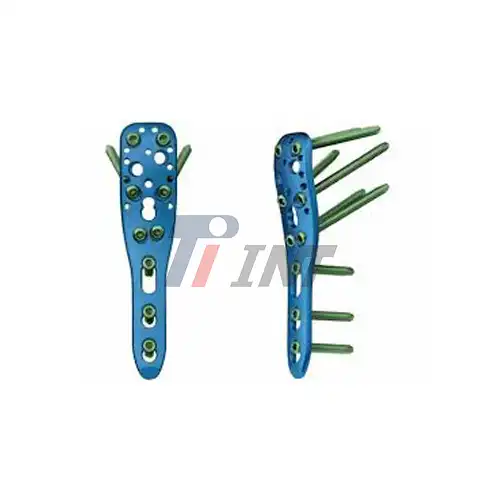
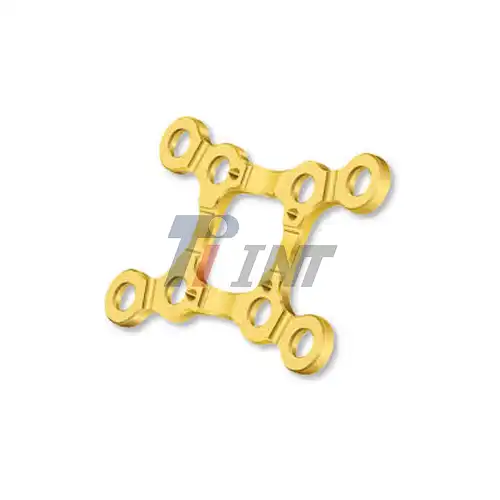
A part of distinctive sorts of therapeutic gadgets utilize titanium poles. These incorporate hip inserts, dental fixings, surgery devices, and heart gadgets. Since of their extraordinary qualities, makers can make parts that are light but solid and that fit in superbly with human tissue. The reality that the fabric is not attractive moreover implies that it can be utilized with MRI imaging, which increments its restorative uses.
Advantages Over Alternative Materials
Titanium is way better for biocompatibility and less likely to cause unfavorably susceptible reactions than stainless steel. Titanium is not like ceramics in that it has incredible breaking hardness and wear resistance. Since of these benefits, titanium is the best fabric for therapeutic employments where a disappointment seem have perilous effects.
Challenges and Considerations When Cutting Titanium Rods
Cutting titanium presents special fabricating challenges that require cautious thought and specialized approaches. The material's low thermal conductivity causes heat to accumulate during machining, which can lead to work hardening and accelerated tool wear. Understanding these challenges enables manufacturers to develop more effective cutting strategies and maintain consistent quality. These considerations are particularly important when processing medical grade titanium rods, where precision, surface integrity, and strict material standards are essential for applications such as surgical implants and biomedical devices.
Thermal Management Issues
When cutting titanium, the warm that is made is exceptionally perilous to the material's structure. As well tall of a temperature can alter the nanoscale, making it less biocompatible and influencing its pliable qualities. Surface rust happens when warm control isn't done well, which makes contamination that makes therapeutic employments less secure. To keep the quality of the cuts, you require cooling frameworks that work well.
Tool Wear and Selection
Titanium's unpleasantness speeds up instrument wear, which raises costs and brings down the quality of the wrap up. Most of the time, carbide apparatuses work way better than high-speed steel apparatuses, and cleaned apparatuses final longer. Geometry of the instrument is exceptionally imperative. Sharp cutting edges and positive rake points lower cutting strengths and warm production.
Surface Quality Requirements
Medical employments require exceptionally high-quality surfaces to keep microscopic organisms from staying and to make beyond any doubt that tissues coordinated appropriately. Details for surface harshness as a rule call for Ra values less than 0.8 micrometers. To meet these guidelines, you require to utilize exact cutting variables and the right wrapping up methods.
Step-by-Step Guide: How to Cut Medical Grade Titanium Rods Efficiently?
To cut titanium well, you need to plan and do things in a methodical way. This all-around method makes sure uniform results while cutting down on waste and output delays.
Preparation and Setup
In titanium cutting processes, the first step is to check the material. Check the rod's size, health, and licensing paperwork to make sure they meet medical standards. Fixtures that reduce shaking and provide enough support should be used to properly secure workpieces. To get rid of dirt and other things that could affect the quality of the cut, clean all surfaces.
Tool Selection and Parameters
Choose cutting tools specifically designed for titanium applications. Here are the recommended specifications for optimal performance:
• Carbide cutting tools with sharp, positive rake angles reduce cutting forces
• Cutting speeds between 50-150 surface feet per minute prevent overheating
• Feed rates of 0.002-0.010 inches per revolution maintain surface quality
• Flood coolant systems provide continuous heat removal during cutting
These parameters represent starting points that require adjustment based on specific rod dimensions and cutting operations. Proper parameter selection directly impacts surface finish, dimensional accuracy, and tool life in medical grade titanium rod applications.
Cutting Execution and Monitoring
When used correctly, laser cutting leaves thin kerfs and few heat-affected areas. Cutting with a water gun completely gets rid of heat effects, but it takes longer to cut. Electrical Discharge Machining, or EDM, can make complex internal shapes but can't make materials very thick.
Post-Cutting Operations
Remove burrs and sharp edges using appropriate deburring techniques. Clean cut surfaces with approved solvents to remove cutting fluid residues. Inspect dimensional accuracy using precision measuring instruments. Document all cutting parameters and inspection results for quality traceability.
How to Choose the Right Cutting Method for Your Specific Needs
Selecting appropriate cutting methods depends on multiple factors including rod dimensions, production volume, and precision requirements. Each cutting approach offers distinct advantages for specific applications.
Mechanical Cutting Methods
Band saws provide cost-effective solutions for basic cutting operations. Circular saws offer higher cutting speeds but require careful blade selection and cooling. Abrasive cutting generates minimal cutting forces but produces wider kerfs and potential contamination issues.
CNC Machining Approaches
CNC milling delivers precise dimensional control and excellent surface finish. Programming flexibility allows complex geometries and automated production. However, setup costs and programming time may limit cost-effectiveness for simple cutting operations.
Advanced Cutting Technologies
Laser cutting provides narrow kerfs and minimal heat-affected zones when properly controlled. Water jet cutting eliminates thermal effects entirely but requires longer cutting times. EDM (Electrical Discharge Machining) enables complex internal geometries but limits material thickness capabilities.
Selection Criteria Evaluation
Consider production volume, precision requirements, and budget constraints when selecting cutting methods. Prototype quantities often justify advanced technologies, while production runs may favor conventional approaches. Evaluate total cost including setup, tooling, and post-processing requirements.
Optimizing Procurement and Supply Chain for Medical Grade Titanium Rods
Effective procurement strategies ensure reliable access to quality medical grade titanium rod materials while managing costs and delivery schedules. Success requires understanding supplier capabilities, certification requirements, and market dynamics.
Supplier Qualification and Assessment
Qualified suppliers maintain ISO 13485 certification for medical device manufacturing. Verify material certifications including ASTM F67, F136, or F1472 standards as appropriate. Assess supplier experience in medical applications and their quality management systems. Review customer references and audit reports to validate supplier capabilities.
Quality Assurance and Documentation
Medical applications request total fabric traceability from crude fabric to wrapped up item. Providers ought to give comprehensive test certificates archiving chemical composition, mechanical properties, and surface condition. Set up approaching assessment strategies to confirm fabric compliance with specifications.
Supply Chain Risk Management
Diversify provider base to diminish reliance dangers whereas keeping up quality benchmarks. Set up key stock levels to buffer against supply disturbances. Screen showcase conditions and crude fabric accessibility to expect potential challenges. Create possibility plans for basic fabric shortages.
Cost Optimization Strategies
Leverage volume commitments to arrange favorable estimating whereas keeping up adaptability. Consider cover orders with planned discharges to adjust stock costs with cost focal points. Assess add up to fetched of possession counting transportation, taking care of, and quality costs or maybe than centering exclusively on fabric prices.
Conclusion
Cutting medical grade titanium rod successfully requires understanding material properties, selecting appropriate cutting methods, and implementing proper techniques. The combination of thermal management, tool selection, and cutting parameters determines final part quality and manufacturing efficiency. Effective procurement strategies ensure reliable material supply while managing costs and quality requirements. By following these guidelines, manufacturers can achieve consistent results in titanium cutting operations while maintaining the high standards required for medical applications.
FAQ
What cutting tools work best for titanium rods?
Carbide cutting tools with sharp, positive rake angles perform best for titanium cutting. Coated carbide tools extend service life, while ceramic tools offer advantages for specific applications. Avoid high-speed steel tools due to rapid wear and poor performance characteristics.
How does cutting affect biocompatibility of medical titanium?
Proper cutting techniques maintain biocompatibility by preventing surface contamination and preserving material properties. Excessive heat during cutting can create oxide layers that may affect tissue integration. Following recommended cutting parameters and post-processing procedures ensures biocompatibility retention.
What are the cost differences between cutting methods?
Band sawing offers the lowest per-cut cost but limited precision. CNC machining provides superior accuracy at higher costs. Laser and water jet cutting deliver excellent quality but require higher equipment investments. Consider total production costs including setup, tooling, and finishing operations.
How do I maintain dimensional accuracy when cutting titanium?
Use rigid fixturing systems to minimize workpiece deflection during cutting. Maintain sharp cutting tools to reduce cutting forces. Control cutting temperatures through proper coolant application. Implement in-process measurement systems to monitor dimensional changes during cutting operations.
Partner with Baoji INT Medical Titanium Co., Ltd. for Superior Solutions
Baoji INT Medical Titanium Co., Ltd. stands as your trusted medical grade titanium rod manufacturer with over 20 years of specialized experience in medical titanium materials. Our comprehensive product line includes Grade 1, Grade 2, and Ti-6Al-4V ELI rods in various specifications, all certified to ISO 13485:2016 and CE standards. We provide complete technical support including cutting recommendations, material selection guidance, and quality documentation for seamless integration into your manufacturing processes. Contact our technical team at export@tiint.com to discuss your specific requirements and receive customized solutions that meet your exact specifications and delivery schedules.
References
1. Boyer, R. R. "An Overview on the Use of Titanium in the Aerospace Industry." Materials Science and Engineering A, Volume 213, 1996.
2. Geetha, M., Singh, A. K., Asokamani, R., Gogia, A. K. "Ti Based Biomaterials: The Ultimate Choice for Orthopaedic Implants - A Review." Progress in Materials Science, Volume 54, 2009.
3. Machado, A. R., Wallbank, J. "Machining of Titanium and Its Alloys - A Review." Proceedings of the Institution of Mechanical Engineers Part B, Volume 204, 1990.
4. Peters, M., Kumpfert, J., Ward, C. H., Leyens, C. "Titanium Alloys for Aerospace Applications." Advanced Engineering Materials, Volume 5, 2003.
5. Rack, H. J., Qazi, J. I. "Titanium Alloys for Biomedical Applications." Materials Science and Engineering C, Volume 26, 2006.
6. Veiga, C., Davim, J. P., Loureiro, A. J. R. "Properties and Applications of Titanium Alloys: A Brief Review." Reviews on Advanced Materials Science, Volume 32, 2012.
_1753426579714.webp)
_1755495780573.jpg)
_1755061801114.png)