

How to Choose the Right Titanium Bar for a Surgical Application


 2026-03-25 16:04:33
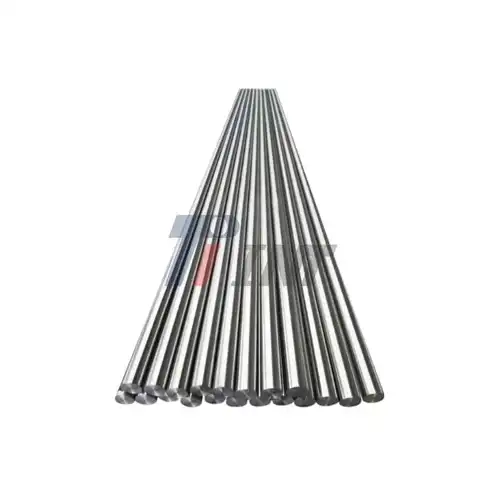
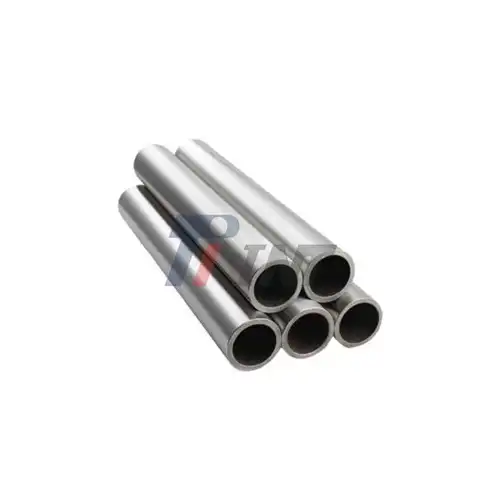
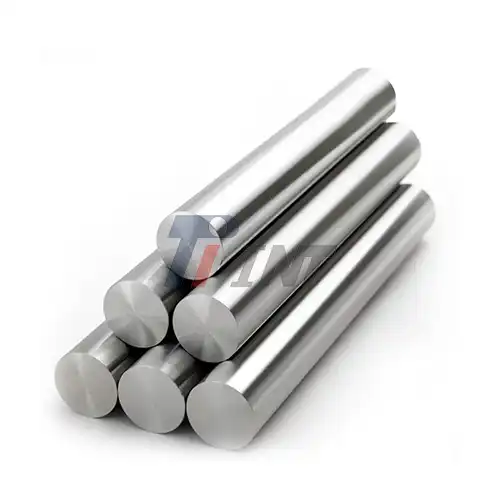
Choosing the right titanium bar for surgical applications involves understanding material properties, compliance standards, and specific application requirements. The Gr 2 Pure Titanium Medical Bar stands out as the industry's gold standard for non-load-bearing medical devices due to its exceptional biocompatibility, corrosion resistance, and formability. This commercially pure titanium grade offers optimal balance between moderate strength and high ductility, making it ideal for surgical instruments, dental components, and implants where patient safety and material reliability are paramount.
|
|
|

Understanding Grade 2 Pure Titanium Medical Bars
Grade 2 pure titanium represents the cornerstone of medical-grade materials, distinguished by its commercially pure composition and alpha-phase crystalline structure. This unalloyed titanium variant delivers an exceptional balance of moderate strength and high ductility, characteristics that make it indispensable in medical device manufacturing.
Chemical Composition and Purity Standards
The Gr 2 Pure Titanium Medical Bar maintains strict chemical composition limits according to ASTM F67 specifications. The material contains a titanium balance with carefully controlled impurities including nitrogen (≤ 0.03%), carbon (≤ 0.08%), hydrogen (≤ 0.015%), iron (≤ 0.30%), and oxygen (≤ 0.25%). This precise composition eliminates potentially toxic elements like vanadium or aluminum commonly found in other titanium alloys, establishing it as the preferred choice for chemically sensitive biological environments.
Mechanical Properties and Performance Characteristics
Grade 2 titanium therapeutic bars display exceptional mechanical properties that straightforwardly address surgical application necessities. The fabric illustrates a malleable quality least of 345 MPa, surrender quality of 275 MPa, and prolongation of at slightest 20%. These details guarantee solid execution whereas keeping up the adaptability essential for complex surgical strategies. The modulus of flexibility at around 103 GPa closely matches human bone thickness, altogether diminishing push protecting impacts common in embed applications.
Biocompatibility and Safety Standards
The biocompatibility brilliance of Review 2 unadulterated titanium stems from its capacity to shape a unconstrained, self-healing oxide film (TiO2) when uncovered to physiological situations. This defensive layer avoids corruption in the exceedingly destructive conditions inside the human body, counting presentation to blood, real liquids, and changing pH levels. The fabric entirely follows to ISO 5832-2 and ASTM F67 guidelines, guaranteeing compliance with worldwide therapeutic gadget regulations.
Comparing Grade 2 Titanium Bars to Other Materials and Grades
Understanding material comparisons enables informed procurement decisions that directly impact device performance and patient outcomes. Grade 2 titanium's unique properties position it distinctly within the spectrum of available medical materials.
Grade 2 vs. Grade 5 Titanium Analysis
The essential distinction between Review 2 and Review 5 titanium lies in their strength-to-ductility proportions. Review 2 offers prevalent formability with a surrender quality of 275 MPa, making it perfect for applications requiring cold shaping or intraoperative bowing. Review 5 (Ti-6Al-4V) gives higher quality at 860 MPa but contains aluminum and vanadium, which may posture biocompatibility concerns in delicate applications. Acquirement directors ought to consider Review 2 for non-load-bearing components like dental recuperating caps, surgical rebellious, and moldable plates.
Comparison with Stainless Steel and Alternative Metals
When assessed against 316L stainless steel, Review 2 titanium illustrates prevalent erosion resistance and biocompatibility whereas advertising noteworthy weight diminishment at 4.51 g/cm³ compared to steel's higher thickness. The material's non-magnetic properties guarantee MRI compatibility without picture artifacts, a basic thought for patients requiring progressing restorative checking. Not at all like nickel-bearing stainless steels that may cause unfavorably susceptible responses, Review 2 titanium dispenses with biocompatibility dismissal dangers entirely.
Quality Verification and Authentication Methods
Verifying bona fide Review 2 titanium requires comprehensive testing conventions counting chemical investigation through ICP spectroscopy, microstructure assessment per ASTM E112 measures, and ultrasonic testing taking after AMS 2631 details. Obtainment groups ought to request certificates of compliance, process test certificates, and traceability documentation from providers. Surface deformity assessment through whirlpool current testing guarantees bars meet the rigid quality benchmarks vital for therapeutic gadget manufacturing.
Criteria for Selecting the Right Titanium Bar for Surgical Use
Selecting appropriate titanium bars demands careful evaluation of application-specific requirements, regulatory compliance needs, and long-term performance expectations. The decision-making process must balance technical specifications with practical manufacturing considerations.
Mechanical Strength and Flexibility Requirements
Surgical applications require materials that can withstand sterilization cycles, maintain dimensional stability, and provide appropriate mechanical properties for intended use. The Gr 2 Pure Titanium Medical Bar offers excellent cold formability, allowing manufacturers to create complex geometries without work-hardening risks. This characteristic proves especially valuable in maxillofacial applications where surgeons need to contour implants intraoperatively to match patient-specific anatomy.
Regulatory Compliance and Certification Standards
Medical gadget producers must guarantee materials comply with FDA, CE, and ISO measures all through the supply chain. Review 2 titanium bars ought to carry legitimate documentation counting ASTM F67 compliance certificates, ISO 13485 quality administration framework confirmation, and total traceability records. These certifications give the administrative establishment fundamental for restorative gadget endorsement forms and showcase access.
Cost-Quality Balance and Supplier Reliability
Balancing fabric costs with quality prerequisites includes assessing add up to fetched of possession or maybe than beginning buy cost alone. Dependable providers give steady fabric properties, on-time conveyance, and specialized back all through the acquirement handle. The venture in certified Review 2 titanium bars from set up producers decreases long-term dangers related with fabric disappointments, administrative non-compliance, and supply chain disruptions.
How to Procure Grade 2 Pure Titanium Medical Bars Efficiently?
Efficient procurement strategies optimize both cost and quality outcomes while ensuring reliable supply chain performance. Understanding market dynamics and supplier capabilities enables strategic sourcing decisions that support manufacturing objectives.
Identifying Qualified Suppliers and Manufacturers
Successful obtainment starts with distinguishing providers who illustrate comprehensive quality administration frameworks, broad industry encounter, and demonstrated track records in therapeutic titanium generation. Qualified producers ought to keep up ISO 9001:2015 and ISO 13485:2016 certifications, have progressed testing capabilities, and offer total traceability documentation. Provider reviews and office assessments give extra confirmation of fabricating capabilities and quality control processes.
Pricing Models and Volume Purchasing Benefits
Market estimating for Review 2 titanium restorative bars vacillates based on crude fabric costs, handling complexity, and arrange volumes. Bulk acquiring courses of action regularly offer noteworthy fetched preferences through volume rebates, diminished per-unit preparing costs, and optimized shipping coordinations. Long-term supply understandings can give cost soundness and need assignment amid showcase deficiencies whereas supporting generation arranging requirements.
Lead Times and Delivery Optimization
Production lead times for medical-grade titanium bars shift based on detail necessities, wrapping up operations, and provider capacity. Standard breadth bars with common resiliences ordinarily require 4-6 weeks for generation and conveyance, whereas custom details may amplify lead times to 8-12 weeks. Acquirement supervisors ought to set up suitable stock buffers and facilitate conveyance plans with generation arranging to maintain a strategic distance from fabricating disruptions.
Case Studies and Real-World Examples
Real-world applications demonstrate the practical advantages and proven performance of Grade 2 titanium in diverse surgical environments. These examples provide valuable insights for procurement decision-making and application planning.
Dental Implant Component Manufacturing Success
A leading dental device manufacturer transitioned from stainless steel to Gr 2 Pure Titanium Medical Bar for healing abutment production, resulting in improved patient outcomes and reduced inflammatory responses. The material's superior soft tissue response enabled faster healing times and better gingival tissue integration. The manufacturer reported zero material-related failures over 18 months of clinical use, demonstrating the reliability advantages of Grade 2 titanium in demanding oral environments.
Maxillofacial Reconstruction Applications
Surgeons performing complex craniofacial reproductions require materials that can be formed intraoperatively without compromising basic astuteness. Review 2 titanium work and plates made from restorative bars give the vital ductility for molding whereas keeping up long-term solidness. Clinical considers appear fabulous bone integration and persistent resistance, with no detailed cases of fabric dismissal or unfavorable responses over five-year follow-up periods.
Surgical Instrument Performance Enhancement
Medical instrument manufacturers utilizing Grade 2 titanium report significant improvements in surgeon feedback regarding instrument weight, tactile response, and durability. The material's ability to withstand repeated autoclave sterilization cycles without surface degradation extends instrument life cycles and reduces replacement costs. Weight reduction compared to stainless steel alternatives decreases surgeon fatigue during lengthy procedures while maintaining precise control and functionality.
Conclusion
Selecting the right titanium bar for surgical applications requires comprehensive understanding of material properties, application requirements, and supplier capabilities. Gr 2 Pure Titanium Medical Bar emerges as the optimal choice for non-load-bearing medical devices, offering unmatched biocompatibility, corrosion resistance, and formability. The material's proven track record in dental, maxillofacial, and surgical instrument applications demonstrates its reliability and performance advantages. Successful procurement depends on partnering with qualified suppliers who provide certified materials, comprehensive documentation, and reliable delivery performance to support medical device manufacturing excellence.
FAQ
What makes Grade 2 titanium superior to Grade 5 for medical applications?
Grade 2 titanium offers superior ductility and formability compared to Grade 5, making it ideal for applications requiring cold forming or intraoperative shaping. While Grade 5 provides higher strength, Grade 2's absence of aluminum and vanadium eliminates potential biocompatibility concerns, making it the preferred choice for chemically sensitive medical environments.
How does Grade 2 titanium perform in MRI environments?
Grade 2 titanium is completely non-ferromagnetic, ensuring patient safety during MRI procedures without heating or migration risks. The material produces minimal image artifacts compared to stainless steel alternatives, allowing for clearer diagnostic imaging in patients with titanium implants or surgical devices.
What quality control measures are essential for medical-grade titanium bars?
Critical quality control includes chemical analysis to verify hydrogen content below 0.015%, microstructure evaluation for appropriate grain size, ultrasonic testing for internal defect detection, and surface inspection for crack identification. Complete traceability documentation and compliance certificates ensure regulatory requirements are met throughout the supply chain
Partner with Baoji INT Medical Titanium Co., Ltd. for Premium Grade 2 Titanium Solutions
Baoji INT Medical Titanium Co., Ltd. stands as your trusted Gr 2 Pure Titanium Medical Bar manufacturer, bringing over 30 years of titanium industry expertise to your medical device projects. Our comprehensive quality management systems including ISO 9001:2015, ISO 13485:2016, and EU CE certifications ensure every product meets stringent medical standards. We provide complete material traceability, custom specifications, and reliable delivery schedules to support your manufacturing requirements. Our technical team offers expert guidance on material selection, processing optimization, and quality control protocols. Contact us at export@tiint.com to discuss your specific requirements and experience the difference that decades of specialized knowledge brings to medical titanium procurement.
References
1. American Society for Testing and Materials. "Standard Specification for Unalloyed Titanium for Surgical Implant Applications (ASTM F67-13)." ASTM International, 2018.
2. International Organization for Standardization. "Implants for Surgery - Metallic Materials - Part 2: Unalloyed Titanium (ISO 5832-2:2018)." ISO Standards Catalogue, 2018.
3. Brunette, D.M., et al. "Titanium in Medicine: Material Science, Surface Science, Engineering, Biological Responses and Medical Applications." Springer-Verlag Berlin Heidelberg, 2001.
4. Niinomi, M. "Mechanical Properties of Biomedical Titanium Alloys." Materials Science and Engineering: A, vol. 243, 1998, pp. 231-236.
5. Williams, David F. "Biocompatibility of Clinical Implant Materials Volume II." CRC Press, 1981.
6. Rack, H.J. and Qazi, J.I. "Titanium Alloys for Biomedical Applications." Materials Science and Engineering: C, vol. 26, 2006, pp. 1269-1277.
_1751956867796.webp)
_1750668839491.webp)
_1750210463958.webp)
_1772162494331.jpg)