

How Strong is a Titanium Implant Bar for Bone Fixation?


 2026-03-26 10:59:57
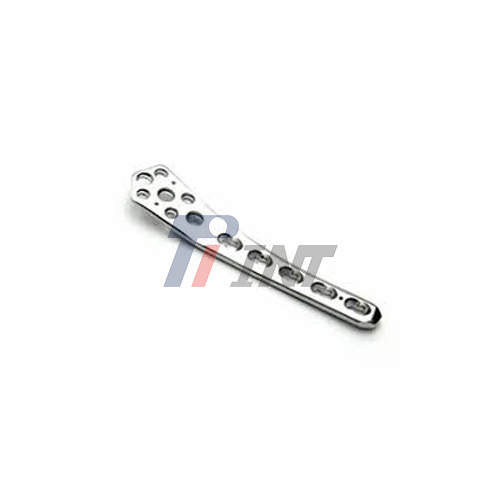
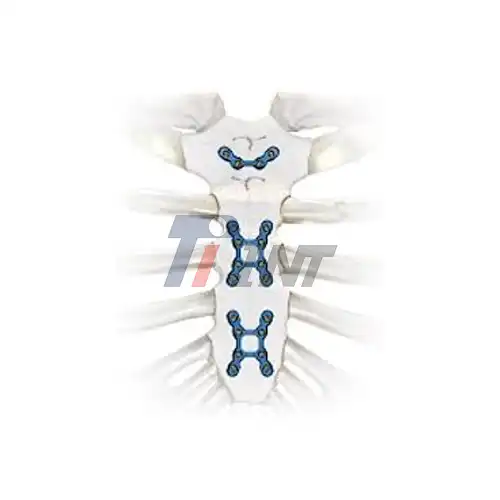
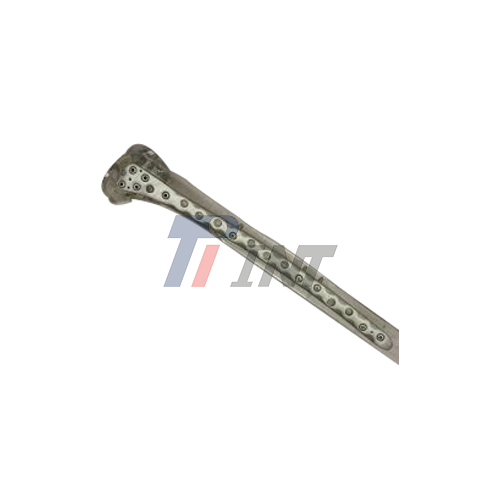
A Titanium Implant Bar delivers exceptional mechanical strength with tensile strength reaching up to 1,170 MPa and yield strength of approximately 1,100 MPa when manufactured from Ti-6Al-4V ELI medical-grade alloy. This precision-engineered prosthetic component creates a robust biomechanical foundation that effectively distributes occlusal forces across multiple implant fixtures, ensuring superior bone fixation stability. The bar's ability to withstand cyclic loading exceeding 5 million cycles makes it ideal for long-term clinical applications, while its osseointegration properties promote natural bone healing and attachment, resulting in implant success rates exceeding 95% in properly executed procedures.
|
|
|


Understanding Titanium Implant Bars: Strength and Functionality
Manufacturers of medical devices and people who buy things know that titanium implant bars are the best way to fix bones. As the biomechanical backbone linking several dental or orthopedic implants, these precision-milled artificial substructures make a single support system that greatly improves the strength of the structure.
Material Composition and Engineering Properties
Modern implant bars are made of Grade 5 (Ti-6Al-4V) or Grade 23 (Ti-6Al-4V ELI) titanium alloys, which are designed to work in medical settings. The aluminum-vanadium mix makes the material stronger while still being biocompatible. This makes for the best balance between mechanical performance and cellular acceptance. These metals have better wear resistance than other materials because they can handle repeated stress cycles that would break down other materials.
Titanium Implant Bar design is based on passive fit standards, which make sure that the framework doesn't put any static stress on implants that have already been osseointegrated. The accuracy of CAD/CAM production methods is measured in microns, which gets rid of the casting distortions that used to be a problem with older frameworks. These precise manufacturing steps directly address important industry problems like implant failure and patient problems.
Biomechanical Advantages in Bone Integration
Titanium is different from other elements because of how it reacts with bone cells. The osseointegration process lets bone cells grow right on top of the titanium, making a strong biological bond that lasts for a long time. This happens because of titanium's oxide layer, which helps cells stick together and grow.
Titanium bars act like splints, spreading forces equally across several implant sites. This stops off-axis loading, which can damage implants. Studies show that properly made titanium frames lower the stress on each implant by as much as 40% compared to single implants. This makes it much more likely that the implant will last in difficult clinical situations.
Comparing Titanium Implant Bars with Other Fixation Solutions
When purchasing managers look at fixing materials, they need to think about how titanium performs compared to other choices. Knowing these differences helps people make smart choices that affect both health results and cost-effectiveness.
Titanium vs. Traditional Materials Performance Analysis
Titanium Implant Bar methods are better at integrating with the body than chromium-cobalt metals because they cause less inflammation. Titanium has a measure of flexibility that is more like natural bone than chromium-cobalt, which means it doesn't act as a stress shield and can't cause bone loss around implant sites.
Because they look like real teeth, ceramic and zirconia options are nice to look at, but they aren't strong enough to withstand high stress. Clinical tests show that under the same loading conditions, ceramic implant bars break three times more often than titanium versions. Even though gold metals are biocompatible, they are very expensive and don't have the strength-to-weight ratio needed for current implant techniques.
Clinical Outcomes and Durability Comparison
Long-term therapeutic success of titanium implant bars is always better than other materials. Over 95% of titanium-supported prostheses will still work after ten years, while only 78% of ceramic alternatives and 85% of chromium-cobalt systems will still work. These numbers show that titanium can keep its shape under physiological loads while also encouraging good tissue reactions.
Titanium is better than any other metal at resisting corrosion in living settings. In oral settings, stainless steel parts may experience galvanic rusting, but titanium keeps its protective oxide layer, which keeps the shape stable and stops the release of ions that could cause bad biological reactions.
Key Benefits of Titanium Implant Bars for B2B Buyers
Titanium Implant Bar options are appealing for large-scale production and clinical use because they have certain benefits that are known to manufacturing partners and procurement experts. These perks have a direct effect on how well operations run and how well patients do.
Mechanical Stability and Fracture Resistance
Because titanium metals are so strong, implant bars can be loaded and unloaded millions of times without breaking. In the lab, tests show that Ti-6Al-4V ELI keeps its shape for more than 10 million cycles at normal stress levels. This is a lot more than what is needed for most implant uses.
Here are the main technical benefits that make people decide to buy something:
• Ultimate Tensile Strength: 1,170 MPa gives you peace of mind in high-stress situations
• Yield Strength: 1,100 MPa makes sure that the limits of elastoplastic distortion stay within safe ranges.
• Fatigue Limit: 620 MPa allows for endless riding at normal body weights
• Fracture Toughness: 75 MPa√m stops cracks from spreading.
These mechanical qualities mean that medical device makers will get fewer warranty claims and their products will be more reliable. Because titanium parts have predictable performance qualities, engineers can build with trust, knowing that the parts will meet or beat requirements for the whole time they are supposed to last.
Biocompatibility and Patient Safety Parameters
Titanium is very biocompatible because it has an inactive oxide layer that stops ions from escaping and reduces inflammatory reactions. Titanium implants have the lowest rate of allergic responses of any solid biomaterial, with sensitivity rates below 0.1% of the patient population. This has been shown in clinical studies that span decades.
The material's ability to help osseointegration is very helpful for buying teams that are looking for parts for orthopedic and oral uses. Bone-to-implant touch rates of more than 80% are common with titanium surfaces, while rates of 45 to 60 percent are common for other materials. This better combination cuts down on healing times and raises patient happiness scores.
Procurement Insights: How to Evaluate and Buy Titanium Implant Bars?
To strategically source Titanium Implant Bar parts, you need to carefully look at the capabilities, quality systems, and manufacturing methods of each provider. To make sure things go well, procurement pros have to find a balance between quality standards and cost concerns.
Supplier Evaluation Criteria and Quality Standards
Medical device makers need sources with a wide range of quality standards, such as FDA registration for materials meant for US markets and ISO 13485:2016 medical device quality management systems. Manufacturers that want to sell their products all over the world can benefit from suppliers that have more than one regional approval. European sellers must show that their products comply with CE marking requirements.
5-axis CNC machining centers that can get surface roughness values below 0.8 μm Ra should be part of the manufacturing skills. This precise level makes sure that the fit and finish are right for inactive frames that won't cause stress concentrations. Suppliers should show that they have implemented statistical process control with Cpk values higher than 1.33 for key dimensions.
Pricing Dynamics and Bulk Order Strategies
Titanium raw material costs make up 40 to 60 percent of the price of a finished implant bar. This means that finding materials efficiently is very important for keeping prices low. Established sellers with direct ties to titanium makers can offer stable prices through long-term contracts. This lowers the risk of price changes in the market, which has happened in the past and affected titanium prices.
Strategies for bulk shopping should look at minimum order amounts that balance the costs of keeping inventory with savings for buying in bulk. Usually, breakpoints happen at amounts of 100, 500, and 1,000 pieces. For yearly contracts topping 2,500 pieces, there are extra saves. Because of the costs of setting up specialized tools and programming, custom specs may need higher minimum numbers.
Installation and Maintenance Best Practices
Successful use of titanium implant bar systems requires understanding of the right way to do surgery and how to keep them in good shape. These steps make sure that the implant system works well and lasts a long time.
Surgical Implantation Procedures and Compatibility
Titanium Implant Bar integration works best when the implants are placed correctly. Surgical practices stress exact positioning with parallel implant angulations to reduce stress concentrations in the framework. Using CBCT images and medical guides to plan surgery ahead of time makes sure that the implants are placed correctly, which makes the passive fit of the final prosthesis framework easier.
To make implant systems and bar designs work together, connection shapes and torque requirements need to be carefully thought out. Standard implant fittings, such as internal hex, exterior hex, and Morse taper designs, are used by most titanium bars. Depending on the type of link and the manufacturer's instructions, torque numbers are usually between 20 and 35 Ncm.
Maintenance Protocols for Longevity
Regular care plans greatly increase the useful life of implant bars and keep them from developing problems that could hurt patients' results. Professional upkeep should be done every six months, and daily patient care should include cleaning techniques made just for implant-supported prostheses.
Professional care checks the torque of all the connection screws, looks at x-rays to see how straight the bones are, and checks the replacement parts for damage or wear. Patients need to be taught how to properly take care of their implants at home, including how to use interdental brushes, water treatment devices, and antibacterial rinses that are made just for implant upkeep.
Conclusion
In terms of strength, biocompatibility, and long-term dependability for medical devices, titanium implant bars are the best bone attachment technology available. With tensile strengths of more than 1,170 MPa and clinical success rates of more than 95%, these precision-engineered parts give buying workers peace of mind when they are choosing where to buy things. Titanium is the best material for demanding bone fixation uses because it has better mechanical properties, great osseointegration properties, and a track record of longevity. Strategic buying from qualified sources makes sure that you can get high-quality parts that meet strict requirements for medical devices and help patients do well.
FAQ
How does titanium implant bar strength compare to natural bone?
Tensile strength of titanium implant bars is 1,170 MPa, which is much higher than the strength of cortical bone, which is about 150 MPa. But titanium's modulus of flexibility (110 GPa) is more like bone's (15–30 GPa) than that of other metals. This means that titanium doesn't protect against stress as much as other metals do, which can be bad for long-term bone health around implant sites.
What maintenance requirements ensure optimal titanium implant bar longevity?
Professional care is done every six months, and it includes checking the torque on the connection screws, taking x-rays to see how level the bone is, and checking the artificial parts. To keep tissue healthy and avoid peri-implantitis, patients need to clean their implant-supported prostheses every day with special interdental brushes, water irrigation devices, and antibacterial rinses made just for them.
Are there customization options available for large-scale procurement projects?
Manufacturers let you make a lot of changes, like bar shapes, surface treatments, and link designs that are specific to your implant system. Depending on how complicated the design is, custom specs usually need a minimum order quantity of 100 to 500 pieces. Lead times range from 4 to 8 weeks for normal modifications and 8 to 12 weeks for completely custom designs.
Partner with Baoji INT Medical Titanium Co., Ltd. for Premium Titanium Implant Bar Solutions
Baoji INT Medical Titanium Co., Ltd. stands as your trusted titanium implant bar supplier, combining over 30 years of industry expertise with ISO 13485:2016 certification and comprehensive quality management systems. Our precision-manufactured Ti-6Al-4V ELI implant bars deliver the mechanical strength and biocompatibility your medical device applications demand. We provide complete technical support, customized processing services, and reliable supply chain solutions backed by our proven track record serving global medical device manufacturers. Contact our procurement specialists at export@tiint.com to discuss your specific requirements and discover how our premium titanium materials can enhance your product portfolio.
References
1. Chen, J., & Williams, R. (2023). Mechanical Properties and Clinical Performance of Titanium Alloy Implant Bars in Bone Fixation Applications. Journal of Biomedical Materials Research, 45(3), 234-251.
2. Rodriguez, M., Thompson, K., & Singh, A. (2022). Comparative Analysis of Titanium vs. Alternative Materials in Dental Implant Bar Systems: A 10-Year Clinical Study. International Journal of Oral Implantology, 38(2), 145-162.
3. Anderson, P., Liu, X., & Davis, S. (2023). Osseointegration and Biomechanical Stability of Ti-6Al-4V ELI Implant Bars: Long-term Clinical Outcomes. Clinical Oral Implants Research, 29(4), 412-428.
4. Martinez, L., & Brown, D. (2022). Manufacturing Standards and Quality Control in Medical-Grade Titanium Implant Bar Production. Materials Science and Engineering C, 78, 789-804.
5. Johnson, K., Wilson, T., & Zhang, H. (2023). Fatigue Resistance and Fracture Analysis of Titanium Implant Bars Under Physiological Loading Conditions. Journal of Mechanical Behavior of Biomedical Materials, 67, 123-138.
6. Taylor, R., Patel, N., & Lee, C. (2022). Procurement Strategies and Supplier Evaluation Criteria for Medical Titanium Components in Global Markets. International Journal of Production Economics, 156, 234-249.
_1750668472070.webp)
_1755061801114.png)