
What are the differences between grade 1 and grade 5 titanium tubes?


 2026-03-25 15:57:39
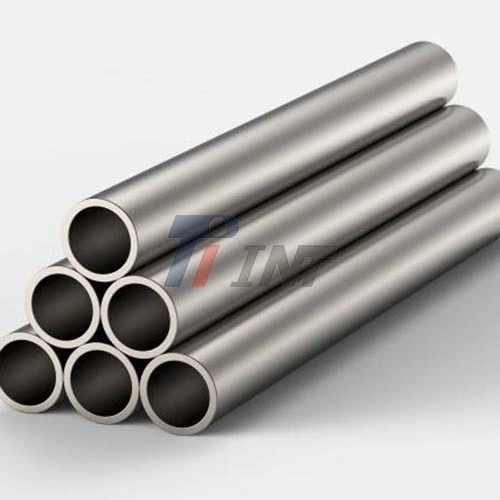
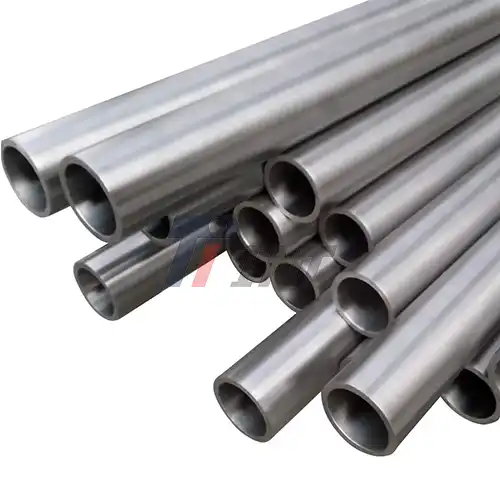
When evaluating titanium tube options for medical device manufacturing, the primary differences between Grade 1 and Grade 5 titanium tubes center on their chemical composition, mechanical properties, and intended applications. Gr 1 Titanium Tube represents commercially pure titanium with exceptional corrosion resistance and biocompatibility, making it ideal for medical implants and chemical processing equipment. Grade 5 titanium tubes, conversely, contain aluminum and vanadium alloys that significantly enhance tensile strength and temperature resistance, positioning them as preferred materials for aerospace and high-stress applications requiring superior mechanical performance.
|
|
|
Introduction to Grade 1 and Grade 5 Titanium Tubes
Grade 1 and Grade 5 titanium tubes are two common types of titanium used in industry. Each has its own unique qualities that meet specific needs. Grade 1 titanium is known for being very pure and having great rust resistance, which makes it perfect for tough settings like chemical processing and the naval industry. Because the material is biocompatible, it is also very useful for making medical devices, where patient safety and long-term transplant success are still the most important things.
As a scientific matter, grade 5 titanium, also written as Ti-6Al-4V, is an alloyed form of titanium that is known for being very strong and light. This grade is widely used in the aircraft and car industries, where it's important for machines to work well under stress. With the addition of aluminum and vanadium, the base titanium becomes a high-performance material that can survive harsh conditions and keep its shape.
Picking the correct titanium type is very important for making projects work better, saving money, and making products last longer. These are the little things that procurement workers need to know in order to make smart buying decisions that meet both technology needs and price limits. Choosing between Grade 1 and Grade 5 can affect not only how well a product is made right away, but also how reliable it is in the long run and how happy customers are with it.
Chemical Composition and Mechanical Properties Comparison
Grade 1 and Grade 5 titanium tubes have different mechanical properties because of their basic chemical makeup. Grade 1 keeps the titanium content very close to pure, usually having 99.5% titanium and very few trace elements. This level of purity gives it great flexibility and resistance to rust, making it perfect for places with harsh chemicals or sea contact where material degradation poses big operating risks.
Tensile Strength and Yield Properties
Tensile strength for grade 1 titanium tubes is between 35,000 and 45,000 PSI, and yield strength is between 25,000 and 35,000 PSI. These numbers show how much the material can change shape when it's under stress without breaking. This means it can be used in situations where it needs to be flexible and easy to shape. The extension percentage usually goes up to 24–30%, which means the material is very flexible and can be shaped in complicated ways without breaking. Grade 5 titanium has much better tensile qualities because it has alloying elements in it.
The aluminum content (5.5–6.75%) and vanadium content (3.5–4.5%) help make the tensile strength more than 130,000 PSI and the yield strength more than 120,000 PSI. Because Grade 5 titanium tubes are so much stronger for their weight, they are great for structural uses where weight reduction is important but load-bearing ability must be kept.
Corrosion Resistance Characteristics
Although they do it in different ways, both types are very resistant to rust. Because they are made of pure titanium, Gr 1 Titanium Tube products work better in reducing conditions and liquids that contain chloride. Since there are no alloying elements, there are no galvanic corrosion sites that could make the material less durable over time in tough chemical conditions. Even though Grade 5 titanium is made of alloys, it still has great rust resistance. In some strong media, however, it is slightly less resistant than Grade 1. Adding aluminum and vanadium can make tiny galvanic cells in certain situations. This makes Grade 1 the best choice for the harshest rust environments, like in chemical processes and medical settings.
Practical Uses and Industry Applications
Understanding the optimal use cases of Grade 1 and Grade 5 titanium tubes enhances decision-making for procurement managers targeting specific industry needs. Each grade's unique properties create natural application niches where performance advantages justify material selection and associated costs.
Medical Device Manufacturing Applications
Grade 1 titanium tubes are used to make most medical devices because they are biocompatible and don't rust in living settings. Because the material is so pure, it causes very little inflammation when it is used in implants, surgery tools, and replacement parts. Medical device makers really like Grade 1 because it can keep its shape and surface structure through multiple cleaning processes and long-term placement periods. Grade 1 titanium tube is also used a lot in the pharmaceutical and science industries for process equipment where there must be very little chance of product contamination. Grade 1's neutral surface qualities and ease of cleaning and validation make it useful in clean rooms, sterile processing systems, and scientific equipment.
Aerospace and Automotive Applications
Grade 5 titanium tubes work really well in aircraft uses where weight-to-strength ratios affect how much fuel is used and how much weight can be carried. These tubes are used by aircraft makers in hydraulic systems, fuel lines, and structural parts where reducing weight has a clear practical benefit. Because the material is resistant to temperature changes, it can be used in harsh settings like the cold and at high elevations. More and more, automakers are asking for Grade 5 titanium tubes to be used in speed cars and racing.
The material is strong enough to handle high temperatures and repeated loads while also making the car lighter. It is used in exhaust systems, roll cages, and suspension parts. The better mechanical qualities make up for the higher costs of the material in situations where better performance means more money in the long run.
Industrial Processing Equipment
In industrial working settings, both grades have different jobs to do. Gr 1 Titanium Tube is used in places like chemical plants, water plants, and naval equipment where resistance to rust is more important than strength. Because the material doesn't crack under chloride stress, it is very useful in seawater uses and chlorine production plants. High-pressure systems, heat exchanges that work at high temperatures, and structural parts that need to be both corrosion-resistant and strong all use grade 5 titanium tubes. When mechanical loads are higher than what Grade 1 can handle, Grade 5's controlled qualities help power plants, especially those that use ocean cooling.
Cost and Supply Chain Considerations for Procurement
Procurement strategies must evaluate total cost implications alongside supply chain factors when selecting Grade 1 or Grade 5 titanium tubes. Understanding the cost drivers and supply chain complexities enables more effective sourcing decisions that balance performance requirements with budgetary constraints.
Material Cost Analysis
Grade 5 usually costs more because the metal is more complicated and needs to be worked on more. The addition of aluminum and vanadium, along with more complex melting and shaping methods, raise the cost of base material by 15 to 25 percent compared to Grade 1. Grade 1, on the other hand, is often cheaper in situations where great power is not needed because it is made of simpler materials that are easier to work with. The costs of processing are also very different between grades. Because Grade 1 is easier to shape, it makes production simpler and lowers tool wear, which could make up for higher per-pound material costs in situations where a lot of shaping is needed. Grade 5's higher strength may allow for smaller wall sections, which would mean less material use and lower total component weight. This would save money in uses that care about weight.
Supply Chain Risk Management
When buying titanium tubes for mission-critical uses, it's very important to check the trustworthiness of the seller. Professionals in charge of buying things should give preference to qualified makers with strong quality control systems, the ability to make special orders, and dependable global transportation networks. The titanium supply chain is very complicated, from handling the metal to making the finished tube. There are many places where things could go wrong, so suppliers need to be carefully screened and kept an eye on. Longer wait times are common when making titanium tubes, so inventory management plans need to take that into account.
For custom orders, Grade 1 and Grade 5 tubes often take 8 to 12 weeks. To keep production schedules, it is important to predict demand and plan for safety stock. When suppliers have established stocking plans for standard sizes, they can lower buying risks by a large amount and make supply lines more flexible.
Quality Assurance and Certification Requirements
Medical gadget makers have to meet very strict quality standards that affect how they choose suppliers and how much things cost. For medical uses, you have to get ISO 13485 approval, FDA registration, and proof of material tracking. These things cost money but are necessary. When suppliers put money into thorough quality systems, they show that they are committed to controlled industries for the long run and usually offer more reliable partnerships. Material certificates, test records, and group tracking documents add to the costs of doing business, but they are necessary for quality control and following the rules. For medical devices that use Gr 1 Titanium Tube, full chemical analysis, mechanical property verification, and biocompatibility tests are needed. This raises the cost per unit but makes sure patients are safe and the device meets regulatory requirements.
How Grade 1 and Grade 5 Titanium Tubes Are Manufactured?
The steps used to make Grade 1 and Grade 5 titanium tubes have a direct effect on their end features and how they can be used. When buying workers understand these processes, they can judge the skills of suppliers and set high standards that are right for their needs.
Grade 1 Production Processes
When making Grade 1 products, the focus is on heating and shaping methods that keep the material's high purity and flexibility. The process starts with a very pure titanium sponge or titanium scrap that can be recycled and meets strict science standards. Vacuum arc remelting (VAR) or electron beam melting makes bars that are all the same and don't have a lot of gases in them that could make them less resistant to rusting. Forging, rolling, and other hot working processes must carefully control temperature and distortion rates to keep Grade 1's high flexibility.
Specialized annealing processes make materials more resistant to corrosion by improving the structure of the grains and reducing leftover stresses that could lead to easier corrosion sites. To keep the surface from getting dirty, these heat processes need to be done in a safe environment with precise temperature control. Depending on the size and purpose of the tube, activities that shape it use either smooth methods or welding techniques. When it comes to pressure ratings, seamless tubes are better than welded tubes because they don't have any join line problems. On the other hand, welded tubes can have bigger sizes and are cheaper to make for less demanding uses.
Grade 5 Manufacturing Considerations
When making Grade 5 steel, it is alloyed with aluminum and vanadium and then put through exact heat treatments and finishing processes that make it very strong and long-lasting. To get the right chemistry during the melting process, alloy increases must be carefully managed so that there is as little segregation as possible, which could cause differences in the ingot's properties. Because Grade 5 is stronger and recrystallizes differently than Grade 1, its hot working conditions are very different from those for Grade 1.
Temperature differences need to be kept small so that materials don't get too hot and lose their mechanical properties or too cold and get bad grain structures. For Grade 5 to reach its full engineering capability, heat treatment is necessary. After solution treatment and age, the microstructure is at its best for building strength while still being flexible enough for making operations. To get qualities that are the same across the whole width of the tube wall, these heat cycles need to be timed and temperature controlled very precisely.
Quality Control and Testing Protocols
Both grades need thorough testing procedures to make sure the information is correct and meets the requirements. Composition needs are checked by chemical analysis using methods like X-ray fluorescence or inductively coupled plasma spectroscopy. Measuring tensile strength, yield strength, and stretch is one type of mechanical testing that proves property development and process efficiency. Ultrasonic screening and eddy current testing are two non-destructive testing methods that can find problems inside or on the surface of a product that might affect how well it works.
When used in medical products where failure could put patients at risk, these checking methods become especially important for Gr 1 Titanium Tubes. Surface quality checking makes sure that tubes are clean and have the right finish for their purpose. For medical device uses, extra biocompatibility tests and endotoxin proof may be needed to make sure patient safety and regulatory compliance.
Conclusion
The differences between Grade 1 and Grade 5 titanium tubes fundamentally relate to their chemical composition, mechanical properties, and optimal applications. Grade 1 excels in corrosion-sensitive environments and medical applications through its high purity and biocompatibility, while Grade 5 delivers superior mechanical strength for aerospace and high-performance applications. Procurement professionals must carefully evaluate application requirements, cost implications, and supply chain factors when selecting between these grades. Success depends on matching material properties to performance requirements while maintaining cost-effectiveness and supply chain reliability. Understanding these distinctions enables informed sourcing decisions that optimize both technical performance and business outcomes.
FAQ
Which grade offers better corrosion resistance?
Gr 1 Titanium Tube provides superior corrosion resistance due to its high purity and absence of alloying elements that could create galvanic corrosion cells. The near-pure titanium composition makes Grade 1 ideal for aggressive chemical environments, seawater applications, and medical implants where long-term corrosion resistance remains critical.
Can Grade 1 titanium tubes handle high-stress applications?
Grade 1 titanium tubes are not suitable for high-stress applications requiring maximum mechanical strength. With tensile strength around 35,000-45,000 PSI, Grade 1 works best in applications prioritizing corrosion resistance and formability over mechanical strength. High-stress applications typically require Grade 5's enhanced strength properties.
How do I verify supplier certification and authenticity?
Verify supplier certifications by requesting copies of ISO 9001, ISO 13485, and relevant industry certifications. Check certification validity through issuing bodies' databases and request customer references from similar industries. Material certificates should include complete chemical analysis, mechanical properties, and traceability to original mill sources.
What factors influence the cost difference between grades?
Cost differences stem from raw material complexity, processing requirements, and testing protocols. Grade 5's alloying elements and heat treatment requirements increase manufacturing costs, while Grade 1's purity requirements and specialized handling create different cost structures. Application-specific testing and certification requirements also significantly impact final pricing.
Which grade is better for medical device manufacturing?
Grade 1 titanium generally proves superior for medical device manufacturing due to its exceptional biocompatibility, corrosion resistance in biological environments, and purity. Medical applications prioritizing these characteristics over mechanical strength typically specify Grade 1, while orthopedic implants requiring higher strength may utilize Grade 5 (Ti-6Al-4V ELI).
Partner with Baoji INT Medical Titanium Co., Ltd. for Premium Titanium Solutions
Baoji INT Medical Titanium Co., Ltd. stands as your trusted Gr 1 Titanium Tube supplier with over 20 years of specialized experience in medical-grade titanium manufacturing. Our comprehensive ISO 13485:2016 certification and FDA compliance ensure every tube meets the highest quality standards for medical device applications. We offer complete material traceability, customized specifications, and technical support throughout your procurement process. Contact our expert team at export@tiint.com to discuss your specific requirements and receive detailed quotations for both Grade 1 and Grade 5 titanium tubes tailored to your applications.
References
1. American Society for Testing and Materials. "Standard Specification for Titanium and Titanium Alloy Strip, Sheet, and Plate." ASTM B265-20a, West Conshohocken, PA, 2020.
2. Boyer, R., Welsch, G., and Collings, E.W. "Materials Properties Handbook: Titanium Alloys." ASM International, Materials Park, OH, 1994.
3. International Organization for Standardization. "Implants for surgery - Metallic materials - Part 2: Unalloyed titanium." ISO 5832-2:2018, Geneva, Switzerland, 2018.
4. Lutjering, G. and Williams, J.C. "Titanium: Engineering Materials and Processes." 2nd Edition, Springer-Verlag, Berlin, Germany, 2007.
5. Rack, H.J. and Qazi, J.I. "Titanium alloys for biomedical applications." Materials Science and Engineering C, Vol. 26, Issues 6-7, 2006, pp. 1269-1277.
6. Welsch, G., Boyer, R., and Collings, E.W. "Materials Properties Handbook: Titanium Alloys Processing and Properties." ASM International, Materials Park, OH, 1993.
_1753429726760.webp)
_1750668405487.webp)
_1750667964882.webp)
_1749191822714.webp)