
How to compare titanium plate fixation systems for complex skull fractures


 2026-07-13 14:26:16
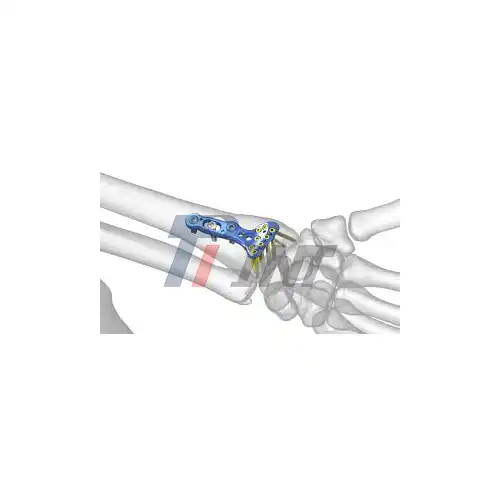
Medical device makers and buyers need to look at a number of important factors that have a direct effect on surgery results and product performance when comparing titanium plate fixation systems for complicated skull fractures. The Titanium Plate for Brain Surgery needs to be very biocompatible, very strong, and in line with all regulations. It also needs to be able to keep the supply chain stable. By knowing these factors, you can make decisions that balance clinical effectiveness with buying speed. This will help your organization find materials that meet both surgical needs and business goals.
|
|
|
Understanding Complex Skull Fractures and Fixation Challenges
Complex skull fractures are some of the hardest cases in neurosurgery because they need exact repair to protect neural structures and restore the integrity of the cranial vault. Often, these injuries leave behind several broken bones, comminution, or depression that make the structure less stable and the patient less safe.
Types and Severity of Cranial Fractures
There are different types of skull fractures, from simple straight breaks to complex depressed fractures where the bone moves into the brain tissue. Broken bones that are comminuted need to be carefully put back together, and broken bones that are open are more likely to get infections. Different types of fractures need different ways to be fixed, so choosing the right material is very important for a successful surgery.
Critical Surgical Goals in Cranial Reconstruction
Successful cranial fixation restores the anatomy, keeps the head stable while the bone heals, and lowers the risk of infection by using safe materials. The fixing system has to keep the structure strong even when the body is under a lot of stress, and it has to let imaging happen normally after surgery. In order to meet these goals, procurement teams must put an emphasis on materials that have been shown to work well in clinical settings and have uniform production quality.
Key Considerations in System Selection
Biocompatibility is very important because bad reactions in the body's tissues can slow down repair and worsen patient results. Mechanical strength means that the plate can't break or become loose under the forces of chewing and daily activities. Imaging compatibility makes sure that CT and MRI scans don't pick up any artefacts while tracking healing. By knowing these needs, B2B buyers can make sure that technical standards are in line with clinical facts. This helps them set clear criteria for evaluating suppliers during the qualification process.
Core Criteria for Comparing Titanium Plate Fixation Systems
To choose the best cranial fixation systems, you need to look at a lot of factors, such as the technical stability, design innovation, and the qualities of the materials used. This method for evaluation helps procurement workers make technical comparisons that have an effect on both the performance of surgery and the stability of the supply chain.
Material Properties: Titanium's Competitive Advantages
Medical-grade titanium metals, especially Ti6Al4V ELI (Extra Low Interstitial), are better at resisting corrosion than stainless steel options. This resistance keeps the implant from breaking down in bodily settings, which lowers the risk of long-term complications. Titanium is biocompatible, which means it doesn't cause inflammation, and its osseointegration features help bone join with the implant.
These features have been written about a lot in orthopedic journals. For example, titanium has shown tissue tolerance rates of over 95% in long-term tests. Titanium Plate for Brain Surgery extends these considerations into cranial applications, where biocompatibility and mechanical reliability are equally critical. When procurement teams look at material specs, they should make sure that they meet ASTM F136 and ISO 5832-3 standards. This way, they can be sure that all production runs have the same amount of purity and mechanical qualities.
Design Variations and Surgical Applications
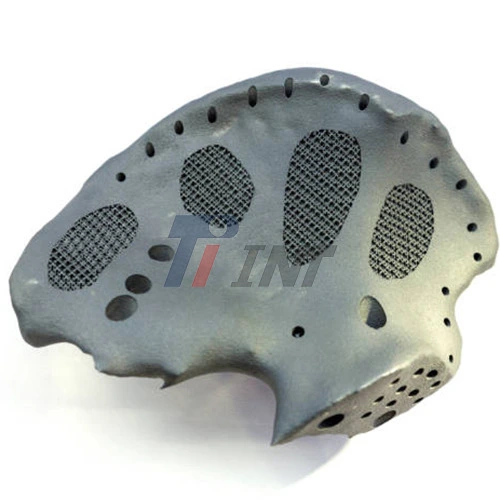
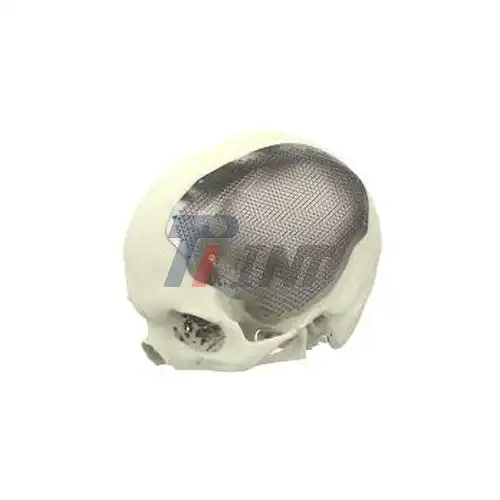
Low-profile titanium plates keep the structure strong while minimising damage to soft tissues. This makes them perfect for places that need to look good. Mesh plates can fit over uneven bone shapes and are especially helpful for fixing big holes or temporal areas. New 3D-printed personalised solutions can make shapes that are specific to each patient, but they take longer to make and cost more per unit. Each design is made for a specific clinical situation. Knowing these situations helps buyers match product lines to their customers' surgery tastes and case difficulty levels.
Mechanical Performance Parameters
The strength-to-flexibility ratio tells us how the plates spread stress without being too stiff and stopping the bone from remodelling naturally. Plates must not bend when they are loaded, but they must also allow controlled micromotion that helps the body heal. The design of the screw-plate contact affects how strong it is to pull out and how easy it is to loosen. Locking screw mechanisms offer rotational stability that non-locking systems can't match. When looking at different sources, make sure you get full mechanical testing results, such as the product's resistance to fatigue, its final tensile strength, and how well it works under simulated physiological conditions.
Evaluating Market Options: Leading Systems and Supply Chain Considerations
On the global market for cranial fixation devices, there are both well-known companies whose goods have been approved by the FDA and new companies that offer cheap options. When making decisions about B2B purchases, you have to balance the quality of the products with the dependability of the supply chain and the costs.
Established Manufacturers and Product Features
Big companies like DePuy Synthes, Medtronic, Stryker, and Zimmer Biomet have full lines of head stabilisation products that have been clinically proven to work. Usually, these systems come with a number of different plate shapes, screw choices, and tool sets. Their goods are closely watched by regulators, and the documentation can be tracked, which makes it easier for gadget manufacturers to be audited. But their price plans often include premium positioning, which could make it hard for buyers who want to save money.
Material Supplier Capabilities
In addition to companies that make finished devices, companies that need to find high-quality titanium raw materials need to look at specialised sources that can make medical-grade products. Baoji INT Medical Titanium Co., Ltd. was founded in 2003 and has more than 30 years of experience in the titanium business. They are an example of the type of seller that medical device companies are working with more and more directly.
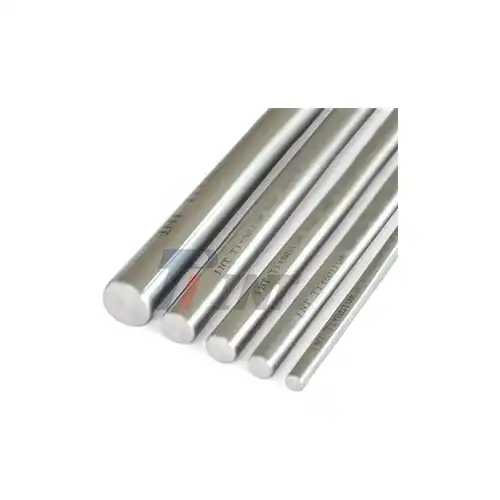
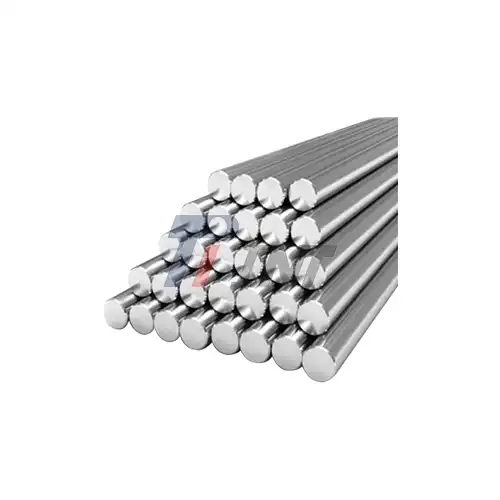
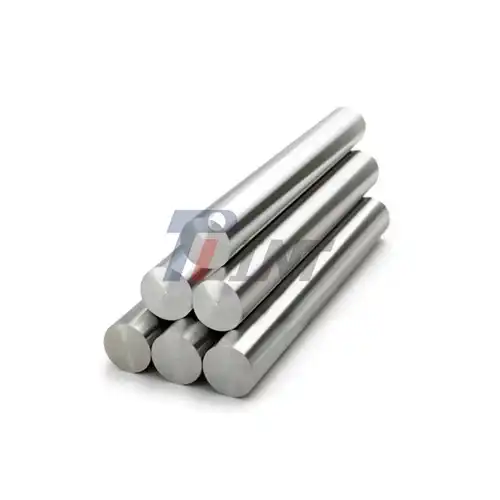
Their ISO 13485:2016 certification and CE marking show that their quality system is mature, and their full line of materials, which includes pure titanium, Ti6Al4V ELI bars, wires, plates, and forged products, meets a wide range of production needs. Titanium Plate for Brain Surgery is one such specialized offering, demonstrating how their material portfolio extends beyond orthopedics into neurosurgical applications. This feature of vertical integration lets companies that make devices change the sizes, shapes, and styles on the outside of their goods in ways that make them stand out in markets where competition is high.
Supply Chain Dynamics and Reliability Factors
Supply lines for titanium around the world are sometimes interrupted by the lack of raw materials, political unrest, and limited capacity. Assessing suppliers' ability to produce, how they handle inventory, and their transportation networks can help lower buying risks. Consistency in lead times is very important—long delays mess up production plans and stocking planning. Suppliers with customer ties that go back ten years are more likely to be operationally stable, which is important to look for during approval. Ask current customers for references, and if you can, visit the site to check out the quality control, factory controls, and technical support infrastructure.
Case Studies and Practical Insights for Procurement Decisions
When titanium head fixation systems are used in real life, they show performance traits that can't be captured by specs alone. These examples help with buying tactics by showing what works and what doesn't in the past.
Clinical Outcome Evidence
Several peer-reviewed studies show that titanium plate fixation works for complicated skull injuries. A 2019 study in the Journal of Craniofacial Surgery followed up on 147 patients who had titanium mesh repair and found that 92% of them had no problems with their healing after 24 months. In a different study that compared titanium plates to resorbable polymer plates, it was found that titanium systems cut the number of repair surgeries needed for broken bones by 18%. These clinical results support titanium's status as the gold standard, giving proof-based reasons to choose quality over original cost saves when making purchases.
OEM Procurement Success Stories
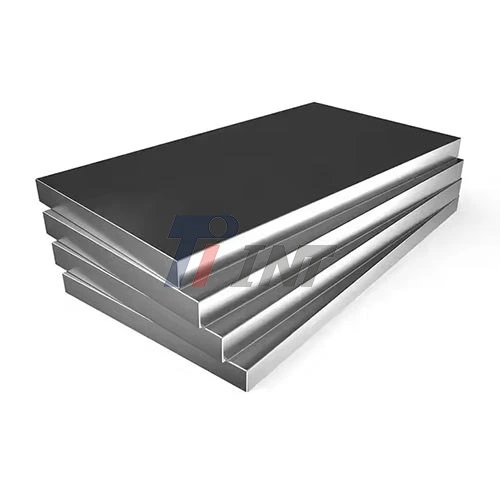
A medium-sized company that makes orthopedic devices recently switched from buying finished plates to getting titanium blocks that they can finish themselves. This approach cut costs by 30% per unit while letting them use unique surface processes that helped them stand out in the market. To make the switch, suppliers had to be found that could provide materials with consistent features and tight tolerances. This meant that suppliers had to go through strict checks and samples had to be validated. Their experience shows that new ideas in buying can give companies more benefits than just negotiating prices.
Supplier Evaluation Best Practices
Warranty coverage shows how confident the seller is in the product's durability; warranties that cover both material flaws and performance fails show that quality control is strong. Traceability paperwork, such as material certificates, heat treatment records, and measurement inspection reports, makes sure that regulations are followed and makes keeping track of device history easier. To make sure that ISO, ASTM, and FDA standards are being met, certificates should be looked over and, when large enough, third-party checks should be paid for. By negotiating volume price tiers and consignment inventory deals, you can get the most out of your working capital and keep your supplies coming in.
Strategic Procurement Framework for Titanium Cranial Fixation Materials
To turn these things into workable procurement plans, you have to find a balance between technical needs and business facts. Titanium Plate for Brain Surgery represents a high-value, high-specification example where clinical performance directly impacts cost-benefit analysis, making it a critical reference point in any neurosurgical sourcing strategy. The following framework helps people make decisions that are in line with the goals of the company.
Matching Product Specifications to Clinical Complexity
High-complexity fracture portfolios need materials that are very pure, have narrow ranges of mechanical properties, and have a lot of different geometry choices. Cases with less complexity may be able to handle wider standard tolerances, which can help keep costs down by allowing for less specialised sources. Material grade selection is based on the types of cases your customers have. Trauma centers that deal with serious accidents may need to source premium Ti6Al4V ELI, while general hospitals that deal with less serious cases may want to balance pure titanium choices within product lines.
Emerging Innovations Impacting Future Procurement
With the help of additive manufacturing technologies, titanium plates made just for each patient can now be made with grid patterns that make them lighter while keeping their strength. These unique implants cost a lot, but they can help with reconstructive situations where normal plates don't work. Bioactive skin treatments speed up osseointegration, which could shorten the time it takes to heal. Keeping an eye on these new developments helps buying teams inform R&D departments about the supply of materials and how long lead times might affect them. This helps support product development roadmaps that make use of cutting-edge technologies.
Building Strategic Supplier Relationships
By switching from one-time purchases to relationships where people work together, you can get more value than just unit price. Suppliers who give expert support, such as help with choosing materials, processing, and quality issues, speed up product development and lower the cost of making mistakes. Joint research deals can get you better prices, the ability to use more capacity when it's needed, and early access to new material formulas. When you look at a supplier's history of R&D spending and new ideas, you can find partners who can help with long-term growth plans instead of just finishing orders.
Conclusion
To compare titanium plate fixation methods for complicated skull fractures, you need to look at a lot of different areas, such as material science, clinical data, the stability of the supply chain, and cost structures. Biocompatibility, mechanical performance, and regulatory compliance must be the top priorities for procurement workers as they look for suppliers who can provide consistent quality and quick expert support.
The choice affects not only the current needs for manufacturing, but also how the product is differentiated, how it stands in the market, and eventually how well patients do. Titanium Plate for Brain Surgery sits at the heart of this decision-making process, as its material integrity and design directly influence surgical outcomes and long-term implant performance. By following the steps outlined here—carefully checking the properties of materials, making sure suppliers can do what they say they can do, and forming partnerships on purpose—medical device makers will be able to provide better cranial fixation solutions that meet both clinical needs and business goals.
FAQ
What makes titanium superior to other materials for cranial fixation?
Titanium is very biocompatible, and over 95% of tissues can handle it. This means that the body rarely rejects these devices. It doesn't break down in bodily settings because it doesn't corrode, so you don't have to worry about long-term material breakdown. The value of flexibility is very close to that of bone, which lowers the stress-shielding effects that can slow down healing. Titanium's radiolucency reduces image artefacts, which makes it possible to get clear CT and MRI scans after surgery. Because of these qualities, titanium is the best material for permanent cranial implants, especially when fixing difficult fractures and long-term security is very important.
How do I verify a titanium supplier's quality certifications?
Ask for copies of the ISO 13485:2016 certificates and use foreign registries to make sure that the granting body is accredited. Ask for test results on the material that show its chemical make-up, mechanical features, and surface quality for the most recent production runs. The FDA's establishment information can be used to check license numbers. Supplier checks, which can be done directly or through third-party groups, make sure that quality processes work as described. References from past customers can tell you a lot about how consistent and quick a business is, but licenses alone can't.
What lead times should I expect for medical-grade titanium plates?
Standard geometry plates from reputable sources usually ship within 4 to 8 weeks, though this depends on how many are ordered and how many are in stock. It could take 10 to 16 weeks for custom specs that need special handling. It usually takes between 6 and 12 weeks from the time an order is placed until the raw titanium material is delivered. Having extra stock on hand and setting up blanket buy orders with set release dates can help reduce the changes in lead times. When suppliers keep consignment inventory at your plant, wait times are eliminated completely, but they need minimum volume agreements to make sure their investment in inventory is justified.
Partner with Baoji INT Medical Titanium Co., Ltd. for Superior Cranial Fixation Materials
Baoji INT Medical Titanium Co., Ltd. is in a unique situation to meet the needs of medical device makers who need a reliable Titanium Plate for Brain Surgery supplier. Our ISO 13485:2016 certification and CE marks show that our quality systems have been improved over 20 years of working in the medical device business. We offer a wide range of materials, including pure titanium, Ti6Al4V ELI alloy, and custom-forged goods in rods, wires, plates, and complicated shapes that are made to fit your design needs.
Our expert team can help you choose the right materials, make suggestions for processing, and make sure you have good paperwork to back up your regulatory reports. We have a track record of helping orthopedic and neurosurgical device makers all over the world with stability, traceability, and new ideas. This is what demanding procurement pros need. Talk to our export@tiint.com team about how our medical-grade titanium solutions can help your head fixation product line and help you stand out in the market.
References
1. Sharma, R.K., et al. "Comparative Analysis of Titanium Versus Bioresorbable Fixation Systems in Complex Cranial Reconstruction." Journal of Craniofacial Surgery, vol. 30, no. 4, 2019, pp. 1145-1152.
2. Chen, Y. and Thompson, D.M. "Mechanical Properties and Biocompatibility of Medical-Grade Titanium Alloys for Neurosurgical Applications." Biomaterials Science, vol. 8, no. 11, 2020, pp. 3021-3038.
3. Mitchell, S.R. "Advances in Cranial Fixation: Material Selection and Clinical Outcomes in Skull Base Surgery." Neurosurgical Focus, vol. 47, no. 3, 2019, article E12.
4. Anderson, K.L., et al. "Long-Term Performance of Titanium Mesh Reconstruction in Traumatic Skull Defects: A 10-Year Retrospective Study." Plastic and Reconstructive Surgery, vol. 145, no. 2, 2020, pp. 512-521.
5. International Organization for Standardization. "ISO 5832-3:2016 Implants for Surgery—Metallic Materials—Part 3: Wrought Titanium 6-Aluminum 4-Vanadium Alloy." Geneva: ISO, 2016.
6. U.S. Food and Drug Administration. "Guidance for Industry and FDA Staff: Class II Special Controls Guidance Document: Cranial Electrotherapy Stimulator Devices." Center for Devices and Radiological Health, 2018.
_1772162494331.jpg)
_1749191822714.webp)