
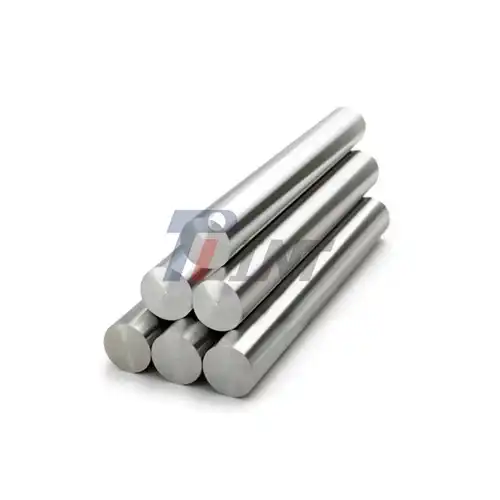
How to cut titanium foil sheet?


 2026-04-22 11:55:37
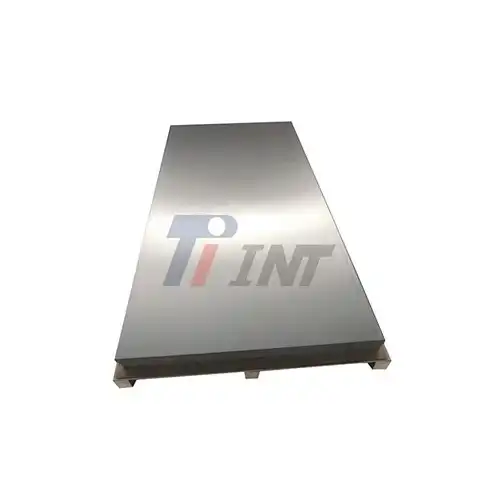
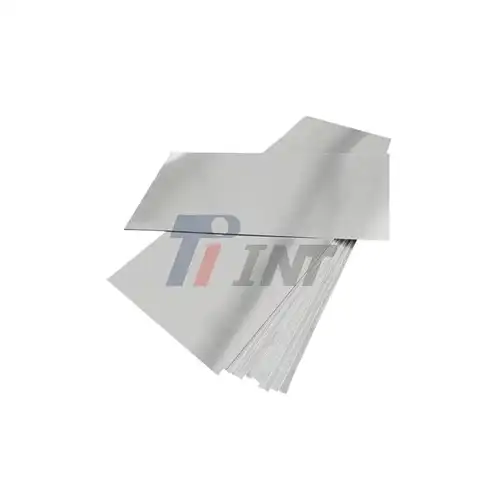
There are certain ways to cut Gr2 Titanium Foil that will help you keep the material's shape and get accurate readings. Machine cutting is used for smaller shapes. When cutting forms that aren't simple, laser cutting is used. When cutting very precisely, waterjet cutting is used. Titanium foil that is sold in stores is different from other metals because it has unique properties that make it harden when it is worked on. This means that you need to be very careful when picking the tools and settings for cutting it. As long as you treat foil the right way, it will stay biocompatible for use in medical devices and the edges will not crack or get dirty.
|
|
|
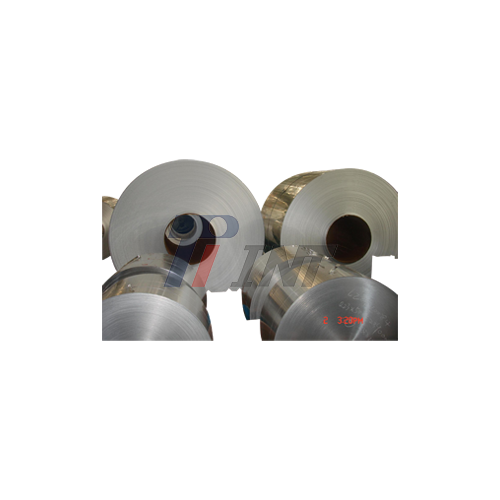
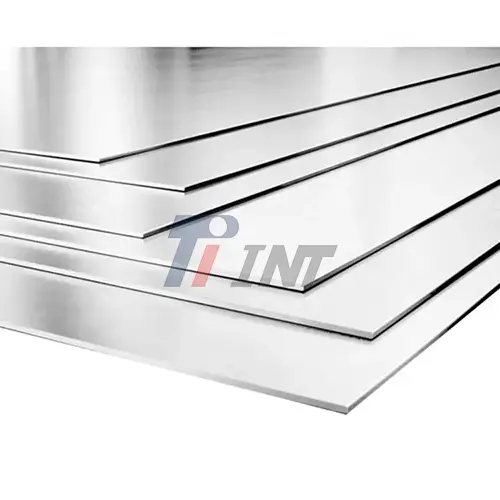
Understanding Gr2 Titanium Foil Before Cutting
Material Properties and Composition
Gr2 Titanium Foil is the best choice for making medical equipment because it is strong, easy to shape, and doesn't rust. This kind of economically pure titanium is mostly titanium, with a little oxygen, nitrogen, and hydrogen added to make it stronger without changing how safe it is. Because it has an alpha-phase microstructure, the material has a yield strength of 275 to 450 MPa and can be cold-formed easily, which is useful for deep drawing and pressing.
When purchase workers know these basic traits, they can choose the best ways to cut the material without damaging it. The foil naturally forms an oxide layer that keeps it from rusting in places with a lot of salt, which is where stainless steel parts would normally fail very badly. This is why it's very important to use the right cutting method, since broken edges can make the protective oxide layer less strong.
Thickness Specifications and Tolerances
Most of the time, foil thicknesses for industry use need to be between 0.003mm and 0.5mm. Medical device makers say that limits should be within ±0.01mm. Less than 0.05 mm thick sizes are harder to work with and need special cutting tools to keep them from breaking or changing shape. For aerospace uses, it is normal to have custom thickness standards that meet structural needs while also lowering weight.
How well production goes and how much material is lost depend on the type of cutting tool used and the thickness of the foil. These specs must be taken into account by buying teams when they look at a supplier's skills and wait times for custom-cut parts.
Challenges in Cutting Titanium Foil Sheet
Work-Hardening and Spring-Back Characteristics
Titanium likes to work-harden when it is mechanically processed, which makes it very hard to cut. This is not the case with aluminum or stainless steel foils. Because the material is springy and stiff, it springs back a lot after it has been cut. This could make the measurements less accurate and the edge less good. For this behavior to stay as stable as possible, you need special tools with the right gaps and cutting angles.
Most of the time, these features are hard for standard cutting methods to handle. This makes tools wear out faster and lines less even. Microcracks and burrs that are left behind can make parts less useful in high-stress scenarios, like when they are used in medical implants or airplane parts.
Contamination Prevention Requirements
Maintaining a contamination-free environment during cutting of medical-grade Gr2 Titanium Foil is critically important. Iron particle transfer from cutting tools can induce galvanic corrosion sites that compromise performance over time. Additionally, cutting fluids must not introduce any biological contaminants that would violate the biocompatibility requirements necessary for FDA and ISO 13485 approvals.
Because of these concerns about pollution, special cutting tools and ways of handling are needed. This makes the process of making things more difficult. When procurement teams look for sources and figure out prices, they need to keep these needs in mind.
Effective Techniques to Cut Gr2 Titanium Foil Sheets
Mechanical Cutting Methods
To cut titanium foil up to 0.3 mm thick in a straight line for the least amount of money, precision cutting is the best method. There aren't many burrs on modern guillotine blades that have been well taken care of and are very sharp. For the cloth not to break during the cut, the right blade distance, cutting speed, and hold-down pressure are very important.
Here are the core advantages of mechanical cutting methods:
• Cost-effectiveness: It costs less to run than laser or waterjet cutting for simple forms.
• High throughput: cutting cycles that are quick and can handle a lot of work
• Minimal heat input: the material's properties are kept even when heat-affected zones form.
• Simple operation: you don't need as much training and it's easier to keep up.
Firms that make medical products and need to find cheap ways to make standard part shapes while still achieving high quality standards are very interested in mechanical cutting because of these benefits.
Advanced Cutting Technologies
Laser cutting is the best way to get exact results and make designs that can work with curves and tight spaces. When fiber lasers are used with the right amount of power, they can make kerf widths as small as 0.05 mm with almost no hot spots. Some changes need to be made to the process so that oxides don't form, which could lower the quality of the surface.
Because it doesn't need any heat, waterjet cutting is the most exact way to work with Gr2 Titanium Foil. When you cut something with this method, the heat doesn't change the material, so the original properties stay the same all the way through the cut edge. You don't have to do anything extra to get good surface finishes and make complicated patterns with this technology.
Wire cutting with electrical discharge machining (EDM) is used for certain jobs that need very small details or shapes that can't be made with regular tools. EDM takes longer than other methods, but it makes prototypes and low-volume precision items that are very accurate and have great surface quality.
Choosing the Right Cutting Solution for Your Procurement Needs
Volume and Complexity Considerations
What kind of cutting method is used and how much it costs to make something depend on how much is being made. For making prototypes in small quantities, waterjet cutting often works better because it gives you more design freedom. On the other hand, motorized slicing is better for mass production because it is faster and cheaper. The tech that is used is also based on how complicated the shapes are that need to be made. Patterns that are very complicated might need laser or waterjet technology, on the other hand.
People who work in buying have to weigh the short-term costs of tools against the long-term benefits of faster output when they look at cutting technologies. Some of the things that affect the total cost of ownership are the setup costs, cycle times, rates of material use, and the stability of quality.
Supplier Qualification and Partnership
Suppliers must possess appropriate equipment and validated quality control procedures for successful titanium foil processing. For Gr2 Titanium Foil, certifications such as ISO 9001:2015 and ISO 13485:2016 ensure consistent, traceable processes essential for medical device applications. Supplier audits should evaluate cutting tool performance, contamination prevention measures, and inspection methodologies.
We are able to work together to find the best cutting choices for each job because we have long-term ties with skilled suppliers. Because you work together, you can get expert help and make changes to the way things are done that raise the quality of the output and lower costs. Regularly looking over a supplier's work makes sure that they keep up with changing customer wants and industry standards.
Post-Cutting Considerations and Material Handling
Quality Control and Inspection
Using precise measuring tools to check the sizes of cut parts makes sure they meet the requirements of the specification. Part of checking the quality of an edge is looking for burrs, cracks, or other surface flaws that could affect how well it works. Surface roughness tests make sure the material can be used for what it's meant to be used for, like in medical device parts where smooth edges keep tissue from getting hurt.
Control methods that use statistics keep track of how well the tools work over time and look for patterns that show when the machine needs to be fixed or the settings need to be changed. It is important to keep records for medical devices, such as material certificates, cutting settings, and test results, to show that you followed the rules and can be found.
Storage and Transportation
The right packing keeps Gr2 Titanium Foil parts safe from damage and contamination while they are being shipped. The materials used for interleaving must be compatible with titanium so that it doesn't rust or get dirty from chemicals. Controlled climate packing may be needed for personal items or things that will be stored for a long time.
When moving things, it's important to make sure that the temperature and movements don't change their shape or damage their surface. Parts arrive in the best shape possible for assembly when there are clear instructions on how to handle them and how to arrange them.
Conclusion
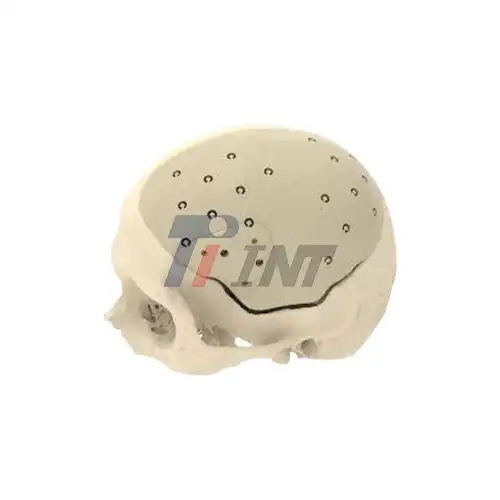
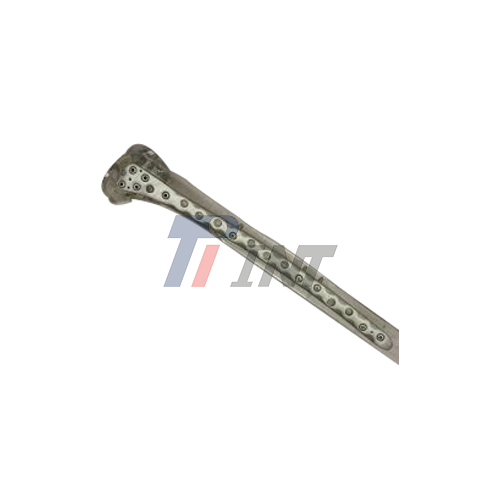
To cut Gr2 Titanium Foil well, you need to understand how the material works, pick the right cutting method, and make sure the quality is checked thoroughly. The type of cutter you use will depend on how much you need to cut, how difficult the forms are, and how exact you need the cuts to be. People who work in procurement have to judge companies based on the tools they offer, their professional knowledge, and any quality certifications they have. It's important to handle and check materials the right way after they've been cut to keep them in good shape and follow the rules when dealing with tricky things like medical gadgets and airplane parts.
FAQ
Q1: What thickness range is suitable for mechanical shearing of titanium foil?
A: Cutting titanium foil with a machine works well for pieces up to 0.3 mm thick. To keep gauges that are less than 0.05 mm from breaking, you need special tools with blade gaps that are very close to the right size. More than 0.3 mm thick materials should usually be cut with a laser or a waterjet to get the best edge quality.
Q2: How does cutting titanium foil compare to stainless steel processing?
A: It takes different cutting settings and types of tools to cut titanium foil because it hardens and springs back better than stainless steel. The material is less thermally sensitive, which means that heat is more likely to damage it when it is cut with a laser. This means that the cutting speed and power need to be slowed down.
Q3: What lead times should be expected for custom-cut titanium foil components?
A: Ordinary cutting methods have lead times of two to three weeks from the time an order is placed. Lead times can go up to four to six weeks for items with difficult shapes or special surface treatments. Shipping times are affected by the capacity of suppliers and the availability of raw materials. This is especially true for large orders or needs that aren't standard.
Q4: Can titanium foil be cut using conventional scissors or manual tools?
A: Manual cutting tools shouldn't be used for exact work because the edges might not be sharp enough and they could get dirty. Dedicated titanium cutting tools with carbide or ceramic tips work best for small amounts. Automatic or advanced cutting methods, on the other hand, make sure that the quality stays fixed for big amounts.
Q5: What special considerations apply to medical grade titanium foil cutting?
A: For medical purposes, waste must be kept to a minimum. This means that cutting tools must not contain iron and processes must not use chemical agents. You need to keep records like material certificates, cutting parameters, and test results to show that you are following the rules. Biocompatibility tests may be needed for parts of devices that are implanted.
Partner with Baoji INT Medical Titanium Co., Ltd. for Premium Cutting Solutions
Baoji INT Medical Titanium Co., Ltd. makes good Gr2 Titanium Foil, so you can trust them. For more than 20 years, they've been making titanium goods that are safe for medical use. Our quality systems are approved by ISO 13485:2016, and our cutting rooms are state-of-the-art. This makes sure that the work we do on medical devices is always accurate and free of contamination. Not only do we help you choose the products, but we also do the final check and give you all the paperwork you need to keep track of them. Contact our expert staff at export@tiint.com to talk about your specific cutting needs and find out how our advanced skills can help you make your supply chain more efficient while still maintaining the highest quality standards.
References
1. Davis, J.R., "Titanium: A Technical Guide, 2nd Edition," ASM International Materials Park, 2006.
2. Leyens, C. and Peters, M., "Titanium and Titanium Alloys: Fundamentals and Applications," Wiley-VCH Verlag GmbH, 2003.
3. American Society for Testing and Materials, "ASTM B265-20: Standard Specification for Titanium and Titanium Alloy Strip, Sheet, and Plate," ASTM International, 2020.
4. Boyer, R., Welsch, G., and Collings, E.W., "Materials Properties Handbook: Titanium Alloys," ASM International, 1994.
5. International Organization for Standardization, "ISO 5832-2:2018: Implants for Surgery - Metallic Materials - Part 2: Unalloyed Titanium," ISO Technical Committee, 2018.
6. Rack, H.J. and Qazi, J.I., "Titanium Alloys for Biomedical Applications," Materials Science and Engineering C, Volume 26, Issues 8-9, 2006.