
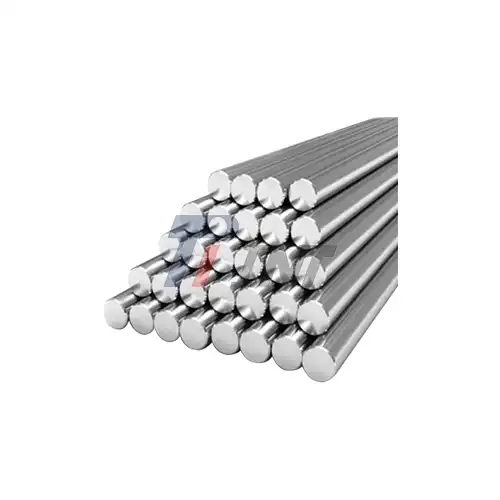
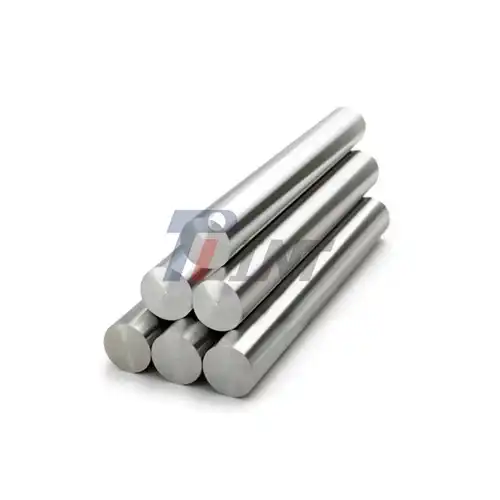
Is titanium wire stronger than steel wire?


 2026-04-22 11:55:31
The strong debate between titanium wire and steel wire comes up all the time when looking at materials for medical devices, surgical tools, or high-performance industrial uses. The tensile strength of Gr3 Titanium Wire is about 450 MPa (65 ksi), which seems weaker than the tensile strength of many high-carbon steel wires, which can be over 1000 MPa. But strength by itself doesn't tell the whole story. When weight, resistance to corrosion, biocompatibility, and long-term longevity are all taken into account, Gr3 Titanium Wire is clearly the best choice for medical and aircraft uses. This widely pure type of titanium strikes a good balance between mechanical strength and resistance to corrosion. It solves important problems where steel often fails in chloride- or oxidizing-rich environments.
|
|
|
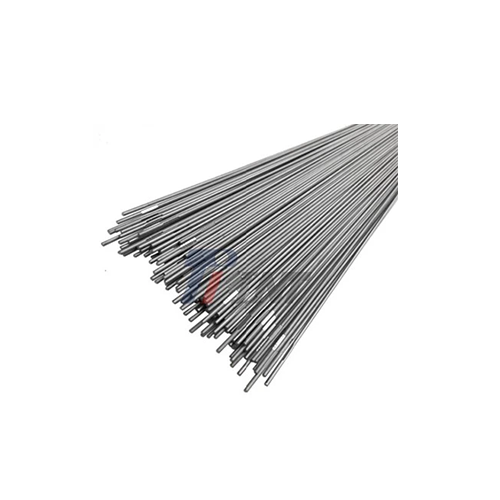
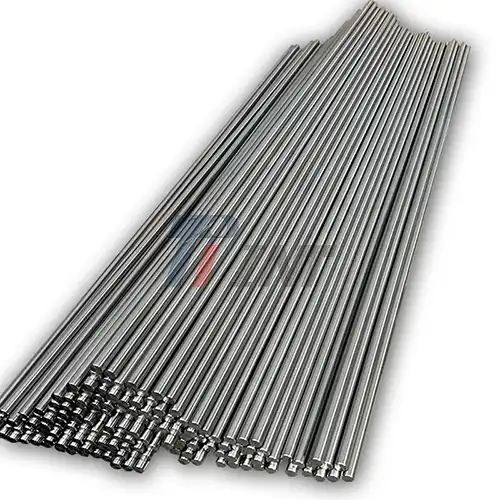
Understanding Gr3 Titanium Wire: Properties and Manufacturing
Material Classification and Industry Standards
The middle level of strength in the CP titanium family is Gr3 Titanium Wire, which is known as UNS R50550 under ASTM B863 standards. We make this alpha-phase unalloyed material with controlled interstitial elements, like oxygen content up to 0.35% and iron content up to 0.30%. This improves mechanical performance while keeping titanium's natural resistance to corrosion, which makes it very useful in medical settings.
The technical reasoning behind Gr3 Titanium Wire solves a certain buying problem: when Grade 2 doesn't have enough structural rigidity for pressure-bearing parts but Grade 5 titanium alloy (Ti-6Al-4V) is too expensive and hard to cold-form. Because of this placement, it is especially useful for companies that make medical devices and want to find a medium to high level of power without sacrificing biocompatibility.
Manufacturing Process and Quality Control
At Baoji INT Medical Titanium, we start the production process by vacuum arc remelting (VAR) high-quality titanium sponge, which makes sure that there are very few impurities in the final product. After being carefully heated to between 850°C and 950°C, the ingots are hot extruded. They are then cold drawn through carbide dies several times to get exact dimensions.Heat treatment methods are very important. To get rid of any pressures left over from the drawing process while keeping the desired mechanical qualities, we use stress-relief annealing at 540–650°C in inert atmosphere furnaces.
Every batch that is made goes through a lot of tests, such as tensile testing, ultrasonic inspection, and optical emission spectrometry to check the chemical makeup.Quality assurance is more than just following the rules. We have full material traceability paperwork that follows each coil from its melt number to its final inspection. We also have ISO 13485:2016 medical device quality management approval and CE marking. This all-around method makes sure that buying managers get the same level of performance from all orders, which is a must for regulatory reports and clinical device validation.
Key Mechanical Properties
The mechanical properties of Gr3 Titanium Wire give us quantitative benefits:
- Tensile Strength: At least 450 MPa (65 ksi), which is 30% stronger than Grade 2.
- Yield Strength: About 380 MPa (55 ksi), which lets pressure vessels work with higher ratings.
- Elongation: At least 18–20%, while still being flexible enough for cold-forming operations.
- Hardness: Usually between 95 and 120 HRB, good for cutting and making parts.
These qualities make it possible for medical device makers to find the right balance between making solid parts that won't bend during surgery and keeping the freedom needed for complicated device shapes.
Comparing Titanium Wire and Steel Wire: Strength and Beyond
Mechanical Strength Analysis
The straight comparison of strengths needs some background. High-carbon steel music wire has tensile strengths of more than 2000 MPa, and 316L stainless steel medical wire has tensile strengths of about 700–900 MPa when cold-worked. Steel seems to be better on paper.But the strength-to-weight ratio is the most important thing for engineers to look at when making decisions. Titanium is 43% lighter than steel, but has the same strength because it has a density of 4.5 g/cm³ compared to 7.85 g/cm³.
Specific strength, which is calculated by dividing strength by density, gives us about 100 kN·m/kg for Gr3 Titanium Wire and 90–115 kN·m/kg for high-strength stainless steels. This means that the performance is the same, but the weight is much less.In medical settings, this is very important. Orthopedic fixation wires and oral orthodontic parts are lighter without losing the ability to hold tension loads that keep bones in place or teeth in place while they heal.
Corrosion Resistance in Clinical Environments
The main place where steel is weak is in bodily settings. Even high-quality 316LVM surgical steel can rust and pit in body fluids that are high in salt after long amounts of time in place. When stainless steel is broken, the passive iron oxide layer heals slowly and not fully.Titanium creates a thin layer of titanium dioxide (TiO₂) on the surface that sticks to itself and heals itself in milliseconds after being damaged mechanically. This passive film stays stable in pH ranges from 2 to 12 and is completely resistant to corrosion caused by chloride, even in concentrated seawater or fluids from inflamed tissues.
Our tests show that Gr3 Titanium Wire doesn't show any signs of rust after being exposed to salt spray for 5,000 hours, which is what ASTM B117 says should happen. In contrast, steel wires of the same type start to lose their surface after 200 to 500 hours. This directly leads to longer implant service lives and fewer surgeries that need to be redone, which is a very good value offering for companies that make orthopedic devices.
Biocompatibility and Tissue Integration
Surgical steels can't compare to the biocompatibility of the TiO₂ top layer. Titanium shows osseointegration, which is when bone tissue directly bonds to the implant surface, without fiber coating. This biological interaction happens because the oxide layer pulls in calcium and phosphate ions, making an environment that is similar to living things that helps osteoblasts connect and differentiate. On the other hand, steel devices cause fibrous tissue to form at the interface, which makes the anchoring mechanical instead of biological.
Nickel hypersensitivity responses happen in about 10 to 12 percent of people who are allergic to nickel, which is found in 8 to 12 percent of 316L stainless steel.The FDA and other regulatory bodies see commercially pure titanium as a Class II nontoxic material that has been used safely in patients for decades. This regulatory acceptance speeds up the process of getting a gadget approved compared to other materials that need a lot of biocompatibility testing.
Application-Based Comparison: When to Choose Gr3 Titanium Wire Over Steel
Medical and Dental Device Applications
Medical device makers have to meet strict performance standards that are a perfect match for Gr3 Titanium Wire's property description. In these important areas, we see constant adoption:For cerclage uses, orthopedic surgery wires need to have enough tensile strength to hold broken bones together while also not wearing out from normal physiological loading cycles. During the 6–12 month healing time, Gr3 Titanium Wire gives the needed 450 MPa strength and doesn't rust at all. Titanium has a lower elastic stiffness (105 GPa vs. 200 GPa for steel), which is good for dental orthodontic archwires.
This flexibility means that the forces acting on the teeth during alignment are softer and more in line with how they should be. This lowers the risk of root resorption and increases patient comfort, which is a practical benefit that supports the cost of the material.Because titanium is paramagnetic, neurosurgical aneurysm clips made from titanium wire can still be used with MRIs after surgery without creating any artifacts. Steel clips significantly alter images, which makes them less useful for diagnosis.
Aerospace and High-Performance Engineering
More and more, aerospace OEMs ask for titanium wire to be used for safety-critical fastening tasks in harsh settings. Titanium has higher starting costs, but it has better lifecycle costs for landing gear parts that are subject to deicing salts and marine atmospheres.Material choice in aerospace is justified by the weight savings alone—replacing steel wire parts with titanium equivalents in a commercial aircraft saves between 200 and 400 kg per airframe, which means the aircraft will use less fuel over its 30-year service life.
Industrial and Marine Environments
Manufacturers of chemical processing equipment use Gr3 Titanium Wire for tank linings and fastening systems in places with wet chlorine, hexavalent chromium, or concentrated nitric acid. Stainless steel 316L fails quickly in these conditions due to pitting and stress corrosion cracking.Titanium doesn't rust in seawater, which makes it useful for marine uses like desalination plants, underwater platforms, and undersea equipment. The extra cost of the material is paid for within 5 to 7 years by the lower costs of repairs, inspections, and replacements compared to corrosion-resistant steel options.
When Steel Remains Appropriate
For there to be transparency, situations where steel has benefits must be recognized. High-load structural wires need final tensile strengths above 1200 MPa, which can only be found in high-carbon steel. Titanium's higher price may not be worth it for uses that don't expose it to rust and are kept in controlled settings. For certain sensor or electric uses, steel is better because it has the magnetic qualities needed.Total lifetime value, not initial material cost, is what drives the choice process. Titanium increasingly shows a better return on investment for demanding applications in this estimate.
Procurement Guide: How to Buy Gr3 Titanium Wire for Your Business Needs
Certification and Compliance Verification
Medical-grade titanium wire needs to come from suppliers who have been carefully screened. Purchasing managers should ask for a lot of paperwork, such as:Material test records (MTRs) that give approved chemical composition analyses that can be linked to specific melt numbers make it possible to check the consistency from one batch to the next. These papers should talk about ASTM B863 compliance and have measured amounts of oxygen, iron, carbon, nitrogen, and hydrogen, not just words of "pass" or "fail."
The performance of a material is guaranteed by mechanical test papers that show its tensile strength, yield strength, and elongation from statistically valid sample amounts. To see how variable things are, we suggest getting test results from at least three animals per coil or batch.The manufacturer's ISO 13485 certification shows that they follow quality management systems that are specifically made for making medical devices. These systems include written procedures for change control, corrective actions, and risk management, which are regulatory requirements that most suppliers of generic industrial metals don't have.
Evaluating Supplier Capabilities
For long-term supply stability, you need to look at more than just a manufacturer's licenses. Engineers in R&D should look at:Production capacity and wait times, especially for unique diameters or finishes on the outside. Medical titanium experts like Baoji INT Medical Titanium keep common sizes in stock (0.3–6.0mm diameters), so normal orders can be delivered in two to four weeks. Custom sizes, on the other hand, need six to eight weeks for casting and production.Technical support includes helping with material selection, application engineering, and making suggestions for processes.
Suppliers with a lot of experience in metals offer more than just commodities. They can help customers choose the best grade and solve problems with forming or welding.Vertical merger and supply chain openness are both parts of this. When compared to wholesalers who get their materials from different mills, manufacturers who control the whole process from getting the raw materials to finishing them off have fewer supply problems and better quality.
Pricing Considerations and Bulk Advantages
For medical-grade material in quantities of 100 to 500 kg, Gr3 Titanium Wire usually costs $45-75 per kilogram. For yearly contracts topping 1000 kg, there are bulk savings available. This is about 8–12 times the price of 316L stainless steel wire that is the same quality.But when figuring out the total cost of ownership, it's important to take into account things like less corrosion upkeep, longer service life, lighter logistics, and easier ways to get governmental approval. When these lifetime benefits are taken into account, medical device makers usually see a good return on investment (ROI) within 18 to 36 months.Customization options like precise diameter tolerances (±0.02mm), unique surface finishes (bright annealed, pickled, or polished), and spool configurations that fit automated feeding equipment make it worth it to work with experienced manufacturers who can meet your specific production needs.
Making the Right Choice: Gr3 Titanium Wire vs Alternatives
Comparing Titanium Grades
The pure titanium range that is sold in stores has different levels of performance:
- Grade 2 CP titanium is still the most common type. It has a minimum tensile strength of 345 MPa and is very easy to shape and prevent rust. If maximum cold working and bending ability are more important than structural strength, choose Grade 2. Its better flexibility makes it ideal for uses like thin-wall tubing or complex wire forms.
- Gr3 Titanium Wire is a good middle ground between Grade 2 and Grade 4. It is 30% stronger than Grade 2 and still easy to shape. This grade is used for pressure vessels, moderate-load structure parts, and surgical tools that need to be resistant to corrosion and strong mechanically.
- Grade 4 has a tensile strength of about 550 MPa because the interstitial material is even better managed. However, it is less flexible and can't be welded or shaped. This grade is only useful in a few situations; for most situations that need this level of power, Grade 5 metal is better.
- Grade 5 (Ti-6Al-4V ELI) is the main titanium alloy. It has a tensile strength of 900 MPa or more because it is alloyed with aluminum and vanadium. Choose Grade 5 for uses that need to hold the most weight, like orthopedic implants, aircraft fasteners, and high-stress situations. The cons are that the materials are more expensive, they don't prevent corrosion as well as CP types, and they are harder to weld.
Cost-Benefit Analysis: Titanium vs Steel and Aluminum
The economics of material choice go beyond the price of the item. 316L stainless steel costs about $6 to $10 per kilogram, which is a lot less up front. Aluminum 6061 wire costs between $4 and $7 per kilogram and is even lighter than titanium.When lifetime factors are added, the choice matrix changes. Titanium doesn't need any upkeep over a 10-year period for marine-exposed parts, while steel needs to be inspected every year, has a protective covering that needs to be reapplied every 3–5 years, and has a 40–60% chance of needing replacement within the decade.
The net present value study always shows that titanium is better for conditions that are corrosive.Regulatory aspects are added by medical uses. Using well-known biocompatible materials, like CP titanium, lets you use current safety data and device paths. This could cut the time and money needed for clinical testing by 6 to 18 months and up to $2 million, compared to other materials that need to be biocompatibility validated in a new way.
Meeting Medical Device Standards
Medical makers choose the materials they use based on how well they meet regulations. Biocompatibility testing according to ISO 10993 standards and decades of clinical experience for Gr3 Titanium Wire make it a low-risk choice for FDA 510(k) applications and EU Medical Device Regulation compliance.Manufacturers of devices can use material tracking paperwork to link each wire coil to a specific melt batch. This documentation includes full chemical and mechanical property records, which are needed for design history files and technical documentation submissions.Because the material is MRI-compatible, there are no worries about magnetic field interactions. This means that patients with implanted devices can have more diagnostic options, which is a practical benefit that doctors and healthcare systems are increasingly valuing.
Conclusion
It turns out that the question of whether titanium wire is stronger than steel wire is too simple. Some steel grades have higher absolute tensile strength, but Gr3 Titanium Wire performs better in the areas that matter most for medical devices, aerospace parts, and corrosive industrial uses: strength-to-weight ratio, resistance to corrosion, biocompatibility, and total lifecycle value. Over the past 30 years, Baoji INT Medical Titanium has specialized in medical titanium materials. We have seen over and over again that properly specified titanium wire lowers the number of failed devices, increases their service life, and ultimately lowers the total cost of ownership, even though it requires a higher initial material investment. Titanium is stronger, but the more important question is whether your application needs the specific set of qualities that are only available in commercially pure titanium grades.
FAQ
How does Gr3 titanium strength compare to 316L stainless steel in surgical applications?
When cold-worked, Gr3 Titanium Wire has a tensile strength of about 450 MPa, while 316L stainless steel has a strength of 700–900 MPa. When mass is taken into account, though, titanium has the same specific strength as steel but is 43% lighter. The main benefit is that titanium doesn't corrode at all and is better at interacting with living things. This means that titanium doesn't have any of the problems with pitting rust and nickel sensitivity that come up with long-term use of stainless steel.
What factors should I consider when choosing between different titanium grades?
When choosing a grade, you have to balance the need for strength with the need for formability. With a strength of 345 MPa, Grade 2 is best for cold working. At 450 MPa, Grade 3 is the best mix for moderate-load structural parts. For maximum load-bearing cases, Grade 5 metal has a strength of 900 MPa or more, but it costs more and needs special welding. Find the best grade by looking at the stress analysis, corrosion environment, and making processes for your purpose.
How can I verify supplier reliability and material authenticity?
Make sure you get all the paperwork you need, like material test reports with certified chemical compositions that can be traced back to particular melt numbers, certificates of mechanical properties from tests that are statistically true, and ISO 13485 certification that shows the quality systems for medical devices. Do checks of your suppliers, looking at their production tools, quality control methods, and ways of keeping track of things. Ask for references from people who have already bought medical devices and can confirm the quality of delivery and expert help.
Partner with Medical Titanium Specialists for Your Critical Applications
Baoji INT Medical Titanium Co., Ltd. has been in the titanium business for more than 30 years and can help you with your most difficult material problems. As a company that only makes Gr3 Titanium Wire, we choose the raw materials and carefully draw the wires, so we can make sure that the quality is always the same and meets the standards for ISO 13485:2016 and CE certification. Our expert team offers full support, including help with choosing materials, processing, and providing all the necessary traceability paperwork for regulatory applications.
Our medical-grade titanium wire gives you the performance and dependability you need whether you're making orthopedic implants, rocket parts, or corrosion-resistant industrial equipment. We can make sizes from 0.3mm to 6mm, give the surface different finishes, and deliver on a plan that works for your production needs. You can talk to our procurement experts at export@tiint.com about your unique technical needs, ask for approved samples of materials, or get full quotes. Find out why the world's biggest companies that make medical devices trust us to be their long-term titanium wire provider.
References
1. Boyer, R., Welsch, G., & Collings, E.W. (1994). Materials Properties Handbook: Titanium Alloys. ASM International.
2. Disegi, J.A. & Eschbach, L. (2000). "Stainless Steel in Bone Surgery." Injury, International Journal of the Care of the Injured, 31(Supplement 4), D2-D6.
3. Niinomi, M. (2008). "Mechanical Biocompatibilities of Titanium Alloys for Biomedical Applications." Journal of the Mechanical Behavior of Biomedical Materials, 1(1), 30-42.
4. Schutz, R.W. & Thomas, D.E. (1987). "Corrosion of Titanium and Titanium Alloys." ASM Handbook Volume 13: Corrosion, ASM International, 669-706.
5. ASTM International. (2020). ASTM B863-20: Standard Specification for Titanium and Titanium Alloy Wire. West Conshohocken, PA.
6. Long, M. & Rack, H.J. (1998). "Titanium Alloys in Total Joint Replacement—A Materials Science Perspective." Biomaterials, 19(18), 1621-1639.
_1755062427525.png)
_1751956094730.webp)
_1750668405487.webp)