
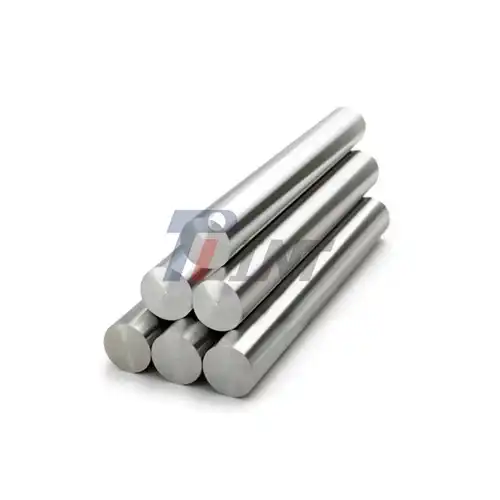
Why ISO 5832-3 Ti6Al4V Titanium Bar Is Essential for Surgical Implants


 2026-03-04 09:58:13
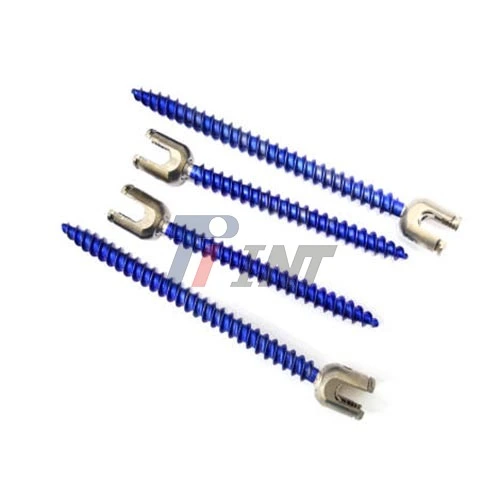
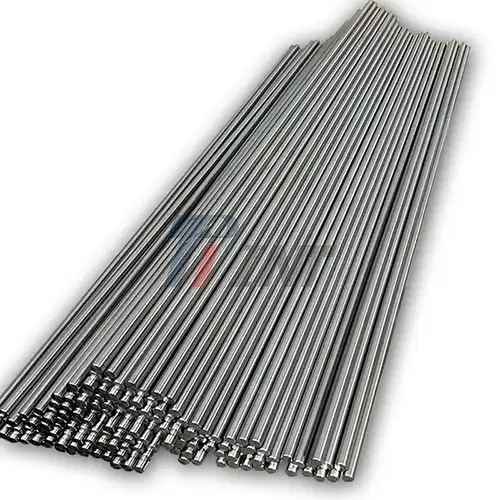
The ISO 5832-3 Ti6Al4V Titanium Bar represents the gold standard in medical-grade titanium alloys for surgical implant manufacturing. This specialized material combines exceptional biocompatibility with superior mechanical properties, making it indispensable for hip replacements, dental implants, spinal fusion devices, and orthopedic hardware. The ISO 5832-3 certification ensures strict adherence to international quality standards, providing medical device manufacturers with reliable, traceable materials that meet FDA and CE regulatory requirements. As the backbone of modern implantable devices, this titanium alloy delivers the strength, durability, and tissue compatibility essential for successful long-term surgical outcomes.
|
|
|
Introduction
In order to be successful, modern surgical implants need materials that are able to blend in perfectly with human biology while yet retaining their structural integrity over the course of decades of use. Due to the fact that it has an unrivaled combination of strength, biocompatibility, and long-term endurance, the Ti6Al4V titanium bar is considered to be the most important material for surgical implants. Orthopedic surgery has been transformed by this alpha-beta titanium alloy, which has made it possible to perform a wide range of procedures, including hip replacements and spinal fusion devices that can last a patient's whole life.
When considering the current regulatory climate, it is impossible to exaggerate the importance of ISO 5832-3 certification on a worldwide scale. The basis for international compliance and the guarantee of patient safety is provided by this tough standard, which assures that titanium alloys satisfy the strict standards for the fabrication of medical devices. Manufacturers of medical devices all around the globe depend on this certification as their assurance of the quality of their materials and their compliance with regulatory standards.
This all-encompassing handbook is geared for procurement professionals and engineers working in the business-to-business medical sector. It provides information that is crucial for making well-informed buying choices and conducting efficient supplier evaluations. Having a thorough understanding of the intricacies involved in the procurement of medical-grade titanium may be the deciding factor between successful product launches and expensive delays caused by regulatory agencies.
Understanding ISO 5832-3 Ti6Al4V Titanium Bar
Chemical Composition and Specifications
For the procurement of Ti6Al4V ELI Titanium Bar to be successful, it is necessary to have a grasp of the market dynamics, the capabilities of the suppliers, and the quality requirements that guarantee the success of the project. Because of the high value and crucial nature of applications, such as medical implants and aerospace components, it is necessary to carry out verification and supplier selection procedures with great care. This ensures that the materials meet the stringent specifications and regulatory standards required for these critical uses.
The standards for grain size, microstructure, and surface polish are included in the defined specifications. These factors have a direct influence on the performance of implants. Organizations responsible for procurement need to be aware that even minute variations in composition may have a major impact on the biocompatibility and mechanical qualities of a product. By obtaining the ISO 5832-3 certification, one may be certain that the products in question continuously satisfy these stringent criteria.
Mechanical Properties and Performance Characteristics
Titanium bars made of Ti6Al4V have great mechanical qualities, which makes them an excellent choice for load-bearing implants. Because the material has a minimum tensile strength of 860 MPa and a yield strength of 795 MPa, it is capable of providing adequate strength for spinal rods and hip stems. Because of its exceptional fatigue resistance, implants are able to sustain millions of loading cycles without failing, which is one of the key considerations in the design of orthopedic devices.
The elastic modulus of the alloy is roughly 114 GPa, which is quite similar to the cortical bone material, which has a modulus of 15-30 GPa. This reduces the stress shielding effects that may lead to bone resorption surrounding implants. When compared to alternatives made of stainless steel, which have much greater elastic moduli, this biomechanical compatibility constitutes a substantial benefit.
Heat Treatment and Manufacturing Optimization
In order to maximize the qualities of titanium bars that are of medical grade, it is essential to use the appropriate heat treatment techniques. The typical mill-annealed state comprises heating the material to temperatures between 700 and 800 degrees Celsius, followed by controlled cooling. This results in a microstructure that is balanced between alpha and beta phases. Through this treatment, both strength and ductility are maximized, resulting in the creation of materials that are suited for complicated implant geometries.
The elimination of inclusions and the maintenance of homogenous microstructures are both achieved via the use of advanced production processes such as vacuum arc remelting and electron beam melting. Due to the fact that these procedures have a direct impact on the dependability of materials and the longevity of implants in surgical contexts, the manufacturing capabilities of suppliers are an essential factor to consider when making a purchase.
Why ISO 5832-3 Ti6Al4V Titanium Bar Is Ideal for Surgical Implants?
Superior Biocompatibility and Tissue Integration
Titanium alloy Ti6Al4V is the material of choice for placing permanent surgical implants due to its remarkable biocompatibility. Titanium, in contrast to stainless steel and cobalt-chromium alloys, generates a persistent oxide layer that effectively limits the release of ions into the tissues that are directly around it. The presence of this oxide layer facilitates osseointegration, which is the direct structural and functional link that exists between live bone and the surface of the implant.
The results of clinical trials consistently reveal that titanium implants have a mild inflammatory response and great tissue compatibility over the long term. Additionally, due to the non-magnetic qualities of the material, it is compatible with magnetic resonance imaging (MRI), which enables patients to undertake diagnostic treatments without experiencing any difficulties. For the purpose of satisfying severe standards imposed by the FDA and foreign regulatory agencies, producers of medical devices depend on these biocompatibility features.
Mechanical Advantages and Longevity
Because of its higher mechanical performance in comparison to other implant materials, ISO 5832-3 Ti6Al4V Titanium Bar is especially useful for applications that involve high levels of stress. Because of the alloy's exceptional strength-to-weight ratio, it is possible to develop implants that are lighter in weight, hence reducing the strain placed on patients while yet preserving their structural integrity. When it comes to spinal applications, where weight reduction has a direct influence on patient comfort and recuperation, this trait shows to be very helpful.
The excellent corrosion resistance of the material in physiological conditions prevents the implant from degrading over time. Titanium is able to keep its structural integrity for decades, in contrast to stainless steel, which might undergo pitting corrosion in bodily fluids that are high in chloride. Because of its durability, there is less of a need for revision operations, which leads to better results for patients and lower overall healthcare expenses.
Standard Ti6Al4V vs. Extra Low Interstitial (ELI) Grade
The procurement teams are able to make more educated material decisions when they have a better understanding of the differences between the regular grade of Ti6Al4V and the Extra Low Interstitial (ELI) grade. When compared to the standard grade, the ELI grade, which is sometimes referred to as Grade 23 titanium, has a lower interstitial element concentration, notably oxygen (with a maximum of 0.13% as opposed to 0.20%). There is a considerable improvement in fracture toughness and ductility as a result of this decrease.
Because of its improved characteristics, titanium of the ELI grade is especially well-suited for applications that need better damage tolerance and implants with thin walls. The increased performance characteristics of ELI grade justify the expenditure for crucial applications like as dental implants and cardiovascular devices, despite the fact that ELI grade demands a higher price than other grades.
Comparing ISO 5832-3 Ti6Al4V with Other Materials and Standards
ISO 5832-3 vs. ASTM F136 Standards
ISO 5832-3 and ASTM F136 are both standards that regulate medical-grade Ti6Al4V; nevertheless, there are some minor distinctions between the two that influence procurement choices. Additionally, the ELI grade is explicitly addressed by ASTM F136, while the typical Ti6Al4V compositions are covered by ISO 5832-3. When procurement teams have a better understanding of these differences, they are better able to specify acceptable materials for various implant applications.
The testing requirements and acceptance criteria differ widely from one standard to the next, which has an impact on the processes for quality control and the expenditures associated with certification. For global medical device makers that serve several markets with differing regulatory requirements, having suppliers who are capable of satisfying both standards provides them with additional flexibility.
Cost-Benefit Analysis vs. Alternative Materials
It is common for procurement teams to be concerned about the initial material cost disparity when comparing Ti6Al4V to alternatives manufactured from stainless steel. An exhaustive cost-benefit study, on the other hand, indicates that the higher performance attributes of titanium justify the premium price. Implants made of stainless steel may need modification sooner than expected owing to corrosion or mechanical failure, which may result in an increase in the overall lifespan expenses.
Composites made of cobalt and chromium have a high strength, but they do not have the biocompatibility benefits of titanium. The possibility of metal sensitivity responses and the greater elastic modulus of the material both contribute to clinical downsides that compensate for any cost savings that may be realized. There is a growing awareness among producers of medical devices that the choice of materials has an effect on the long-term performance of the product as well as the liability risk.
Supply Chain and Procurement Considerations
There are a variety of particular issues that are presented by global titanium supply chains, which procurement teams need to negotiate carefully. Because of the concentrated nature of titanium sponge manufacturing, there is a possibility of supply bottlenecks occurring, especially during times of swings in demand within the aerospace sector. In order to reduce the impact of these risks, it is helpful to establish agreements with different approved suppliers.
In general, the lead times for medical-grade titanium bars may vary anywhere from eight to sixteen weeks, depending on the needs of the specifications and the circumstances of the market. When designing production schedules, procurement methods must to take into consideration the prolonged durations that are involved. It is possible to dramatically decrease the risks associated with the supply chain by working with suppliers that retain strategic inventory.
Sourcing and Procurement Best Practices for ISO 5832-3 Ti6Al4V Titanium Bars
Supplier Certification and Quality Assurance
The most important part of purchasing titanium for medical purposes is making sure that the vendors you choose are accredited. Material certifications are not the only thing that suppliers are required to provide; they must also demonstrate compliance with ISO 13485 medical device quality management systems. The fulfillment of this dual criteria, along with the certification of ISO 5832-3 Ti6Al4V Titanium Bar, guarantees that the production procedures adhere to the norms of the medical device sector, ensuring both material quality and regulatory compliance.
The methods for auditing should analyze the quality systems of the suppliers, the capabilities of the traceability system, and the resources for technical assistance. In addition to providing detailed material test reports, heat treatment certificates, and extensive chain of custody documents, the top suppliers also provide these services. The regulatory audits and customer quality evaluations are two situations in which these talents become absolutely necessary.
Customization Options and OEM Partnerships
The evolution of contemporary medical devices often necessitates an expansion of regular options to include bespoke titanium bar requirements. Value-added services, including as precision cutting, surface treatment, and the creation of bespoke alloys, are provided by leading vendors. Because of these characteristics, makers of medical devices are able to maximize the use of their materials and minimize the expenses associated with secondary processing.
Genuine original equipment manufacturer (OEM) cooperation options go beyond the basic provision of materials and encompass cooperative product development and production collaboration. The ability of suppliers to conduct research and development in-house allows them to assist the creation of new products while also guaranteeing that the specifications of the materials meet the performance criteria. Partnerships like this often result in the development of novel solutions that provide benefits over competitors.
Logistics and International Shipping Strategies
When there is a need to get titanium bars from other countries, effective logistics management becomes very necessary. For the purpose of preventing contamination that might undermine material certifications, proper packing and handling are essential. The criteria are understood by suppliers who have expertise in the logistics of medical devices, and they take the necessary precautions to protect themselves.
Compliance with import rules and the provision of appropriate documents for customs clearance are two of the factors that should be considered when exporting internationally. Suppliers with extensive experience provide comprehensive export paperwork and are able to give guidance on the regulatory requirements that vary from country to country of destination. These services simplify the process of purchasing goods and services and lessen the costs of administrative work.
Ensuring Quality and Compliance in Medical Device Manufacturing
Quality Control Measures and Testing Protocols
At every stage of the supply chain, titanium bars are subjected to stringent quality control techniques to guarantee that they fulfill the criteria of the specifications. It is necessary for the operations of incoming inspection to test the chemical composition, mechanical qualities, and surface quality in comparison to the requirements of the purchase. The proper inspection levels for the various risk categories are provided by statistical sampling programs that are based on military requirements by the military.
In order to discover probable material flaws prior to processing, advanced testing capabilities such as ultrasonic inspection, dye penetrant testing, and metallographic analysis are used. Providers that make investments in thorough testing equipment not only exhibit their dedication to quality but also have the ability to give precise data on the characterisation of materials.
Regulatory Compliance and Traceability Requirements
Complete traceability, beginning with the raw material and continuing all the way through to the finished product, is an essential need in the manufacture of medical devices. Throughout the whole of the manufacturing process, production documentation systems are required to keep track of material lot numbers, heat treatment data, and inspection reports. This traceability makes it possible to respond quickly to any quality concerns and helps ensure compliance with regulatory requirements.
The scope of regulatory compliance include not only the requirements of the materials, but also the registration of suppliers, the inspection of facilities, and continuing monitoring actions. Collaborating with suppliers who are aware of these standards and who keep their registrations up to date helps to decrease the risks associated with compliance and facilitates the easy submission of regulatory documents.
Case Studies in Successful Implant Applications
The efficacy of titanium materials that have been provided with the appropriate sources in implant applications is validated by real-world performance data. Over the course of 15 years, hip replacement systems that are made from certified Ti6Al4V have shown exceptional clinical results, with survival rates that are more than 95%. The necessity of properly selecting materials and ensuring that suppliers are qualified is further highlighted by these findings.
A further example of the success that medical-grade titanium uses have achieved is the development of spinal fusion devices. Innovative implant designs that not only stimulate bone healing but also provide instant structural support are made possible by the combination of biocompatibility and mechanical characteristics. The clinical results that have been achieved have helped to develop trust in the production procedures and material suppliers.
Conclusion
The ISO 5832-3 Ti6Al4V Titanium Bar remains the cornerstone material for modern surgical implant manufacturing, offering an unparalleled combination of biocompatibility, mechanical strength, and regulatory compliance. Its proven track record in orthopedic, dental, and cardiovascular applications demonstrates the material's versatility and reliability across diverse medical device segments. The strict ISO 5832-3 certification ensures consistent quality and regulatory acceptance worldwide, making it the preferred choice for medical device manufacturers seeking reliable, compliant materials. As surgical techniques advance and patient expectations increase, the importance of high-quality titanium materials continues to grow, reinforcing the critical role of proper supplier selection and procurement practices in successful medical device development.
FAQ
Q1: What makes ISO 5832-3 Ti6Al4V different from other titanium grades?
A: ISO 5832-3 Ti6Al4V is specifically designed for surgical implants with controlled chemical composition, enhanced biocompatibility, and strict quality standards. Unlike industrial titanium grades, it undergoes rigorous testing for medical device compliance and features precise aluminum and vanadium content optimized for biological environments.
Q2: When should I choose ELI grade over standard Ti6Al4V?
A: ELI (Extra Low Interstitial) grade titanium is recommended for applications requiring superior fracture toughness and ductility, such as thin-walled implants, dental devices, or cardiovascular applications. The reduced interstitial element content improves damage tolerance but commands premium pricing.
Q3: How can I verify supplier authenticity and certifications?
A: Verify supplier certifications through direct contact with certification bodies, request current ISO 13485 certificates, and conduct supplier audits. Legitimate suppliers provide complete traceability documentation, material test reports, and welcome quality system inspections.
Partner with Baoji INT Medical Titanium Co., Ltd. for Premium ISO 5832-3 Ti6Al4V Solutions
Baoji INT Medical Titanium Co., Ltd. stands as your trusted ISO 5832-3 Ti6Al4V Titanium Bar supplier, bringing over 30 years of titanium industry expertise to your medical device manufacturing needs. Our comprehensive quality certifications including ISO 9001:2015, ISO 13485:2016, and EU CE ensure complete regulatory compliance for global markets. With advanced production capabilities and rigorous quality control systems, we deliver customized titanium bar solutions that meet your exact specifications while maintaining consistent supply chain reliability.
Our technical support team provides comprehensive assistance from material selection through processing optimization, ensuring your implant designs achieve optimal performance characteristics. Contact our export team at export@tiint.com to discuss your specific requirements and discover how our certified materials can enhance your medical device manufacturing capabilities.
References
1. Rack, H.J. and Qazi, J.I. "Titanium alloys for biomedical applications." Materials Science and Engineering C, vol. 26, no. 8, 2006, pp. 1269-1277.
2. Geetha, M., Singh, A.K., Asokamani, R., and Gogia, A.K. "Ti based biomaterials, the ultimate choice for orthopaedic implants – A review." Progress in Materials Science, vol. 54, no. 3, 2009, pp. 397-425.
3. Niinomi, M. "Mechanical biocompatibilities of titanium alloys for biomedical applications." Journal of the Mechanical Behavior of Biomedical Materials, vol. 1, no. 1, 2008, pp. 30-42.
4. Long, M. and Rack, H.J. "Titanium alloys in total joint replacement—a materials science perspective." Biomaterials, vol. 19, no. 18, 1998, pp. 1621-1639.
5. Boyer, R., Welsch, G., and Collings, E.W. "Materials Properties Handbook: Titanium Alloys." ASM International, Materials Park, Ohio, 1994.
6. Liu, X., Chu, P.K., and Ding, C. "Surface modification of titanium, titanium alloys, and related materials for biomedical applications." Materials Science and Engineering R, vol. 47, no. 3-4, 2004, pp. 49-121.
_1751958555199.webp)
_1750662435585.webp)