
How To Make Thin Titanium Foils In Industry?


 2026-04-17 08:41:39
Industrial manufacturing of Titanium Foil involves sophisticated cold rolling processes using twenty-high Sendzimir mills that transform raw titanium coils into ultra-thin sheets ranging from 0.001mm to 0.25mm thickness. The process combines precise mechanical reduction with controlled annealing cycles to achieve the exceptional strength-to-weight ratio and corrosion resistance that makes titanium foil indispensable for aerospace, medical device manufacturing, and high-performance electronics applications where material failure simply isn't an option.
|
|
|
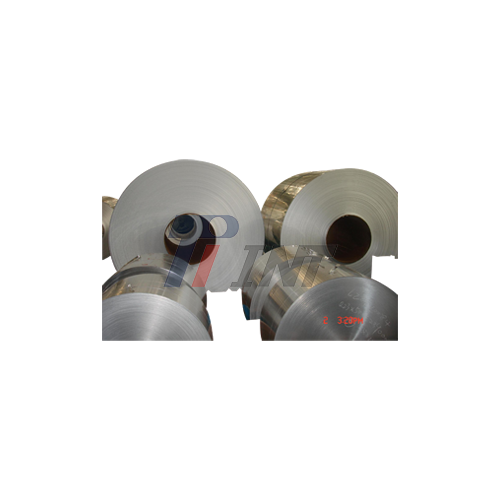
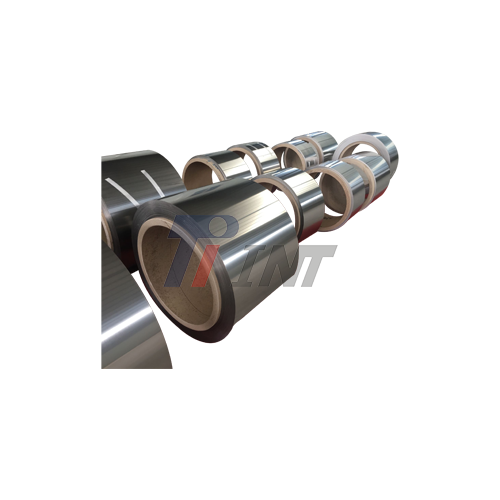
Comprehending Titanium Foil and Its Market Demand
In contemporary industrial making, Titanium Foil is one of the hardest and most satisfying materials. This special product has a very thin profile, usually between 0.002mm and 0.25mm. It also has special dynamic qualities that make it different from other materials. It is an important part of many high-tech businesses because it is flexible, very resistant to rust, and very stable at high temperatures.
What Sets Titanium Foil Apart from Other Materials
Titanium foil is different from thicker sheets or mesh goods because it is used in industries where room is limited and weight reduction is very important. Because it is biocompatible and not magnetic, the material is very useful in medical settings. It is also the best choice for the aerospace and chemical processing industries because it can handle harsh chemical conditions without breaking down.
Key Industries Driving Market Demand
Several key industries are mainly responsible for the high demand for thin titanium goods around the world. Aerospace companies use these materials to make lightweight structure parts and thermal shields that have to work in harsh circumstances. Biocompatible grades are used by medical device makers for implants and surgery tools where patient safety is very important. These very thin materials are used by electronics companies in bendable circuits and MEMS devices, where regular metals would get in the way of performance.
Global Supply Chain Considerations
There are well-known makers in the foreign supplier scene who have a history of quality and dependability. Companies like TIMET and ATI, as well as local experts like Baoji-based manufacturers, have built their names on steady quality standards and a reliable supply chain. When procurement workers are in charge of complicated logistics, they need to know what each provider can do in terms of licenses, technical support, and delivery performance in order to make smart buying choices.
Challenges in Producing Thin Titanium Foil and Why Industrial Techniques Matter
Producing ultra-thin Titanium Foil presents unique technical challenges that require advanced manufacturing solutions. While titanium's inherent properties are beneficial for many applications, they also create significant processing difficulties that demand careful control to ensure consistent quality outcomes.
Technical Obstacles in Manufacturing
One of the biggest problems with making foil is that the thickness isn't always the same. To get a regular gauge across long coils, you need to carefully control the rolling forces and mill setup settings. During the many rolling passes needed to reach the desired thickness, surface flaws can appear. Also, the material is easily oxidized during heat treatment, so the atmosphere needs to be carefully managed.
Material Brittleness and Work Hardening
Titanium's ability to harden through work adds to the difficulty of the rolling process. Things are more likely to crack and split along the edges as the material gets smaller. To deal with these problems, you need to use complex annealing schedules between rolling passes to keep the workability of the material while getting the mechanical traits you want in the end product.
Quality Control Imperatives
To get around these output problems, more advanced manufacturing methods are needed. Modern factories use controlled atmosphere processes, real-time thickness tracking systems, and surface inspection technologies to make sure the standard is always the same. When procurement professionals understand these technical problems, they can better understand why investing in sellers with strong industrial skills leads directly to more reliable products and lower operational risk in their own manufacturing processes.
Step-by-Step Industrial Process to Manufacture Thin Titanium Foils
A very carefully planned series of steps are used to make Titanium Foil. These steps turn raw titanium into very thin, exceptionally precise sheets. To meet the strict requirements of current industrial uses, each step needs to be carefully controlled and watched.
Material Selection and Preparation
The first step is to choose the right titanium types based on how they will be used. The first grade of titanium is very flexible and can be used for deep drawing or complicated shaping tasks. The second grade has better strength properties. Medical-grade titanium goes through extra steps of cleaning to make sure it meets biocompatibility standards. The raw material usually comes in the form of hot-rolled coils that need to have their surfaces prepared first to get rid of scale and get them to the right quality for further processing.
Primary Rolling Operations
When you roll something hot, you lower its original thickness while keeping its temperature in a range that makes it easy to work with. The material goes through several stands with gaps that get smaller and smaller. This reduces the width a lot without making it too hard to work with. During this phase, controlling the temperature is very important because too much heat can cause grain growth that weakens the material's mechanical properties, and too little heat makes it hard to work with and more likely to crack.
Intermediate Processing and Annealing
The material goes through controlled annealing processes in between rolling passes. These processes ease internal pressures and make the material flexible again. These heat processes take place in safe environments that stop rusting and keep the quality of the surface. The temperature, time, and rate of cooling during annealing are carefully chosen based on the type of titanium and the desired mechanical qualities.
Final Cold Rolling and Surface Treatment
Precision cold rolling with special mills that can keep tight accuracy controls is what reduces the thickness to the final level. Acid pickling and polishing are two surface processes that get rid of any leftover scale and give the surface the finish it needs for certain uses. During this phase, quality control methods include checking the surface for defects and keeping an eye on the thickness to make sure the end product meets all the requirements.
Quality Assurance and Testing
Strict quality control methods make sure that the end product meets the needs of the customer. Using modern gauge methods to measure thickness uniformity makes sure that the dimensions are the same along the whole length of the coil. Testing the mechanical properties makes sure of things like strength, bending, and other important features. Checking the surface quality finds any flaws that might affect how well the product works in its final use.
Comparison of Titanium Foil with Other Foil Materials in Industry
Titanium Foil regularly shows better performance traits than other thin metals when used in demanding applications. When buying teams know about these comparative benefits, they can choose materials that are better for both performance and cost-effectiveness.
Performance Against Traditional Materials
Aluminum foil is easier to shape and cheaper than titanium, but titanium is stronger and can handle higher temperatures better. In situations where light weight is important, titanium has a much higher strength-to-weight ratio, which lets smaller parts be used and saves even more weight. Copper foil is a great conductor of electricity, but it doesn't fight corrosion as well as titanium does in tough chemical conditions.
Advantages Over Stainless Steel and Nickel Alloys
Stainless steel foils don't rust as easily as titanium foils, but they are much heavier and can crack from stress corrosion in salt conditions, where titanium stays stable. Nickel metals work well at high temperatures, but they are not biocompatible enough to be used in medical settings. The fact that titanium is not magnetic also means that it doesn't cause problems in sensitive electrical uses where magnetic materials would.
Application-Specific Benefits
In aerospace applications, Titanium Foil withstands the extreme thermal cycling and acoustic vibrations of jet propulsion systems while maintaining structural integrity at temperatures where aluminum alloys lose strength. Medical device manufacturers benefit from titanium's bio-inertness, which allows for soft tissue healing without inflammatory responses that can occur with other metallic materials. The flexibility of thin titanium foil combined with its chemical resistance makes it ideal for precise surface coverage tasks where dimensional stability is critical.
Procuring Thin Titanium Foil: What B2B Clients Should Know?
Understanding the specifics of this niche market is necessary to successfully buy high-quality thin titanium materials. When buying titanium foil instead of common metals, there are technical issues that affect how well it is made and how reliable it will be in the long run.
Customization and Specification Requirements
Standard products can't always meet the needs of modern industrial uses that need specific sizes and mechanical qualities. Leading providers give you a lot of ways to customize your order, such as choosing specific thickness limits, surface styles, and mechanical property goals. During the early stages of the sourcing process, procurement teams should make sure that sellers understand their exact technology needs so that they can meet delivery dates.
Pricing and Volume Considerations
When it comes to pricing, Titanium Foil is usually sold by the kilogram, with savings for bigger orders. Since the manufacturing method is very specific, setup costs can be high. This means that bigger orders are more cost-effective. Knowing the minimum order requirements and wait times helps procurement teams plan the right amount of supplies and keep track of their working capital needs.
Supplier Evaluation Criteria
When looking for trusted providers, you need to look at more than just price. Quality certifications like ISO 9001, AS9100 for aircraft uses, and ISO 13485 for medical device production show that a seller is dedicated to quality systems. Technical skills like having in-house testing facilities, technical support, and the ability to control the production process can be very helpful when making new products and keeping up with output.
Supply Chain Risk Management
With international buying, you need to pay close attention to how reliable the deliveries are and how strong the supply chain is. Suppliers that have been around for a while and have a history of on-time delivery and consistent quality help keep operations running smoothly. Building ties with several qualified suppliers can give you backup choices and help you keep prices low by encouraging suppliers to compete with each other.
Conclusion
In the industrial production of Titanium Foil, there is a complex mix of advanced metals, precision engineering, and quality control that results in materials that can meet the most exacting needs. Unique qualities of ultra-thin titanium materials continue to lead to new ideas in many fields, from medical implant parts to thermal shields in spacecraft. This guide talks about factory challenges, comparative benefits, and procurement issues. By reading it, B2B professionals can make smart sourcing choices that improve their businesses' performance and cost-effectiveness.
FAQ
Q1: What thickness range defines industrial titanium foil?
A: Industrial Titanium Foil typically ranges from 0.001mm to 0.25mm thickness, though most applications fall between 0.002mm and 0.1mm. The specific thickness depends on the use. For example, smaller gauges are used for electronics, while thicker materials are used for structural aircraft parts.
Q2: How does titanium foil compare to aluminum in corrosion resistance?
A: When it comes to rust protection, titanium foil is better than aluminum, especially in chloride and acidic situations. Aluminum has a protected oxide layer, but some chemicals can break it down. Titanium's oxide layer, on the other hand, is more durable and protects against a wider range of harsh conditions.
Q3: Can titanium foil be customized for specific medical applications?
A: Customizations can be made to medical-grade titanium foil for many uses, such as biocompatible surface treatments, exact measurement limits, and improving the material's mechanical properties. To meet the needs of specific surgeries and implants, we can make holes, shapes, and packages that are completely clean.
Q4: What welding considerations apply to thin titanium foil?
A: To avoid contamination that weakens the titanium foil during welding, high-purity argon must be used as a neutral gas screen. Resistance spot welding and laser welding in controlled atmospheres are popular ways to put things together. It is important to use the right backing gas to keep both sides of the weld from oxidizing.
Q5: How does foil thickness affect mechanical properties?
A: The basic qualities of a material don't change no matter what size it is, but how it handles and how it can be shaped can change a lot. Handling thinner foils with more care is needed to keep them from getting damaged, but they are more flexible for more complicated shaping operations.
Partner with Baoji INT Medical Titanium Co., Ltd. for Premium Titanium Foil Solutions
Baoji INT Medical Titanium Co., Ltd. stands as your trusted titanium foil manufacturer with over two decades of specialized experience in medical-grade titanium materials. Our ISO 9001:2015 and ISO 13485:2016 certified facility produces high-precision Titanium Foil that meets the stringent requirements of medical device manufacturers, aerospace companies, and electronics producers. With complete traceability documentation, customized processing capabilities, and reliable international delivery, we provide the technical support and quality assurance your procurement team demands. Contact our expert team at export@tiint.com to discuss your specific requirements and discover how our advanced manufacturing capabilities can optimize your supply chain performance.
References
1. Boyer, R., Welsch, G., & Collings, E.W. (2007). Materials Properties Handbook: Titanium Alloys. ASM International, Materials Park, Ohio.
2. Lutjering, G. & Williams, J.C. (2003). Titanium: Engineering Materials and Processes. Springer-Verlag, Berlin.
3. American Society for Testing and Materials. (2019). ASTM B265-19: Standard Specification for Titanium and Titanium Alloy Strip, Sheet, and Plate. ASTM International, West Conshohocken, PA.
4. Peters, M., Kumpfert, J., Ward, C.H., & Leyens, C. (2003). Titanium Alloys for Aerospace Applications. Advanced Engineering Materials, Volume 5, Issue 6.
5. Rack, H.J. & Qazi, J.I. (2006). Titanium alloys for biomedical applications. Materials Science and Engineering: C, Volume 26, Issue 8.
6. International Organization for Standardization. (2018). ISO 5832-2:2018 - Implants for surgery - Metallic materials - Part 2: Unalloyed titanium. Geneva, Switzerland.
_1753426579714.webp)
_1753425743099.webp)
_1752820927376.webp)
_1751956867796.webp)
_1751956094730.webp)