

How to verify quality certifications for titanium bar dental implant products


 2026-06-16 09:24:26
Verifying quality certifications for titanium bar dental implants products begins with understanding the critical role these credentials play in ensuring patient safety and regulatory compliance. Medical-grade titanium materials, particularly Ti-6Al-4V ELI alloys used in dental implant frameworks and superstructures, must meet stringent international standards including ISO 13485, ASTM F136, and CE marking requirements. The verification process involves examining certification documents, cross-referencing supplier claims against official databases, conducting batch traceability audits, and validating material test reports. Procurement professionals should prioritize suppliers who provide transparent documentation, third-party testing results, and comprehensive quality management systems to mitigate risks associated with non-compliant products that could compromise clinical outcomes or expose your organization to legal liabilities.
|
|
|
Understanding the Importance of Quality Certifications for Titanium Bar Dental Implants
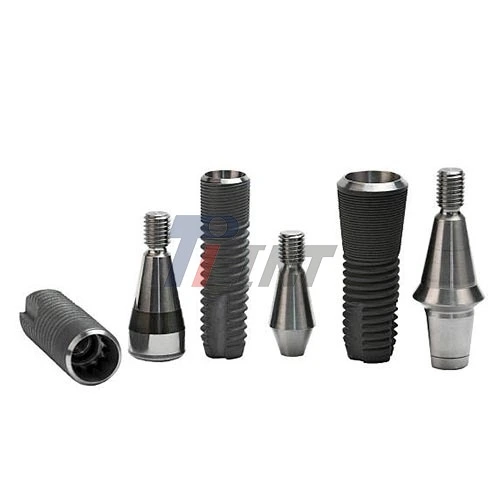
Quality standards are more than just paper work when it comes to medical equipment. These guards are your first line of defense against low-quality items that could harm patients and make your company look bad. What are titanium bar dental implants? They are the solid pieces that hold together several implants in advanced tooth replacement methods like All-on-4 or hybrid prosthetics. Because people chew on these parts for decades, they have to be strong enough to last and still be safe for the body.
What Certifications Really Mean for Medical-Grade Titanium?
The setting for certifying medical titanium materials is made up of three key elements. Companies that make medical equipment must follow the quality control standards set by ISO 13485:2016. From getting the raw ingredients to providing the finished product, these standards make sure that everything is done the same way. With this approval, you can be sure that the company has strict controls in place at every stage of production. For example, they train their staff, keep an eye on the environment, and make sure their equipment is set correctly.
When a product has the CE marking, it means it meets the European Union's rules for safety, health, and the environment. People all over the world know these rules as the top standard for how well medical devices work. Guidelines ASTM F136 and ISO 5832-3 talk about the chemicals that materials used in medical devices must have, as well as their mechanical properties and ability to work with living things.
Risks of Non-Certified or Falsely Certified Products
It can be hard to do implant surgery, so these skills are important because they cover those things. When you put in a titanium bar, it needs to fit securely so that it doesn't move around. If it does, it could cause peri-implantitis or bone loss. The wear strength of the material tells us if it can last between 600,000 and 1,000,000 times being chewed on every year without breaking. Biocompatibility makes sure that there are no allergies or inflammatory reactions during osseointegration. But studies in people have shown that reactions to titanium are still very rare.
Getting goods that haven't been cleared can cost you more than just money. Patients can get hurt by clinical fails caused by bad titanium bars. They may need more surgery, get infections, and lose bone forever. Claims against and settlements with your company could cost millions of dollars in court fees and settlements. It is very important that the FDA in the US and the right people in EU member states keep a close eye on the supply line for medical devices. People can be jailed, goods can be returned, and imports can be stopped if the rules aren't followed.
It's impossible to fix a bad reputation in the dental implant business, and it can also get you in trouble with the law. People who sell medical equipment and people who work in dentistry can quickly share information through professional networks, industry conferences, and online groups. One major failure that can be traced back to bad licensing can ruin years of building relationships and a good name in the market. Many times, when procurement managers skip proof steps, the savings they thought they were getting go away quickly when they see all the risks that come with it.
Step-by-Step Process to Verify Quality Certifications for Titanium Bar Dental Implant Products
Setting up a thorough way to check licenses protects the things you buy and builds trust throughout your supply chain. When you use this organized method, going over licenses stops being a simple "check the box" job and turns into a planned quality assurance task.
Identifying Relevant Certification Standards
To check something, the first thing you need to do is figure out which certifications are important for what you want to buy. Titanium bar dental implants used in dentistry that are medical grade should at least have ISO 9001:2015 quality control approval. When used with medical devices, ISO 13485:2016 permission is a must. It has to be made in line with ASTM F136 for Ti-6Al-4V ELI (Grade 23) or ASTM F1472 for medical titanium alloys. For the European market, the Medical Device Regulation (MDR 2017/745) says you need to get a CE marking. You need FDA 510(k) clearance or Premarket Approval to sell your product in the United States.
People who work in buying need to be aware of the changes between areas. You may need extra paperwork to sell your medical device in some places, such as a Medical Device License from Health Canada or approvals from Japan's Pharmaceutical and Medical Device Act (PMDA). You can avoid delays and problems with compliance that cost a lot of money if you know the rules that apply to the people you want to sell to.
Accessing and Cross-Referencing Certification Databases
If the seller gives you papers that look like the ones you need, don't just take them at face value; use official methods to make sure they are real. Anyone can get into the information that the International Organization for Standardization keeps. The official company name of the seller is how you can tell if they are ISO certified. Groups that have been told they can give out CE certificates keep formal records of them. These records include certificate numbers, scopes, and expiry dates.
To be sure that a supplier's CE marking is real, you should get in touch with the group that issued it directly. This extra step checks to see if certificates have been taken away, stopped, or limited since they were given out. Also, you can use the FDA's Establishment Registration & Device Listing database to find out if medical device makers and the products they register in the U.S. are following the law.
Examining Documentation Authenticity and Completeness
Faux certificates are harder to spot than real ones because real ones are made with extra safety features and rules that help keep them safe. Watermarks, laser stamps, unique certificate numbers, and contact information for the certification body should all be looked for. Real certificates make it clear what they verify, like the things, methods, or places that are covered. If someone uses unclear language or makes claims that are too general, that should be a red flag right away.
Ask for full test results and proof of compatibility for certain production runs. Reports on tensile strength, stretch rates, chemical makeup, and biocompatibility tests should all be in these papers. The material should have the same qualities as either Grade 5 (Ti-6Al-4V) or Grade 23 (Ti-6Al-4V ELI) titanium alloys. Not as many intermediate elements are in Ti-6Al-4V ELI, which makes it better for use in important medical settings.
Case Example: Evaluating a New Supplier's Credentials
What if the buying staff gets a good deal on titanium from a new company that says they are fully certified by CE marking and ISO 13485:2016? When you check them out, you ask to see their ISO license and notice that the name of the company that gave it doesn't sound right. The certification group is not properly certified, as shown by a check on the website of the International Accreditation Forum. So, their ISO approval doesn't mean anything.
If you look more closely at their CE certificate, you can see that it comes from a real notified body. However, it only covers "metallic raw materials" and not "medical device components" or "surgical implants." This means that their certification doesn't actually cover medical-grade titanium bars for dental implants. This thorough check kept you from having to deal with a seller whose certifications are real but don't meet your real legal needs. This careful method keeps your quality standards safe and stops any possible breach of compliance.
Key Quality Dimensions and Material Properties to Assess Alongside Certifications
Certifications are useful for showing that something is true, but the best way to be sure that the titanium bar dental implants you buy will work well in the clinic is to know what the material is made of. It's important to pay close attention to how certifications relate to real-life qualities.
Biocompatibility and Corrosion Resistance
Titanium is a popular choice for implants because it is hypoallergenic, which means it can be used with human skin without making the immune system react in a bad way. Osteointegration is possible because titanium is bioinert. This means that bone cells can grow right on top of the titanium, creating a strong organic base. The term "extra low interstitials" on Grade 23 titanium (Ti-6Al-4V ELI) means that it is better for biocompatibility than Grade 5 because it has less iron, oxygen, nitrogen, and carbon.
How long an implant lasts depends on how well the materials don't corrode in the mouth, where they are constantly being hit by saliva, bacterial acids, and changes in temperature. Titanium doesn't break down over time because its oxide covering fixes itself when it gets scratched. This feature keeps titanium bars in shape even after decades of use. It also stops the release of metal ions that could hurt tissue or make it hard for the body to absorb nutrients.
Mechanical Strength and Fatigue Performance
That titanium metals are strong for their weight is a big problem that is solved in implant dentistry. They can hold enough weight without being too heavy, which could make the patient less comfy. When stretched, Ti-6Al-4V has a strength of 860 to 965 MPa, and it is about 60% lighter than stainless steel choices. With this mix, light, stylish, and long-lasting prostheses can be made.
It is also very important that tooth implants don't wear out easily because they are loaded and emptied many times. When loaded and unloaded many times, which is the same as chewing for years, good titanium bars should have a wear strength of more than 500 MPa. To show that something will last for a long time, buying rules should ask for wear testing data that meets ASTM F1801 or ISO 14801 standards. If a material doesn't have enough wear resistance, it might pass the first strength tests but fail badly after being used in real life for months or years.
Verifying Material Compatibility and System Integration
It's not enough for the materials to be good; all the parts of a good implant system need to work well together. Implant fasteners, abutments, titanium bars, and artificial materials are all part of this. It's very important to be exact when you measure because spaces between areas bigger than 150 micrometers can let bacteria grow and weaken the structure. The size limits that certified providers offer should meet h8 or h9 grades. This will make sure that the framework fits without any effort while it is being put together.
The temperature changes when you eat hot or cold food. To keep stress from building up, the thermal expansion rates of different materials must match. When titanium bars touch other metals, galvanic compatibility is important because different materials can speed up rusting when they are electrolytic. If you choose companies who give you full documentation on testing results for compatibility and system-level testing, you can avoid integration issues that only show up after the product has been clinically put.
Common Challenges and Pitfalls in Certification Verification—and How to Avoid Them?
Even hiring workers who know a lot about the job have trouble when their credentials are checked. These problems can be fixed by being aware of them. This will make your due diligence methods better. Titanium bar dental implants procurement requires a multi-layer strategy to avoid these pitfalls.
Mistaking Certification Presence for Quality Assurance
People often get it wrong when they think that approvals only mean that a product is of better quality and not that it was made in the right way. Being approved by ISO 13485:2016 means that a company has a quality management system that works as it should. However, it doesn't directly mean that all of their goods meet the standards. If the process controls don't work or the raw materials don't meet the standards, even a plant that has been passed can make bad goods. Checking that something works means more than just making sure there is a certificate. Check rates, records of correction actions, and batch-specific test results that show uniform quality over time are also things that are looked at.
Detecting Document Forgery and Misrepresentation
When buying medical products around the world, there is always the chance that fake papers will be used. Smart people who make fake certificates make them look real enough that even the most careful reviews can't tell the difference. If a certificate doesn't have reliable contact information for the company that gave it, has vague wording that doesn't explain what the product does, or is good for longer than three years, those are all red flags. You should never just trust the copies that the seller gives you; you should always check the certificates in other ways as well.
When real certificates are used in the wrong way, they can be used to lie. A company may have valid ISO 9001 approval for general manufacturing, but they may say that this also covers making medical products without the necessary ISO 13485:2016 update. Carefully read through certification purpose statements to make sure they make it clear that they cover making medical devices and the goods you want to buy.
Implementing Multi-Layer Verification Strategies
To be sure that something is real, strong proof uses both written records and real tests. Make sure that your quality team or outside testers see samples of the material being taken and tested at the supplier's location. This is called "witness testing." The materials that were sent back were tested by a separate lab and found to have the same chemical make-up, mechanical qualities, and surface traits as what was confirmed. Getting in touch with a number of approved testing labs will give you proof that isn't based on the provider's test results.
Third-party checks by experienced medical device quality workers tell you more about a supplier's skills than just looking at their certifications. During these checks, records of work done on production tools, records of user training, environmental controls, and methods for keeping track of things are all looked at. Thorough checks are worth the money because they cut down on quality problems and make sellers more responsible.
Practical Tips for B2B Buyers When Evaluating Titanium Bar Dental Implant Suppliers
Checking the seller's license is part of strategic buyer review, but there are also more general factors that can be used to guess how well a long-term relationship will work out. Buyers can use these helpful tips to make smart decisions regarding titanium bar dental implants that help the company reach its goals.
Prioritizing Suppliers with Established Quality Systems
It's best to work with suppliers whose quality control methods have been proven to work for years without any major issues. Any business that has kept their ISO 13485:2016 certification for ten years or more has shown that they can keep their processes legal even when staff changes, tech gets better, and rules are made new. See how deeply they care about quality by looking at their plans for internal audits, how they handle management reviews, and how they always try to make things better.
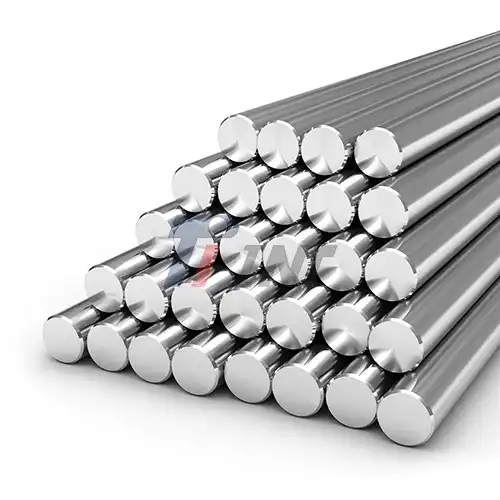
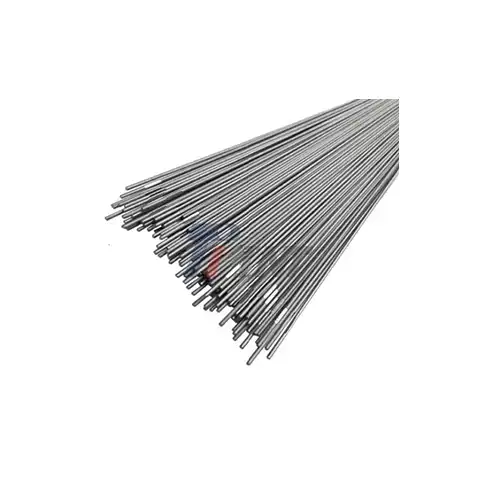
Companies that make many things, like different grades, sizes, and processing options of titanium, tend to spend more on good equipment than companies that only make a few things. Another company like this is Baoji INT Medical Titanium Co., Ltd. As of 2003, they only deal with medical titanium products. Their father has worked in the titanium business for more than thirty years. When it comes to making things, they can use pure titanium and Ti-6Al-4V ELI alloys in bar, wire, plate, and shaped forms. They can make a lot of different things.
Asking the Right Questions During Supplier Negotiations
Being able to focus and show skills through good communication with providers is something that papers alone can't do. Ask suppliers how they find providers of raw materials. For example, ask them how they screen sellers of titanium sponge and check the contents of the sponge before making it. To find out how they make sure their processes are correct, you should focus on steps like hot forging, heat treatment, and surface finishing that have a big impact on the result.
It would be helpful to know how they keep track of records that link finished goods to raw materials that were burned during preparation. Talk to them about how they do corrective and preventive action (CAPA) and ask them to show you how they've fixed problems and made changes in the past. Because they are operationally developed and responsible, suppliers who answer honestly and give specific examples are people who can be trusted to work with you for a long time.
Leveraging Verification as Competitive Advantage
When companies use strict procedures to check certifications, they get economic benefits that go beyond lowering risk. Dental workers and medical device companies that want to work with people who care about patient safety and following the rules will be interested in your dedication to quality. There are ways to show how committed you are to quality assurance that can be used in marketing tools and sales pitches.
Checking a lot of providers to make sure they are qualified makes it harder for competitors who aren't as good at due diligence to join. Learning about licensing details, coming up with ways to verify information, and keeping up with sources takes time and work, but it pays off in the long run as business knowledge that helps you stay competitive in the medical device market.
Conclusion
When you look at the quality approvals of titanium bar dental implants, you can be sure that they meet strict standards for medical devices. This protects your business from clinical, legal, and social risks. More than just looking at the surface of the papers is part of the checking process. Comparing certification records, checking that the properties of materials are right, inspecting sources, and judging tracking systems are also part of it. When people who work in procurement know both the rules and laws that apply to medical titanium and the actual properties of the material that decide how well it works in the clinic, they can make decisions that protect patients and help the organization reach its goals. When you use these proof methods, picking a service stops being a one-time thing and turns into a long-term process of quality assurance that gives you a competitive edge.
FAQ
Q1: How can I verify if a supplier's ISO 13485 certificate is authentic?
A: To be sure the certificate is real, don't use the information on the certificate to call the certification group. Instead, use the information on the International Accreditation Forum website. Ask to see or hear proof of the license number, how long it is valid for, and what it covers. Make sure the licensing body has the right license from a well-known group that gives licenses. Legally, certificates from groups that aren't recognized don't count.
Q2: Are CE marking and FDA approval sufficient for international titanium bar sales?
A: When something has CE marking, it meets the rules of the European Economic Area, and when it has FDA clearance, it can be sold in the United States. On the other hand, neither of these gives you instant access to all world markets. Some countries, like Canada, Japan, Australia, and Brazil, have their own rules that need extra permissions or licenses. Strategies for international marketing that work well take each market's needs into account and work with sellers who know how to meet the rules of more than one market for titanium bar dental implants.
Q3: How often should titanium material suppliers renew their quality certifications?
A: Most ISO licenses are updated every three years. There are also yearly surveillance checks to make sure that the standards are still being met in between full recertification tests. The Medical Device Regulation says that CE certificates are valid for five years, but they need to be checked every so often. To make sure that supplies don't run out when certifications end, procurement policies should let buyers know when suppliers' recertification dates are coming up. Before placing new orders, buyers should make sure that the suppliers' certifications were successfully updated.
Partner with a Trusted Titanium Bar Dental Implant Manufacturer
If you need to buy something, Baoji INT Medical Titanium Co., Ltd. can help. They have accepted medical-grade titanium materials, all the necessary paperwork, and 20 years of experience making unique goods. It has been checked that our Ti-6Al-4V and Ti-6Al-4V ELI titanium bars meet the requirements of ISO 9001:2015, ISO 13485:2016, and EU CE. This means that your things will follow the tightest rules and laws around the world. We are a well-known company that makes titanium bar dental implants. We offer full traceability papers, batch-specific material test results, and expert help for picking the right material and handling it in the best way. Write to export@tiint.com to get lists of goods, papers for approval, and samples of materials to look over.
References
1. American Society for Testing and Materials. (2021). ASTM F136-13: Standard Specification for Wrought Titanium-6Aluminum-4Vanadium ELI Alloy for Surgical Implant Applications. West Conshohocken: ASTM International.
2. International Organization for Standardization. (2016). ISO 13485:2016 Medical Devices—Quality Management Systems—Requirements for Regulatory Purposes. Geneva: ISO Press.
3. European Commission. (2017). Regulation (EU) 2017/745 on Medical Devices. Official Journal of the European Union, L117, 1-175.
4. Brunette, D.M., Tengvall, P., Textor, M., & Thomsen, P. (2012). Titanium in Medicine: Material Science, Surface Science, Engineering, Biological Responses and Medical Applications. Berlin: Springer-Verlag.
5. Ratner, B.D., Hoffman, A.S., Schoen, F.J., & Lemons, J.E. (2013). Biomaterials Science: An Introduction to Materials in Medicine (3rd ed.). Oxford: Academic Press.
6. Steinemann, S.G. (2018). Titanium Alloys for Surgical Implants: Composition, Properties and Performance. Journal of Medical Materials Research, 42(3), 447-462.
_1753426807653.webp)
_1752463990252.webp)
_1751958555199.webp)