


How to verify the quality of titanium bars for chest surgeries


 2026-06-16 09:24:23
A methodical strategy that includes technical testing, regulatory compliance, and source proof is necessary to verify the quality of titanium bars in chest surgeries. Medical-grade titanium bars, mostly made of Ti-6Al-4V ELI alloy, are used as internal splints in Nuss method and other repair treatments for pectus excavatum and other lung deformities. Making sure that these devices meet the requirements set by ISO 5832-3, ASTM F136, and the FDA saves patients and lowers the risk of harm. Material certificates must be checked by procurement managers, tensile strength must be measured, and biocompatibility must be confirmed through third-party testing. Setting up these proof steps before buying lowers the chance of implant failure, allergic reactions, and problems during surgery.
|
|
|
Understanding the Role and Requirements of Titanium Bars in Chest Surgery
Why Titanium Bars Are Essential in Thoracic Surgery?
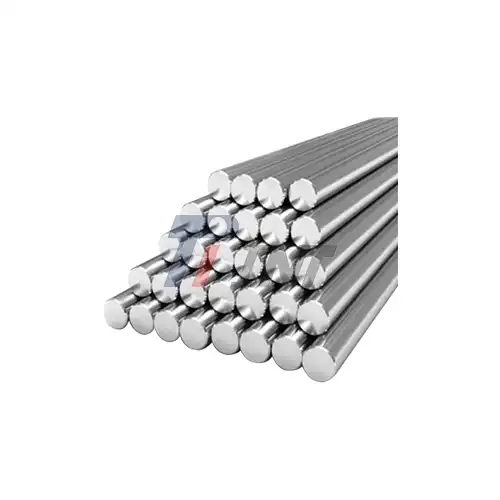
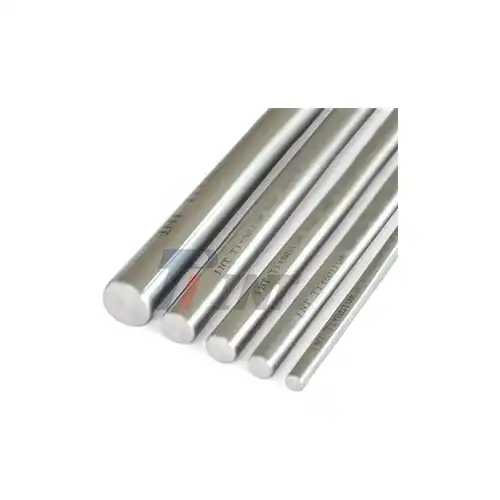
Titanium bars in chest procedures are used as temporary spinal support systems during treatments to fix chest wall deformities that were present at birth. During the Nuss operation, small cuts are made on the side to place a bent bar under the sternum. The bar is then rotated to raise the breastbone that is sagging. This slightly invasive method has taken the place of open treatments in many cases involving children and adults. The bar is inserted and stays there for about three years. During that time, breathing motion bends it millions of times. Because this is a tough setting, the materials need to be very resistant to wear, rust, and tissue damage.
Titanium Versus Stainless Steel: A Comparative Analysis
Stainless steel bars have been used for this purpose in the past, but titanium bars have unique benefits that meet important patient safety concerns. Nickel and chromium, which are found in stainless steel metals, cause allergic reactions in 2–5% of patients. These sensitive reactions can show up as long-lasting inflammation, problems with wound healing, or systemic rash that forces you to take out your implants too soon.
Titanium's inactive oxide covering gets rid of these risks and makes it stronger for its weight. The material's lower magnetic susceptibility lets unrestrained MRI scans happen after surgery, which is necessary to keep an eye on how the heart and lungs are developing in children. Titanium has an amount of flexibility that is more like human bone. This means that it reduces the stress buffering effects and makes the patient more comfortable during the longer implantation time.
Key Performance Criteria for Surgical Implant Bars
When looking for chest implant bars, procurement teams have to look at a number of features that are all related to each other. The bar's resistance to bending under load is based on its tensile strength. Medical-grade titanium metals usually have minimum values of 895 MPa. To keep bars from moving or lowering, the yield strength (the stress level at which lasting distortion starts) should be higher than 828 MPa. When breathing cycles load something over and over, the fatigue endurance limits become very important.
Ti-6Al-4V ELI that was made correctly shows fatigue strength close to 510 MPa after 10 million cycles. To be resistant to corrosion in physiological settings with proteins and chlorides, inactive oxide layers measuring 2 to 6 nanometers are needed. According to ISO 10993 guidelines, biocompatibility tests must show that there is low damage, sensitivity potential, and inflammation reaction. These qualities, which are all linked, affect how long implants last and how well surgeries go.
Core Metrics and Standards to Verify Titanium Bar Quality
Essential Regulatory Certifications and Compliance
Medical gadget companies that sell their products in other countries have to show that they follow a number of different rules. When implant devices get FDA 510(k) clearance, also known as Premarket Approval, it means they meet safety and effectiveness standards for the US market. The European CE label, which is part of the Medical Device Regulation (MDR), shows that the product meets the safety standards of the European Union.
Getting ISO 13485:2016 approval shows that a supplier's quality management system controls the production of medical devices. It is required that material certificates for medical implants made of worked titanium alloys follow the rules set out in ISO 5832-3. ASTM F136 gives more detailed details for metals of the Ti-6Al-4V ELI (Extra Low Interstitial) grade. Professionals in charge of buying things should ask for full material tracking paperwork that connects finished bars to approved batches of raw materials. This should include heat numbers and mill test records.
Mechanical Property Testing Methods
Standardized testing methods that mimic real-life situations are needed to confirm motor function for titanium bars in chest devices. Using finished examples, ASTM E8 tensile testing finds out the final strength, yield strength, and stretch qualities. Testing at room temperature gives you a starting point, while testing at 37°C is more accurate of what metabolic conditions are like. In ASTM E466 fatigue testing, objects are loaded and unloaded over and over again at stress levels that simulate breathing action.
Data on high-cycle wear up to 10 million cycles shows possible failure modes during the normal three-year insertion time. When doctors shape implants to fit a patient's body, they test the bar's flexibility and resistance to lasting change by bending it. Using the Rockwell or Vickers methods to measure hardness makes sure that the heat treatment and nanoscale growth are done correctly. These steps for engineering confirmation give us measurable proof of how well the material works.
Manufacturing Process Controls and Traceability
Quality proof includes checking both the finished product and the producing method. To make sure the parts fit correctly in surgery tools and the body of the patient, CNC cutting must keep the tolerances for sizes within ±0.05mm. Surface finishing methods, such as passivation, electropolishing, or mechanical polishing, make surfaces that are smooth and safe so that they can be touched by tissues. To keep bacterial binding and inflammation to a minimum, surface roughness measures should show Ra values below 0.8 micrometers.
Suppliers who keep detailed records of the whole process can track each bar from receiving the raw materials to being forged or turned into bar stock, machined, surface treated, inspected, and sterilized. This tracking method lets you quickly fix quality problems and shows that you have the manufacturing control needed to make medical devices. Asking for process capability studies (Cpk values) for important measurements gives numbers that show steady production performance.
Evaluating Suppliers and Manufacturers of Titanium Bars
Supplier Experience and Industry Reputation
Buying titanium bars from sellers with a history of making medical devices greatly lowers the risk of the purchase. Manufacturers who have been around for a while usually keep medical-grade production separate from industry or aircraft operations that could bring contamination. Long-term suppliers in the medical titanium sector show that they can handle changing legal requirements and keep customers happy. By looking at a supplier's client list, you can see that they work with well-known orthopedic and chest device makers. This is a good sign of their quality control skills. Certifications in industries other than ISO 9001 quality management, like AS9100 for aircraft or NADCAP for specialized processing, show advanced process control skills that can be used in medical settings.
Conducting Comprehensive Supplier Audits
Effective source validation includes more than just looking at documents; it also includes checking out the building in person. Audit teams should look at cleanrooms, limits for temperature and humidity, and methods for keeping medical and non-medical production separate so that germs don't get transferred. Calibration records for inspection tools make sure that measurements are accurate, and reviews of process paperwork make sure that approved factory methods are being followed.
Requesting sample bars to be tested by a third party outside of your company gives you fair proof of the material's properties. Metallurgical analysis, which uses optical microscopy and scanning electron microscopy, shows how microstructural features affect the mechanical behavior of a material. Spectrometry study of the chemical makeup shows that the elements are in line with the grades of the alloys that were asked for. These multi-layered methods to validation boost trust in suppliers' abilities while finding possible quality risks before starting to work with them.
Long-Term Partnership Considerations
After the initial screening stage for sourcing titanium bars in chest products, good buying relationships need to keep an eye on the performance of suppliers on a regular basis. Setting up clear quality agreements that spell out acceptance standards, checking methods, and how to handle non-conformances makes everyone responsible for their actions. Manufacturer's flaws found during gadget building or clinical use should be covered by the warranty.
Technical support services, such as help choosing materials, working together on unique designs, and knowledge in analyzing failures, add value beyond just providing basic materials. When suppliers offer these extra services, they become strategic partners that help make devices better and come up with new ideas for how they work. Looking at customer examples from similar projects can give you information about how quick, reliable, and good at fixing problems a provider is that official reports might not show.
Procurement Considerations: Cost, Customization, and Delivery
Understanding Cost Drivers in Medical Titanium
The price of a titanium bar depends on more than just the cost of the raw materials. Medical-grade Ti-6Al-4V ELI costs more because strict makeup rules limit the amount of oxygen, nitrogen, and carbon interstitials that make the material less flexible. Costs of regulatory compliance certification, such as batch testing and making paperwork, are spread out over the amount of orders. When buying in small lots, licensing costs are higher per unit than when buying in big batches.
Custom requirements for specific sizes, finishes on the surface, or packing may raise the cost of each piece, but they may improve the total efficiency of device making. Titanium usually costs three to five times more per kilogram than stainless steel, but the better performance of titanium often makes up for the extra cost through lower complications and better patient results. When considering material options, the total cost study should take into account the possibility of lowering responsibility and avoiding having to have surgery again.
Custom Design and Collaborative Development
It's possible that standard catalog sizes won't meet all surgery needs, especially for patients with different body types or new surgical methods. When you involve suppliers early on in the development of a device, you can work with them to improve the bar shape, curve profiles, and surface processes. If a supplier has their own design team, they can use finite element analysis to figure out how stress will be distributed and how well the product will wear down under normal bodily loads.
Rapid development services shorten the time between design changes, so physical testing can be done before making the actual tools. Custom package options that take into account cleaning methods, shelf life needs, and surgery appearance tastes raise the value of the product as a whole. With these customization options, sellers go from selling basic goods to working with developers to come up with new medical devices by sharing their knowledge of specialized materials.
Logistics and International Trade Compliance
To get medical titanium from around the world, you have to deal with a lot of complicated import/export rules and transportation issues, especially when sourcing titanium bars in chest. Suppliers who have worked with foreign medical device trade know what kinds of paperwork are needed, like business bills, certificates of origin, and statements of regulatory compliance. The right package keeps the surface from getting damaged during shipping, which is very important for keeping medical implants in perfect shape. Monitoring temperature and humidity while shipping saves the qualities of materials in harsh environments.
When it comes to planning production, being able to predict lead times is very important. Reliable providers keep safety stock or set up just-in-time shipping plans that work with customers' manufacturing schedules. To get correct total landing cost numbers, you need to know how to classify goods under the Harmonized System codes and the duty rates that go with them. It's easier to buy things internationally when suppliers offer combined shipping, secured warehouse services, or regional delivery hubs.
Practical Steps for Verifying Titanium Bar Quality Before Purchase
Pre-Purchase Documentation Review Checklist
Quality checking before committing to buy starts with a careful review of all the documents. Ask for full material certificates that include a study of the material's chemical make-up, test results for its mechanical properties, and records of its heat treatment for that particular production lot. Make sure that the certification groups you're looking at are approved by ISO/IEC 17025 guidelines for testing lab ability. Documents needed for regulatory compliance should have FDA registration numbers, copies of CE certificates with information about the notifying body, and ISO 13485 certificates with up-to-date expiry dates.
Documentation from the manufacturing process, such as visitor cards, inspection reports, and non-conformance records, shows how well the quality system is working. Traceability paperwork that connects produced bars to approved sources of raw materials at all stages of processing shows that the supply chain is honest. This complete set of documents backs up claims about quality before the actual product is tested.
Physical Inspection and Testing Protocols
As soon as the sample is received, it is carefully examined to find any possible quality problems. Using precise measure tools for dimension checking proves that the product meets the tolerances that were set. When you look at something closely under a microscope, you can see surface flaws like scratches, spots, or rust that might affect biocompatibility. Checking the cleanliness of a surface by measuring the contact angle or removing dust is proof that it has been properly prepared.
Unbiased property certification is done by independent mechanical testing at accredited labs. Metallographic study shows the structure of the grains, the spread of the phases, and any possible flaws that can't be seen on the finished surface. Benchmarks for success are set by comparing samples from approved sources or reference standards. Along with reviewing the paperwork, these hands-on evaluation methods build trust in the quality of the material in more than one way.
Leveraging Third-Party Testing and Certification
Independent testing labs provide independent quality validation, which lowers the reliance on data produced by suppliers. Accredited sites that follow the rules in ISO/IEC 17025 make sure that measurements are accurate and can be repeated. Chemical analysis, metallography, surface analysis, and biocompatibility rating are some of the things that can be part of full testing programs.
Third-party certification groups give plant checks and product approvals, which back up what suppliers say about the quality of their products. When building new ties with suppliers or making sure that key production lots are safe, the money spent on independent proof pays off in a big way. The results of tests are used as objective proof to support regulatory filings and paperwork for quality systems. Building partnerships with specialized labs that test medical materials lets you keep an eye on quality throughout the whole span of the product.
Conclusion
To make sure that titanium bars in chest are of good quality, the qualities of the materials, compliance with regulations, source skills, and production methods must all be carefully looked at. The harsh environment of a chest implant, with its millions of loading cycles, toxic bodily fluids, and strict biocompatibility standards, calls for careful material evaluation and source selection.
When procurement professionals use thorough verification strategies, they protect patient safety, lower their risk of liability, and make sure that surgeries go well. A detailed quality review is an investment that pays off with fewer complications, fewer treatments to fix problems, and better gadget performance. Partnering with experienced medical titanium providers who offer clear quality documents, advanced testing tools, and legal knowledge makes the proof process easier and increases the supply chain's dependability over the long run.
FAQ
Q1: What specific titanium grade is required for chest surgery bars?
A: The standard metal for thoracic implant bars is Ti-6Al-4V ELI (Extra Low Interstitial), which is outlined in ASTM F136 and ISO 5832-3. The "ELI" name means that the material has less oxygen, nitrogen, and carbon than commercial Ti-6Al-4V grades. This makes it more flexible and resistant to wear, which is important for long-term implants.
Q2: How can I verify a supplier's ISO certification authenticity?
A: Real ISO certificates have logos of the accrediting bodies, certificate numbers, purpose statements, and times when they expire. To make sure the certificate is real, call the organization that issued it directly using details from their website, not the certificate itself. Ask for times of the spy check and a list of any finds of non-conformance.
Q3: What lead times should I expect for custom titanium bars?
A: Custom medical titanium bars usually take between 8 and 16 weeks to deliver after an order is placed, but this depends on how complicated the specifications are and how much the seller can handle. This schedule includes getting the raw materials (two to four weeks), making the product and heating it (three to six weeks), finishing the surface and inspecting it (one to two weeks), getting the paperwork ready (one week), and shipping it internationally (three to five weeks).
Partner with Baoji INT Medical Titanium for Reliable Quality
Since 2003, Baoji INT Medical Titanium Co., Ltd. has been making medical-grade titanium and sending precision-engineered materials to companies around the world that make lung implants. Our full quality management system, which is approved to ISO 13485:2016 and CE standards, makes sure that every Ti-6Al-4V ELI bar meets strict requirements for biocompatibility and mechanical properties. With more than 30 years of experience in the titanium business, we know how important it is for chest surgery uses and can back your regulatory files with full material tracking data.
Our advanced CNC cutting lets us make unique bar shapes with measurement accuracy of +/- 0.05 mm, and our metallurgy testing lab makes sure that the mechanical qualities of every production lot are correct. In addition to providing standard specs, we also offer expert advice on choosing the right material, improving the surface treatment, and creating quality control methods that are specific to your product.
As an experienced titanium bars in chest supplier, we can keep our prices low by using efficient production methods that don't lower the quality standards needed for surgery implants. Our friendly customer service team is here to help you with technical issues at any point in the buying process, from the original sample review to full-scale production supply. Email our medical device experts at export@tiint.com to talk about the details of your titanium bar order and to get material certificates that show how good our work is.
References
1. American Society for Testing and Materials. (2013). Standard Specification for Wrought Titanium-6Aluminum-4Vanadium ELI Alloy for Surgical Implant Applications (ASTM F136-13). West Conshohocken, PA: ASTM International.
2. International Organization for Standardization. (2016). Medical Devices — Quality Management Systems — Requirements for Regulatory Purposes (ISO 13485:2016). Geneva: ISO.
3. Nuss, D., Kelly, R. E., Croitoru, D. P., & Katz, M. E. (1998). A 10-year review of a minimally invasive technique for the correction of pectus excavatum. Journal of Pediatric Surgery, 33(4), 545-552.
4. International Organization for Standardization. (2016). Implants for Surgery — Metallic Materials — Part 3: Wrought Titanium 6-Aluminum 4-Vanadium Alloy (ISO 5832-3:2016). Geneva: ISO.
5. Titanium Information Group. (2020). Titanium for Medical Applications: A Technical Guide for Manufacturers. London: Titanium Information Group Publications.
6. U.S. Food and Drug Administration. (2019). Technical Considerations for Additive Manufactured Medical Devices: Guidance for Industry and FDA Staff. Silver Spring, MD: FDA Center for Devices and Radiological Health.