
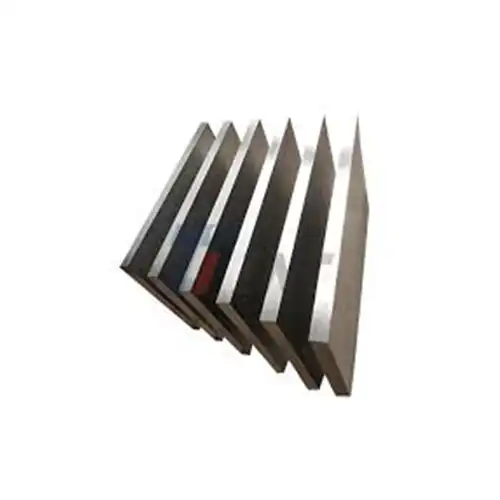

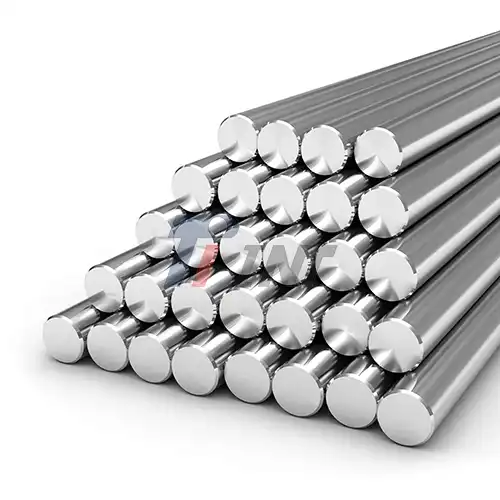
Which manufacturers produce biocompatible GR2 titanium medical bars?


 2026-06-15 10:25:11
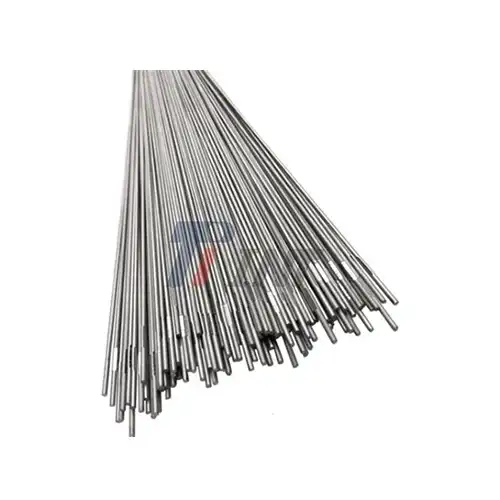
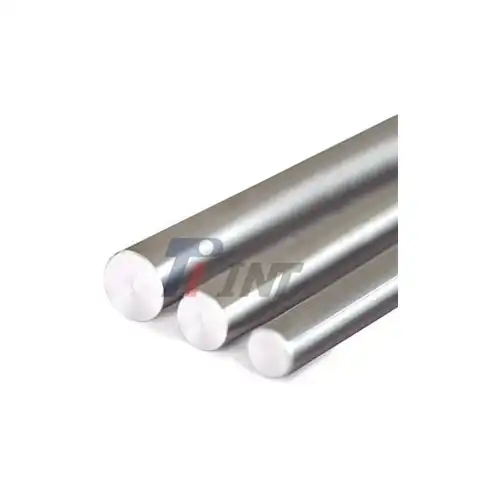
Finding dependable makers is important when looking for biomedical-grade titanium bars for implants, surgical tools, or custom medical devices. Biocompatible Gr2 Titanium Medical Bar is made by a number of reliable companies around the world, such as Baoji INT Medical Titanium Co., Ltd., well-known companies in Europe and North America, and certified Asian makers. These suppliers follow strict rules like ASTM F67 and ISO 5832-2 to make sure their products meet the high standards of medical device companies, OEM/ODM manufacturers, and R&D teams that need reliable technical support, stable quality, and full certifications for life-critical applications.
|
|
|
Comprehending GR2 Titanium Medical Bars: Properties and Applications
Grade 2 commercially pure titanium has a great name in the medical manufacturing industry because it has a unique mix of qualities that directly help patients. As a purchasing manager looking at different types of materials, knowing what makes this grade unique helps you defend your choices to technical teams and government bodies.
Chemical Composition and Purity Standards
Gr2 Titanium Medical Bar stays very pure, with a titanium percentage of more than 99.2%, and interstitial elements are tightly managed. Oxygen stays below 0.25%, nitrogen stays below 0.03%, and carbon stays below 0.08%. This mix gets rid of harmful substances like vanadium and aluminum that are present in some metal types. This stops cytotoxic reactions that put patient safety at risk directly. Because it doesn't have these alloying elements, Gr2 Titanium Medical Bar is naturally hypoallergenic. This is very important when your medical gadget is meant for sensitive patients or will be implanted for a long time.
Mechanical Properties That Solve Clinical Problems
Compared to stainless steel, which has a measure of elasticity of 200 GPa, this material's is only about 105 GPa, which is very close to that of real bone. This technical comparison deals with the stress shielding effect, in which implants that are too stiff weaken the bone around them. Surgeons are becoming more aware of this benefit, especially in orthopedic cases where keeping bones healthy has a direct effect on long-term patient results. Gr2 Titanium Medical Bar is strong enough for many surgical uses (tensile strength of about 345 MPa, extension of more than 20%), but it can still be shaped during surgery for changes.
Biocompatibility and Corrosion Resistance
When Gr2 Titanium Medical Bar is introduced to physiological conditions, it forms a stable titanium dioxide (TiO2) passive layer on its own. This oxide film doesn't break down in salty conditions, so metal ions that cause inflammatory reactions can't get out. During sterilization processes with autoclave steam, ethylene oxide, or gamma irradiation, the surface integrity stays the same. This means that the device is biocompatible for its entire duration. Because of these features, purchase requirements are calling for commercially pure titanium grades to be used in more and more devices that need to touch flesh directly.
Primary Medical Applications
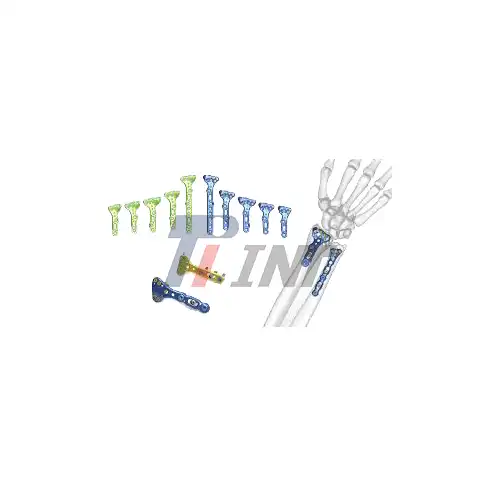
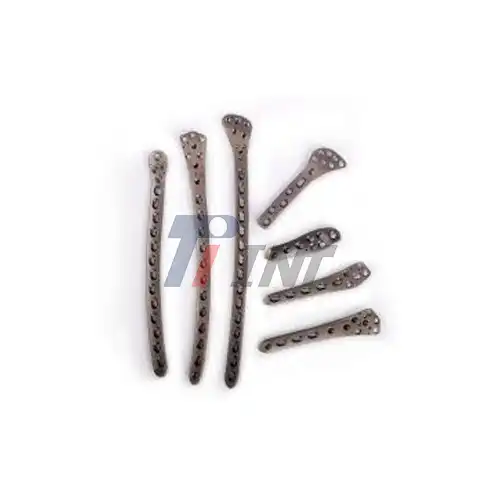
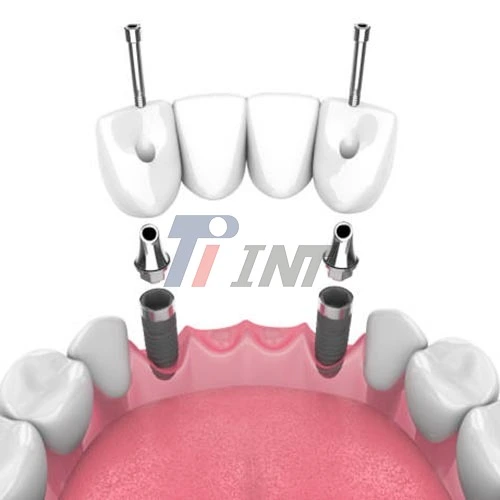
Medical device makers use Gr2 Titanium Medical Bar in a variety of situations where biocompatibility is more important than strength. Maxillofacial repair plates use its flexibility to let doctors shape implants to fit each patient's body during procedures. Because the material is compatible with soft tissues, dental implant parts like healing caps, abutments, and cover screws don't darken the gums like some other metals do. Its light weight is used in surgical tools like retractor handles and forceps to keep surgeons from getting tired during long surgeries. It can also be sterilized over and over again without losing its surface.
The choice of material between Gr2 Titanium Medical Bar and stronger options like Ti-6Al-4V (Grade 5) depends on the load needs of the application. When buying teams know these differences, they can choose the right grades that combine performance, following the rules, and saving money.
How GR2 Titanium Medical Bars Are Made and Certified for Medical Use?
Every step of the process of making Gr2 Titanium Medical Bar must be carefully supervised, turning raw titanium into approved medicinal material. Knowing about these steps helps people who buy things figure out what suppliers can do and why quality varies from one maker to the next.
Critical Production Stages
The first step in the production process is vacuum arc remelting (VAR), in which titanium melts and cools several times in controlled environments. This method gets rid of segregation and makes sure that the ingot's makeup is the same all the way through. After that, hot forging breaks down the cast structures, which reduces the grain size and makes the mechanical features better. Bar shaping by hot rolling or extrusion makes the first dimensional shapes. Next, precision grinding gets the circle errors as close as possible, which is needed for CNC machining.
After that, cold working steps may be added, which improves the accuracy of the dimensions and adds controlled work hardening. After stress-relief annealing, mechanical balance is restored, which stops physical instability during further processing. Finishing the surface by centerless grinding or turning gets rid of small flaws and makes the surfaces smooth enough for medical uses. For each step, the process factors, such as temperature ranges, cooling rates, and reduction ratios, must be written down and kept up to date by qualified makers using strict process control systems.
Quality Control and Batch Traceability
For medical-grade production, batches can be tracked from the time the raw materials are received until they are packaged. Each production lot is given a unique heat number that is linked to information about its chemistry make-up, mechanical test results, and processing history. Shipments come with material test records (MTRs) that meet EN 10204 3.1 norms and show that they meet ASTM F67 requirements. These papers list the highest impurity levels checked by spectroscopic analysis, as well as the tensile strength, yield strength, elongation rates, and tensile strength.
Ultrasonic testing finds breakages inside the machine that could weaken its structure. A surface check finds holes, cracks, gaps, or laps that could hold dirt or dust. Dimensional testing makes sure that the limits for diameter, straightness, and length meet customer needs. The right grain size and phase makeup are confirmed by a microstructural analysis. This multi-layered method to proof gives medical device makers the peace of mind they need when checking the quality of new materials.
Essential Certifications for Medical Compliance
ASTM F67 is still the main standard for medical implant materials made of unalloyed titanium. It sets limits on the materials' makeup and demands on their mechanical properties. ISO 5832-2 is the worldwide standard that makes sure everyone can reach markets around the world. In addition to meeting material standards, manufacturers should also keep their ISO 13485 certification, which shows that they have quality control systems that are built especially for making medical devices. There are some things that this certification covers that general ISO 9001 systems might not, like design controls, process validation, and accountability.
FDA registration lets you sell directly to medical device makers in the U.S., and CE marking makes it easier to get into the European market. As sustainability goals and compliance goals become more intertwined, environmental standards like ISO 14001 become more important to buying teams. When evaluating possible suppliers, it is better to check their credentials through databases maintained by certification bodies rather than just using the papers the supplier provides. This is because fake certifications do show up in global supply chains from time to time.
Key Criteria for Choosing Trusted GR2 Titanium Medical Bar Manufacturers
When choosing sources for Gr2 Titanium Medical Bar, you need to do more than just compare prices. The right production partner becomes an extension of your quality system and has a direct effect on how well your product does and how well it meets legal requirements.
Certification Verification and Supplier Credentials
Start by checking the state of ISO 13485 certification through the records of accreditation bodies instead of just supplier websites. Check the certification's scope to make sure it covers making titanium bars and not just working with metals in general. If security audit records are available, look them over and make a note of any problems and what needs to be done to fix them. This level of care shows how makers stay in line over time, not just during the initial certification.
When makers make parts for implantable devices, the state of the medical device registration is important. Check the FDA database for any warning letters or inspection notes and make sure that the business registration numbers are correct. For CE-marked items, information about the European approved agent should be easy to find. Environmental approvals show that a process is mature and stable, which means that there is less risk in the supply chain.
Production Capacity and Customization Capabilities
Check to see if the makers can meet your volume needs without going over their limits. When demand goes up, suppliers who are close to their maximum capacity are more likely to cut corners on quality or delay deliveries. Find out how long the lead times are usually for both standard and unique specs. Minimum order amounts let you know if the supplier's business plan fits with the way you buy things. For example, some focus on making a lot of the same thing, while others do custom work in small batches.
Customization options go beyond circle ranges and include services like cut-to-length, surface finishes, and straightness standards. Manufacturers with their own testing labs can provide faster material certifications, which shortens the time it takes to get a new product to market. True partners are different from transactional providers because they have technical staff available to help with material selection, handling suggestions, and troubleshooting.
Supplier Performance Evidence
Ask for case studies that show how similar uses have been used in the dental, orthopedic, or surgical tool markets. Customer references from well-known medical device makers can tell you a lot about how well you work together every day. Go over the supplier's case handling and corrective action methods so you know how they handle quality problems when they happen.
If available, audit records from other companies that make medical devices can give you an unbiased look at how they make their products. Supply chain openness about where raw materials come from helps check the origin of materials and avoid fakes. Financial stability signs show if the seller can keep working with you for a long time and put money into making things better all the time. Companies like Baoji INT Medical Titanium Co., Ltd. have been making medical titanium for more than 20 years. This shows the long-term dedication needed for medical supply lines to be stable.
Comparing GR2 Titanium Medical Bar Suppliers: Factors Influencing Your Procurement Decision
When making a procurement choice regarding Gr2 Titanium Medical Bar, you have to weigh a lot of different factors, and the lowest price rarely means the lowest total cost. Long-term results are better when you compare providers based on quality, service, and dependability, rather than just price.
Pricing Structures and Cost Transparency
Gr2 Titanium Medical Bar prices change based on the diameter, length, number, and limits for specifications. Prices are usually better for standard diameters and lengths than for special sizes that need specific production runs. Depending on the maker, volume savings start to make sense at different weights. Some offer breaks at 100 kg, while others need a minimum of 500 kg to get better prices. Knowing about these structures helps you get the best order numbers by combining the costs of inventory with lower unit prices.
More than just the unit cost, pricing clarity is important. Make it clear if prices include certificates for the materials, special packing, or faster processing. Check the currency, payment terms, and price validity times to make sure there are no surprises. Some suppliers offer framework deals with set prices for set amounts of time. This makes budgeting easier and more useful for preparing every year. When you compare the prices of Gr2 Titanium Medical Bar to Grade 5 alternatives, the differences are usually between 15% and 30%, based on the market. Gr2 Titanium Medical Bar is usually the cheaper option when its features meet the needs of the application.
Material Quality and Performance Assurances
Check out more than just the certification papers. Look into how quality control is actually done. Does the provider test everything with ultrasound waves or do they just use sampling protocols? What measurement limits do they promise, and what can be done about material that doesn't meet their standards? The method used for measuring corrosion resistance shows if suppliers do more than just basic makeup checks to make sure the passive oxide layer is solid.
The performance evaluation of your device is directly affected by how consistent the mechanical properties are across production lots. Ask for statistics from a control chart that shows how strength and elongation have changed over the last few production times. Consistently narrow ranges show that the process is well controlled, while wide differences show that the process is unstable and needs to be inspected often. Different providers test for biocompatibility in different ways. Some use representative samples for cytotoxicity tests on a regular basis, while others only use makeup control. Knowing these differences helps figure out the real, important risk that goes beyond paper compliance.
Value-Added Services and Technical Support
Near-net-shape parts can be made by suppliers that offer OEM partnership services. This cuts down on your machining costs and material waste. Technical advice on choosing the right material, the right way to heat treat it, or different ways to change the surface speeds up the development process. Some companies have application engineering teams that are experts in dental, orthopedic, or surgery instruments. These teams offer focused knowledge that goes beyond general material knowledge.
Your production processes will run more smoothly if you use custom sizing services like precise cutting, centerless grinding to tight standards, or surface conditioning. Vendor-managed inventory systems make sure that materials are always available while shifting the costs of keeping onto vendors. By improving your whole business, not just the prices of materials, these services add value that is greater than their additional costs.
Buying GR2 Titanium Medical Bars: Practical Guide to Order and Delivery
To be good at procurement, you need to know not only what to buy but also how to arrange deals for Gr2 Titanium Medical Bar so that they are as risk-free as possible while still allowing for practical flexibility.
Minimum Order Quantities and Pricing Parameters
The MOQs that most sellers of Gr2 Titanium Medical Bar set are based on how much it costs to make and how many batches are needed for quality control. Minimums are usually between 50 and 500 kilograms, but this depends on how complicated the standard is and how big the maker is. Most of the time, the MOQ for standard diameters and lengths is cheaper than for special sizes. When the original needs are less than the supplier's minimums, check to see if slightly bigger orders come with volume discounts that can cover the higher costs of keeping inventory for longer.
Gr2 Titanium Medical Bar usually cost between USD 35 and USD 60 per kilogram for normal specs and moderate volumes. Tight tolerance, small diameter, or special surface finish needs will cost more. Prices go up and down with the market, especially when aircraft and industrial demand is fighting for titanium supplies. Having ties with several qualified sellers gives you options for where to get supplies when the market is tight.
Global Logistics and Documentation Requirements
When shipping titanium internationally, it's important to keep track of export paperwork, customs classification, and freight operations. Harmonized System (HS) codes must correctly identify medical-grade items to avoid delays at customs. As a general rule, standard documentation packages include material test results, business invoices, packing lists, and certificates of origin. Some places need extra permits to bring in materials for medical devices, so you need to plan ahead.
Shipping methods balance how much they cost with how long they take to deliver. For planned inventory restocking, sea freight is the most cost-effective way to move goods, while air freight helps with urgent needs or the start of new products. Good packing keeps things from getting damaged during shipping. For example, wooden boxes with moisture barriers are better at stopping corrosion and damage than simple packaging. Transit loses can be avoided by getting insurance that covers the item's value and its new cost.
After-Sales Support and Long-Term Partnership
Warranty terms usually cover material flaws found within certain time frames after delivery. Make sure you know what options are available for fixing the problem, such as replacing the item, giving credit, or paying money. Respondent partners are different from transactional sellers because they offer technical support for processing questions, quality reviews, or application troubleshooting.
Supply ties are strengthened by setting up regular contact patterns like meetings for capability planning, business reviews every three months, and demand forecasts. Being clear about your development pipeline lets your providers plan their capacity and keep the right amount of goods on hand. When you sign a long-term deal with a volume guarantee, you can get better service, lower prices, and specialized capacity. This partnership method is shown by Baoji INT Medical Titanium Co., Ltd.'s long-term partnerships with many medical device makers that span more than 10 years and are based on consistent quality and quick expert support.
Conclusion
To find companies that make safe Gr2 Titanium Medical Bar, you need to carefully look at their certifications, production skills, quality systems, and services they offer. Commercially pure titanium grade 2 meets important medicinal needs by being biocompatible, having the right mechanical qualities, and being resistant to corrosion. Strict controls are used during the manufacturing process to make sure that the materials are consistent and can be tracked, which is necessary for legal compliance.
Comprehensive source assessments that look at more than just price are helpful for making choices about what to buy. These assessments should include quality assurance, expert support, and long-term dependability. Medical device businesses can build supply ties that help their products succeed and keep patients safe if they know about the certification standards, production methods, and best practices for buying things.
FAQ
Q1: Why is GR2 titanium preferred for certain medical implants over Grade 5?
A: Gr2 Titanium Medical Bar commercially pure titanium works best in situations where biocompatibility and shapeability are more important than strength. Its modulus of flexibility is more like real bone, which makes it less good at protecting against stress. Also, it doesn't contain any aluminum or vanadium, which are two metals that can be harmful to cells in some alloys. Gr2 Titanium Medical Bar is very flexible, which makes it useful for dental parts, cranial plates, and surgical tools that need to be shaped during surgery. Grade 5 (Ti-6Al-4V) has a tensile strength that is about 2.5 times higher than Grade 2.
Q2: What essential certifications should GR2 titanium medical bar suppliers maintain?
A: Medical-grade titanium providers with a good reputation have ISO 13485 certification, which shows that they have quality control systems built especially for making medical devices. Material must meet the requirements of ASTM F67 or ISO 5832-2, which can be confirmed by EN 10204 3.1 material test results. FDA company registration lets you sell to medical device makers in the U.S., and CE marking makes it easier to get into the European market. Having extra qualifications, such as ISO 9001 for general quality management and ISO 14001 for environmental systems, shows that your business is mature and follows strict procedures that ensure consistent product quality.
Partner with a Certified Gr2 Titanium Medical Bar Manufacturer
Baoji INT Medical Titanium Co., Ltd. can help you create and make medical devices by providing approved titanium materials that are safe for humans. We have been making medical-grade titanium since 2003 and have earned ISO 13485:2016, ISO 9001:2015, and CE standards to back up our quality processes. We have a wide range of products, such as Gr2 Titanium Medical Bar in different sizes and lengths, as well as Ti6Al4V ELI alloys, plates, wires, and precision-forged parts.
Our team has worked in the titanium business for more than 30 years and can help you choose the right material, follow the right working guidelines, and get the most out of your application. We keep full records of each batch, give EN 10204 3.1 material test results, and help OEMs make changes for dental, surgical, and implant tools. Email our engineering team at export@tiint.com to talk about your unique needs, ask for material certifications, or set up a review of a sample. We are a reputable Gr2 Titanium Medical Bar provider that is dedicated to quality and dependability. We can provide your medical innovations with the materials and knowledge they need.
References
1. ASTM International. (2013). Standard Specification for Unalloyed Titanium, for Surgical Implant Applications (UNS R50250, UNS R50400, UNS R50550, UNS R50700) (ASTM F67-13). West Conshohocken, PA: ASTM International.
2. International Organization for Standardization. (2016). Medical devices — Quality management systems — Requirements for regulatory purposes (ISO 13485:2016). Geneva, Switzerland: ISO.
3. International Organization for Standardization. (2007). Implants for surgery — Metallic materials — Part 2: Unalloyed titanium (ISO 5832-2:1999). Geneva, Switzerland: ISO.
4. Niinomi, M. (2008). Mechanical biocompatibilities of titanium alloys for biomedical applications. Journal of the Mechanical Behavior of Biomedical Materials, 1(1), 30-42.
5. Rack, H.J., & Qazi, J.I. (2006). Titanium alloys for biomedical applications. Materials Science and Engineering: C, 26(8), 1269-1277.
6. Elias, C.N., Lima, J.H.C., Valiev, R., & Meyers, M.A. (2008). Biomedical applications of titanium and its alloys. Biological Materials Science, 60(3), 46-49.
_1752821449466.webp)
_1750663253486.webp)
_1755061331871.png)
_1753927576158.png)
_1749191401740.webp)