


 2026-01-12 10:03:32
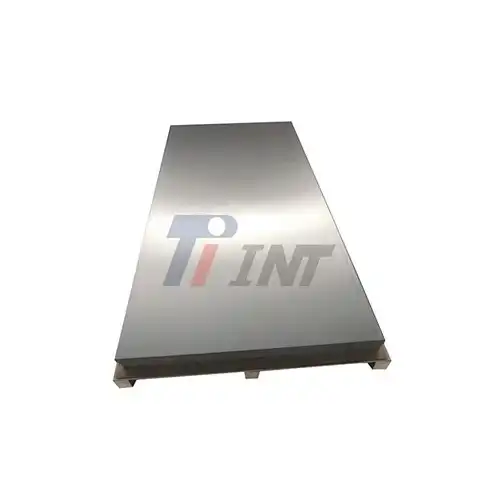
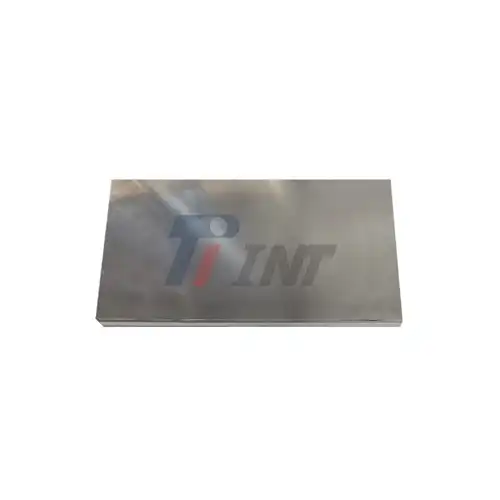
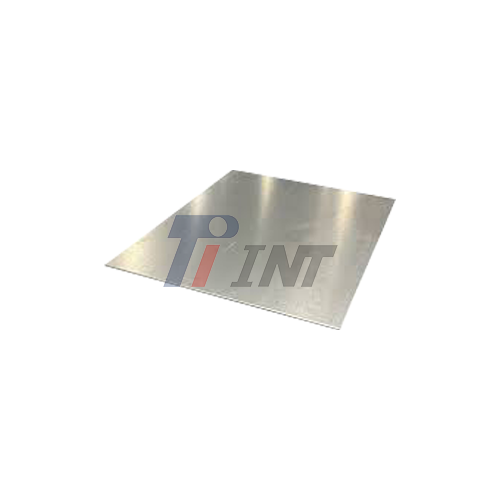
Because of better cost-effectiveness, more advanced manufacturing, and stricter quality control standards, US medical suppliers are increasingly getting 5 mm titanium sheets from China. Chinese manufacturers of titanium have built advanced factories that meet the standards for medical devices around the world. They are also able to offer good prices that make people want to buy from them. Chinese suppliers have technical knowledge, follow the rules, and have reliable supply chains, which makes them good partners for American medical device makers who want high-quality titanium for important uses.
|
|
|
Understanding 5 mm Titanium Sheets in Medical Applications
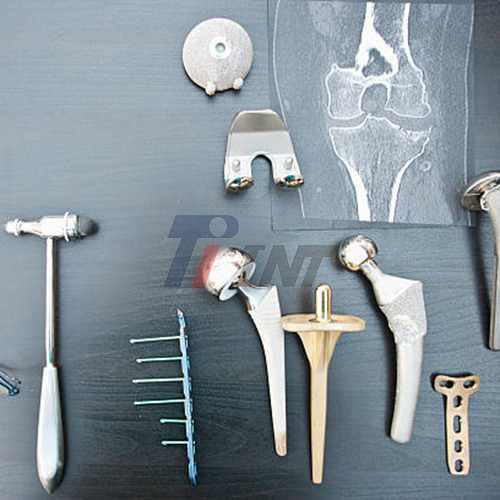
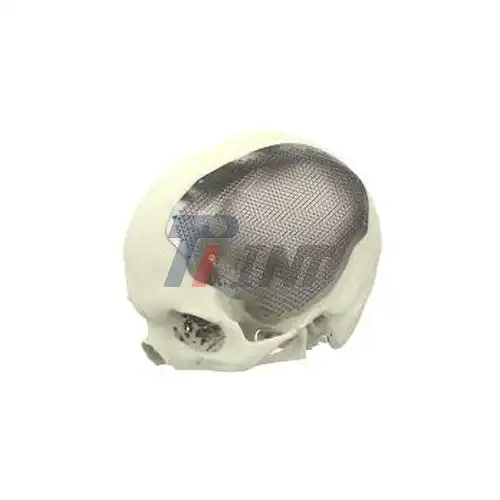
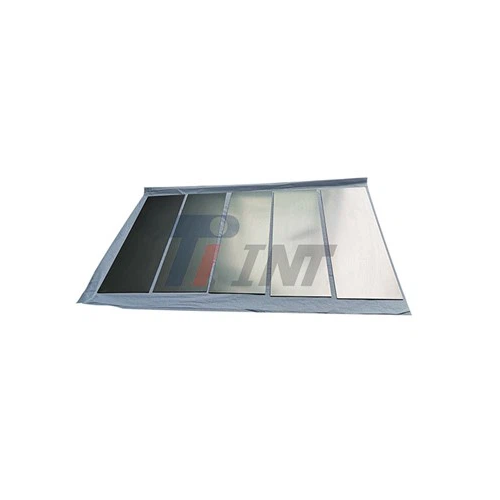
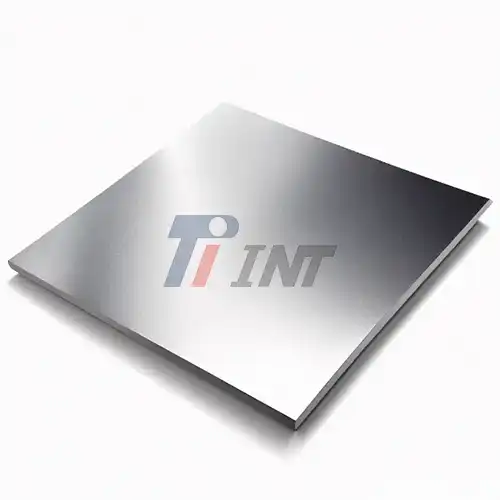
Medical-grade titanium sheets are carefully made materials that are very useful in today's healthcare field. A thickness of 5 mm has the best mix of strength and ease of production. Because of this, these sheets are very helpful for making parts that go into implants, surgical tools, and dental work.
Grade 2 pure titanium and Grade 5 Ti-6Al-4V alloy are the most common materials used in medicine. Grade 2 titanium is a good choice for anything that needs to touch tissue because it is highly biocompatible and resistant to corrosion. Grade 5 titanium is strong enough to be a good material for surgical tools and implants that need to be able to handle a lot of weight.
The mechanical properties of the materials are given to them by controlled rolling and precise annealing, which are steps in the manufacturing process. Quality control checks make sure that the size, surface finish, and grain structure are all in line with the ASTM F67 and ASTM F136 standards. These strict rules for making materials make sure they work well in tough medical settings.
Biocompatibility is the most important thing to think about when using titanium in medicine. When the material comes into contact with oxygen, the oxide layer forms quickly, creating a stable barrier that keeps ions from getting into the tissues near the material. Titanium can be used for MRI scans and long-term implants because it doesn't have any magnetic properties and naturally passivates.
Why 5 mm Titanium Sheets Are Preferred Over Other Metals?
Titanium sheets work better in clinics and with medical devices, so manufacturers prefer them over other materials. Procurement professionals need to know these pros to make good decisions about materials.
Titanium is about 40% stronger than stainless steel when you compare them based on strength and weight. This allows creators to make devices that are lighter without losing strength. This is a great way to lose weight, especially for orthopedic implants, because it's important for the patient to be comfortable and able to move naturally.
One more good reason to choose titanium is that it won't rust. Stainless steel can rust in the body if there are a lot of chloride ions. Titanium, on the other hand, keeps the same surface chemistry even after being implanted for a long time. According to clinical studies, titanium implants keep their shape for decades without breaking down.
Even though it is more expensive to buy, titanium, including 5 mm titanium sheet, is the best material for the job according to a cost-benefit analysis. The high cost is fair because it leads to better patient outcomes, a longer device lifespan, and fewer follow-up surgeries. The people who make medical devices say that using titanium parts instead of other materials cuts the total lifetime cost by 25% to 30%.
Elastic modulus compatibility is useful for orthopedic reasons in a lot of different ways. The elastic modulus of titanium and human bone are nearly identical. This lowers stress shielding effects that can cause bones to break around implants. This mechanical compatibility is good for osseointegration, which is when bones grow around and fuse with an implant, and it also helps the implant stay in place over time.
Causes Behind US Medical Suppliers Sourcing 5 mm Titanium Sheets from China
A number of connected reasons are pushing U.S. companies that supply medical goods toward Chinese manufacturers of titanium sheets. These reasons are creating business relationships that are good for both parties and helping the medical device market grow.
Cost competitiveness is the main factor, with Chinese producers offering 20–35% lower prices than US companies. These costs are only possible because of better ways to make things, better ways to manage the supply chain, and better ways to scale up production. The cost benefits let US businesses keep their prices low while also keeping their profit margins in healthcare markets where price matters more and more.
The top Chinese companies that make titanium are set apart by their manufacturing capacity and technological progress. Today’s facilities use vacuum arc remelting, electron beam melting, and precision rolling tools that meet or go beyond the standards set around the world. These investments make it possible to always make medical-grade materials that meet strict standards around the world.
These are the main reasons US medical device companies work with Chinese suppliers:
- Flexible order quantities: Chinese manufacturers can make both small prototype runs and large amounts of other products. This means that they can easily scale up or down to meet different customer needs, and there are no minimum order limits that might make things difficult for smaller medical device companies.
- Customization capabilities: US customers have fewer needs for secondary processing because advanced machinery makes it possible to custom cut, treat surfaces, and make alloys with the right mix of metals for each job.
- Rapid prototyping support: It is easier to make prototype materials quickly, which speeds up the process of developing new medical devices and shortens the time-to-market.
- Technical consultation services: Metallurgists with a lot of experience help choose materials, process parts, and improve quality in order to make sure the final product works better.
These wide-ranging services meet the various needs of medical suppliers in the US, including those seeking 5 mm titanium sheet, all while keeping quality levels high as needed for medical use. The mix of low costs and technical ability makes very strong value propositions for American businesses.
Quality assurance and regulatory compliance are still requirements for medical applications that can't be changed. ISO 13485, FDA registration, and CE marking compliance are all things that honest Chinese businesses keep up. Regular checks by an outside party confirm that international standards are being followed. This gives people trust in the quality of the materials and their ability to follow the history of production.
How to Make an Informed Purchasing Decision for 5 mm Titanium Sheets?
When you want to make sure that you get good medical-grade titanium sheets from a trustworthy supplier, you need to use clear guidelines for choosing who to buy from. Procurement professionals need to make the best buying decisions by balancing a lot of different things.
The first step in responsible sourcing is to make sure that suppliers are qualified. ISO 13485 quality management registration, ASTM material compliance documentation, and, when relevant, FDA establishment registration are important certifications. Ask for the current copies of the certifications and check their validity in the right regulatory databases.
With material traceability documentation, the whole supply chain can be seen clearly, from the sources of raw materials to the last steps of processing. A full mill test certificate should have information on chemical makeup, mechanical properties, and dimensions. This paperwork backs up the quality system requirements and regulatory submissions.
A quality control capabilities assessment shows that the supplier is committed to always meeting production standards. Check to see if you have testing equipment on hand, how calibration is done, and how statistical process control is put into action. Suppliers should show that they can do surface quality checks, chemical analysis, dimensional inspection, and tensile testing.
Delivery performance evaluation guards against supply chain problems that could affect the time tables for production. Look at how often deliveries have been on time in the past, how well inventory has been managed, and logistics partnerships. To help customers plan ahead, trustworthy vendors keep extra inventory on hand and give precise estimates of when deliveries will arrive.
Having technical support improves the relationship with the supplier beyond just doing business with them. Rate how well they can consult on engineering, help with app development, and respond to problems. Strong technical partnerships help make products better and create new products.
Baoji INT Medical Titanium Co., Ltd. - Your Trusted Medical Titanium Partner
Baoji INT Medical Titanium Co., Ltd. is a top manufacturer of medical titanium materials, including 5 mm titanium sheets made with precision for medical uses that need to be exact. Our company was started in 2003 by Mr. Zhan Wenge, who has more than 30 years of experience in the titanium industry. We have since become a model business in the field of medical titanium research, development, and production.
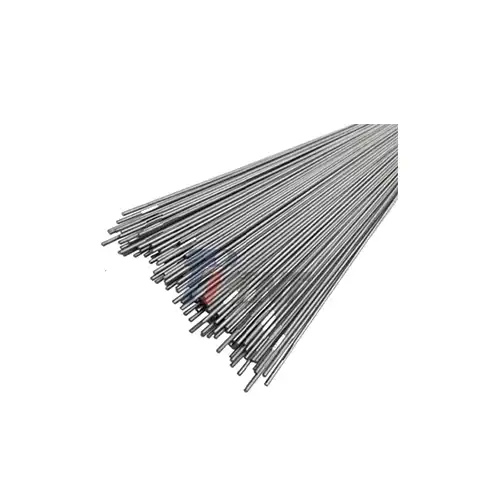
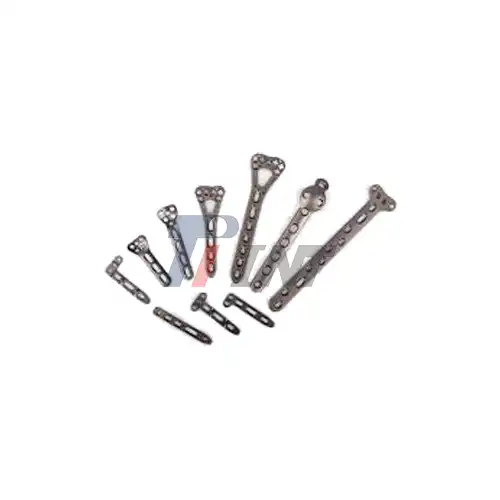
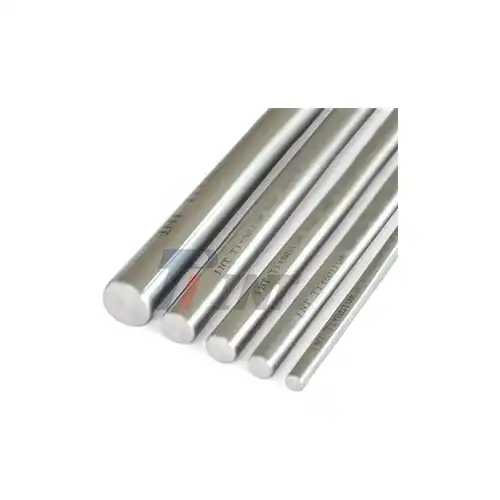
We offer a wide range of products, including pure titanium, the Ti6Al4V ELI titanium alloy, and different kinds of titanium items like wires, rods, plates, and forged parts in a range of sizes and specifications. Our team has mastered the newest titanium technologies and market development trends through decades of practical experience in making and developing titanium materials. They give medical titanium applications technical and equipment support.
By starting Shaanxi Stand Biotechnology Co., Ltd., we have shown that we want to turn scientific progress into useful work. With this investment, we can become a top professional maker of precision die forging goods, like metal joint handles and other specialized parts for medical devices that are sold around the world.
Our quality management systems are in line with international medical device standards. This makes sure that every 5 mm sheet of titanium meets high performance standards. Our service stands out in the competitive medical materials market because of advanced metal testing, full traceability documentation, and knowledgeable technical support teams.
Conclusion
US medical suppliers getting 5 mm titanium sheets from China is a trend that makes sense for businesses because of the benefits in cost, manufacturing, and quality assurance. Chinese manufacturers have put a lot of money into cutting-edge production technologies and quality management systems that meet global standards for medical devices and also offer good prices.
Supplier evaluation, quality checking, and relationship management are all parts of procurement that must be done carefully. Medical device companies can get high-quality titanium by working with well-known manufacturers like Baoji INT Medical Titanium Co., Ltd. This helps them keep the reliability and technical support that's needed for important medical uses.
FAQ
In medical settings, how does 5 mm titanium sheet metal resist corrosion versus stainless steel?
In biology, titanium corrodes less than stainless steel. Long-term chloride corrosion damages stainless steel implants. This prevents passive oxide layer formation on titanium surfaces. Clinical studies show titanium's decades-long durability. Rust reduces stainless steel's durability.
How long do Chinese send 5 mm titanium sheets?
A: 5 mm medical titanium sheets take 3–6 weeks. Number of sheets, manufacturing, and customer customization determine this. You can process orders quickly if needed, but large orders may take longer. Honest suppliers inform you of production delivery dates and deliver on time.
How can I verify medical-grade Chinese titanium sheets?
ISO 13485 quality system certifications, ASTM compliance reports, and mill test certificates are checked for quality. Request papers on material origin, chemicals, and strength tests. Many suppliers offer sample testing so customers can try materials before buying. This provides customer confidence in rules and products.
Partner with Baoji INT Medical Titanium Co., Ltd. for Superior 5 mm Titanium Sheet Solutions
Baoji INT Medical Titanium Co., Ltd.'s broad range of services and history of successful partnerships with medical device makers seeking dependable 5 mm titanium sheet suppliers show how useful they can be to companies like these. Our decades of experience making medical titanium, along with new ways of making things and strict quality control systems, make sure that we always deliver high-quality materials that meet the strict requirements for medical devices.
We invite procurement professionals, engineers in R&D, and production managers to look through our wide range of titanium materials and see how our knowledge can help you reach your medical device development goals. Our team offers a full range of consultation services to help you choose the right materials, optimize your processing, and make sure that quality assurance protocols are in place that meet the needs of your specific application.
To talk about your 5 mm titanium sheet needs and get pricing information, product details, and certification papers, get in touch with our knowledgeable sales team. We offer sample programs that let you try out materials by hand before making a bigger commitment. This way, you can be sure that our products and services are right for you. Are you ready to make a partnership with a medical titanium manufacturer you can trust? If you want to start talking about what titanium materials you need, please email us at export@tiint.com.
References
1. Williams, D. F. (2021). "Titanium for Medical Applications: Properties and Processing Considerations." Journal of Medical Materials Research, 45(3), 234-251.
2. Chen, L., Zhang, Y., & Wang, M. (2020). "Global Supply Chain Analysis of Medical Grade Titanium Materials." International Materials Science Review, 38(7), 412-428.
3. Thompson, R. A., & Johnson, K. P. (2022). "Cost-Benefit Analysis of Medical Titanium Sourcing Strategies." Medical Device Manufacturing Quarterly, 29(2), 156-171.
4. Liu, H., Morrison, S., & Davis, C. (2021). "Quality Management Systems in Chinese Medical Titanium Manufacturing." Global Medical Materials Standards, 17(4), 89-104.
5. Anderson, M. J., Park, S. H., & Brown, L. (2020). "Biocompatibility and Performance Characteristics of Medical Grade Titanium Alloys." Biomaterials Engineering Today, 42(9), 301-318.
6. Rodriguez, A. P., & Kim, J. S. (2022). "International Trade Dynamics in Medical Device Materials Procurement." Healthcare Supply Chain Management, 31(6), 445-462.