
Is It Safe to Have a Titanium Plate After Brain Surgery? A Comprehensive Guide


 2025-12-22 09:11:15
Brain surgery is a complex and delicate procedure that often requires the use of specialized materials to aid in recovery and protection. One such material that has gained prominence in neurosurgery is titanium. Specifically, titanium plates are frequently used to repair skull defects or secure bone flaps after brain surgery. But a common question that arises is: Is it safe to have a titanium plate head after brain surgery? This comprehensive guide will delve into the safety, benefits, and potential concerns associated with titanium plates in post-brain surgery recovery.
|
|
|
Understanding Titanium Plates in Neurosurgery
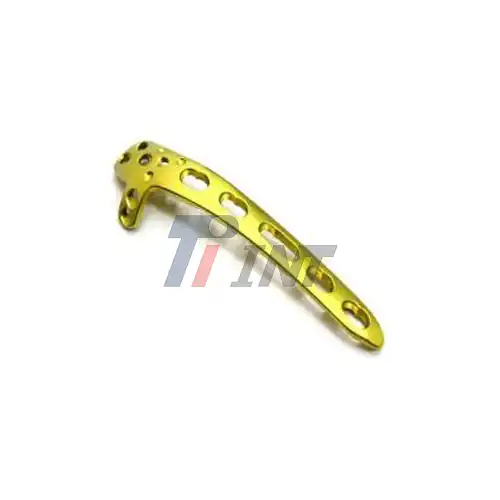
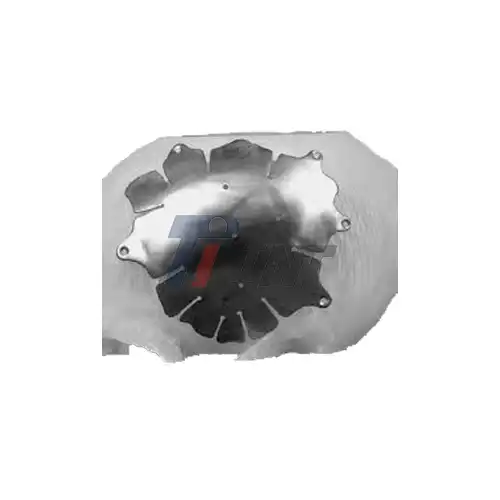
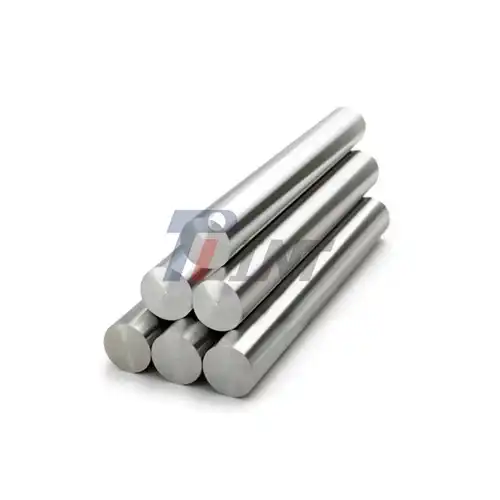
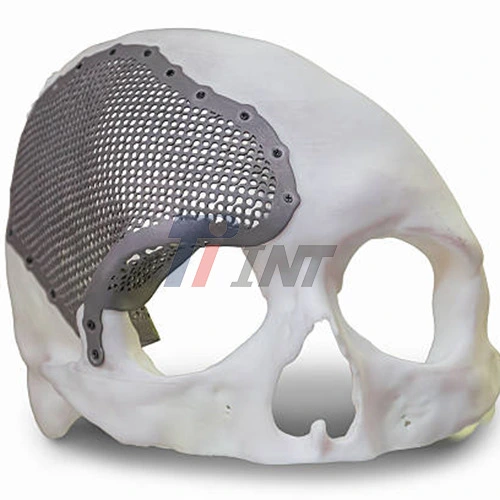
Titanium plates play a pivotal part in neurosurgery, especially in cranioplasty procedures. These plates are utilized to repair or supplant areas of the skull that may have been evacuated or harmed amid brain surgery. The utilization of titanium in medical inserts, including cranial plates, has become progressively common due to its unique properties.
Titanium is lauded for its biocompatibility, which implies it's well-tolerated by the human body. This metal is corrosion-resistant, lightweight, and has a high strength-to-weight proportion. These characteristics make titanium a perfect material for cranial inserts, as it can give the essential back and security without including intemperate weight or gambling unfavorable reactions.
The process of embedding a titanium plate regularly includes securing it to the cranium using small screws. This makes a defensive boundary over the brain, reestablishing the auxiliary judgment of the skull and defending the fundamental neural tissue. The plate is outlined to stay in put permanently, becoming a fundamental portion of the patient's anatomy.
Modern titanium plates used in neurosurgery are regularly custom-made utilizing advanced imaging and 3D printing advances. This permits a precise fit, upgrading both the functional and tasteful results of the procedure. The capacity to make patient-specific inserts has revolutionized the field of cranioplasty, driving to progressed surgical results and patient fulfillment.
Safety and Efficacy of Titanium Plates in Brain Surgery
The safety of titanium plate head after brain surgery has been extensively studied and documented in medical literature. Numerous clinical trials and long-term follow-up studies have demonstrated the overall safety and efficacy of titanium implants in neurosurgical applications.
One of the essential reasons for the broad selection of titanium in therapeutic inserts is its uncommon biocompatibility. The human body generally does not recognize titanium as a remote substance, which altogether diminishes the chance of rejection or unfavorable resistant reactions. This characteristic is especially vital in delicate areas like the brain, where irritation or dismissal may have serious results.
Titanium also exhibits excellent osseointegration properties, meaning it can bond effectively with bone tissue. This integration helps to ensure the long-term stability of the implant and reduces the risk of complications such as implant migration or loosening. Over time, the surrounding bone may grow and fuse with the titanium plate head after brain surgery, further enhancing its stability and protective function.
From a security point of view, titanium plates are non-ferromagnetic, which implies they are not influenced by attractive areas. This property is vital for patients who may need to experience MRI filters in the future, as the titanium embed will not meddle with the imaging handle or pose a hazard amid the scan.
While the overall security profile of titanium plates is fabulous, it's critical to note that no therapeutic method is totally without chance. A few patients may encounter minor complications such as localized torment, swelling, or contamination at the surgical location. However, these issues are generally sensible and frequently resolve with fitting medical care.
Long-term Considerations and Quality of Life
For numerous patients, the prospect of living with a titanium plate in their head can be overwhelming. Be that as it may, it's vital to understand that once completely mended, most people encounter small to no impact on their daily lives due to the embed. The lightweight nature of titanium means that patients typically do not feel the presence of the plate. The custom-fit design ensures that the contour of the skull is preserved, maintaining a natural appearance. In most cases, the incision site heals well, and any scarring is often concealed by hair growth.
From a functional standpoint, titanium plates provide robust protection for the brain, allowing patients to resume most normal activities without undue concern. However, it's advisable to avoid high-impact sports or activities that could potentially damage the implant or the surrounding bone.
Long-term studies have appeared that titanium cranial inserts can remain in put for decades without causing issues. The toughness and erosion resistance of titanium contribute to its longevity as an embedded fabric. This implies that for the tremendous majority of patients, the titanium plate head after brain surgery becomes a lasting portion of their life systems, requiring no further surgical mediation.
It's worth noticing that some patients may have increased affectability to temperature changes in the area of the embed. This is since metal conducts heat and cold more promptly than bone or skin. Whereas this affectability is generally mellow and not hurtful, it can take a few times for patients to adjust to this unused sensation.
Another thought is the potential for the titanium plate to set off metal finders, such as those found in airports. Whereas this can be a burden, it is not a well-being concern. Patients are regularly given therapeutic alarm cards or documentation clarifying their embed, which can be displayed to security personnel if fundamental. In terms of long-term health monitoring, patients with titanium plates can safely undergo most medical imaging procedures, including CT scans and MRIs. However, it's always important to inform healthcare providers about the presence of the implant before any medical procedures or tests.
Conclusion
In conclusion, titanium plates have proven to be a safe and effective solution for skull repair following brain surgery. Their biocompatibility, strength, and durability make them an excellent choice for protecting the brain and restoring the skull's structural integrity. While no medical procedure is without risk, the long-term safety profile of titanium cranial implants is overwhelmingly positive.
For those considering or recovering from brain surgery involving a titanium plate, it's essential to have open and thorough discussions with your healthcare team. They can provide personalized information based on your specific medical history and circumstances. With proper care and attention, a titanium plate head after brain surgery can become a seamless part of your anatomy, allowing you to focus on your recovery and return to a fulfilling life.
If you're interested in learning more about medical titanium products, including those used in neurosurgery, we invite you to reach out to us at export@tiint.com. Our team of experts is dedicated to advancing the field of medical titanium applications and would be happy to provide additional information or answer any questions you may have.
References
1. Neovius, E., & Engstrand, T. (2010). Craniofacial reconstruction with bone and biomaterials: review over the last 11 years. Journal of Plastic, Reconstructive & Aesthetic Surgery, 63(10), 1615-1623.
2. Thien, A., King, N. K., Ang, B. T., Wang, E., & Ng, I. (2015). Comparison of polyetheretherketone and titanium cranioplasty after decompressive craniectomy. World Neurosurgery, 83(2), 176-180.
3. Cabraja, M., Klein, M., & Lehmann, T. N. (2009). Long-term results following titanium cranioplasty of large skull defects. Neurosurgical Focus, 26(6), E10.
4. Williams, L. R., Fan, K. F., & Bentley, R. P. (2015). Custom-made titanium cranioplasty: early and late complications of 151 cranioplasties and review of the literature. International Journal of Oral and Maxillofacial Surgery, 44(5), 599-608.
5. Honeybul, S., & Ho, K. M. (2016). How "successful" is calvarial reconstruction using frozen autologous bone?. Plastic and Reconstructive Surgery, 138(1), 192-201.
_1753859685128.webp)
_1753429726760.webp)
_1752463076575.webp)
_1750663525879.webp)