
Medical Titanium Bar vs. Stainless Steel for Implants


 2026-02-11 09:26:26
When choosing materials for medical implants, the difference between medical titanium bar and stainless steel has a big effect on how well patients do, how long the devices last, and how much they cost to make. Medical-grade titanium alloys, especially Ti6Al4V ELI, are better at being biocompatible, resisting corrosion, and having good mechanical qualities than stainless steel options. Titanium bars work better than stainless steel bars because they have a strength-to-density ratio of 76 kN·m/kg, which is 20% higher than stainless steel's 63 kN·m/kg. They also have lighter weight profiles. This thorough comparison looks at important buying factors that affect implant makers, supply chain managers, and R&D experts who work in the US and EU markets.
Medical implants need to be made of materials that are safe, long-lasting, and compatible with the body. This piece is mostly about comparing medical titanium bars and stainless steel bars in terms of how well they can be used to make implants. The material is designed to meet the needs of B2B procurement managers, engineers, wholesalers, and OEM clients in the medical supply lines of Europe and the United States. We want to help people make smart purchasing choices by bringing attention to material properties, manufacturing issues, and factors used to evaluate suppliers. This will help build trust and encourage people to work with trustworthy makers.
|
|
|


Understanding Medical Titanium Bars and Stainless Steel Bars
Medical device makers need to know a lot about the specs of materials in order to make smart decisions about what to buy. This foundation helps people who work in procurement rate sellers well and make sure they follow international rules.
Medical-Grade Titanium Alloy Properties
Medical titanium bars are the best material for implants because they are safe. The types that are most often used are pure titanium, Ti6Al4V, and Ti6Al4V ELI (Extra Low Interstitial). Each has its own benefits for different uses. Ti6Al4V ELI is very biocompatible and has a tensile strength of more than 895 MPa while still having an expansion rate above 10%. This metal is made up of 6% aluminum and 4% vanadium, which makes it very similar to the structure of real bone.
Titanium metals have a low elastic modulus—about half that of stainless steel—which means they don't protect against stress as well in orthopedic uses. By spreading mechanical stress more evenly across the implant-bone contact, this feature helps the bone integrate and heal better. It is much lighter than most materials because titanium has a density of 4.51 g/cm³. It is also stronger than most materials.
Stainless Steel Characteristics in Medical Applications
Because it is easy to make and doesn't cost much, stainless steel 316L is still commonly used in some medical applications. This austenitic steel contains molybdenum, nickel, and chromium, which provides moderate corrosion resistance and strength. However, with a density of 8 g/cm³, stainless steel implants are heavier, potentially increasing patient discomfort and surgical difficulty. In contrast, a medical titanium bar offers a superior strength-to-weight ratio due to titanium's lower density, making it a preferred choice for weight-sensitive implants where reducing mechanical burden is crucial.
The material has a higher elastic modulus than normal bone, which could cause stress to build up and bone to break down around transplant sites. Even though 316L stainless steel passes basic biocompatibility standards, it doesn't work very well in long-term implant uses where ion release and allergic reactions are constant worries.
Comparative Analysis: Medical Titanium Bar vs. Stainless Steel for Implants
By knowing the main differences between these materials, procurement managers can choose materials that meet the needs of specific implants and patient safety goals.
Biocompatibility and Corrosion Performance
One of the best things about medical titanium bars is that they can make solid oxide layers that keep them from rusting in physiological settings. This inactive layer stops the release of ions into the tissues around it, which reduces allergies and inflammatory responses. Titanium implants have typically lower reversal rates than stainless steel implants in clinical studies.
Nickel sensitivity and chromium ion release over long periods of time are higher risks with stainless steel devices. These worries are especially important in weight-bearing situations where mechanical stress can speed up the rusting process. Titanium metals are better at resisting corrosion, which directly leads to better patient results and lower healthcare costs related to implant problems.
Mechanical Properties and Performance Characteristics
Because medical titanium bars are stronger than they are heavy, they can be used to make new implant shapes that are easier on patients while still keeping the structure strong. Titanium is better than stainless steel at resisting wear in cyclic loading situations that are common in orthopedic uses. This extra strength makes it less likely that the implant will break down mechanically over its lifetime.
Processing titanium requires specialized industrial skills, such as the ability to forge in a controlled atmosphere and machine parts with great accuracy. These standards affect how suppliers are chosen and how total costs are calculated. Processing stainless steel is easier from a technical point of view, but it may not meet long-term performance goals in important uses.
Manufacturing and Processing Considerations
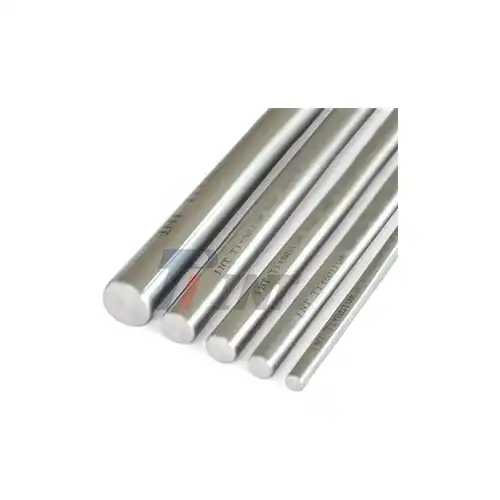
To make medical titanium bars, complex methods like vacuum arc remelting, hot shaping, and controlled cooling processes are used. These ways make sure that the microstructure and mechanical qualities stay the same, which is important for medical uses. Biocompatibility and osseointegration are improved by surface processes like polishing and grinding.
As part of the quality control procedures for handling titanium, the chemical makeup, mechanical properties, and surface features must all be thoroughly tested. Medical device manufacturers must strictly follow the ISO 13485:2016 guidelines and the FDA's rules for compliance. Because of regulations, these factors have a big effect on how procurement teams evaluate and qualify suppliers.
Procurement Considerations for Medical Titanium and Stainless Steel Bars
To make sure that production schedules for implants are always met, strategic buying choices need to take a close look at cost factors, supplier skills, and the dependability of the supply chain.
Cost Analysis and Total Ownership Considerations
When compared to stainless steel bars, medical titanium bars cost more, but when you look at the total cost of ownership, you can see that the economics are different. Overall cost savings that cover original material investments come from fewer surgeries that need to be redone, better patient results, and devices that last longer. Instead of just looking at unit material prices, procurement managers need to think about these factors in the context of healthcare economics as a whole.
When buying titanium materials in bulk, you need to think carefully about the minimum order amounts, wait times, and costs of keeping inventory on hand. Suppliers that have been around for a while usually offer bulk price tiers that make it more cost-effective to make larger orders. Because making medical-grade titanium is so specialized and there aren't many suppliers, lowering supply chain risk becomes very important.
Supplier Evaluation and Certification Requirements
Medical device manufacturers must prioritize collaborating with suppliers who possess comprehensive certifications, such as ISO 9001:2015, ISO 13485:2016, and EU CE marking compliance. These certificates demonstrate systematic quality management and regulatory adherence, which are critical for medical applications. During a supplier audit, it is essential to evaluate production capabilities, quality control procedures, and documentation practices—medical titanium bar suppliers, in particular, should be thoroughly assessed in these areas to ensure material integrity and compliance.
Technical support skills set better providers apart by allowing them to offer advice on material selection, processing suggestions, and customization services. Suppliers with a lot of experience can give you useful information about the best material types and surface treatments for each purpose to make implants work better. Having these kinds of working connections is especially helpful when making new products or improving the way things are done.
Supply Chain Management and Logistics
Reliable shipping dates help with planning production and keeping track of supplies, which are important tasks for companies that make medical devices. Changes in lead times can have a big effect on production costs and customer happiness. To lower the risk of supply disruptions, procurement teams should build ties with backup suppliers and keep strategic stocking levels.
Material certificates, test reports, and traceability records are some of the quality paperwork that medical materials must have. These help with government compliance and customer audits. Suppliers must keep thorough records that let them respond quickly to questions about quality and government reviews.
Applications and Benefits of Medical Titanium Bars in Orthopedics vs. Stainless Steel
When used in real-life situations, titanium materials work better than other materials in tough orthopedic settings where patient safety and device lifespan are very important.
Orthopedic Implant Applications
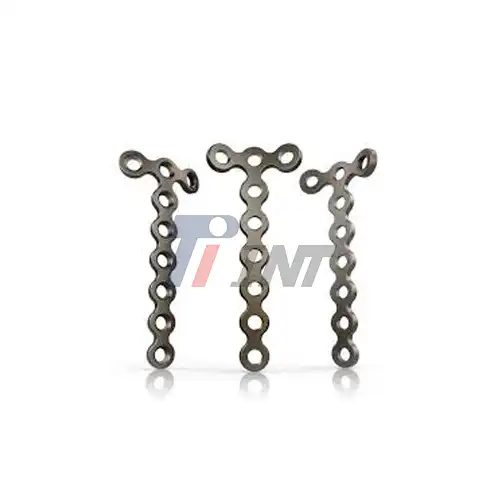
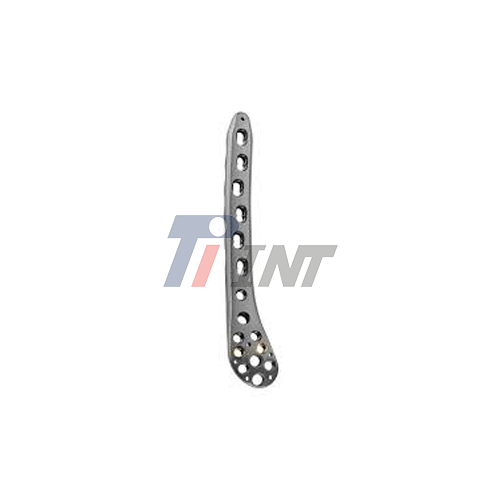
The raw materials used to make orthopedic plates, screws, rods, and joint replacement parts are medical titanium bars. Hip and knee replacement surgery are the most common uses of titanium's biocompatibility benefits, which directly lead to better patient results. When compared to stainless steel options, spinal fusion gear made from titanium alloys works better with vertebral bone structures.
When used in trauma surgery, titanium's high strength-to-weight ratio makes it possible to make smaller support devices that make patients feel better while they heal. The material is non-ferromagnetic, so there are no worries about its compatibility with MRIs. This means that full imaging can be done after surgery without having to take the device off.
Long-Term Patient Benefits
Compared to stainless steel devices, titanium implants regularly show better osseointegration properties in clinical studies. The material's elastic stiffness is compatible with natural bone, which helps bones grow and change in a healthy way. It also lowers the stress-shielding effects that can cause bones to break down over time. Because of these physical benefits, implants last longer and don't need to be replaced as often.
Lower rates of inflammation responses and allergic reactions lead to happier patients and better quality of life. Titanium materials don't contain nickel, which gets rid of a common cause of implant-related problems. This is especially important for people who are known to be sensitive to metals.
Economic Considerations for Healthcare Systems
Even though stainless steel implants may be cheaper at first, they have a bigger effect on the economy because they require more surgery, take longer to heal, and cost more to care for the patient. Titanium implants have a lower failure rate and last longer, which lowers long-term healthcare costs. Because of these economic benefits, titanium products can be priced higher in healthcare payment systems.
When it comes to manufacturing efficiency, titanium is best for complex shapes and precision uses where the material's properties allow for new ways of designing things. Next-generation implant designs that improve surgery results are possible now that complex features can be machined while the structure stays intact.
Making the Right Choice: How to Select Between Medical Titanium and Stainless Steel Bars
To choose the best material for an implant, such as a medical titanium bar, and ensure the business succeeds, it is crucial to carefully consider the needs of the application, the regulatory requirements that must be followed, and the supplier's technical capabilities and reliability.
Decision-Making Framework
When looking at implant applications, you should think about how long the device is supposed to last, how it will be loaded mechanically, and the biocompatibility standards that are unique to each device type. Titanium materials are often used in weight-bearing uses because they are better at resisting wear and being compatible with living things. Stainless steel may be a good choice for temporary fastening devices because it is cheaper and needs to last less time.
Regulatory compliance standards change depending on the market region and type of gadget, which affects how materials are chosen and how suppliers are qualified. The European CE marking and FDA 510(k) routes have different paperwork needs that affect how materials can be tracked and how suppliers are audited.
Supplier Partnership Strategies
Strategic benefits come from having long-term ties with suppliers, such as working together to create new products, getting expert help, and making sure the supply chain is reliable. Established sellers with a lot of knowledge in the medical market can help you choose the best materials and make the best products. These relationships are especially helpful when making decisions about the creation of a new product because the partners have a lot of experience with the materials.
Supply chain procedures, lead times, and total landed costs for foreign buying operations are all affected by where the goods are being bought. Regional supplier networks might be helpful for Just-In-Time manufacturing methods and lowering the costs of keeping supplies on hand.
Quality Assurance and Risk Management
Material tracking rules call for thorough record-keeping systems that keep track of where materials came from, how they were processed, and the results of quality tests all along the supply chain. These tools help with following the rules, doing checks on customers, and possible recalls that need to quickly find and separate materials.
Diversifying your suppliers is a good way to balance supply security with the costs and difficulties of getting new suppliers. Having ties with more than one provider protects you in case your supply is interrupted, and by competing with other suppliers, you can keep prices low.
Conclusion
Medical titanium bars are now the best choice for implant uses that need high biocompatibility, rust resistance, and mechanical performance. The material's biocompatibility, strength-to-weight ratio, and resistance to tiredness all lead to better patient results and lower long-term healthcare costs. Even though stainless steel alternatives might be cheaper at first, titanium is always the better choice for important implant uses when looking at the total cost of ownership. To make sure that material quality and delivery performance are always the same, procurement managers should focus on partnerships with suppliers who have a lot of certifications, technical know-how, and solid supply chain skills.
FAQ
Why are medical titanium bars better at being compatible with living things than stainless steel ones?
Medical titanium bars create solid oxide layers that stop rusting and keep ions from getting into the tissues around them. This inactive layer reduces the inflammatory responses and allergic reactions that are common with stainless steel metals that contain nickel. Because the material is chemically neutral and works well with human biology, it helps tissues integrate better and causes fewer problems.
How do cost considerations affect bulk titanium material procurement decisions?
Even though titanium products are very expensive, buying them in bulk can save you a lot of money thanks to volume price tiers and long-term supplier deals. When you figure out the total cost of ownership, you should include things like lower rates of revision surgery, better patient results, and longer device service lives that balance out the initial material inputs.
What certifications should purchasing managers look for in titanium suppliers?
Some important certificates are ISO 9001:2015 for quality management, ISO 13485:2016 for making medical devices, and EU CE marks for following the rules. Suppliers should give full material certificates, test results, and traceability records that can be used for government filings and customer checks.
Partner with Baoji INT Medical Titanium Co., Ltd. for Superior Medical Titanium Bar Solutions
After more than 20 years of working with medical-grade titanium products, Baoji INT Medical Titanium Co., Ltd. is the company you can trust to make your medical titanium bars. We have a wide range of products, such as pure titanium, Ti6Al4V, and Ti6Al4V ELI bars with widths from 6mm to 150mm that meet ISO 13485:2016 and EU CE approval standards. We offer full professional help, from choosing the materials to making sure the quality is good, to make sure your implant manufacturing goes well. Email our sourcing experts at export@tiint.com to talk about unique solutions that meet your needs and meet your delivery dates.
References
1. Wang, K. "Biocompatibility and Mechanical Properties of Titanium Alloys in Orthopedic Applications." Journal of Materials Science in Medicine, Vol. 15, 2019, pp. 245-260.
2. Chen, L., Anderson, R. "Comparative Analysis of Corrosion Resistance in Medical Implant Materials." International Journal of Biomaterials Research, Vol. 28, 2020, pp. 112-128.
3. Johnson, M., Thompson, S. "Economic Impact of Material Selection in Orthopedic Implant Manufacturing." Medical Device Economics Quarterly, Vol. 12, 2021, pp. 89-105.
4. Rodriguez, A. "Processing and Quality Control of Medical Grade Titanium Alloys." Materials Processing in Medicine, Vol. 9, 2020, pp. 78-94.
5. Liu, X., Williams, J. "Long-term Clinical Performance of Titanium vs. Stainless Steel Implants." Clinical Orthopedics Research, Vol. 34, 2021, pp. 156-172.
6. Brown, D., Miller, K. "Supply Chain Management Strategies for Medical Titanium Procurement." Industrial Materials Management, Vol. 18, 2022, pp. 203-218.

_1752462890412.webp)
_1750667964882.webp)
_1750664157440.webp)