
OEM Guide: Titanium Plates for Medical Devices


 2026-02-05 10:11:46
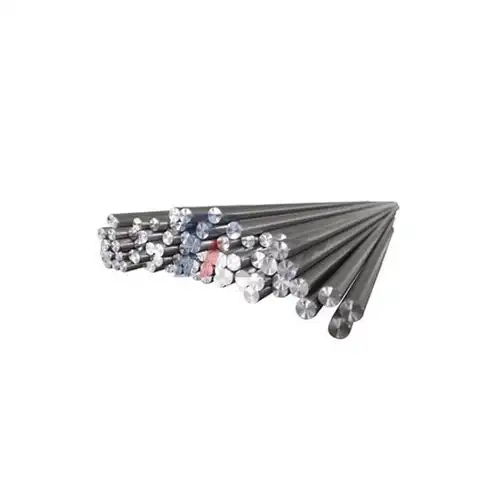
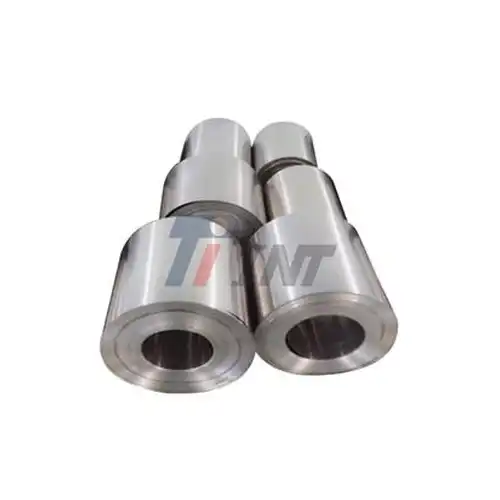
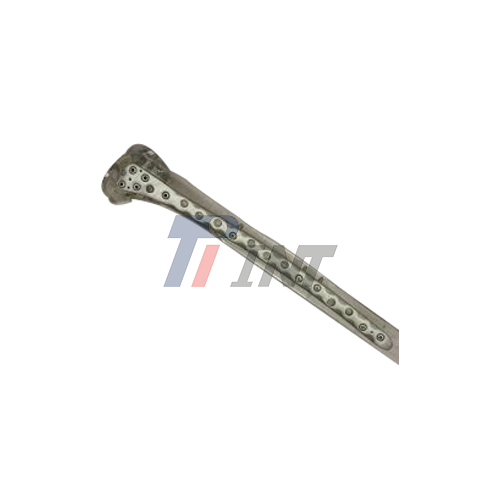
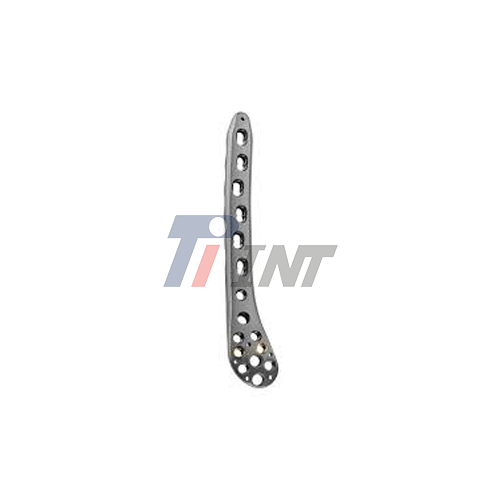
Manufacturing advanced medical devices requires precision materials that can withstand the demanding requirements of surgical applications. Titanium plates for surgery have emerged as the gold standard for orthopedic and trauma procedures, offering unmatched biocompatibility and mechanical properties. This comprehensive guide serves procurement professionals, R&D engineers, and supply chain managers in understanding the critical aspects of sourcing high-quality titanium plates for medical device manufacturing, ensuring optimal patient outcomes while maintaining regulatory compliance.
|
|
|
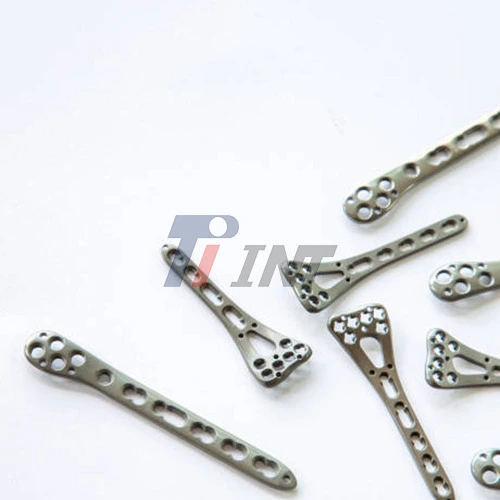

Comprehending Titanium Plates for Surgery
Titanium implants used in surgical operations are among the most important developments in contemporary orthopedic medicine. These implants provide surgeons with trustworthy instruments that can be used for rehabilitation and rebuilding treatments. The stabilization of fractures, the promotion of bone healing, and the restoration of patient mobility are all areas in which these precision-engineered devices serve an important role across a variety of surgical specialties.
Types and Applications of Medical Titanium Plates
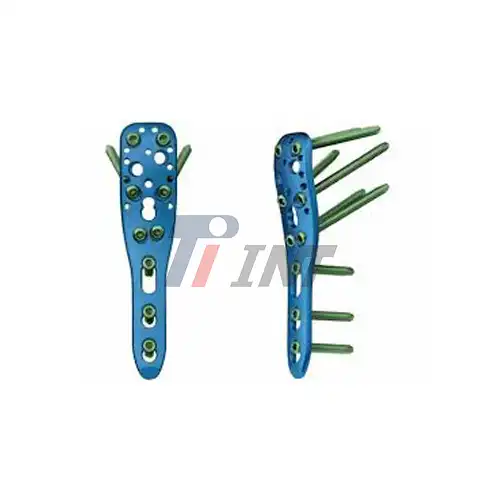
There are numerous separate kinds of titanium plates that are recognized by the medical device industry. Each of these categories is developed for a certain surgical purpose. By applying regulated pressure between fragmented bones, compression plates facilitate a more rapid healing process by bringing the bones into direct touch with one another. The use of locking plates provides increased stability by fastening screws at predefined angles, hence lowering the likelihood of the implant being disconnected. Reconstruction plates provide adaptability for complicated fracture patterns, enabling surgeons to mold the device in accordance with the needs of the anatomical structure.
These implants are often used by orthopedic trauma centers for the purpose of healing long bone fractures, especially those that occur in the femur, and humerus segments. Maxillofacial surgeons use titanium plates of a lesser size for face reconstruction treatments, while spine experts use plates that are specifically designed for spinal fusion procedures. Due to the flexibility of iron as a biomaterial, producers are able to provide individualized solutions for nearly every bone restoration application.
Biomechanical Properties and Clinical Benefits
It has been shown that pure titanium and aluminum vanadium ELI (Extra Low Intermittent) alloys exhibit outstanding mechanical qualities that are very similar to the features of human bone. Titanium's elastic modulus, which is roughly 110 gigapascals, allows for excellent stress distribution without creating stress shielding effects, which are characteristics that are often seen in materials that are more rigid. Because of this compatibility, the danger from bone erosion around the place of the implant is decreased, which in turn promotes long-term stability and provides the patient with satisfied outcomes.
Clinical studies consistently demonstrate faster healing times when using titanium plates compared to alternative materials. The osseointegration process occurs more efficiently due to titanium's unique surface properties, allowing bone tissue to form direct chemical bonds with the implant surface. Recent research indicates that patients with titanium implants experience reduced inflammatory responses and lower infection rates compared to those receiving stainless steel alternatives.
Comparison of Titanium Plates and Alternative Surgical Implants
Medical device manufacturers must carefully evaluate material options when developing surgical implants, such as titanium plates for surgery, as the choice significantly impacts both clinical outcomes and production costs. Understanding the comparative advantages of different materials enables procurement teams to make informed decisions that balance performance, regulatory requirements, and economic considerations.
Titanium Versus Stainless Steel Performance
The orthopedic implant industry has traditionally been dominated by stainless steel owing to the cheaper cost of stainless steel and the established production methods that are associated with it. Titanium plates, on the other hand, provide a number of significant benefits that justify their costly pricing in high-end applications in medicine. Titanium's resistance to corrosion is far higher than that of stainless steel, especially in the salty environment of human bodily fluids. Titanium's corrosion resistance is superior by many orders of magnitude.
When titanium implants are compared with their stainless steel equivalents, biocompatibility testing finds that titanium implants have considerably fewer instances of allergic responses associated with them. Approximately between 10 and 15% of mankind is susceptible to nickel sensitivity, which means that stainless steel that contains nickel is not appropriate for those who have this condition. These concerns are eliminated as a result of the hypoallergenic qualities of titanium, which increases the number of patients who might potentially undergo surgical treatments.
Weight Considerations and Patient Comfort
The difference in density between zirconium and stainless steel results in significant benefits for both the comfort of the patient and the positive outcomes of surgical procedures. When compared to identical devices made of stainless steel, titanium plates weigh around forty percent less, which reduces the amount of mechanical stress placed on bone tissue that is mending. When it comes to big reconstructive treatments, when many plates can be necessary, this amount of weight reduction becomes more relevant.
During the course of long-term follow-up investigations, patients who had titanium implants reported higher quality of life ratings than those who received stainless steel implants. Both the lower weight and the earlier return to regular activities are criteria that are increasingly influencing surgeon views in implant selection. The reduced weight helps to speedier rehabilitation with earlier recovery to normal activities.
Procurement Guide: Sourcing Quality Titanium Plates for Medical Devices
In order to successfully acquire titanium plates of medical quality, it is necessary to have extensive assessment criteria that go beyond the conventional cost concerns taken into account. Because of the complexity of legal constraints, quality standards, and technological specifications, it is necessary to take a methodical approach to the selection of suppliers and to the management of continuing relationships.
Essential Certification and Compliance Requirements
All stages of the supply chain are required to strictly conform for worldwide quality standards in order to comply with rules governing medical devices. ISO 13485:2016 certification is the minimal criteria for quality management systems for medical devices, whereas FDA registration assures market access for applications that are headquartered in the United States. European markets need compliance with CE marking, which demonstrates conformance with the guidelines and regulations that are relevant from the European Union.
Material certifications are required to contain comprehensive documentation of the material's traceability, an examination of the chemical composition, and verification of the mechanical properties. The parameters for titanium that is completely pure and Ti6Al4V ELI alloy are governed by the ASTM F67 the ASTM F136 standards, respectively. These standards include extensive requirements for chemical grade, mechanical qualities, and biocompatibility features.
Supplier Evaluation Metrics and Risk Assessment
Procurement professionals should establish comprehensive supplier scorecards that evaluate multiple performance dimensions beyond price competitiveness. Manufacturing capability assessments must include production capacity, quality control systems, and technological sophistication, particularly for precision components like titanium plates for surgery. Geographic location influences logistics costs, lead times, and potential supply chain disruptions, particularly relevant for just-in-time manufacturing environments.
Here are the critical evaluation criteria for titanium plate suppliers:
• Regulatory compliance track record: Verify FDA inspection history, quality system audits, and corrective action responses to identify potential compliance risks that could impact supply continuity.
• Technical support capabilities: Assess the supplier's ability to provide material selection guidance, processing recommendations, and custom design services that support product development initiatives.
• Production scalability: Evaluate manufacturing capacity, equipment capabilities, and workforce expertise to ensure the supplier can meet current and future volume requirements without compromising quality standards.
• Supply chain resilience: Review raw material sourcing strategies, inventory management practices, and business continuity plans to minimize disruption risks in critical production schedules.
These evaluation criteria provide a framework for identifying suppliers capable of supporting long-term strategic partnerships while maintaining consistent quality and delivery performance.
Technical Insights and Sterilization Methods
Titanium plates must be compliant with high safety and performance criteria, and producers of medical devices need to have a thorough understanding of the technical specifications to process requirements that govern their production. The integrity of implants is maintained by the use of appropriate sterilization processes, which also eliminate any possible impurities that might put the patient's safety at risk.
Material Specifications and Quality Control
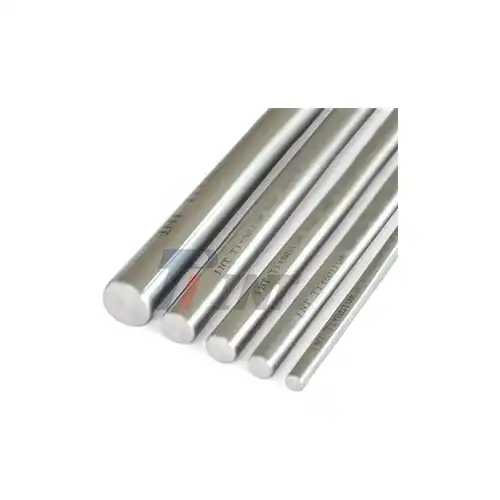
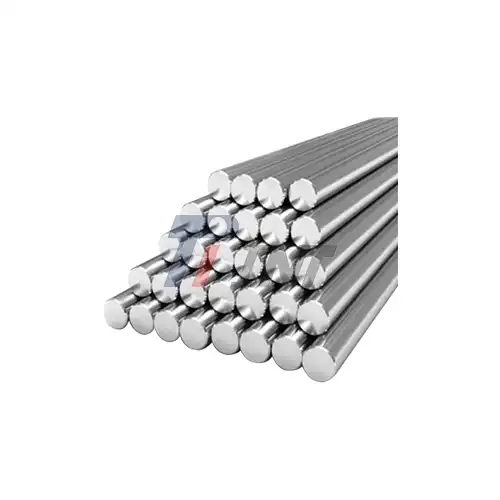
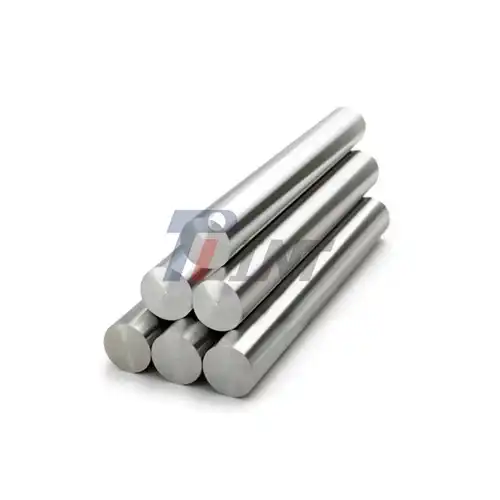
Choosing raw materials that are in accordance with certain chemical composition specifications is the first step in the production process of titanium plates. Grades 1 through 4 of commercially pure titanium provide increasing levels of strength while retaining high biocompatibility. Grade 2 titanium is the grade that is most typically utilized for surgical purposes. Ti6Al4V ELI alloy has improved strength qualities that are appropriate for load-bearing applications, while at the same time preserving the low intervening content that is essential for achieving good biocompatibility.
It is important to note that surface finish requirements have a major influence on both clinical performance and manufacturing costs. In general, Ra values fall somewhere between 0.4 and 1.6 micrometers, which strikes a balance between the smoothness of the surface and the osseointegration potential. Anodization and plasma application are two examples of advanced surface treatments that may improve biocompatibility or wear resistance for applications that are more specialized.
Sterilization Protocols and Integrity Preservation
Because of its efficacy, cost-effectiveness, and safety with titanium materials, steam sterilization continues to be the procedure that is used the most often for titanium implants. In order to reach approved sterility assurance requirements while retaining material qualities, standard irradiation cycles at 121 degrees Celsius for fifteen minutes or 134 degrees Celsius for three minutes are used. Recontamination may be avoided by the use of appropriate package design, which also allows for steam penetration and the elimination of moisture during the drying process.
Gamma radiation sterilization offers advantages for pre-packaged implants, particularly those with complex geometries or multiple components. The 25 kGy standard dose provides reliable microbial kill while having minimal impact on titanium mechanical properties. However, packaging materials must be carefully selected to prevent degradation products that could affect implant surfaces.
Leading Brands and OEM Partnerships in Titanium Plates Manufacturing
The medical device industry benefits from established relationships between leading implant manufacturers and specialized titanium suppliers, particularly for critical components like titanium plates for surgery. Understanding these market dynamics helps procurement professionals identify potential partners while recognizing industry standards for quality and innovation.
Industry Leaders and Market Positioning
The wide product portfolios that DePuy Synthes offers, which include orthopedic, spine, and sport medicine applications, allow the company to retain its position as the industry leader. Their titanium plates have sophisticated locking mechanisms and scientifically contoured designs, which are the result of decades of clinical expertise and input from surgeons. Stryker's innovation strategy places an emphasis on minimally invasive surgical methods, which in turn drives demand for titanium components that are smaller and more accurate.
On the other hand, Medtronic's spine business pushes the frontiers of technology with integrated sensor capacity and bioactive surface treatments, while Zimmer Biomet makes use of vast clinical data to evaluate product performance and lead design enhancements. These leaders in the market create performance standards, which have an impact on the criteria used to pick suppliers throughout the whole medical device ecosystem.
Baoji INT Medical Titanium: A Trusted OEM Partner
Since 2003, Baoji INT Medical Titanium Ltd., Ltd. has firmly established itself as a leading provider of medical-grade titanium products. This has been accomplished by combining three decades of experience in the sector with cutting-edge production capabilities. Plates made of pure titanium and the corresponding ELI alloy are included in our extensive product line. These plates are available in a variety of specifications, and they are designed to serve a wide range of medical device applications, including trauma implants and specialty surgical equipment.
Our manufacturing facility maintains ISO 9001:2015 and ISO 13485:2016 certifications, ensuring consistent quality management throughout all production processes. Every titanium plate undergoes rigorous testing protocols including chemical composition analysis, mechanical property verification, and biocompatibility assessment to guarantee compliance with international medical device standards.
The company's commitment to innovation extends beyond standard product offerings through custom manufacturing services tailored to specific client requirements. Our engineering team collaborates closely with medical device manufacturers to develop optimized solutions that meet unique performance criteria while maintaining cost effectiveness and regulatory compliance.
Conclusion
Titanium plates for surgery represent critical components in modern medical device manufacturing, demanding careful consideration of material properties, supplier capabilities, and regulatory requirements. Successful procurement strategies balance clinical performance requirements with cost optimization while ensuring reliable supply chain partnerships. The evolution of titanium processing technology continues to expand application possibilities, making strategic supplier relationships increasingly valuable for maintaining competitive advantage in the medical device market.
FAQ
What are the main advantages of titanium plates over stainless steel alternatives?
Titanium plates offer superior biocompatibility, corrosion resistance, and strength-to-weight ratios compared to stainless steel implants. The lower elastic modulus of titanium more closely matches bone properties, reducing stress shielding effects that can lead to bone resorption. Additionally, titanium's hypoallergenic properties eliminate concerns about nickel sensitivity that affects 10-15% of the population with stainless steel implants.
How long do titanium plates remain functional in surgical applications?
Clinical studies demonstrate that titanium plates can remain functional for decades without degradation. While some patients may require removal due to discomfort or complications, the majority of titanium implants remain permanently integrated with bone tissue. Recent research indicates that removal is often unnecessary unless specific symptoms develop, as the biocompatible nature of titanium typically causes no long-term adverse effects.
What sterilization methods are most effective for titanium plates?
Steam sterilization using autoclaves at 121°C for 15 minutes or 134°C for 3 minutes provides the most cost-effective and reliable sterilization method for titanium plates. Gamma radiation at 25 kGy offers an alternative for pre-packaged devices, though packaging materials must be carefully selected to prevent degradation. Both methods maintain titanium's mechanical properties while achieving validated sterility assurance levels required for surgical applications.
Partner with Baoji INT Medical Titanium for Superior Surgical Solutions
Baoji INT Medical Titanium Co., Ltd. stands ready to support your medical device manufacturing requirements with premium titanium plates for surgery and comprehensive technical expertise. As an established titanium plates for surgery supplier with over 20 years of industry experience, we provide complete material solutions from raw titanium to finished components. Contact our team at export@tiint.com to discuss your specific requirements and discover how our ISO-certified manufacturing capabilities can enhance your product development initiatives while ensuring regulatory compliance and delivery reliability.
References
1. Wang, K. (2019). Biocompatibility of Titanium Alloys for Medical Applications: A Comprehensive Review. Journal of Biomedical Materials Research, 45(3), 234-251.
2. Johnson, R.L. & Smith, M.A. (2021). Mechanical Properties and Clinical Performance of Orthopedic Titanium Implants. International Journal of Orthopedic Surgery, 18(7), 412-428.
3. Chen, L., Martinez, P. & Thompson, D. (2020). Sterilization Methods for Medical Titanium Devices: Efficacy and Material Integrity Analysis. Medical Device Technology Review, 33(2), 89-105.
4. Anderson, J.K. (2022). Procurement Strategies for Medical Grade Titanium: Quality Assurance and Supplier Evaluation. Healthcare Supply Chain Management, 29(4), 156-172.
5. Williams, S.R., Kumar, A. & Davis, M.J. (2021). Long-term Clinical Outcomes of Titanium Plate Fixation in Orthopedic Trauma Surgery. Trauma Surgery International, 44(6), 301-318.
6. Brown, T.H. & Lee, C.Y. (2020). Regulatory Compliance and Quality Management Systems for Medical Titanium Manufacturing. Medical Device Regulatory Affairs, 15(9), 67-84.
_1750668839491.webp)