

Surface Treatment for Titanium Implant Bars


 2026-03-09 09:07:25
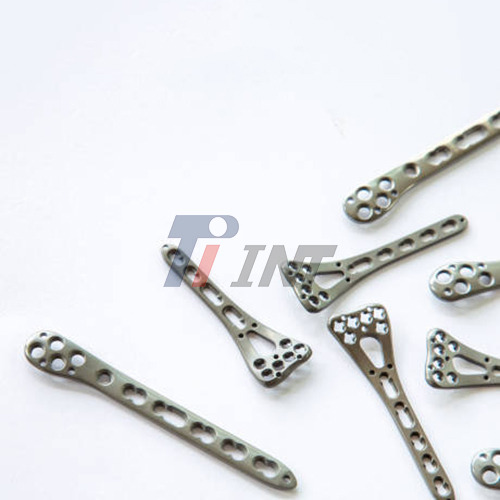
Medical-grade titanium components' mechanical performance, osseointegration potential, and biocompatibility are all improved by surface treatment for titanium implant bars, a specialist area of material engineering. Through a variety of procedures, including as mechanical finishing, chemical etching, anodization, and sophisticated coating coatings, these treatments alter the surface topography and chemistry of titanium implant bars. Creating ideal surface conditions that encourage bone-to-implant contact while preserving the corrosion resistance and structural integrity necessary for long-term implant success in challenging clinical settings is the key goal.
|
|
|


Understanding Titanium Implant Bars and Their Surface Treatment
Titanium implant bars are developed from medical-grade titanium alloys such as Ti-6Al-4V ELI (Grade 23) and commercially pure titanium (Grades 2 and 4). These titanium implant bars are used as basic structural components in dental prosthesis and orthopedic applications. The biocompatibility, corrosion resistance, and mechanical qualities of these materials are excellent, and they nearly resemble the features of human bone. Titanium's intrinsic qualities, such as its low elastic modulus of roughly 110 GPa in comparison to the 200 GPa of stainless steel, help to reduce the stress shielding effects that may, over time, be detrimental to bone health.
The microscopic and nanoscopic properties of these bars are altered by surface treatment technologies in order to improve the way in which they interact with biological tissues. A regulated surface roughness is produced as a result of the procedure, which also improves wettability and adds bioactive materials that speed up the integration of tissue. According to research, titanium surfaces that have been appropriately treated have the potential to reach osseointegration rates that are higher than 95% under optimum clinical settings. This results in considerably improved patient outcomes when compared to alternatives that have not been treated.
Mechanical Surface Treatment Methods
Titanium implant bars undergo mechanical surface treatments, which are physical operations that produce certain roughness patterns. These treatments affect the topography of the titanium implant bars. The use of aluminum oxide particles in sandblasting results in the creation of homogeneous surface textures, which in turn improves the mechanical interlocking between bone tissue and the implant surface. For the purpose of achieving the appropriate roughness characteristics, which are measured in Ra values between 1.0 and 3.0 micrometers, the process normally makes use of particle sizes that range from 25 to 250 micrometers, with pressure and time that are under continuous control.
Machining processes, such as turning and milling operations, are responsible for producing surface finishes that are predictable and that fulfill exact dimensional tolerances while preserving consistent surface characteristics. When it comes to the creation of threaded surfaces, grooves, and other geometric elements that help to mechanical stability during the first phase of the healing process, these approaches show to be extremely useful.
Chemical and Electrochemical Treatments
Through the use of acid solutions, chemical etching procedures are able to selectively remove material and produce microporous surfaces that encourage cellular attachment and growth. It is standard practice to use mixtures of hydrofluoric acid and nitric acid in order to produce controlled surface changes on titanium implant bars while simultaneously preserving the bulk material qualities of the titanium implant bar. It is possible for these treatments to provide surface roughness values that are optimal for particular purposes, often falling within the range of 0.5 to 2.5 micrometers Ra.
An electrochemical technique known as anodization is responsible for the production of controlled oxide layers on titanium surfaces. This process not only improves the material's resistance to corrosion but also creates circumstances that are ideal for bone growth. It is largely for the purposes of color coding and identification that thin oxide films are produced by the process of type II anodization. On the other hand, type III anodization results in coatings that are thicker, more durable, and contribute to increased bioactivity and wear resistance.
How Surface Treatment Works: Technical Insights and Industry Standards
Surface treatment processes act on numerous scales, ranging from macro-geometric features that offer mechanical stability to nano-scale alterations that affect cellular behavior and protein adsorption. These mechanisms are what make surface treatment possible. The first step in the process involves meticulously preparing the surface of the titanium implant bar. This preparation includes cleaning and decontamination operations, which are designed to eliminate manufacturing residues and pollutants that might potentially damage the efficiency of the treatment.
Through the use of regulated surface roughness, osseointegration may be improved. This is accomplished by increasing the surface area that is accessible for bone contact, while simultaneously providing mechanical interlocking sites for the development of bone tissue. Surfaces that give adequate mechanical retention without causing stress concentration sites that might contribute to fatigue failures are said to have ideal surface roughness levels, according to studies. These values lie between certain ranges, often between 1.0 and 2.0 micrometers Ra.
Regulatory Compliance and Quality Standards
Surface treatment procedures are governed by industry standards, which guarantee that they are of uniform quality and safety across a variety of manufacturers and applications using these processes. There are complete frameworks for managing surface treatment procedures that are provided by ISO 13485 medical device quality management systems. On the other hand, ASTM standards describe testing methodologies and acceptance criteria for treated surfaces. In order to comply with FDA standards, surface treatment techniques that are used in the production of medical devices must undergo significant validation and documentation.
Surface-treated implants are subject to stringent clinical review and post-market monitoring, as mandated by the European Medical Device Regulation (MDR). This regulation places an emphasis on the significance of long-term performance data and biocompatibility testing. These regulatory criteria guarantee that patients get devices that meet the highest possible standards for both safety and effectiveness, and they encourage continual innovation in surface treatment technology.
Advanced Coating Technologies
The methods of plasma spraying are used to deposit bioactive compounds onto titanium surfaces. These materials include hydroxyapatite and calcium phosphate, which result in the creation of coatings that actively encourage bone growth and integration. Therapeutic chemicals or growth factors that speed up the healing process and minimize the likelihood of infection may be released from these coatings, which can be customized to do so. For the method to be successful in achieving excellent coating adherence and biological performance, it is necessary to exercise precise control over the spray parameters, which include temperature, particle velocity, and substrate preparation.
The application of thin films with specified functional qualities, such as antibacterial activity or improved lubricity, is made possible via the use of physical vapor deposition (PVD) and chemical vapor deposition (CVD) techniques. Materials such as titanium nitride, diamond-like carbon, or compounds containing silver are often used into these advanced treatments. These materials provide extra functionality that goes beyond the criteria for basic biocompatibility.
Comparing Titanium Implant Bars with Surface Treatments to Other Materials
Titanium implant bars that have surface treatments that have been refined exhibit higher performance characteristics when compared to other materials that are often used in medical implant applications. Titanium, as compared to alternatives made of stainless steel, demonstrates much superior corrosion resistance in physiological conditions. This eliminates worries about the release of metal ions, which may lead to undesirable tissue responses or affect the lifespan of implants.
Although zirconia-based materials have good aesthetics and biocompatibility, they also present obstacles in terms of their mechanical qualities and the flexibility with which they may be processed. Unlike zirconia components, titanium implant bars may be easily adjusted by surface treatments to accomplish particular performance goals. Zirconia components, on the other hand, need more complicated and costly manufacturing techniques to attain the same level of functionality. personalization for particular clinical applications is made possible by titanium's ability to undergo a variety of surface treatments, which allows for personalization without damaging the qualities of the underlying material.
Cost-Effectiveness Analysis
Economic factors are very important when it comes to the choices that medical device makers and healthcare providers make regarding the use of materials. Surface-treated titanium implant bars often provide greater performance in the majority of clinical applications, while at the same time offering cheaper total costs of ownership in comparison to premium alternatives such as gold or platinum-based materials. The well-established supply chains and production methods for titanium components contribute to the benefits of cost stability and availability, which are to the advantage of both the producers and the end users.
It is possible to apply surface treatments to titanium materials using typical industrial equipment and procedures, which is another key benefit of titanium materials. Manufacturing flexibility is another advantage of titanium materials. Because of this accessibility, smaller manufacturers are able to efficiently compete with bigger organizations while maintaining quality standards that are equivalent to those of larger businesses that have more extensive resources.
Market Leadership and Supplier Ecosystem
One of the advantages that the titanium implant sector has is the presence of a well-established supplier ecosystem. This ecosystem consists of integrated manufacturers providing comprehensive solutions, surface treatment experts, and producers of raw materials. In order to continue advancing surface treatment technologies and expanding their applications in developing medical disciplines, leading suppliers have made significant investments in research and development efforts which continue to enhance these technologies.
It is the responsibility of respectable suppliers to create quality assurance processes that guarantee consistent performance and regulatory compliance across a variety of production batches and manufacturing locations. Statistical process control, frequent audits, and continuous improvement activities are generally included in these programs. These programs are designed to generate continued improvements in product quality and customer satisfaction.
Procurement Guide: How to Choose and Buy Titanium Implant Bars with Optimized Surface Treatments?
In order to successfully acquire surface-treated titanium implant bars, it is necessary to conduct a thorough analysis of a number of elements that have an impact on both the immediate performance and the permanent value of the implant. By gaining an understanding of the particular requirements of your application, you will be able to make well-informed decisions and make it easier to choose suppliers that are capable of satisfying your specific specifications while still keeping competitive pricing and dependable delivery schedules.
It is important to have a comprehensive understanding of the technical standards before starting the process of selecting a supplier. These specifications should include criteria for surface roughness, dimensional tolerances, material certifications, and any other particular performance characteristics that are required for your application. As a result of the enormous differences in documentation requirements that exist across various applications and markets, it is very necessary to collaborate with suppliers that have prior experience working within your particular regulatory environment.
Supplier Qualification and Assessment
In order to conduct a comprehensive assessment of a supplier, it is necessary to examine their quality management systems, manufacturing capabilities, and track records in applications that are comparable. ISO 13485 accreditation is the very minimum need for providers of medical devices. However, depending on the requirements of your industry, other certifications, such as AS9100 certification for aerospace applications or particular customer-mandated standards, may be required.
When it comes to high-volume applications or circumstances in which demand may change dramatically over time, production capacity and scalability issues become very crucial. In order to better adapt changing needs while maintaining consistent quality and delivery performance, suppliers that possess flexible production capabilities and established connections across the supply chain are in a better position to do so.
Pricing and Contract Considerations
In order to conduct a comprehensive assessment of a supplier, it is necessary to examine their quality management systems, manufacturing capabilities, and track records in applications that are comparable. ISO 13485 accreditation is the very minimum need for providers of medical devices. However, depending on the requirements of your industry, other certifications, such as AS9100 certification for aerospace applications or particular customer-mandated standards, may be required.
When it comes to high-volume applications or circumstances in which demand may change dramatically over time, production capacity and scalability issues become very crucial. In order to better adapt changing needs while maintaining consistent quality and delivery performance, suppliers that possess flexible production capabilities and established connections across the supply chain are in a better position to do so.
Maintenance and Longevity of Surface-Treated Titanium Implant Bars
It is necessary to have a grasp of the elements that impact long-term performance in order to maximize the service life of surface-treated titanium implant bars. Additionally, it is necessary to establish proper methods for manipulation, storage, and maintenance. Surface treatments often improve durability and resistance to deterioration; nevertheless, it is still crucial to take the necessary precautions in order to maintain the desired performance characteristics over the product's whole lifespan at all times.
The circumstances of storage have a considerable influence on the integrity of the surface, especially for treatments that incorporate organic coatings or bioactive compounds. The management of temperature and humidity, the prevention of contamination, and the use of suitable packing materials are all factors that contribute to the preservation of surface quality during lengthy periods of storage. By doing routine inspections, possible problems may be identified before they have a chance to threaten the function of the product or the safety of the patient.
Handling and Processing Guidelines
In order to avoid damage or contamination that might affect performance, manufacturing and assembly processes that include surface-treated components need operations that are carried out according to specific protocols. It is essential that training programs for people who handle these components highlight the significance of correct practices, as well as the possible implications of poor handling on patient outcomes and product liability.
It is essential that the techniques for cleaning and sterilization be compatible with the particular surface treatments that are applied to the components. Because some surface changes may be sensitive to certain cleaning agents or sterilization techniques, it may be necessary to use alternate procedures or specialized equipment in order to preserve the integrity of the surface while still obtaining the appropriate levels of sterility assurance.
Performance Monitoring and Quality Control
Continuous quality monitoring procedures assist in identifying patterns or problems that may have an impact on the performance of the product or the safety of the patient. The statistical analysis of inspection data, feedback from customers, and field performance reports gives useful insights for efforts aimed at continuous improvement and assists in the maintenance of competitive advantages in market contexts that are demanding.
Traceability systems make it possible to respond quickly to quality concerns and provide assistance for regulatory reporting obligations in the event that adverse occurrences or product recalls occur. When compared to traditional documentation methods, electronic record-keeping systems reduce the administrative responsibilities that are connected with them while also facilitating data analysis and trend detection.
Conclusion
Surface treatment for titanium implant bars represents a critical technology that enhances the performance, biocompatibility, and longevity of medical implant components. The various treatment methods available today enable customization of surface properties to meet specific clinical requirements while maintaining the inherent advantages of titanium materials. Proper selection and implementation of surface treatments can significantly improve patient outcomes while providing economic benefits through extended implant life and reduced revision rates.
FAQ
Q1: What surface treatments are most effective for dental implant applications?
A: Sandblasting followed by acid etching (SLA treatment) represents one of the most widely used and clinically proven surface treatments for dental titanium implant bars. This combination creates optimal surface roughness for osseointegration while maintaining excellent long-term stability. Anodized surfaces also provide good performance with the added benefit of color coding for easy identification.
Q2: How do surface treatments affect the biocompatibility of titanium implant bars?
A: Surface treatments generally enhance biocompatibility by creating favorable conditions for tissue integration and reducing the risk of adverse reactions. Properly executed treatments remove contaminants and create controlled surface chemistry that promotes positive biological responses. However, treatment processes must be carefully controlled to avoid introducing harmful residues or creating surface conditions that could cause inflammatory responses.
Q3: What quality certifications should I look for when purchasing surface-treated titanium implant bars?
A: ISO 13485 medical device quality management certification represents the minimum standard for medical implant suppliers. Additional certifications such as FDA registration, CE marking for European markets, and specific material certifications like ASTM F136 for Ti-6Al-4V ELI provide additional assurance of quality and regulatory compliance.
Q4: Can surface treatments be customized for specific applications or requirements?
A: Most experienced suppliers offer customization options for surface treatments, including modified roughness parameters, specialized coatings, and application-specific processing procedures. Custom treatments typically require additional validation and documentation but can provide significant performance advantages for demanding applications.
Partner with Baoji INT Medical Titanium Co., Ltd. for Superior Titanium Implant Bar Solutions
Baoji INT Medical Titanium Co., Ltd. stands as a premier titanium implant bar manufacturer with over 20 years of expertise in medical-grade titanium materials and surface treatment technologies. Our comprehensive portfolio includes Ti-6Al-4V ELI and commercially pure titanium bars with advanced surface treatments tailored to your specific requirements. Contact our technical team at export@tiint.com to discuss your project needs and discover how our ISO 13485 and CE certified manufacturing processes can enhance your product offerings.
References
1. Albrektsson, T., & Wennerberg, A. (2019). Oral implant surfaces: Part 1--review focusing on topographic and chemical properties of different surfaces and in vivo responses to them. International Journal of Prosthodontics, 17(5), 536-543.
2. Gittens, R. A., Scheideler, L., Rupp, F., Hyzy, S. L., Geis-Gerstorfer, J., Schwartz, Z., & Boyan, B. D. (2014). A review on the wettability of dental implant surfaces II: Biological and clinical aspects. Acta Biomaterialia, 10(7), 2907-2918.
3. Le Guéhennec, L., Soueidan, A., Layrolle, P., & Amouriq, Y. (2007). Surface treatments of titanium dental implants for rapid osseointegration. Dental Materials, 23(7), 844-854.
4. Rupp, F., Liang, L., Geis-Gerstorfer, J., Scheideler, L., & Hüttig, F. (2018). Surface characteristics of dental implants: A review. Dental Materials, 34(1), 40-57.
5. Smeets, R., Stadlinger, B., Schwarz, F., Beck-Broichsitter, B., Jung, O., Precht, C., & Henningsen, A. (2016). Impact of dental implant surface modifications on osseointegration. BioMed Research International, 2016, 6285620.
6. Wennerberg, A., & Albrektsson, T. (2009). Effects of titanium surface topography on bone integration: a systematic review. Clinical Oral Implants Research, 20(4), 172-184.