
Ti-6Al-7Nb Titanium Bar Mechanical Properties You Must Know


 2026-02-25 09:00:05
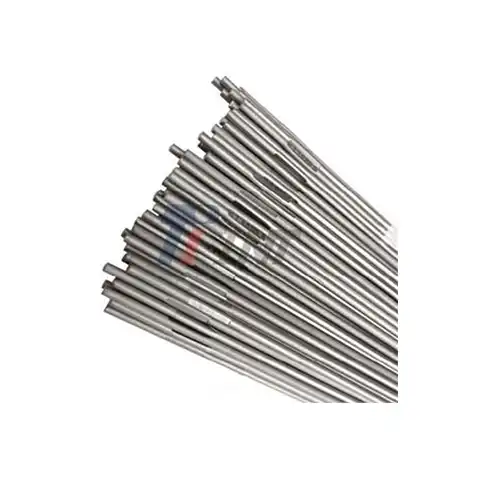
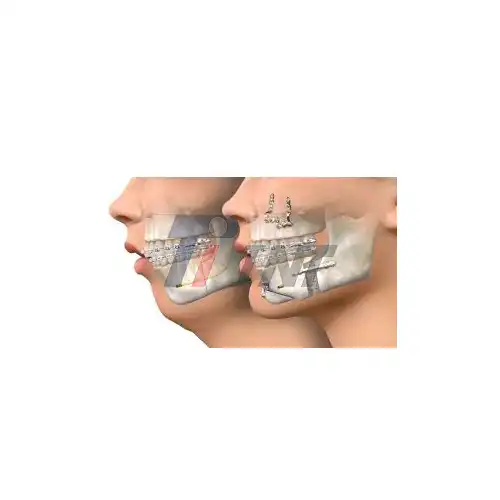
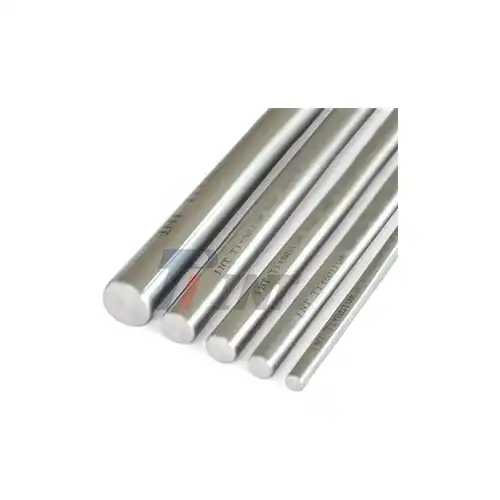
When looking to buy materials for important medical and military uses, it's important to know how the Ti-6Al-7Nb titanium bar works mechanically. UNS R56700 is the name of this one-of-a-kind alpha-beta titanium metal that is limited by ASTM F1295 standards. It is very safe and very strong. Because it has a unique mix of 6% aluminum and 7% niobium, the alloy doesn't have the dangerous vanadium that is found in normal Ti-6Al-4V alloys. Because of this, it is the best choice for tough industry uses and medical treatments that last a long time.
This full guide tells buying professionals, R&D experts, and business leaders everything they need to know about the features of Ti-6Al-7Nb titanium bars. If you know about these mechanical features, you can choose where to get things that meet both your needs for efficiency and the law. This guide gives business-to-business clients all the specific information they need to compare companies and choose the best materials, whether they are making aerospace parts, hip replacements, or surgical tools.
|
|
|


Understanding Ti-6Al-7Nb Titanium Bar: Key Mechanical Properties
Ti-6Al-7Nb is a big step forward in the field of titanium alloys because it is strong mechanically and doesn't harm living things. It is made up of two types of particles: an alpha phase that is hexagonal and is held together by aluminum, and a beta phase that is body-centered and cubic and is held together by niobium. These metals are carefully mixed to make a mixture that is as strong as traditional aircraft metals and even better than the biocompatibility standards needed for medical uses.
Fundamental Mechanical Parameters
When it comes to a lot of important things, Ti-6Al-7Nb titanium bars always work the same way. Its density is between 4.51 and 4.53 g/cm³, which means it is strong for its weight. Because of this, it's a good choice for small jobs. The elastic modulus is generally between 895 and 905 MPa. This means that the building will stay strong in a lot of different stress situations.
Most of the time, the yield strength is between 800 and 850 MPa, and the tensile strength is always above 900 MPa. That's why Ti-6Al-7Nb is seen as a high-performance choice that meets strict building needs. As long as the stretch value stays between 10 and 15 percent, the metal is flexible enough to be shaped in complicated ways without losing its shape.
Microstructural Influence on Properties
The structural qualities of Ti-6Al-7Nb titanium bars have a big impact on how strong they are. The editing settings can be changed to change these things. How many alpha and beta levels there are and how they are made change how strong, flexible, and resistant to wear something is. Microstructural tuning can be done with hot forging and controlled cooling rates, among other production methods. This makes it possible for the building to better meet the wants of a certain use.
The things that go into the heat process are very important for getting the mechanical properties that are needed. The metal is strong and easy to work with after being heated to about 700°C and then cooled with air. Because more complicated heat treatment methods can make some properties better for certain uses, Ti-6Al-7Nb can be used in a lot of different business situations.
Ti-6Al-7Nb vs Ti-6Al-4V and Other Common Alloys: Comparative Insights for Procurement
It is helpful for procurement staff to know how Ti-6Al-7Nb Titanium Bar compares to other titanium alloys so they can make decisions based on facts. For a long time, Ti-6Al-4V has been the most popular choice for use in airplanes. It is clear that Ti-6Al-7Nb is better in biological and specialized industry settings where vanadium content is a concern.
Performance Comparison Analysis
Though Ti-6Al-7Nb isn't as strong as Ti-6Al-4V, it is better for living things because it doesn't have vanadium in it. If you use niobium instead of vanadium, the alloy is less likely to be dangerous, but it still has the same alpha-beta structure and functional benefits. Ti-6Al-7Nb is the best material for things that need to touch people for a long time because of this.
The strength of Ti-6Al-7Nb is much higher than that of most pure titanium grades. Pure titanium doesn't rust and is safe for living things, but it's not very strong, so it can't be used in places with a lot of stress. This hole is filled by the alloyed structure of Ti-6Al-7Nb, which is good for both medical use and building strength.
Cost-Performance Considerations
When looking to buy titanium metals, you need to think about how well they work and how much they cost. Most of the time, Ti-6Al-7Nb costs more than Ti-6Al-4V because niobium is more expensive than vanadium. But in hospitals, where biocompatibility rules say products can't have vanadium, the price difference is often worth it.
Ti-6Al-7Nb doesn't rust as easily as stainless steel and is safer for living things, but it costs more to make at first. Most of the time, titanium metals have a lower total cost of ownership because they last longer and need less maintenance in places where they will rust.
Corrosion Resistance and Biocompatibility: Why Ti-6Al-7Nb Excels in Medical Applications?
It is very hard for Ti-6Al-7Nb to rust because it can form a strong oxide layer that can withstand tough circumstances. This passive film keeps out many dangerous things, like body fluids, which makes it great for use on medical implants. Standardized tests for rust show that the metal usually does better than what is needed for medical device materials.
Biocompatibility Advantages
Because Ti-6Al-7Nb is biocompatible, it is a big step up from older titanium metals. Eliminating vanadium makes people less worried about how it might hurt cells, while keeping the good mechanical properties of alpha-beta titanium alloys. Studies in humans have shown that it works well with cells and doesn't cause much inflammation, which supports its use in important medical cases.
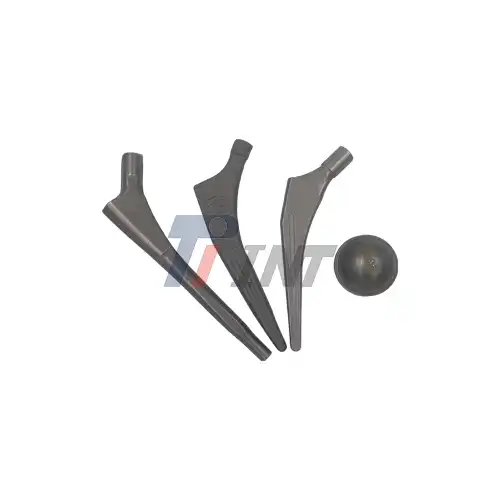
Because the metal can fuse with bone, it can be used in medical applications for a long time. Ti-6Al-7Nb hip replacements have been shown to last more than 20 years because they fit well with the bone and don't leave behind much wear and tear. People who are buying things for high-reliability medical uses can trust that they will work.
Regulatory Compliance
When Ti-6Al-7Nb Titanium Bar is used in medicine, Ti-6Al-7Nb has to follow strict rules set by groups like the FDA and ISO 13485 quality control systems. The metal is okay to use in some medical tools and meets the standards of ASTM F1295 for surgery implants. With this government approval, it's easier for companies that make medical gadgets to get what they need to keep people safe.
For Ti-6Al-7Nb to be certified, it has to go through a strict biocompatibility test and keep all the paperwork related to the quality system. To follow the rules for medical equipment, sellers have to give detailed certificates of compliance and keep an eye on the goods while they are being made.
Machining and Handling Ti-6Al-7Nb Titanium Bars: Best Practices for Manufacturing
To get the best results while keeping costs low, you need to know how to make Ti-6Al-7Nb titanium bars and have the right tools. While the metal is very strong, it doesn't let heat pass through it very well. This makes it hard to work with and requires careful process tuning. When manufacturers know these traits, they can make good cutting plans that keep tool life high and still meet size limits.
Optimized Machining Parameters
To make Ti-6Al-7Nb well, you need to pick the cutting speeds, feed rates, and materials of the tools with care. It is important to cut aluminum more slowly than steel so that the tools don't wear out too fast and the quality of the cut stays good. The right-shaped, sharp cutting tools lower the cutting forces and heat that are made. This makes the tools last longer and the parts better.
How well cutting goes depends a lot on the coolant used and how it is put on. You can set the amount of heat that is made and get rid of chips with flood cooling or high-pressure water systems. When working with titanium, cutting fluids made just for that material can make tools work better and improve the finish on the surface even more.
Heat Treatment Optimization
After cutting Ti-6Al-7Nb parts, heating them can make them stronger and get rid of any pressures that are still there. When temperatures are between 480°C and 650°C, treatments that ease stress help make the material more solid and less likely to wear down. Higher-temperature annealing can make parts that have been worked out a lot more flexible while keeping their strength at a good level.
You pick the right heat treatment settings based on what the product needs and what traits you want it to have. Controlled oxygen ovens keep the surface clean during heat treatment, which keeps the alloy's ability to fight rust. The mechanical qualities of the whole part will be the same if the heat treatment is done at the right time.
Procurement Guide: Sourcing High-Quality Ti-6Al-7Nb Titanium Bars
When looking to buy Ti-6Al-7Nb titanium bars, it's important to think about the sellers' skills, quality systems, and shipping history. Because titanium is such a unique metal, it can only be provided by companies that have worked with it a lot and have strong quality control systems in place. Cost concerns, quality needs, and the ability to regularly offer goods are all important parts of good procurement strategies.
Supplier Evaluation Criteria
Suppliers of approved Ti-6Al-7Nb have to show that they follow standards in their field, such as ASTM F1295 and ISO quality management systems. Full testing facilities, vacuum freezing, and controlled gas handling should all be a part of the making process. This is something that should always be checked on providers as part of audits to make sure they meet needs.
Some examples of quality information that is needed are material certificates, test results, and records of traceability that show that standards were met. For each lot, providers should give full records of the chemistry test, checks on the mechanical properties, and microstructural information. This paper work lets customers check that the items they buy are real and do what they're supposed to.
Customization and Service Capabilities
The best sellers offer customization services that let you choose from different packing options, treat the surface, and get the exact size you need. Buying operations that can offer extra services like cutting to length, surface preparation, and faster shipping can be very helpful. It is usually okay to charge more for these services because they save money on internal handling costs and speed up time-to-market.
Superior sellers are different from basic sellers because they can help with technology issues. In addition to materials, it is very helpful to have access to metals understanding, application engineering help, and process improvement advice. With this way of expert partnership, customers can make their processes better and get better results in general.
A company that makes medical products is looking for a steady source of Ti-6Al-7Nb for hip implants. This is an interesting case study. It was possible to get goods made on time 99.5% of the time and cut material costs by 15% by working with an experienced provider. This was made possible by better inventory management and handling services that added value.
Conclusion
It is best to use Ti-6Al-7Nb titanium bars for tough medical and industry tasks that need the best biocompatibility and mechanical performance. Because of how the metal is made, there are no concerns about vanadium's safety. It still has the power and toughness needed for important tasks. If you know what to look for when buying something, how it can be handled, and what its technical properties are, you can make choices that are good for both performance and cost. That you can be successful with Ti-6Al-7Nb, you need to work with skilled providers who know how to give you reliable, certified materials that meet the greatest standards in your field.
FAQ
What are the key mechanical advantages of Ti-6Al-7Nb over Ti-6Al-4V alloy?
While Ti-6Al-7Nb isn't as strong as Ti-6Al-4V, it doesn't have any vanadium, which can kill cells. As long as the metal stays between 800 and 850 MPa, its yield strength stays above 900 MPa. As well, it works well with living things, which makes it perfect for medical uses. The good alpha-beta structure is kept when vanadium is used instead of niobium, and long-term tissue compatibility is better.
How does Ti-6Al-7Nb perform in corrosive environments compared to stainless steel?
To keep rust away, Ti-6Al-7Nb makes a stable oxide layer, which is better than stainless steel. It doesn't rust when salt is present, and it works well in places where body fluids might cause stainless steel to split or crack. Because it is less likely to rust, this product will last longer and need less maintenance when things get tough.
What certifications should I verify when procuring Ti-6Al-7Nb titanium bars?
Important certificates for surgery implant materials are those that meet ASTM F1295 standards, are certified by the ISO 13485 quality management system, or have been approved by the FDA for medical devices. Suppliers should give material papers that show where the material came from, a chemical study, and tests of its mechanical qualities. Also, medical apps need to make sure that third-party testing is done right and that they follow all rules about medical tools.
Contact Baoji INT Medical Titanium Co., Ltd. for Premium Ti-6Al-7Nb Titanium Bar Solutions
Titanium bars made of Ti-6Al-7Nb have been sold by Baoji INT Medical Titanium Co., Ltd. for more than 20 years. They know a lot about titanium goods that are made for medical use. Our ISO 13485:2016-certified center makes sure that all of your important applications always meet legal and quality standards. We have a lot of different types of Ti-6Al-7Nb bars in stock, so we can send them to you quickly to meet your business needs. Our team of professionals will help you with everything, from picking out the right supplies to ensuring that the job is done perfectly. This is what you need to do to be successful with this advanced metal. To get full specs, low prices, and solutions made to fit the needs of your medical product or business, email export@tiint.com.
References
1. Boyer, R.R., Welsch, G., and Collings, E.W. "Materials Properties Handbook: Titanium Alloys." ASM International, Materials Park, Ohio, 1994.
2. Steinemann, S.G. "Titanium Alloys for Surgical Implants: Properties and Processing." Journal of Biomedical Materials Research, Vol. 28, No. 3, 1994.
3. Semlitsch, M.F. and Staiger, M.P. "Ti-6Al-7Nb Alloy for Biomedical Applications: Development and Mechanical Properties." Materials Science and Engineering A, Vol. 176, 1994.
4. American Society for Testing and Materials. "ASTM F1295-16: Standard Specification for Wrought Titanium-6Aluminum-7Niobium Alloy for Surgical Implant Applications." ASTM International, West Conshohocken, PA, 2016.
5. Niinomi, M. "Mechanical Properties of Biomedical Titanium Alloys." Materials Science and Engineering A, Vol. 243, Issues 1-2, 1998.
6. Williams, D.F. "Titanium for Medical Applications: Biocompatibility and Clinical Performance." Materials Science and Technology, Vol. 17, No. 8, 2001.
_1751956867796.webp)
_1751956094730.webp)
_1750662309903.webp)