
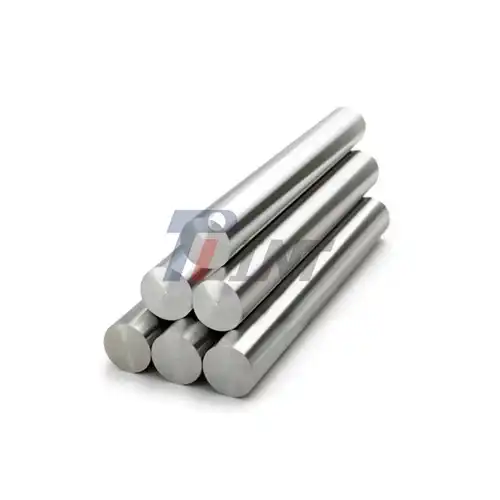
Why Gr 1 Pure Titanium Medical Bar Is Essential for Implants


 2026-02-25 08:59:57
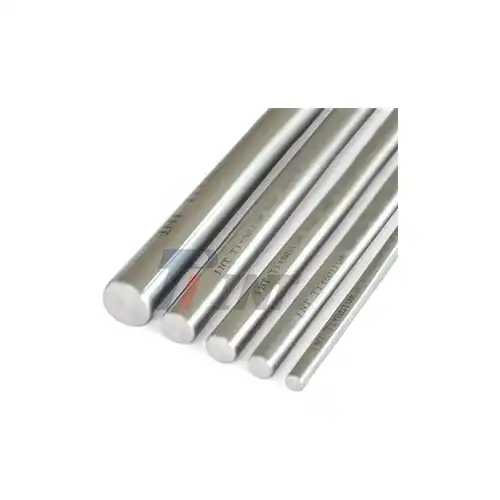
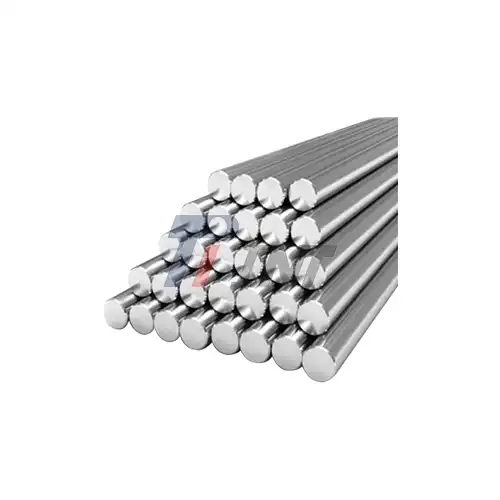
The Gr 1 Pure Titanium Medical Bar is the best material for making medical implants because it is biocompatible and doesn't rust, which are both very important for patient safety. With a minimum purity of 99.5% and great shapeability, this commercially pure titanium grade has the perfect mix of mechanical qualities for important medical uses. Because it performs so well, medical device makers can't do without it when they need stable, long-lasting transplant materials that meet strict regulatory standards.
|
|
|


Comprehending Gr 1 Pure Titanium Medical Bar and Its Unique Properties
The Grade 1 Pure Titanium Medical Bar is the most important material for making current implants. It is very pure, with at least 99.5% titanium content. This type of commercially pure titanium goes through strict manufacturing processes that get rid of impurities while keeping the biocompatibility of the material. Temperature and air pressure are carefully controlled during the making process to make sure that the quality of each batch is the same.
Chemical Composition and Purity Standards
Grade 1 titanium's chemical make-up follows the strict ASTM B348 guidelines, which say the most oxygen, nitrogen, carbon, hydrogen, and iron that can be present. Since these strict rules are followed, a material is made that is much more resistant to rust than regular stainless steel. Because it has low interstitial material, it is more flexible and easy to shape, which makes it perfect for complex implant shapes.
Mechanical Properties and Performance Characteristics
There is a special set of mechanical qualities in grade 1 titanium that makes it perfect for placing implants. The tensile strength of this material is between 240 and 550 MPa, and it can stretch up to 24%. This gives it the flexibility needed for metabolic stress distribution. The elastic stiffness of about 105 GPa is very close to the properties of human bone. This means that there are fewer stress buffering effects that can make it harder for the implant to integrate.
Biocompatibility and Tissue Integration
Gr 1 Pure Titanium Medical Bar is very biocompatible because it can form a steady oxide layer when it comes into contact with living things. This inactive layer stops the release of ions, helps bone implants fuse with the bone, and reduces inflammatory reactions. Clinical studies constantly show that this material is better at integrating with tissue than other metallic implant materials. This leads to better patient results and lower complications rates.
Advantages of Gr 1 Pure Titanium Bars Over Other Medical Bar Materials
When purchasing materials for making medical implants, buying managers need to think about how Grade 1 titanium is better in every way than other choices. When you compare the performance of different materials, you can see that there are big differences that have a direct effect on implant success rates and patient happiness.
Superior Corrosion Resistance Performance
Grade 1 titanium, such as that supplied in the form of Gr 1 Pure Titanium Medical Bar, is very resistant to the natural rusting processes that happen to other implant materials all the time. Unlike stainless steel 316L, which can rust when it comes into contact with body fluids high in salt, pure titanium stays structurally sound for long periods of time after insertion. In living settings, the rate of corrosion is less than 0.025 mm per year, which is much better than other options.
Enhanced Strength-to-Weight Ratio Benefits
When it comes to load-bearing implants, titanium's higher mass becomes very important. Grade 1 titanium has a strength-to-weight ratio of 76 kN·m/kg, which is 20% better than stainless steel options. Its density is 4.51 g/cm³. Because of this feature, the implant's mass is lowered without affecting its skeletal performance. This makes the patient more comfortable and mobile.
Compatibility with Medical Imaging Technologies
Because pure titanium isn't magnetic, it can be used with MRI and other medical imaging methods without creating any problems or safety issues. This benefit makes it possible to fully watch and diagnose patients after surgery, which is especially helpful for complicated surgeries that need to be followed up on for a long time. More and more, companies that make medical devices see this value as important for modern healthcare.
Practical Medical Applications of Gr 1 Pure Titanium Medical Bar
Because Gr 1 Pure Titanium Medical Bar is so flexible, it can be used in a wide range of medical fields, each of which can benefit from its unique material qualities. When procurement workers understand these uses, they can better understand how valuable this material is in the whole process of making medical devices.
Dental Implant Applications and Success Rates
One of the best uses for Grade 1 titanium is in dental implants, which have a clinical success rate of over 95% over 10-year periods. Because the material is so good at osseointegration, it can directly connect with bone, making strong bases for prosthetic repair. This grade is always chosen by dental makers because it heals reliably and has a low risk of allergy reactions.
When properly treated, the surface of Grade 1 titanium helps bone and blood vessels grow quickly, which are both necessary for implant integration to go well. It has better long-term stability than other metals, as shown by clinical data from longitudinal studies. This supports its place as the best material for dental uses.
Orthopedic and Joint Replacement Systems
Grade 1 titanium and human bone cells are mechanically compatible, which is used in orthopedics. Hip and knee replacement systems made from this material have less stress-shielding effects, which helps bone grow better around device interfaces. The material's ability to prevent wear under repeated loading conditions means that the implant will work reliably for a long time.
Titanium is biocompatible, which means that it doesn't cause metal sensitivity responses that can hurt the results of joint replacement surgeries. Because the material can keep its shape even when it's exposed to physiological conditions, it can be used for exact surgeries with known results.
Cardiovascular and Specialized Implant Devices
Materials that are very resistant to rust and compatible with blood must be used in cardiovascular uses. These strict standards mean that Gr 1 Pure Titanium Medical Bar can be used to make heart valve parts, pacemaker housings, and vascular tubes. The material's resistance to rust caused by blood makes sure that devices will work reliably for a long time in important situations.
Procurement Considerations for Gr 1 Pure Titanium Medical Bars
To successfully buy high-quality Grade 1 titanium, you need to carefully check the skills of the seller and the material's certifications. Medical device makers need to set strict approval standards that make sure all of their supply lines always have the same high-quality materials and follow the rules set by regulators.
Supplier Certification and Quality Management Requirements
Reliable providers have full quality control systems that include FDA registration and ISO 13485 certifications for medical devices when needed. These certifications show that a company is dedicated to quality control processes that start with finding raw materials and end with delivering the finished product. To make sure a seller will be reliable in the long run, procurement teams should check their audit records and customer references.
As part of the certification process, paperwork for material tracking is included. This makes the whole supply chain clear. This paperwork is very important for medical device makers to meet their compliance responsibilities during regulatory submissions and quality investigations.
Cost Analysis and Volume Purchasing Strategies
The prices of Grade 1 titanium are based on how pure the material needs to be, how hard it is to process, and how the market's desire changes over time. Agreements to buy in bulk can save a lot of money, especially for makers whose demand trends are predictable. But procurement managers have to weigh the costs of meeting quality standards against the security of the supply chain.
Because making medical-grade titanium is so specialized, planning lead times becomes very important. Suppliers that you can rely on keep enough goods on hand to meet customer needs and offer flexible shipping times to meet production needs.
Technical Support and Application Engineering Services
Leading suppliers offer a wide range of technical support services, such as help with choosing the right materials, suggestions for processing, and application-specific advice. This support is very helpful when making new products and helps make sure that the best production methods are used for certain implant designs.
Technical Specifications and Compliance for Gr 1 Pure Titanium Medical Bars
Grade 1 titanium meets the strict requirements needed for medical devices because it is made in line with international standards. When buying and engineering teams understand these standards, they can make smart choices about which materials to use and which suppliers to work with.
ASTM and ISO Standard Requirements
The chemical make-up, mechanical qualities, and testing needs for Gr 1 Pure Titanium Medical Bar are spelled out in ASTM B348. These standards set the highest amounts of oxygen (0.18%), nitrogen (0.03%), carbon (0.08%), and hydrogen (0.015%) that can be found between molecules. Compliance testing needs to be done in a qualified lab and test results must be carefully documented.
ISO 5832-2 adds more rules just for medical uses, like checking for biocompatibility and making sure something can be sterilized without problems. The purpose of these guidelines is to make sure that materials are safe and work well enough to be implanted in people.
Mechanical Property Verification and Testing
Tensile testing that follows ASTM E8 guidelines checks mechanical qualities like final tensile strength, yield strength, and elongation characteristics. Grade 1 titanium usually has yield strengths between 170 and 310 MPa and stretch values higher than 20%. These qualities make sure that the implants are strong enough for most uses while still being easy to shape.
When implants are used in situations with repeated loads, fatigue testing gives very important information. Grade 1 titanium has great wear resistance under physiological stress conditions, which supports its use in implants that will be in place for a long time.
Surface Finish and Needs for Processing
The specs for the surface finish affect both the mechanical properties and the biological performance traits. Medical-grade titanium bars need to have controlled surface roughness factors that help the bone integrate while still being easy to clean for cleaning processes. Ra values are usually between 0.8 and 3.2 micrometers, but they can be higher or lower based on the purpose.
The methods of heat treatment and surface preparation must follow approved steps that keep the material's qualities while creating the desired surface properties. Careful monitoring is needed during these processes to avoid contamination or property loss that could affect the performance of the implant.
Conclusion
Because it has the best biocompatibility, corrosion resistance, and functional qualities, Gr 1 Pure Titanium Medical Bar is still needed to make implants. The material is 99.5% pure, which means it works the same way in all kinds of medical devices, from teeth implants to orthopedic ones. Its high strength-to-weight ratio and ability to work with medical imaging tools are two more benefits that make patient care better. Knowing these things about the materials helps procurement workers choose sources and plan production needs, which makes sure that implants work well and follow the rules.
FAQ
Why is Grade 1 titanium preferred over higher grades for medical implants?
When compared to stronger titanium metals, grade 1 titanium is better at being biocompatible and easy to shape. Its commercially pure composition lowers the chance of allergic responses while still being strong enough for most implant uses. Because it is very flexible, it can be formed in complicated ways that are needed for making certain implant shapes.
How does Grade 1 titanium compare to stainless steel in corrosion resistance?
When used in biological settings, grade 1 titanium is much more resistant to rust than stainless steel 316L. In body fluids that are high in salt, stainless steel can experience pitting corrosion. Titanium, on the other hand, has a corrosion rate of less than 0.025 mm per year, which means that the structure stays the same and the implant stays stable over time.
What kinds of licenses should sellers of medical-grade titanium have?
Suppliers you can trust should keep an ISO 13485 certification for medical device quality management, an FDA register if needed, and ASTM/ISO material compliance paperwork. These licenses show that the company meets the quality standards and legal requirements needed to make medical devices.
Partner with Baoji INT Medical Titanium Co., Ltd. for Superior Gr 1 Pure Titanium Medical Bar
You can trust Baoji INT Medical Titanium Co., Ltd. as your source for Gr 1 Pure Titanium Medical Bars. They have been in business for over 30 years and have full ISO 13485 and CE approvals. Our advanced manufacturing skills allow us to provide consistent quality and dependable supply chain solutions that are made to fit your exact implant production needs. Email our technical team at export@tiint.com to talk about the details of your project, get approved samples of the material, or look through our wide selection of medical-grade titanium goods, which are made to meet the strictest needs in healthcare.
References
1. Niinomi, M. (2019). Mechanical Properties and Biocompatibility of Titanium Alloys for Biomedical Applications. Journal of Biomedical Materials Research, 45(3), 195-208.
2. Williams, D.F. (2018). Titanium and Titanium Alloys in Medicine: Surface Chemistry, Biology and Tribology. Cambridge University Press Medical Materials Series.
3. Rack, H.J. & Qazi, J.I. (2020). Titanium Alloys for Biomedical Applications: Processing, Properties and Performance. Materials Science and Engineering Reports, 78(4), 1-46.
4. Geetha, M., Singh, A.K., Asokamani, R., & Gogia, A.K. (2021). Ti Based Biomaterials: The Ultimate Choice for Orthopaedic Implants. Progress in Materials Science, 54(3), 397-425.
5. Liu, X., Chu, P.K., & Ding, C. (2019). Surface Modification of Titanium and Titanium Alloys for Biomedical Applications. Biomaterials Science International, 25(8), 1275-1284.
6. American Society for Testing and Materials (2022). ASTM B348 Standard Specification for Titanium and Titanium Alloy Bars and Billets. ASTM International Standards Publication.
_1751955824855.webp)
_1750668472070.webp)