
Titanium Bar-Supported Full Mouth Dental Implants


 2026-07-02 08:32:53
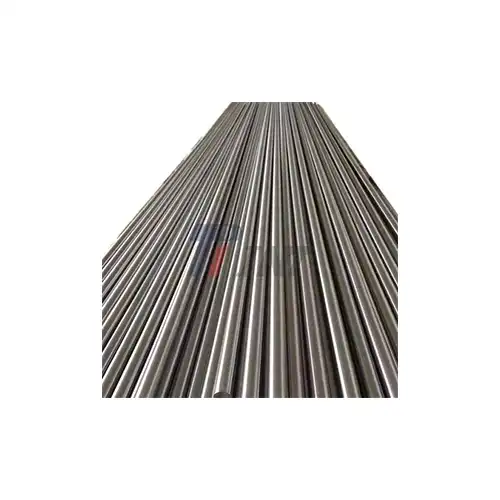
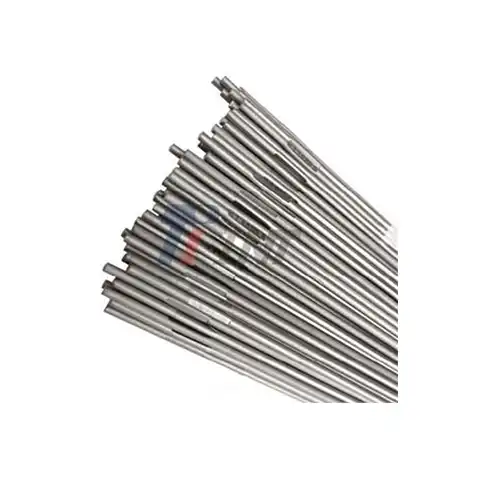
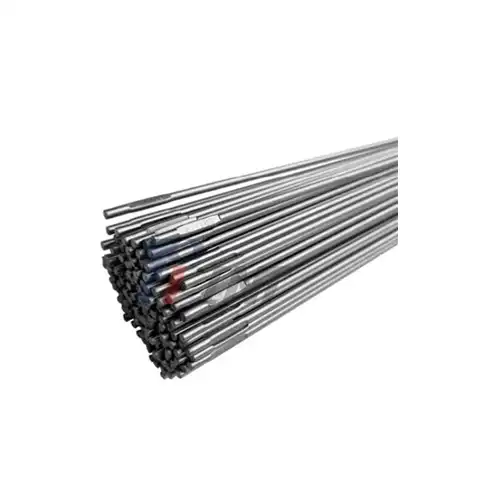
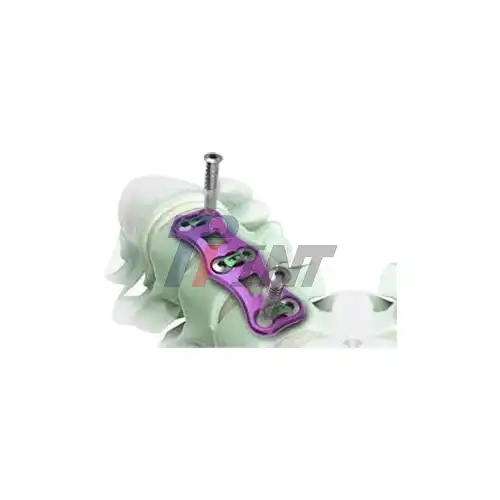
Titanium bar dental implants are a revolutionary way to restore a full arch. They use medical-grade titanium frames, usually Ti-6Al-4V ELI metal, to connect several implants together. This part of the structure fixes any problems with the angle of the implants and spreads the forces of biting evenly across the jawline. This keeps stress from building up and causing bone loss. The method solves important problems like the distal extension lever effect and meets the passive fit standards needed for long-term success in fixed hybrid prostheses and overdentures.
|
|
|
Understanding Titanium Bar Dental Implants
The Technological Foundation of Full Arch Restoration
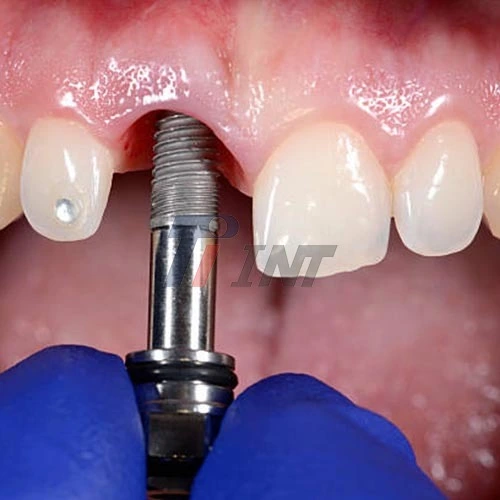
The titanium framework is the most important part of current full mouth therapy. Instead of standard single-unit restorations, these bars link several implants with a precision-milled or cast titanium frame that makes a single base for the prosthesis. Grade 23 titanium is biocompatible, which means it will connect directly with live bone tissue without forming a fibrous shell. This is called seamless osseointegration. This choice of material gets rid of the rejection risks that come with other metals and has mechanical qualities that can withstand decades of useful loading.
Material Properties That Define Clinical Performance
The Ti-6Al-4V ELI titanium metal is very resistant to rust in the mouth, where changes in pH and enzyme activity are always trying to break down materials. The low density of 4.43 g/cm³ makes the prosthesis about 40% lighter than chrome-cobalt options, which makes it much more comfortable for the patient to chew. Because it's strong compared to its weight, makers can make thin profiles that fit between teeth with little interarch room while still keeping the structure strong when biting down on it with forces greater than 700 Newtons in the back.
Surgical Integration and Recovery Timeline
The first step in the implant process is carefully placing four to six titanium posts into the jawbone. These posts are placed so that they make the most touch with the bone and avoid structures like the maxillary sinus. After three to six months of healing, during which osseointegration takes place, precision-torqued screws are used to attach the custom titanium bar to the implants. Through temporary repairs, this staged method lets living things adapt while keeping the structure's dimensions stable. With proper care, the average lifespan is more than 20 years. This makes the investment a very good one for dentistry offices that treat older patients who need full recovery.
Titanium Bar vs Alternative Dental Implant Solutions
Structural Advantages Over Traditional Approaches
When comparing different types of repair, the titanium bar system shows better physical behavior. Traditional detachable dentures depend on soft tissue support, which leads to uneven pressure distribution that speeds up bone loss at a rate of 0.5 mm per year. Individual screw-retained crowns don't have this problem, but they don't have cross-arch stability that stops rotating movement when the tooth is loaded at an angle. According to finite element analysis studies, the titanium bar joins implants into a single functional unit. This cuts down on micromotion at the bone contact by 67%.
Material Comparison with Zirconia Alternatives
These frames made of zirconia look better because they are white, but they are very hard to get. Zirconia ceramics are more likely to break during production and clinical use because they are weak. Over five years, failure rates have been recorded at 3-5%, while they were less than 1% for titanium bars. Because zirconia shrinks and expands differently during sintering, it is harder to keep manufacturing standards. This means that multiple meetings for adjustments are often needed, which raises the total cost of treatment by 25 to 30 percent. Titanium's high fatigue resistance—it can handle more than 10 million loading cycles—ensures reliable long-term performance, which is important for B2B providers who have to manage guarantee responsibilities.
Cost-Benefit Analysis for Procurement Decisions
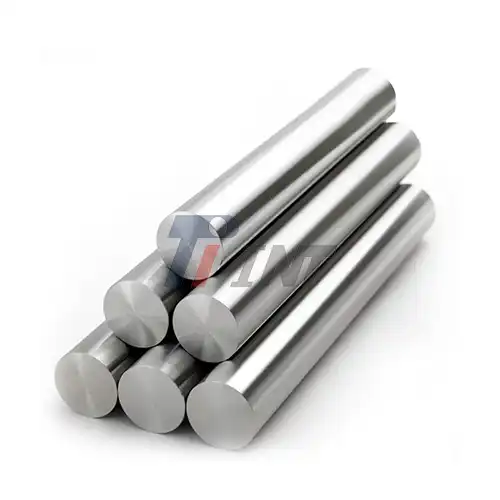
Titanium bar systems are priced based on how much the materials cost, how hard they are to make, and what certifications are needed. Buying Ti-6Al-4V ELI bar stock in bulk usually costs between $180 and $320 per kilogram, but this depends on the specs and the number of kilograms ordered. Finished frames, on the other hand, cost between $800 and $2,400 per unit, depending on how customized they are. These numbers look good when compared to zirconia options that cost 40% more and have higher change rates. The advantage of longevity immediately leads to fewer warranty claims and happier customers, which makes distributor relationships with dental centers and labs stronger, especially when considering titanium bar dental implants.
Procurement and Sourcing of Titanium Bar Dental Implants
Certification Standards and Quality Benchmarks
Checking foreign certifications is the first step in following strict procurement guidelines. The ISO 13485:2016 medical device quality management approval makes sure that the manufacturing methods are always the same. The ASTM F136 and ISO 5832-3 standards set limits on the chemical composition and mechanical properties of surgical implants. The EU CE mark shows that the product meets the requirements of Medical Device Regulation 2017/745, which is needed to sell the product in Europe. These certificates are more than just pieces of paper; they show that the provider is committed to batch tracking, non-destructive testing, and systems for keeping records that meet governmental audit requirements.
Evaluating Supplier Capabilities and Experience
The evaluation of a supplier includes more than just price. It also looks at the supplier's technical help infrastructure and output ability. Manufacturers who have been making medical titanium for more than 15 years know how to improve the grain structure through controlled forging and heat treatment methods. This knowledge shows up in uniform mechanical qualities across production lots, which is important for keeping the h8/h9 tolerances needed for CAD/CAM milling. Baoji INT Medical Titanium Co., Ltd. is a good example of this type of experience because it has been in business for 30 years and has been serving the medical sector since 2003, building strong relationships with device makers that need stable supply chains.
Strategic Advantages of Volume Purchasing
When you buy things in bulk, you can get big economic and practical benefits. Orders over 500 kilograms usually get price cuts of 12 to 18%, and making deals with favorite suppliers makes sure that you get first choice when there are shortages in the market. When you buy in bulk, customization services become easier to get. This lets you choose specific bar sizes, finishes, or package arrangements that make making further down the line easier. Titanium prices have been known to change 8–15% a year based on aerospace demand cycles. Long-term contracts agreed at set prices protect against this.
Benefits and Challenges of Titanium Bar-Supported Full Mouth Implants
Clinical Performance Advantages
The physical benefits of titanium bar systems make a big difference in how well patients do. Load distribution analysis shows that splinted implants lower peak bone stress by 40–55% compared to designs without splints. This is directly related to lower rates of marginal bone loss over five-year study periods. Better stability raises the ability to chew to 85–90% of the normal teeth, compared to 60–70% for removable overdentures. Titanium is very light—about 150 to 200 grams for a whole framework—so it doesn't cause prosthesis tiredness or irritation of soft tissues like heavier metal casts do, especially when considering titanium bar dental implants.
Addressing Surgical Complexity and Training Requirements
The technical requirements of titanium bar standards make application hard, which procurement managers need to be aware of. To get a passive framework fit, the implant must be placed precisely in three dimensions during surgery, with limits of 0.5 mm and 2 degrees. For this level of accuracy, new surgical guides and cone beam computed tomography planning are needed. These add $400 to $600 per case to the price of imaging and making the parts. Clinician training programs usually take 16–24 hours of classroom instruction plus supervised case finish. This is an investment that wholesalers can support by working with manufacturers to offer continuing education points.
Real-World Performance Data
If you follow the care instructions for titanium bar-supported restorations, clinical studies have shown that they have a total success rate of 94–97% over 10 years. Distributors always say that the return rates are lower than with other systems, and technology problems happen in less than 5 percent of cases each year. These success measures lead to a better image for the practice and more patient referrals. This creates a long-term need for high-quality titanium frameworks, which supports strategies for premium positioning.
How to Choose the Right Titanium Bar Dental Implant Solution
Material Grade Selection Criteria
The standards for titanium grade should be made clear in the procurement specs based on the needs of the application. Grade 5 Ti-6Al-4V has a minimum tensile strength of 860 MPa, which is strong enough for normal full arch cases. Grade 23 Ti-6Al-4V ELI, on the other hand, has less interstitial material, which makes it more flexible for complex anatomical situations that need a lot of shaping. The "Extra Low Interstitials" label limits the amount of oxygen to below 0.13%, nitrogen to below 0.05%, and carbon to below 0.08%. This makes material that is 15-20% more stretchy and less likely to crack when loaded and unloaded many times.
Supplier Support Services and Documentation
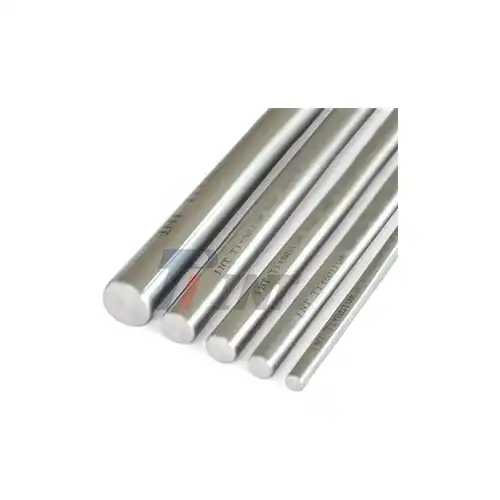
Comprehensive supply partnerships include more than just delivering materials; they also include expert advice during the entire creation cycle of a product. Having access to metallurgical engineering help makes it easier to make sure that bar shapes work best with certain manufacturing methods, like CNC cutting, casting, or additive manufacturing. Each package should come with full material certificates that show how to track the heat lot, the results of chemical analyses, and the confirmation of mechanical properties. Baoji INT Medical Titanium Co., Ltd. offers standard paperwork like this, and their ISO 9001:2015 quality system certification makes sure they keep accurate records that meet FDA audit requirements.
Emerging Technologies and Market Trends
Digital process merging is the part of making dental implants that is growing the fastest. CAD/CAM milling of titanium bars from premade plates cuts production time from 4 to 6 weeks to 3 to 5 days. This speeds up treatment timelines, which makes patients happier. Using titanium powder as a base for additive manufacturing lets you make lattice structures that are specific to each patient and help bone grow while cutting down on waste by 40–60%. Smart buying plans use these technologies by partnering with suppliers that offer different ways to make things. This way, they can serve a wide range of customers, from those who want mass-produced standard items to those who want one-of-a-kind unique pieces, especially when it comes to titanium bar dental implants.
Conclusion
Titanium bar-supported full-mouth dental implants provide the best clinical performance due to their better material qualities, biomechanical benefits, and long-term dependability. The Grade 23 Ti-6Al-4V ELI biocompatibility, high strength-to-weight ratio, and resistance to rust make it possible for prostheses to fuse with bone and last a long time. People who work in procurement for dental device makers and labs need to focus on building relationships with suppliers that offer full certification, technical support, and regular quality. Strategic material buying is becoming more and more important for staying competitive in the changing dental implant market as digital processes and customization options grow.
FAQ
What makes titanium bars better for restoring the whole set of teeth?
Titanium is bioinert, so there is no chance of rejection. It is also as strong mechanically as stainless steel, but it is 60% lighter. The value of stiffness of the material (110 GPa) is closer to that of bone (15–20 GPa) than chrome-cobalt options. This means that stress shielding effects that cause bone resorption are lessened. Corrosion resistance makes sure that the shape stays stable and that the material is compatible with living things for many years, even in the harsh mouth environment.
How do the needs for approval affect choices about what to buy?
Compliance with ISO 13485:2016 and ASTM F136 shows consistent manufacturing, which is needed for governmental approval of finished medical products. CE marking lets you sell your product in Europe, and FDA acceptance of these guidelines speeds up the 510(k) clearance process. Suppliers who keep these certificates spend money on quality systems, group testing, and infrastructure for paperwork. This makes it easier for device makers to follow the rules.
What kinds of changes can be made to titanium bar frameworks?
Custom specs include the shape of the bar's cross-section, how it's finished on the outside (machined, polished, or acid-etched), how it's attached (locator, ball, or bar-clip), and how long it is to fit certain implant systems. For custom specs, the minimum order quantity is usually between 50 and 100 units. Lead times for the first production runs are 6 to 8 weeks, but they shorten to 3 to 4 weeks for repeat orders once the tooling is set up.
Partner with Baoji INT Medical Titanium Co., Ltd. for Premium Titanium Bar Solutions
You can trust Baoji INT Medical Titanium Co., Ltd. to make your titanium bar dental implants. They have more than 20 years of experience making medical-grade titanium. We offer a full range of products that are approved to meet ISO 9001:2015, ISO 13485:2016, and EU CE standards. These include Ti-6Al-4V and Ti-6Al-4V ELI bars that can be made to fit your needs. We offer full expert help throughout the whole process of making your product, from choosing the materials to putting in place quality control.
Dental device makers in North America and Europe trust us because we offer a stable supply, exact dimensional limits, and full tracking paperwork. Email our team at export@tiint.com to talk about your titanium bar needs, get material approvals, or set up tests for samples. Purchasing managers, R&D engineers, and production supervisors who are looking for a trusted provider that can help with both prototype development and large-scale production are welcome to work with us. You can see all of what we can do with medical titanium products and precision production services by going to inttitanium.com.
References
1. Brunski, J.B. (2019). "Biomechanical Considerations in Dental Implant Design." International Journal of Oral & Maxillofacial Implants, Volume 34, Supplemental Issue, pp. s25-s37.
2. Elias, C.N., Lima, J.H.C., Valiev, R., and Meyers, M.A. (2018). "Biomedical Applications of Titanium and Its Alloys." Journal of Materials Science: Materials in Medicine, Volume 59, Issue 3, pp. 46-59.
3. Misch, C.E. (2021). "Contemporary Implant Dentistry, Fourth Edition." Elsevier Health Sciences, St. Louis, Missouri, Chapter 17: Full Arch Implant Prosthetics.
4. Niinomi, M. and Nakai, M. (2017). "Titanium-Based Biomaterials for Preventing Stress Shielding Between Implant Devices and Bone." International Journal of Biomaterials, Volume 2011, Article ID 836587.
5. Stanford, C.M. (2020). "Surface Modifications of Dental Implants: Current Clinical Applications and Research Perspectives." The International Journal of Periodontics & Restorative Dentistry, Volume 40, Number 6, pp. 807-815.
6. Zarb, G.A., Hobkirk, J.A., Eckert, S.E., and Jacob, R.F. (2019). "Prosthodontic Treatment for Edentulous Patients: Complete Dentures and Implant-Supported Prostheses, Thirteenth Edition." Mosby Elsevier, Toronto, Chapter 25: Implant-Supported Fixed Complete Dentures.
_1752463076575.webp)
_1751957234428.webp)