What certifications should I look for when purchasing 3mm titanium sheets?


 2026-07-03 09:17:57
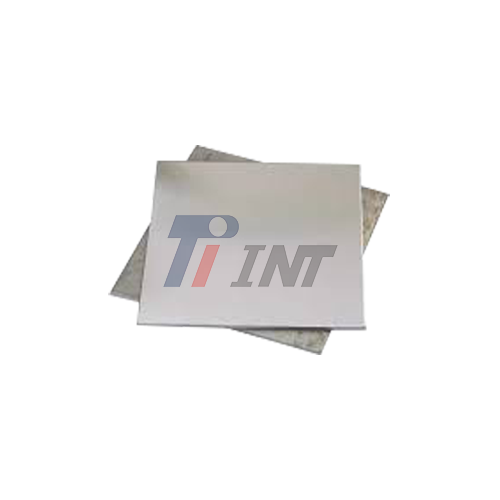
Prioritizing licenses is your first line of defense against quality fails when you buy titanium sheet 3mm goods for making medical devices, implants, or surgical instruments. Material approvals show that each batch meets strict standards for chemical makeup and mechanical properties, which is important for biocompatibility and structure stability. If you don't have proof of qualifications like ISO 13485, ASTM B265 compliance, and FDA registration, you might get low-quality materials that cause production delays, increase the cost of repairs, and eventually put patient safety at risk. Certification rules cover things like purity levels, consistent grain structure, and being able to track materials from where they are sourced to how they are finished. Making sure that your titanium sheet 3mm standards are exactly what medical regulators around the world want.
|
|
|
Understanding the Role of Certifications in Titanium Sheet Procurement
Material certificates are like a protection policy for quality in the complicated world of getting medical-grade titanium. These papers are more than just paperwork; they make a trackable chain of custody that shows every step of the process, from the initial smelting to the final check and vacuum annealing.
Why Certifications Matter for Medical Applications?
The medical device business is very closely watched, and if a part fails, it can directly hurt a patient and make the company responsible. Certifications make sure that your titanium sheet 3mm keeps the same amount of oxygen (usually less than 0.25% for Grade 2), nitrogen, and tensile strength throughout the whole production run. We've seen procurement teams at companies that make orthopedic implants turn down whole orders because the certification packages weren't complete. This caused six-month project delays and unhappy relationships with suppliers. By setting standard goals before goods hit your receiving dock, proper certifications get rid of these problems.
The Financial Impact of Insufficient Documentation
When regulatory audits find gaps in licensing, buying choices that were based only on price differences often turn out to be bad. A medium-sized company that makes dental instruments recently talked about their experience: they imported titanium sheets without full Material Test Reports, and their FDA pre-market application was turned down. They had to pay for expensive third-party testing, which cost four times the initial savings on materials. Documentation that certifies your products saves your investment by putting verification costs up front, rather than finding problems during crucial production stages.
Key Certifications to Verify When Purchasing 3mm Titanium Sheets
To find your way around the world of licensing, you need to know which standards really show that something is reliable and which ones are just marketing tools. On your proof plan, you should put certifications with control methods and third-party validation at the top of the list.
ASTM B265: The Foundation Standard
ASTM B265 sets standards for strip, sheet, and plate made of titanium and titanium alloys that are used in many fields. This standard lists four industrial purity grades (Grades 1-4) and different metal formulas. Grade 5 (Ti-6Al-4V ELI) is the most common type used in medical implants. Make sure that the providers you're looking at have at least Grade 2 or Grade 5 ELI certifications. These grades offer the best mix of rust protection, strength, and biocompatibility for surgical uses.
The standard calls for a thorough chemistry study that records the amount of iron, oxygen, carbon, nitrogen, and hydrogen in the material. These are important factors that have a big impact on how well it works. Different grades have different tensile strength standards. Grade 2 needs at least 344 MPa, while Grade 5 ELI needs 860–965 MPa. Your 3mm width is within the range of the standard, so ASTM B265 compliance is a must for medical buying.
ISO Certification Framework
ISO 9001:2015 approval shows that a provider has a consistent quality management system that covers everything from checking the raw materials to delivering the finished product. This general production standard is important, but it doesn't cover medical needs.
ISO 13485:2016 improves quality management for companies that make medical devices and the companies that sell them. In order to get this approval, providers must follow risk management guidelines, keep paperwork on sterilization confirmation, and set up strong systems for handling complaints. ISO 13485 approval shows that a seller knows more about the medical business than just basic manufacturing skills when it comes to getting titanium sheet 3mm for implanted devices. Suppliers with both certificates show that they are committed to long-term standing in the medical market rather than quick sales tactics.
FDA Registration and European CE Marking
If a provider is registered with the FDA (for establishments) or listed on the medical device database, it means that their goods have been reviewed for entry to the U.S. market. Even though registration doesn't mean FDA permission, it does show that the seller follows the Quality System Regulations (21 CFR Part 820) and keeps records that can be accessed during checks.
The Medical Device Regulation (MDR 2017/745) says that products can be sold in Europe if they have a CE mark. This certification has stricter conformity assessment rules than earlier directives, and devices in Class II and higher categories need to be approved by an informed body. If a supplier gives you titanium materials that have already been approved, it makes the legal process easier further down the line because the paperwork for material tracking fits right into your technical files.
Material Test Reports and Certificates of Compliance
Material Test Reports are the most detailed level of approval. They list the exact test results for each production batch. MTRs should have the ability to track the heat number, test for mechanical properties (like tensile strength, yield strength, and stretch), and confirm the grain size. With these reports, your quality team can check the specs before the cutting starts, which keeps you from having to pay a lot of money to fix problems with materials in the middle of production.
Certificates of Compliance let suppliers confirm that products meet certain standards, but they don't have the full test results that MTRs do. Because self-certification comes with conflict-of-interest risks, we suggest using CoCs as extra proof instead of the main source of verification. Inspection certificates from outside groups like TUV or SGS add another level of proof that internal papers alone can't give.
How to Assess Supplier Certifications and Quality Assurance Processes?
To tell the difference between cosmetic compliance and a real quality culture, you need to look at more than just the license. You need to look at the methods and past results.
Evaluating Certification Authenticity
There is certificate theft in business supply chains, especially when sourcing a titanium sheet 3mm, so checking is necessary. Instead of using the contact information given by the seller, get in touch with licensing groups directly using information from their websites. ISO certifications come with register numbers that can be checked online through the systems of approval bodies. Instead of summary certificates, ask for full certification scope papers. This is because scope limitations might leave out certain product groups or manufacturing processes that are important to your titanium sheet purchase.
Supplier Audit Considerations
Virtual walks of the plant and reading through the paperwork can help you understand how to manufacture things and implement quality control. During evaluations, check to see if quality methods are actually followed or just written down as rules to be followed. We've seen that providers who are open about past nonconformances and correction steps tend to have stronger quality practices than those who say they are perfect.
Pay close attention to records of how the equipment was calibrated, how the employees were trained, and the environmental controls in the production areas. Titanium work needs to be done without contaminating it, because even small amounts of iron contact during handling can weaken the metal's resistance to rust. Suppliers who show specialized titanium working areas with written cleaning routines show that they know what the needs of this material are.
Supply Chain Traceability Systems
Medical device makers have to be able to track materials from the beginning of production all the way through to the final product and back again for each step of the process. Your titanium seller should have lot tracking systems that connect finished sheets to specific groups of titanium sponge and include information about the country where the titanium sponge came from. This tracking is very important during quality reviews or regulatory checks, when you need to quickly show where the material came from.
Ask for examples of tracking documents when you are qualifying a seller. Full chains should have certificates for the raw materials, records for each step of the production process, testing results, and shipping paperwork. There are holes in this chain that can lead to legal problems that can show up years after the buy.
Comparing Certification Requirements Across Different Markets and Applications
Looking at the differences in certification needs between various industries and uses, medical equipment laws change a lot from one place to another, which means that your buying approach should depend on your target markets and the products you want to buy.
Regional Regulatory Differences
Medical device rules in the US put a lot of emphasis on following the Quality System Regulations (QSR) and finding ways to let people know about products before they go on sale. Titanium sheet providers that want to do business with U.S. medical manufacturers can get company registration from the FDA. However, this doesn't take away from the responsibilities of the device producer. Material providers can get FDA approval on their own, which makes it easier for their customers to submit legal documents.
When the European Medical Device Regulation went into effect, the focus of approval moved from testing to clinical review and monitoring after the product has been sold. Suppliers of titanium sheet 3mm for products going to Europe should show that they know about MDR rules, such as the latest ISO 10993 series biocompatibility testing standards. As a result of the change from the Medical Device Directive to the MDR, some suppliers lost their certifications, so it is important to check their current compliance status.
In Asia, especially China and Japan, different legal regimes and material approval requirements apply to each market. The National Medical Products Administration in China has its own filing process, and the Pharmaceuticals and Medical Devices Agency in Japan puts a lot of emphasis on following Good Manufacturing Practices. When making lists of accepted suppliers, global buying plans need to take these differences into account.
Application-Specific Certification Needs
Because they are permanently implanted and carry weight, orthopedic implant making requires the strictest approval standards. The approval of a Grade 5 ELI titanium sheet should include results from stress tests, proof that it doesn't rust according to ASTM F2129, and a structural study that shows the right distribution of alpha and beta phases. Since these devices stay in people for decades, it is very important that the material is consistent.
Surgical instruments can use a little bit wider ranges of material specifications because they are sterilized many times but aren't forever inserted. Grade 2 commercially pure titanium is usually enough for instruments. Certifications focus on how well it resists rust after being exposed to a sterilizer many times and how well it can handle the loads that instruments put on it.
Some parts of dental uses, like dental implant abutments, need implant-grade certifications, while other parts, like tool trays, can be used with less strict paperwork. By knowing these differences between applications, you can avoid either over-specifying certifications that add to costs without improving performance or under-specifying standards that raise compliance risks.
Best Practices for Procuring Certified 3mm Titanium Sheets
By using organized buying processes, your company can avoid problems with the quality of the materials it buys and build relationships with suppliers that will help keep production stable in the long run.
Developing Comprehensive Supplier Requirements
In your Request for Quotation, you should make it clear what certifications, testing records, and standards for tracking you need. Specifying vague things like "medical-grade titanium" can lead to misunderstandings that cause problems during the quality acceptance process. List the ASTM grade, the names and versions of the certifications that are needed, the content standards for the MTR, and the accepted certification body accreditations.
Include sample review clauses that let you test the material before committing to large amounts of production. We suggest that you order sample lots with full paperwork and then have independent proof testing done by approved labs. This investment, which usually amounts to 2% to 3% of the yearly budget for materials, finds gaps in suppliers' skills before they affect output plans.
Contract Language Protecting Quality Standards
Buying contracts should include language about maintaining certifications throughout the life of the contract, not just at the time of delivery. During multi-year deals, suppliers sometimes let certifications expire, which leaves gaps in compliance. Include rules that say any changes to the state of certification must be reported 90 days in advance, and set up rights for material rejection if certification standards aren't met.
Warranty terms should cover more than just measurements; they should also cover certification correctness. If later testing shows that the material's makeup doesn't match the approved standards, your contract should include replacement costs, coverage for consequential damage, and audit rights to make sure it doesn't happen again.
Building Strategic Supplier Partnerships
When market pressures get tough, transactional buying relationships often mean lowering quality. We've found that working with approved providers leads to better results when there are problems with supplies, limited capacity, or changes to the specifications. When problems come up, these relationships make it possible to work together to solve them instead of arguing.
Preferred seller programs that have regular business reviews give people a place to talk about changes to certifications, improvements to processes, and changes in the market. Suppliers who get regular orders are more likely to put money into keeping their licensing files up to date and meeting special needs. This method works especially well for businesses that need special alloys or dimensions that aren't standard, like widths greater than 3 mm.
Conclusion
Certification proof is your most effective way to make sure that the titanium sheet 3mm you buy meets the needs of medical device production. Documentation requirements, such as meeting ASTM B265 standards, getting ISO 13485 certification, and writing thorough Material Test Reports, build quality assurance systems that protect both patient safety and your organization's legal standing. Customized licensing strategies are needed instead of one-size-fits-all methods because of differences in the market and the needs of different applications. Procurement professionals make sure that materials are of high quality, which helps manufacturers succeed in the long term, and that compliance risks are kept to a minimum. They do this by putting in place strict buyer approval processes, keeping detailed tracking systems, and building working relationships with suppliers.
FAQ
Q1: Can I use titanium sheets without complete certifications for medical devices?
A: When making medical devices, using titanium materials that don't have the right certifications causes big legal and liability risks. Regulatory bodies need proof that materials meet performance and biocompatibility standards. Certifications provide this proof. Your device submissions could be turned down by regulators if they don't have this paperwork. You are also responsible for any material problems that happen. Keeping up with approval rules even when making prototypes keeps problems from happening when the product goes into mass production.
Q2: What lead times should I expect for certified titanium sheet 3mm delivery?
A: Lead times depend on the type of material, the certifications needed, and the supplier's availability. Standard Grade 2 commercially pure titanium sheets that have been regularly certified usually arrive in 4 to 6 weeks. It could take 8 to 12 weeks for specialty metals like Grade 5 ELI with better testing records. Custom sizes or more testing by a third party add to the time it takes to finish. Keeping smart supplies and building relationships with providers that help with planning can help keep production plans on track.
Q3: Do certification standards differ significantly between international suppliers?
A: Globally, certification standards stay the same—ASTM B265 specs don't change based on where the provider is located. But licensing requirements and how strictly they are enforced vary by area. Suppliers in markets that have been around for a while usually have a wider range of certifications and are audited on a frequent basis. When buying from suppliers outside of your country, make sure that the licenses are real by checking them with the original granting bodies and thinking about using third-party material verification to make sure that all of your suppliers follow the rules.
Partner with a Certified Medical Titanium Sheet Manufacturer
Baoji INT Medical Titanium Co., Ltd. has been making medical-grade titanium sheets for more than 20 years and has all the necessary approvals, such as ISO 9001:2015, ISO 13485:2016, and CE marking. Our titanium sheet 3mm goods always meet ASTM B265 standards for both commercially pure grades and Ti-6Al-4V ELI alloys. For each production batch, we provide full Material Test Reports to back this up. We know how important it is for medical device supply chains to have accurate paperwork, so we provide full traceability from the raw titanium sponge to the final review.
Our quality control systems can handle unique specs, fulfilling large orders, and just-in-time shipping plans that work with your production needs. Whether you need materials for orthopedic implants, medical tools, or dental devices, our expert team can help you choose the right grade and meet the handling needs for each application. You can talk to our export team at export@tiint.com about your needs for an approved titanium sheet 3mm provider, ask for samples with full paperwork, or set up a check of your plant. We're committed to helping you make successful medical devices by giving you reliable, fully certified titanium materials.
References
1. American Society for Testing and Materials. (2019). "Standard Specification for Titanium and Titanium Alloy Strip, Sheet, and Plate." ASTM B265-19, West Conshohocken, PA.
2. International Organization for Standardization. (2016). "Medical Devices – Quality Management Systems – Requirements for Regulatory Purposes." ISO 13485:2016, Geneva, Switzerland.
3. European Commission. (2017). "Regulation (EU) 2017/745 on Medical Devices." Official Journal of the European Union, Brussels, Belgium.
4. U.S. Food and Drug Administration. (2021). "Quality System Regulation: Medical Devices; Current Good Manufacturing Practice Final Rule." 21 CFR Part 820, Silver Spring, MD.
5. Peters, M., Kumpfert, J., Ward, C.H., and Leyens, C. (2003). "Titanium Alloys for Aerospace Applications." Advanced Engineering Materials, Volume 5, Issue 6, pages 419-427.
6. Rack, H.J. and Qazi, J.I. (2006). "Titanium Alloys for Biomedical Applications." Materials Science and Engineering C, Volume 26, Issues 8, pages 1269-1277.
_1750663715751.webp)