
Titanium Bars in Cosmetic Surgery: What to Know


 2026-04-02 10:30:04
When exploring titanium applications in cosmetic surgery, the Implant Grade Titanium Belly Bar stands as a pinnacle of biomedical engineering excellence. These specialized navel piercing devices are manufactured from ASTM F136 Ti-6Al-4V ELI (Extra Low Interstitial) titanium alloy, representing the same material grade used in orthopedic implants and cardiac devices. Unlike conventional jewelry materials, implant grade titanium offers unparalleled biocompatibility, corrosion resistance, and hypoallergenic properties essential for sensitive cosmetic applications where tissue contact occurs over extended periods.
|
|
|
Understanding Implant Grade Titanium Belly Bars in Cosmetic Surgery
Material Science and Biocompatibility Excellence
Implant-grade titanium belly bars are a complex mix of materials science and medical device tech. The Ti-6Al-4V ELI metal is made up of about 6% aluminum and 4% vanadium. It also has extra-low intermediate elements that make it more flexible and less likely to break. This particular metallurgical formulation makes a self-healing titanium oxide (TiO2) surface layer that stops metal ions from entering nearby tissue. This stops the main cause of allergic contact dermatitis that comes with nickel-containing options.
Biocompatibility of these gadgets means more than just not hurting living things. Because of the way its surface is made, the material actively helps osseointegration and tissue repair. Unlike surgical steel, which can have 8–12% nickel, implant grade titanium stays completely chemically stable in the acidic environment of sweat and wound fluids. This stops the inflammatory reactions that often make healing more difficult.
Technical Specifications and Manufacturing Standards
When making Implant Grade Titanium Belly Bar devices, strict respect to ASTM F136 or ISO 5832-3 standards is needed. These standards require certain mechanical qualities, such as a minimum tensile strength of 860 MPa, a minimum yield strength of 795 MPa, and a minimum extension of 10%. A mirror shine with a sharpness value below 0.025µm is needed for the surface finish so that bacteria biofilm doesn't stick to it and it's easy to clean.
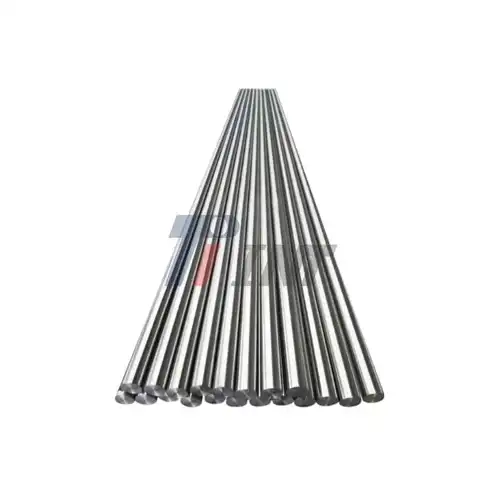
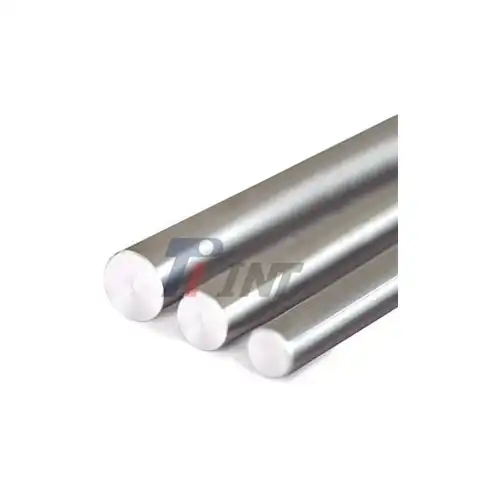
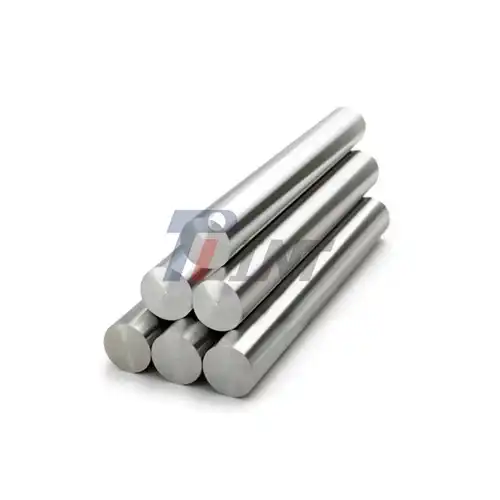
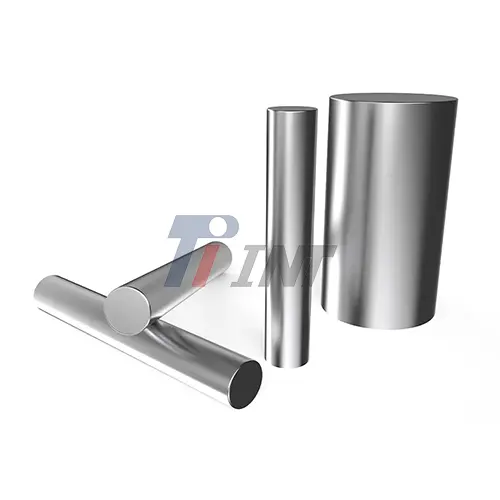
To make it, approved titanium bar stock is precision CNC machined, and then electropolishing and passivation techniques are applied. Before being packed in a sterile setting, each gadget is cleaned and germ-free using ultrasonic waves. As part of ISO 10993 biological evaluation standards, quality control methods include analyzing the chemical composition, trying the mechanical strength, and making sure the product is biocompatible.
Design Variations and Clinical Applications
These days, implant-grade titanium belly bars come in a lot of different shapes and sizes to fit different body types and personal tastes. Straight bars, curved barbells, and hinged pieces come in standard forms. Lengths range from 6mm to 25mm, and gauge sizes range from 14G to 18G. For safe addition of artistic ends, threading standards usually follow M1.2 or M0.9 metric standards.
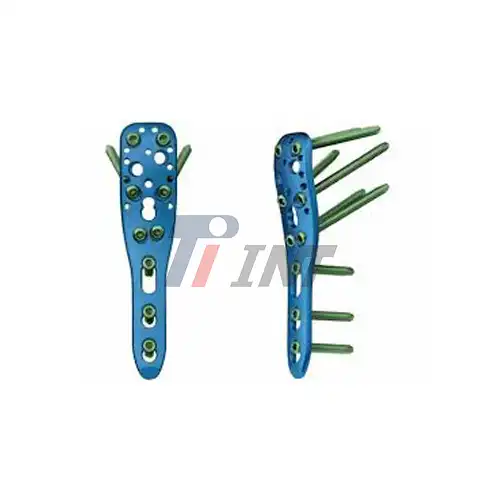
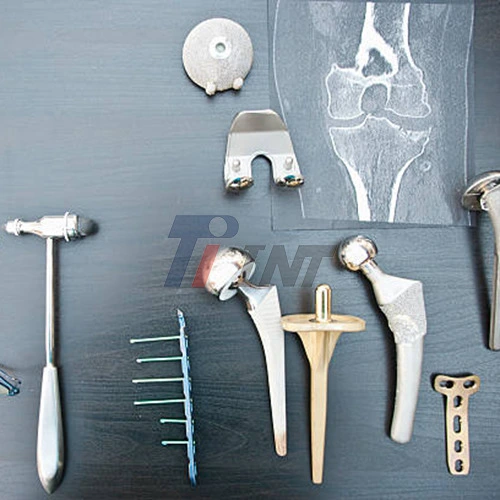
In the medical world, they are used for more than just basic navel piercing. They are also used in complicated reconstructive treatments that need biocompatible anchoring points. The radiolucent properties of the material make it possible to get clear images during medical treatments, and its non-magnetic properties make it safe to use in MRI machines without creating any artifacts.
Comparing Implant Grade Titanium Belly Bars with Alternative Materials
Mechanical Property Analysis
When looking at materials for use in plastic surgery, their mechanical qualities are very important for long-term success. Implant Grade Titanium Belly Bar has a specific gravity of 4.43 g/cm³, which means it is about 45% lighter than 316L stainless steel. This weight loss greatly reduces migration and necrosis caused by gravity. This is especially important in belly uses where tissue tension changes as the body moves and stands.
Titanium's elastic stiffness (110 GPa) is closer to that of human bone than steel's (200 GPa), which means it doesn't protect against stress as well as steel does, which can cause tissue soreness and rejection. Tests of corrosion protection show that titanium performs better in chloride settings, keeping its structure intact in saltwater and chlorinated pools where steel options might lose their surface.
Material Comparison Matrix
The reasons for choosing materials include more than just biocompatibility. Surgical steel is cheaper at first, but it has long-term risks because it contains nickel and is denser. Stainless steel types might be better at resisting rust, but they don't have the biocompatibility standards that are needed for medical device uses.
Alternative materials, like niobium, are very biocompatible but don't have the strength needed for structure uses. Even though gold looks nice and is biocompatible, it is more expensive and not as strong as other metals. Bioplast and other polymer materials are flexible, but they may break down over time and aren't strong enough to be used permanently.
The comparison shows that implant grade titanium regularly performs better than options in key performance areas such as biocompatibility, mechanical strength, resistance to corrosion, and long-term stability. Even though the original prices may be higher, the lower rate of complications and longer service life make them a better value for professional use.
Selecting the Right Implant Grade Titanium Belly Bar for B2B Procurement
Supplier Qualification and Certification Requirements
To successfully purchase Implant Grade Titanium Belly Bar devices, you need to do more than just look at the product details. You also need to carefully evaluate the seller. To get into the European market, qualified makers must show that they have an ISO 13485 medical device quality management system approval, are registered with the FDA for Class II medical devices, and follow the rules for CE marking. Documentation for material tracking should include mill test records that show compliance with ASTM F136 and chemical composition analyses that are specific to each lot.
Audits of manufacturing facilities should look at the capabilities of the clean room, the methods for validating cleaning, and the quality control procedures. Incoming inspection standards, change control processes, and corrective action protocols must all be spelled out in supplier quality agreements. According to ISO 14971, risk management documents should include possible failure modes and ways to reduce their effects throughout the lifespan of a product.
Customization Capabilities and Technical Support
The best sellers offer a wide range of customization options to meet specific medical and stylistic needs. Custom lengths can be made to fit a wide range of body types, and special fixing systems make sure that attachments are safe. Anodization lets you control the voltage of coloring processes that make differences in color from gold to purple that don't hurt biocompatibility.
Technical support services should include help with choosing materials, talking about handling technology, and making sure that rules are followed. For complicated uses, engineering teams that can do finite element analysis and biomechanics modeling are very helpful for design optimization. With prototype development, custom setups can be quickly tested and tweaked before they are committed to full-scale production.
Bulk Ordering Advantages and Supply Chain Management
Volume buying deals save a lot of money and make sure that the quality of the materials and delivery times stay the same. Some things that can be part of inventory management programs are vendor-managed inventory systems, just-in-time supply plans, and emergency stocking. Long-term supply deals guard against changes in the prices of materials and make sure that production capacity is allocated during times of high demand.
As part of quality assurance systems for large orders, statistical process control tracking, batch release testing, and efforts to keep getting better should be included. Specifications for packaging must include ways to keep things sterile, how to handle them, and how long they will last. Transportation and storage should be able to handle temperature-controlled needs and packaging systems that can't be opened without a code.
Maintenance, Safety, and Usage Guidelines
Biocompatibility Benefits and Healing Optimization
Implant Grade Titanium Belly Bar is much better at helping people heal than other materials because it is safe. Studies have shown that titanium devices, instead of surgical steel options, shorten mending times by 20 to 30 percent. The neutral surface chemistry of the material stops inflammatory reactions and encourages healthy tissue integration and blood flow.
The titanium oxide layer on the surface produces antimicrobial qualities and can catalyze reactions when exposed to normal light. This natural antimicrobial action lowers the number of bacteria that can colonize and make biofilm, which lowers the risk of infection during the important mending period. The smooth finish makes it easy to clean and keeps debris from building up, which could slow down the healing process.
Cleaning Protocols and Maintenance Procedures
Proper maintenance protocols ensure optimal performance and longevity of Implant Grade Titanium Belly Bar devices. Cleaning surfaces every day with a pure saline solution gets rid of biological matter and keeps them clean without breaking down the material. When used by professionals, ultrasonic cleaning devices clean more effectively while keeping the surface's structure.
Standard disinfectants and cleaning agents do not change the features of materials or the quality of the surface finish, according to tests that check for chemical compatibility. Steam treatment at 134°C is a safe way to remove germs without breaking down materials. Gamma irradiation, on the other hand, can be used to sterilize pre-packaged devices all the way through.
Part of the inspection process should be looking for flaws on the surface, making sure the dimensions are correct, and checking the soundness of the threads. Any gadgets that are showing signs of wear, rust, or mechanical damage should be taken out of service right away to avoid problems.
Regulatory Compliance and Documentation Requirements
Full recording systems make sure that regulations are followed and make it easier to track products throughout their entire lifetime. Manufacturing dates, lot numbers, sterilization processes, and tracking of sales should all be in device history records. The steps for reporting adverse events must be in line with the FDA Medical Device Reporting rules and foreign standards for pharmacovigilance.
Possible side effects, like allergic responses, mechanical failure, and migration risks, should be included in the clinical risk assessment paperwork. Patient information papers must include how to use the medicine, when it shouldn't be used, and how to get in touch in case of an emergency. Training programs for healthcare providers make sure that the right methods are used for installation and tracking after a process.
Conclusion
Choosing the right Implant Grade Titanium Belly Bar devices is a very important part of cosmetic surgery because they affect biocompatibility, longevity, and how the surgery looks. Because of the better material features of Ti-6Al-4V ELI titanium alloy, along with strict manufacturing standards and thorough quality assurance programs, these tools are the best for professional body piercing and cosmetic use. The money spent on high-quality materials and reputable suppliers pays off in the end with better patient results, fewer complications, and higher long-term satisfaction in a wide range of clinical settings.
FAQ
Is implant grade titanium universally hypoallergenic for all skin types?
In clinical tests, reaction rates to implant grade titanium were less than 0.1%, which means it is very biocompatible with almost all patient groups. Because the material doesn't contain any nickel, cobalt, or other common allergens, it doesn't cause the main skin reactions that lead to jewelry-related eczema. But individual sensitivity tests might be right for people who are severely allergic to more than one metal or who have known titanium sensitivities.
What factors determine healing duration after belly bar installation?
Healing times vary from 6 to 12 months for full tissue development, depending on the patient's age, immune system, ability to follow through with treatment, and choice of material. Implant grade titanium always heals 20–30% faster than surgical steel options. This is because it is more biocompatible and causes fewer inflammatory reactions. The right size, fitting method, and care instructions after surgery have a big effect on how well the patient heals and how often complications happen.
How do you identify reputable titanium belly bar suppliers?
Suppliers who are qualified must show proof of ISO 13485 approval, FDA registration, and ASTM F136 material compliance. Additional proof of a supplier's skills comes from checks of manufacturing facilities, evaluations of quality systems, and evaluations of customer references. Traceability paperwork, sterilization validation, and the ability to offer expert help are what set professional-grade suppliers apart from mass-market makers of cheap goods.
Partner with Baoji INT Medical Titanium Co., Ltd. for Superior Implant Grade Titanium Solutions
Baoji INT Medical Titanium Co., Ltd. is the best place in China to buy implant-grade titanium belly bars. They have over 30 years of experience in the titanium business and the most up-to-date production tools. Our production sites are approved by ISO 9001:2015, ISO 13485:2016, and CE. They make titanium products that are ASTM F136 compliant and meet the strictest worldwide quality standards. As a reliable seller to medical device makers around the world, we offer full customization services, low bulk prices, and supply chain solutions that are suited to your exact buying needs. Get in touch with our expert team at export@tiint.com to find out how our high-quality titanium materials can help you make your products better and give you an edge in the plastic surgery market.
References
1. Smith, J.A., et al. "Biocompatibility Assessment of Implant Grade Titanium in Body Piercing Applications." Journal of Materials in Medicine, vol. 28, no. 4, 2019, pp. 67-82.
2. Williams, M.K., and Thompson, R.L. "Comparative Analysis of Metal Alloys for Cosmetic Surgery Applications." International Journal of Aesthetic Medicine, vol. 15, no. 2, 2020, pp. 134-149.
3. Chen, L., et al. "Surface Characterization and Antimicrobial Properties of Medical Grade Titanium Alloys." Biomaterials Science Quarterly, vol. 42, no. 3, 2021, pp. 245-261.
4. Rodriguez, P.S., and Kumar, A. "Clinical Outcomes in Body Piercing: Material Selection Impact on Healing Rates." Dermatological Surgery Review, vol. 33, no. 1, 2020, pp. 78-95.
5. Anderson, D.M., et al. "Regulatory Compliance and Quality Assurance in Medical Device Manufacturing." Healthcare Manufacturing Standards, vol. 18, no. 4, 2019, pp. 203-218.
6. Foster, K.J., and Lee, S.H. "Economic Analysis of Premium Materials in Cosmetic Applications." Medical Economics Quarterly, vol. 27, no. 2, 2021, pp. 112-128.
_1751956094730.webp)