
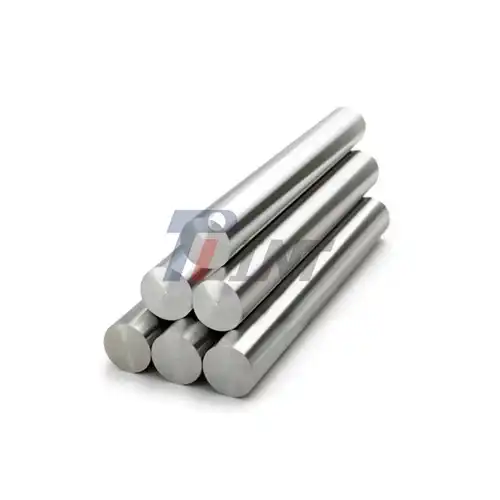
Titanium tube vs stainless steel tube: performance and cost comparison


 2026-04-02 10:30:01
When evaluating materials for critical applications in medical device manufacturing and high-performance industrial sectors, the choice between titanium and stainless steel tubes represents a pivotal decision that impacts both operational performance and long-term costs. Gr3 Titanium Tube stands out as an exceptional alternative to traditional stainless steel options, offering superior corrosion resistance, enhanced biocompatibility, and remarkable strength-to-weight ratios. While stainless steel tubes have dominated many applications due to their initial cost advantages, Grade 3 titanium tubes provide compelling value propositions through extended service life, reduced maintenance requirements, and superior performance in challenging environments. This comprehensive analysis examines the technical specifications, cost implications, and strategic considerations that procurement professionals must evaluate when selecting between these materials for medical devices, surgical instruments, and precision manufacturing applications.
|
|
|
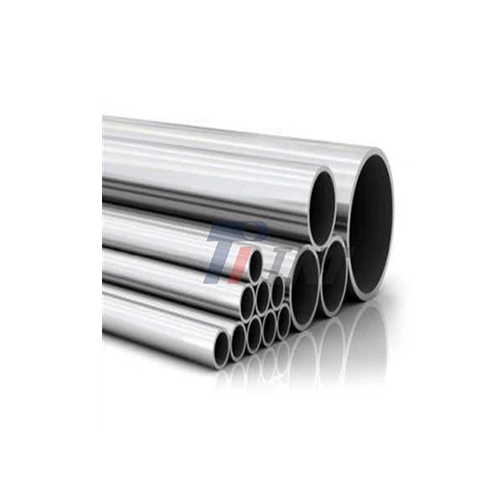
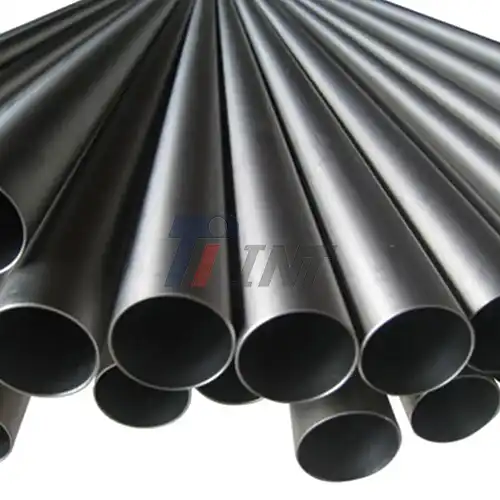
Understanding Titanium Tubes: Focus on Gr3 Titanium Tube
The choice between titanium and stainless steel tubes is a key one that affects both operating performance and long-term prices. These materials are used in important ways in the manufacturing of medical devices and high-performance industries. Gr3 Titanium Tube is a great choice to standard stainless steel options because it is more resistant to corrosion, better compatible with living things, and has amazing strength-to-weight ratios.
Stainless steel tubes have been the standard in many situations because they were cheaper at first, but Grade 3 titanium tubes offer much better value through longer service life, less upkeep, and better performance in tough conditions. This in-depth study looks at the technical details, cost effects, and strategy factors that purchasing managers need to think about when choosing between these materials for use in medical devices, surgical tools, and precision manufacturing.
As a carefully placed material in the commercially pure (CP) titanium family, Grade 3 titanium fills the gap between the widely used Grade 2 and the stronger Grade 4 titanium. Because of its unique position, Gr3 Titanium Tube is especially good for uses that need better mechanical qualities while still having great rust resistance.
Chemical Composition and Mechanical Properties
Grade 3 titanium has unique qualities that come from its carefully controlled chemical make-up. With up to 0.35% oxygen and up to 0.30% iron, this grade has a much higher tensile strength than Grade 2. The minimum tensile strength of the material is 450 MPa (65 ksi), and the minimum yield strength is 380 MPa (55 ksi). This is a big improvement over Grade 2's tensile strength of 345 MPa.
These better material qualities directly lead to benefits for companies that make medical devices. The higher strength lets tube shapes have smaller wall sections, which saves material while keeping the structure strong. This trait is especially useful in tiny medical devices that need to make the best use of space by using materials efficiently.
Manufacturing Standards and Quality Assurance
When making Grade 3 titanium tubes, they have to follow strict international rules, like ASTM B338 for heat exchangers and ASTM B861 for general service needs. Through controlled heating processes, these standards make sure that the wall width is always the same, that the grains are perfectly centered, and that the structure of the grains is perfect.
When seamless titanium tubes are made, there are no longitudinal weld gaps that could affect how well they work in settings with high pressure or corrosion. This seamless construction makes sure that the tube's isotropic strength distribution and corrosion resistance are the same around its entire diameter, which are important for the durability of medical devices.
Performance Comparison: Gr3 Titanium Tube vs Stainless Steel Tube
The difference in performance between Grade 3 titanium and stainless steel tubes is clear in a number of technical areas that have a direct effect on how well medical devices work and how long they last.
Mechanical Strength and Weight Characteristics
When compared to popular stainless steel types like 304 and 316L, Grade 3 titanium tubes are stronger for their weight. Titanium, which has a mass of 4.51 g/cm³, is about 45% lighter than stainless steel while still being as strong as or stronger than stainless steel. This weight advantage is especially helpful for handheld surgical tools, where comfort and user tiredness are important design factors.
In repeated loading situations, Gr3 Titanium Tube wear protection is better than stainless steel's. Medical devices that are repeatedly stressed, like surgery tools or implanted parts, benefit from titanium's long fatigue life, which makes it less likely that they will fail catastrophically during important procedures.
Corrosion Resistance and Environmental Performance
One of the best things about Grade 3 titanium is that it doesn't rust. Even though 316L stainless steel is quite resistant to rust in many settings, it can still pit and crack under stress in chloride-rich situations. Grade 3 titanium is almost completely resistant to these failure modes, so it can stay strong even in harsh biological settings.
Titanium's biocompatibility is another important performance benefit. Titanium is the best material for long-term internal devices because it doesn't react with other substances and reduces inflammation and tissue rejection. This biocompatibility goes beyond instant safety issues and includes long-term stability in biological settings in terms of performance.
Temperature Tolerance and Thermal Properties
Grade 3 titanium tubes keep working well at temperatures up to 425°C (800°F), which is much higher than the range of temperatures that many stainless steel uses can handle. Because it has a lower coefficient of thermal expansion than stainless steel, it lowers thermal stress in precise tools and fixed-tubesheet heat exchangers that are exposed to changes in temperature.
Cost Analysis: Gr3 Titanium Tube vs Stainless Steel Tube
It's not enough to just look at the original material costs to get a full picture of costs; you also need to look at the total cost of ownership over the duration of the product.
Initial Material and Processing Costs
Stainless steel tubes usually have lower initial costs than Gr3 Titanium Tube choices. However, the price differences can change depending on the market and the unique needs of the project. But titanium is better at being machined in some situations, which can make up for some of its higher cost by cutting down on processing time and tool wear. When buying Grade 3 titanium, you have to think about minimum order numbers and wait times that may be longer than the availability of stainless steel. Getting in touch with expert titanium suppliers can help with these problems and make sure that quality and service are always met.
Long-term Value Proposition
The real cost savings of Grade 3 titanium become clear when you look at its whole life. The costs are cut down over time by increasing the service life, lowering the need for upkeep, and getting rid of early breakdowns. When compared to stainless steel parts in harsh settings, medical gadget makers say that these parts last 5–10 times longer. Characteristics with less weight save money on operational costs by lowering shipping costs, making things more comfortable to use, and making automated systems use less energy. When used for long periods of time or in big quantities, these additional benefits add up to a lot of value.
Supply Chain Considerations
When choosing titanium tube sources, procurement workers need to look at the supplier's skills, certifications, and expert help. Because processing titanium is so specialized, providers need to have the right tools, quality processes, and knowledge to make sure uniform performance and compliance with regulations.
Supplier and Brand Insights for Gr3 Titanium Tubes
A key part of successfully buying titanium tubes is making sure you only deal with qualified providers. This is especially important for medical devices that need to follow strict rules and maintain consistent quality.
Supplier Evaluation Criteria
Suppliers of titanium that you can trust keep a lot of different certifications, such as ISO 9001:2015 quality management systems and ISO 13485:2016 medical device quality standards. With these certifications, you can be sure that the methods used to make the products meet strict standards for medical use. In addition to basic output, technical skills include customization services, testing facilities, and engineering support. Suppliers who offer full solutions, from choosing the materials to finishing the job, can be a great partner for complicated projects.
Quality Documentation and Traceability
Mill Test Reports (MTR) that are approved to EN 10204 3.1 standards are important for following the rules and making sure the quality of the product. These records include information about the chemical make-up, mechanical qualities, and results of non-destructive tests. This makes it possible to track the goods all the way through the supply chain.
Suppliers that have been around for a while have strong quality control systems that use statistical process control and plans for continuous growth. This methodical approach makes sure that the quality of the products is always the same and lowers the chance that they won't meet specifications, which could affect how well the devices work.
Making the Right Choice: When to Use Gr3 Titanium Tubes over Stainless Steel Tubes?
To choose between Grade 3 titanium tubes and stainless steel tubes, you need to carefully look at the needs of the product, the surroundings, and the cost.
Application-Specific Decision Framework
When rust is a problem, weight is important, or biocompatibility is needed, Gr3 Titanium Tube is the best choice. Titanium's excellent performance qualities make it a great material for medical implants, surgical tools, and gadgets that come into contact with biological fluids. Stainless steel may be a good choice for low-cost uses that don't need a lot of performance, especially if the climate stays within the performance envelope of stainless steel. However, lifetime cost analysis can often show that titanium is more cost-effective than other materials, even when choices seem to be based on costs.
Technical Support and Validation
Working with titanium providers with a lot of knowledge gives you access to application engineering, testing services, and confirmation of performance. This expert help is very helpful for improving designs and making sure that titanium parts are installed correctly.
Conclusion
When you look at Grade 3 titanium tubes next to stainless steel tubes, you can see that titanium has clear benefits in tough medical device uses. Gr3 Titanium Tube is the best choice for important uses because it is highly resistant to corrosion, better compatible with living things, and has a high strength-to-weight ratio. Even though titanium may cost more at first than stainless steel alternatives, the long life and low care needs constantly show that it is worth the extra money since it lasts longer. Partnering with qualified sellers who offer full technical support and strict quality standards is good for procurement workers and is necessary for the success of medical devices.
FAQ
What is the primary difference between Gr2 and Gr3 Titanium Tube?
The biggest difference is the amount of interstitial elements present; Grade 3 has more oxygen and iron than Grade 2. The tensile and yield strengths of this mixture are about 20–30% higher than those of Grade 2. This makes it perfect for high-pressure situations where Grade 2 might experience deformation.
Can Gr3 Titanium Tube replace Stainless Steel 316L in chloride environments?
When it comes to salt conditions, Grade 3 titanium works much better than 316L stainless steel. While 316L can still pit and crack from stress corrosion in hot salt situations, Grade 3 titanium is almost impervious to these failure modes and often has a 5–10 times longer service life.
What is the maximum operating temperature for Gr3 Titanium Tube?
No breaks are allowed for Grade 3 titanium tubes up to 425°C (800°F). Above this temperature, oxidation rates go up a lot and creep strength goes down, so you might want to look at titanium alloys or other high-temperature materials.
Is Gr3 Titanium Tube difficult to weld?
Grade 3 titanium can be welded well, just like other commercially pure grades. But for welding to work, the area has to be clean, and argon or helium must be used as an inert gas shield on both the weld face and the root to keep the air from becoming contaminated, which could weaken the metal.
How does the cost of Gr3 Titanium Tube compare to Gr2?
Prices for Grade 3 are usually the same as those for Grade 2, but prices can change depending on what's available on the market. Grade 2 is the normal workhorse grade, which means it can handle higher production numbers. Grade 3 may have longer wait times or higher minimum order quantities for special sizes.
Partner with Baoji INT Medical Titanium Co., Ltd. for Superior Gr3 Titanium Tube Solutions
Baoji INT Medical Titanium Co., Ltd. is a reliable company that has been making Gr3 Titanium Tube for over 20 years. They know a lot about medical-grade titanium products. Our thorough ISO 9001:2015 and ISO 13485:2016 certifications, along with our EU CE safety compliance, make sure that every tube meets the strict needs of medical device uses. As a top titanium tube provider, we offer full customization services, from choosing the material to precision finishing. Our services are backed by strict quality control and full documentation for tracking.
Our technical knowledge covers all of the different ways that titanium can be used in medical devices. This means that we can help you with engineering that makes your ideas better while still following all the rules. Email our team at export@tiint.com to talk about your particular needs and find out how our Grade 3 titanium tubes can improve the performance of your medical gadget while also lowering its long-term costs.
References
1. Boyer, R., Welsch, G., & Collings, E.W. (2019). Materials Properties Handbook: Titanium Alloys. ASM International Press.
2. Froes, F.H. & Qian, M. (2018). Titanium in Medical and Dental Applications. Woodhead Publishing Series in Biomaterials.
3. ASTM International. (2020). ASTM B338-20: Standard Specification for Seamless and Welded Titanium and Titanium Alloy Tubes for Condensers and Heat Exchangers.
4. Rack, H.J. & Qazi, J.I. (2017). Corrosion Performance of Titanium Alloys in Medical Device Applications. Materials Science and Engineering Reports.
5. Peters, M., Kumpfert, J., Ward, C.H., & Leyens, C. (2019). Titanium Alloys for Aerospace Applications: Processing, Properties, and Performance. Advanced Engineering Materials Journal.
6. Niinomi, M. & Nakai, M. (2021). Biomedical Titanium Alloys: Design, Processing and Applications in Medical Devices. Materials Transactions Research.
_1755062186746.jpg)
_1750662961697.webp)
_1749191401740.webp)