
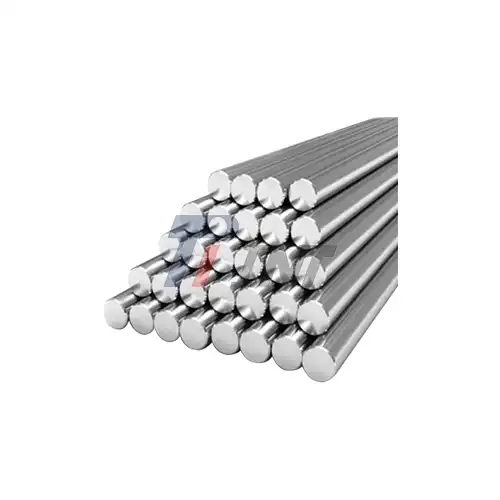
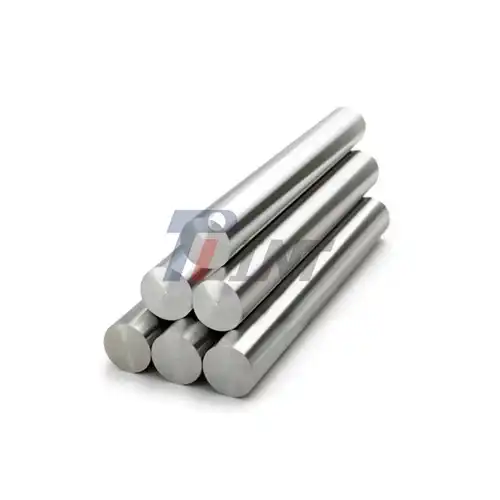
Why Choose A 2mm Titanium Sheet for Your Next Project?


 2026-07-16 08:38:34
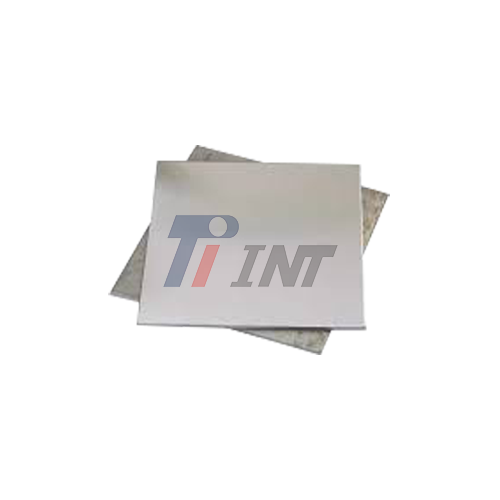
The choice of material has a direct effect on the performance of your medical devices, surgical tools, or precise implants, as well as on patient safety and your bottom line. With medical-grade purity, exceptional corrosion resistance, and biocompatibility that meets ISO 13485, ASTM F67, and FDA standards, a titanium sheet 2mm thick strikes a remarkable balance between structural integrity and usability. This thickness is just the right amount of stiffness for load-bearing uses while still being thin enough to make cutting and shaping easy. Instead of thicker gauges that add extra weight or thinner foils that are easy to damage during handling, the 2mm standard is ideal for makers who want to prioritize both mechanical stability and cost-effective manufacturing.
|
|
|
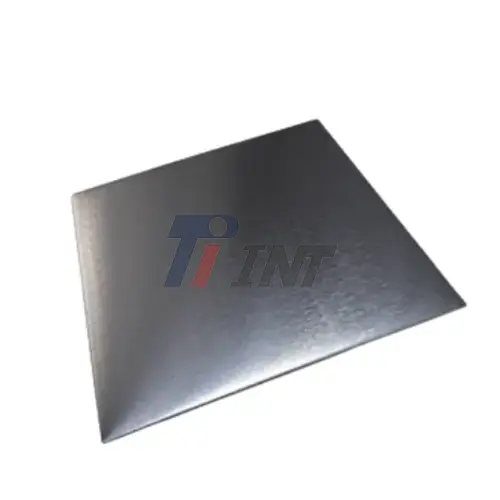
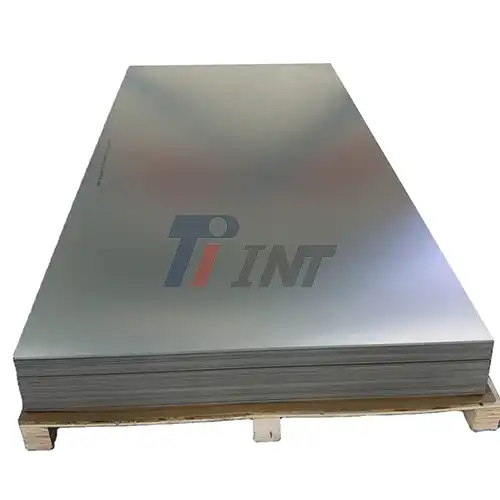
Understanding the Key Properties of 2mm Titanium Sheets
Defining Standard Specifications and Common Grades
Medical titanium sheets 2mm thick usually meet ASTM F67 (unalloyed titanium) or ASTM F136 (Ti-6Al-4V ELI alloy) standards. Grade 2 titanium, which is thought to be commercially pure, is made up of 99.2% titanium and is very easy to shape but not very strong. This grade is good for uses where resistance to corrosion is more important than extreme strength, like dental tool housings or catheter parts.
The alpha-beta metal Grade 5 (Ti-6Al-4V), which has 6% aluminum and 4% vanadium, has a much higher tensile strength (895 MPa vs. 345 MPa for Grade 2) while still having good weight properties. When load-bearing ability is very important, medical device makers often choose Grade 5 for orthopedic implants, surgery drill bits, and trauma fixation plates.
Titanium manufacturing standards put the 2mm thickness in the "medium sheet" group. This size lets makers get close specs when CNC machining, laser cutting, and water jet processing, without the problems that come up with thinner materials warping. Material certificates generally list the size of the grains, the amount of oxygen (usually less than 0.25% for medical grades), and the trace element composition. This makes it possible to track the material from the mill to the final device.
Physical and Chemical Advantages in Medical Contexts
Titanium's density of 4.5 g/cm³ makes it about 60% lighter than stainless steel. This makes it a better material for surgery tools and medical gadgets that you wear. Titanium-handled tools make surgeons less tired during long surgeries, and patients benefit from smaller implants that put less stress on the tissues around the implant. The material's inactive oxide layer (TiO₂) forms on its own and grows back right away when it gets scratched. This protects against corrosion forever, even in body fluids that are high in chloride. This feature gets rid of the pitting and pocket corrosion that can happen in 316L stainless steel in the same circumstances.
Biocompatibility is the most well-known medical benefit of titanium. The substance doesn't hurt cells too much and helps osseointegration, which is the direct link between live bone and implant surface. Nickel-containing metals cause allergic reactions in 10-15% of patients, but Grade 2 and Grade 5 titanium don't affect the immune system. This quality is very important for long-lasting implants like hip stems, spine cages, and tooth abutments that need to touch human flesh for years without causing inflammation.
Mechanical Performance Characteristics
A 2mm titanium sheet can handle tensile loads and still have wear resistance that is higher than aluminum and about the same as heat-treated steel alloys. Grade 5 titanium has a fatigue strength of about 510 MPa after 10⁷ cycles, which means it can be used for dynamic loading uses like bone plates that are put under repeated physiological pressures. The material's elastic stiffness (110 GPa for Grade 2) is lower than stainless steel's (200 GPa), which means it doesn't protect against stress as well, which can lead to bone loss around orthopedic implants.
Because it is thermally stable, it can be used continuously at temperatures of up to 400°C for Grade 2 and 550°C for Grade 5, which is much higher than what is needed for sterilization. Autoclaving cycles at 134°C don't change the size or mechanical properties of the tools, so they stay calibrated even after hundreds of sterilization cycles. The low thermal conductivity (21.9 W/m·K compared to 50 W/m·K for steel) keeps heat from moving to nearby tissues during surgeries that use thermal energy sources.
Practical Applications and Industry Use Cases of 2mm Titanium Sheets
Aerospace and High-Temperature Applications
To use titanium sheet 2mm in aircraft, it is used as a shielding material for parts of the airframe that are close to engine exhaust zones. The thickness makes a thermal barrier that can withstand long-term exposure to 600°C and high-frequency vibration stress that is common in aircraft settings. Titanium stays structurally stable at very high and very low temperatures, while aluminum metals lose 50% of their strength at room temperature at 200°C. Titanium is very easy to work with while it is hot, so manufacturers press-form these sheets into complicated shapes for nacelle parts and firewall pieces.
Chemical Processing and Marine Equipment
Chemical engineers ask for 2mm titanium sheets to be used in plate heat exchanger systems in chlor-alkali and desalination plants. The gauge can handle changes in differential pressure up to 10 bar without the blowout risks that come with 0.5mm foils. Its thin-wall design also makes heat transfer as efficient as possible. Corrugated titanium plates don't crack under salt stress corrosion, which happens to stainless steel plates after two to three years of use.
Marine builders use these sheets to cover the ship and protect the propeller shafts because they are completely resistant to rusting by salt water. This means that they don't need to be maintained over and over again. In contrast to steel buildings that need cathodic protection systems and painting every two years, titanium installations don't need any upkeep for more than 30 years.
Medical Device Manufacturing
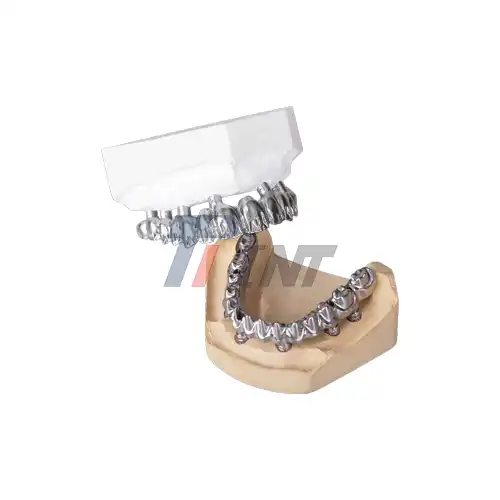
2mm titanium sheets are cut into autoclavable tray systems, retractor blades, and needle holder jaws by companies that make surgical instruments. The hardness of the material (Rockwell C 20 for Grade 2) lets cutting tools grind the edges, but it doesn't bend or deform when used over and over again. Dental labs use these sheets to make orthodontic archwires and bases for impression trays.
They do this by using titanium's tasteless and nonallergenic qualities. Orthopedic producers cut trauma plates from Grade 5 sheets and drill and countersink screw holes so the plates don't crack or come apart. The 2mm thickness allows for the shaping of the body while still giving enough cross-sectional area for load spread across fracture sites.
Handling and Fabrication Best Practices
Procurement teams should be aware that titanium tends to gall, which means that different methods need to be used when making it. To keep carbide tools from getting too hard, cutting processes need slower feed rates and sharp tools. Water jet cutting gets rid of all heat-affected areas, so the qualities of the material are kept right up to the edge of the cut.
To keep microcracks from forming, makers make sure that the minimum bend radius is 3–4 times the thickness of the material when they bend 2mm sheets. Because titanium has a low stiffness, it has a lot of springback—usually 15-20% more than stainless steel—which needs to be taken into account when designing dies. Titanium takes hydrogen and oxygen easily at high temperatures, which could make it harder to weld. When handling titanium properly, you should wear clean cotton gloves to protect the surface from contamination.
Comparing 2mm Titanium Sheets with Alternative Materials
Titanium Versus Stainless Steel
Titanium sheets 2mm are 40% lighter than steel sheets but are 60% stronger, giving them a better strength-to-weight ratio. A 100-gram Grade 5 titanium part can hold the same amount of weight as a 250-gram stainless steel part. This weight advantage grows for sets of multiple surgery instruments, which lowers shipping costs and makes the instruments easier to use. When you compare corrosion protection, you can see big differences.
For example, 316L stainless steel corrodes at a rate of 0.1 to 0.5 mm/year in saltwater splash zones, while titanium corrodes almost nothing at all. Even though titanium costs 3–5 times more at first, the lifetime cost factor favors it because it doesn't need to be maintained and lasts longer (30 years vs. 8 years for steel), which means it's a good investment.
Titanium Versus Aluminum Alloys
Aluminum is lighter than titanium because it has a smaller density (2.7 g/cm³), but its tensile strength is only about 570 MPa for aircraft 7075-T6 metal, which is still less than what Grade 5 titanium can do. The 69 GPa elastic stiffness of aluminum makes thin pieces bend too much when the same amount of force is applied to them. The oxide layer of the material doesn't have titanium's regenerative qualities, so it needs to be anodized or coated to protect it from rusting in harsh conditions.
Biocompatibility tests clearly show that titanium is better than aluminum. Aluminum is thought to be poisonous and doesn't integrate well with bone, so it can't be used for permanent implants. When biological interactions and gadget life are more important than small weight differences, medical device R&D teams choose titanium.
Grade 2 Versus Grade 5 Selection Criteria
Procurement managers have to choose between Grade 5's higher strength and Grade 2's better ability to be shaped. When complex cold forming, deep drawing, or spin forming is needed, Grade 2 works best. Grade 5's higher yield strength causes cracks during these processes. The commercially pure version costs 15–20% less than Ti-6Al-4V ELI and can be made more quickly, which lowers the cost of production.
When a component stress study shows loads greater than 300 MPa or when crack toughness requirements are higher than what Grade 2 can handle, Grade 5 is required. Manufacturers of spinal implants usually use Grade 5 for pedicle screws and interbody plates that are compressed in one direction, and Grade 2 for tool handles and covers that aren't structural.
2mm Versus 3mm Thickness Considerations
Increasing the thickness of a sheet by 3 mm makes it 50% heavier and more expensive, but it makes it 237% stiffer (proportional to thickness cubed). Engineers choose the bigger gauge when there are limits on how much the metal can bend. For example, medical retractor blades need to hold tissue without showing any signs of bending. The 2mm choice works well in situations where weight reduction is important or where easier material flow is helpful for more than one forming process.
When cutting 3mm stock instead of 2mm, it takes 30–40% longer to machine, which affects the cost per unit of production. Supply chain managers have to weigh these factors against the complexity of their inventory, since keeping various thicknesses in stock increases the number of SKUs and minimum order amounts.
Key Considerations When Procuring 2mm Titanium Sheets
Evaluating Supplier Credentials and Certifications
Medical device makers have to make sure that their providers keep their ISO 13485 certification and give them material test results that show they follow ASTM standards. Titanium sheets 2mm providers you can trust will give you mill certificates with heat numbers, chemical makeup, mechanical test results, and grain structure analysis. This standard is exemplified by Baoji INT Medical Titanium Co., Ltd., which has been in business since 2003 and has held ISO 9001:2015 and ISO 13485:2016 certifications.
With 30 years of experience in the field under the direction of founder Zhan Wenge, the company has a deep knowledge of what medical-grade materials need to meet. The quality control systems of suppliers should be checked by procurement teams, who should look at the calibration records for tensile testers and spectroscopy tools used to check materials.
Controlling trace elements is very important in medical settings. Suppliers must show that the metal's iron, carbon, nitrogen, and hydrogen levels are within the allowed ranges, since too many interstitial elements weaken its ability to bend and fight corrosion. When projects with a lot at stake need extra care, third-party testing by approved labs like NSL Analytical or Element Materials Technology gives an outside check. Established providers keep track of each lot, which lets you find the root cause of any quality problems that happen later.
Customization Options and Order Optimization
In many situations, precise cutting, edge shaping, or surface processes that aren't available on most mills are needed. When you buy from suppliers who offer value-added services like laser cutting to net-shape blanks, polished or pickled finishes, and non-destructive testing, you can do less of the work yourself. By adding cutting capabilities, Baoji INT can give almost-finished parts instead of raw stock, which cuts down on production times.
Different sources have very different minimum order amounts. Small medical material wholesalers may be able to handle orders of 5–10 sheets, but big mills need at least 500 kg. When you buy in bulk, you can get discounts of 8–12%, but it takes up warehouse room and operating cash. Strategic buyers talk about contract inventory agreements or blanket purchase orders with releases that happen at the same time every time a product is made.
For tasks that need to be stacked very tightly, custom thickness tolerances closer than the normal ±0.1mm may be needed. Making these requirements clear during the RFQ stage saves money on rework or rejection. In medical manufacturing, surface finish standards (Ra values) affect how well the next cleaning works. Electropolished surfaces below Ra 0.4 μm are easier to sterilize and get rid of protein waste than mill-finish Ra 1.5 μm surfaces.
Logistics and Lead Time Planning
When you buy titanium from another country, it takes between 8 and 12 weeks to get it to you. This time includes making the material, testing its quality, getting the export paperwork ready, and shipping it by sea. Air freight cuts travel time to 5–7 days, but it also raises handling costs by 400–600%, so it should only be used for pressing prototype runs or production recovery situations.
Suppliers with a lot of experience, like Baoji INT, keep a strategic stock of popular medical grades. This could cut wait times for normal specifications to 3–4 weeks. Import taxes are affected by how items are classified under HTS codes 8108.20 and 8108.90. Medical-grade titanium often gets lower tariffs because of trade deals.
The quality of the packaging has a big effect on the state of the goods when they arrive. To keep sheets from absorbing hydrogen and getting stained during shipping, they need to be layered with protected paper and crammed in moisture-barrier packing. Contracts for buying things should include rules for how to package things and what levels of damage are acceptable, such as edge damage, surface scratches, and differences in size. When production stops because of a single provider, reducing supply chain risk by building relationships with two or three qualified sources is key.
Why 2mm Titanium Sheet Is the Rational Choice for Your Project
Total Lifecycle Cost Advantages
Engineers who are taught to keep up-front material costs as low as possible sometimes forget that titanium has better lifetime economics. A set of medical instruments made from titanium sheets 2mm costs 180% more than the same set made of stainless steel at first, but it lasts 250% longer and doesn't need any upkeep for corrosion. Because of stress corrosion and pitting that happens during sterilization cycles, stainless steel tools need to be replaced every 800 to 1200 cycles. Titanium tools are often used more than 3000 times and still keep their shape and surface structure. When spread out over 10 years of use, the cost savings from not having to fix, replace, or repair instruments moves the economic balance firmly in favor of titanium.
Environmental and Sustainability Considerations
Titanium's long life means that less trash is made than with shorter-lasting options. When one titanium instrument lasts three times as long as an equal stainless steel one, the effects of industrial energy use, raw material extraction, and disposal are spread out over more replacement rounds. The material can be recycled in its entirety, and its high scrap value ($4-6 per pound for medical-grade turnings) makes it worth the cost of getting rid of it when it's no longer useful.
Concerns about toxicity arise when chromium and nickel metals are burnt, but titanium scrap goes back into the supply chain without creating any harmful results. More and more, forward-thinking medical institutions are taking these things into account when they buy things, making sure that their buying practices are in line with their overall sustainability goals.
Design Innovation Enablement
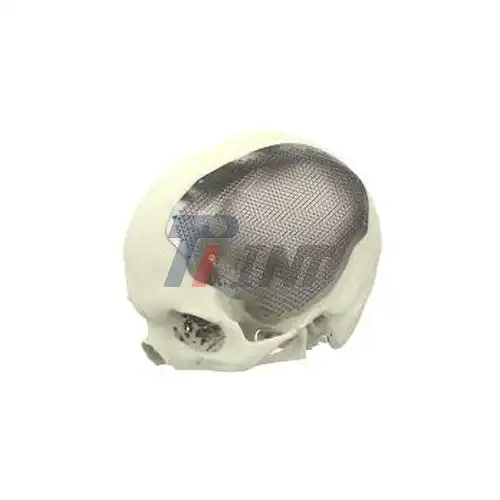
Titanium's special mix of properties opens up design options that aren't possible with other materials. The edge in strength-to-weight lets thinner tool profiles be used, which makes the surgical site easier to see while still keeping structural integrity. Biocompatibility lets implant designers make surfaces that are porous and encourage tissue growth—structures that would make other metals react with inflammation.
More and more, additive manufacturing uses titanium powder made from scrap sheets. This makes it possible to make implants with patient-specific shapes that aren't possible with standard cutting. R&D teams that are trying to improve performance find that titanium's qualities remove limitations that held back earlier design versions.
Innovation processes are sped up by working with providers who have a lot of experience. Baoji INT Medical Titanium offers expert support that includes helping customers choose the right materials, creating new working parameters, and setting up quality control protocols. Over its 20-year history, this collaborative method has helped many medical device companies meet legal standards while also improving the efficiency of production.
Conclusion
Choosing a titanium sheet 2mm for making medical devices is an investment in the quality of the product, the safety of the patients, and the long-term efficiency of the business. The material's high strength-to-weight ratio, resistance to corrosion, and biocompatibility make it ideal for use in surgery tools, implantable devices, and precision parts. Even though the starting prices are higher than for regular materials, lifecycle analysis shows that there are big economic benefits through longer service lives, no maintenance, and lower failure rates.
When purchasing professionals look at suppliers, they should give more weight to qualified makers who can show they follow ISO 13485, test all of their materials thoroughly, and have experience in the medical field. The 2mm gauge offers the best mix between mechanical performance and fabrication efficiency, making it useful for a wide range of uses, from making orthopedic plates to making tools for chemical processing.
FAQ
What is the typical weight of a 2mm titanium sheet?
The density of Grade 2 titanium sheet 2mm, which is 4.51 g/cm³, tells us that a piece of it weighs about 9 kg per square meter, which is 1.84 lb/ft². This is 57% of the same-sized 316L stainless steel sheet, which cuts down on shipping costs and makes mobile uses more comfortable. Because they have a slightly lower density (4.43 g/cm³), Grade 5 (Ti-6Al-4V) sheets weigh a little less at 8.8 kg/m². When designing portable medical tools or figuring out how to ship large orders, weight estimates are very important.
Can 2mm titanium sheets be customized to specific dimensions?
Reliable providers use laser, water jet, or plasma cutting technology to do precise cutting. For straight measurements, tolerances of ±0.1mm are possible, and the edges can be mill-edged, sheared, or precision-machined. During manufacturing, custom hole patterns, slot features, and curved forms can be added. Ordering cut-to-size blanks instead of full sheets cuts down on trash and processing costs, but for unique designs, you may need to buy a minimum amount.
How does the cost of 2mm titanium compare with stainless steel?
At the moment, medical-grade titanium sheets cost $35 to $50 per kilogram, while 316L stainless steel sheets cost $8 to $12 per kilogram, which is about four to five times more expensive per kilogram. But because titanium is less dense, the price per square metre drops to a 2.3–2.8x premium. This equation is turned around by lifecycle costing, which shows that titanium has a lower total cost of ownership for uses that need corrosion protection and biocompatibility because it doesn't need to be maintained and can be replaced 2-3 times more often.
Partner with a Trusted 2mm Titanium Sheet Supplier
Baoji INT Medical Titanium Co., Ltd. has been making medical-grade titanium products for more than 20 years and helps device makers around the world with their research and development (R&D) and production needs. Our factory is ISO 13485:2016 approved and makes a wide range of titanium sheets, up to 2mm thick, in both Grade 2 economically pure titanium and Ti-6Al-4V ELI alloy, which meets ASTM F67 and F136 standards. We keep a strategic amount of goods on hand so that wait times are faster. We also offer customization services, such as precise cutting and surface finishing.
Our expert team can help you choose the right materials and come up with the best processing parameters, so your plans are the best they can be for making them and following the rules. Contact export@tiint.com right away to get a price or sample materials so you can see how high our quality standards are and talk about your unique project needs. We are a well-known company that makes titanium sheet 2mm for the medical community around the world. We know how important it is to have consistent materials, thorough paperwork, and on-time deliveries that keep your production plans on track.
References
1. Boyer, R., Welsch, G., & Collings, E.W. (1994). Materials Properties Handbook: Titanium Alloys. ASM International, Materials Park, Ohio.
2. Brunette, D.M., Tengvall, P., Textor, M., & Thomsen, P. (2001). Titanium in Medicine: Material Science, Surface Science, Engineering, Biological Responses and Medical Applications. Springer-Verlag, Berlin.
3. Donachie, M.J. (2000). Titanium: A Technical Guide, 2nd Edition. ASM International, Materials Park, Ohio.
4. Rack, H.J. & Qazi, J.I. (2006). Titanium alloys for biomedical applications. Materials Science and Engineering C, 26(8), 1269-1277.
5. Schutz, R.W. & Watkins, H.B. (1998). Recent developments in titanium alloy application in the energy industry. Materials Science and Engineering A, 243(1-2), 305-315.
6. Veiga, C., Davim, J.P., & Loureiro, A.J.R. (2012). Properties and applications of titanium alloys: A brief review. Reviews on Advanced Materials Science, 32(2), 133-148.
_1750923514395.webp)
_1750662961697.webp)