


 2025-12-23 08:25:34
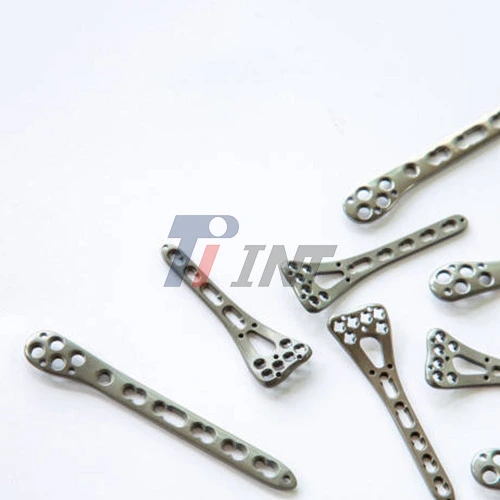

Understanding Distal Radius Fractures and Titanium Plate Fixation
The distal radius is the lower end of the radius bone in the forearm, located near the wrist joint. Fractures in this area are common, often resulting from falls onto an outstretched hand or high-impact injuries. Depending on the severity and type of fracture, treatment options may range from conservative management with casting to surgical intervention.
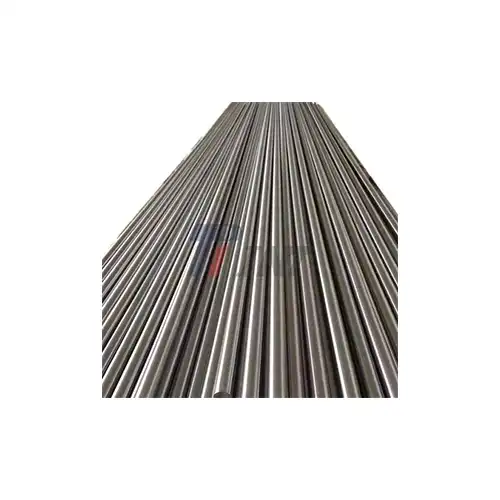
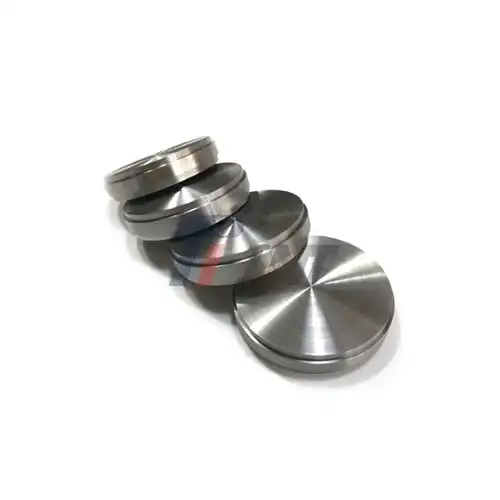
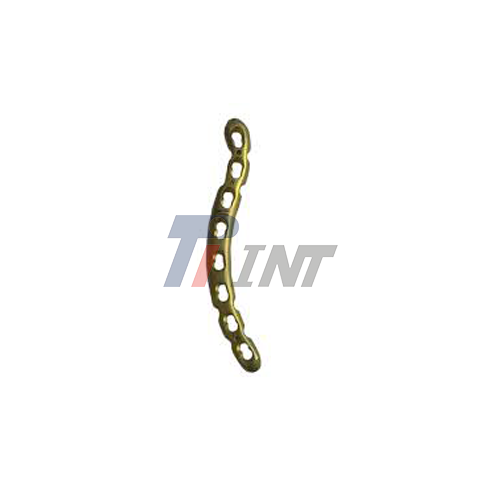
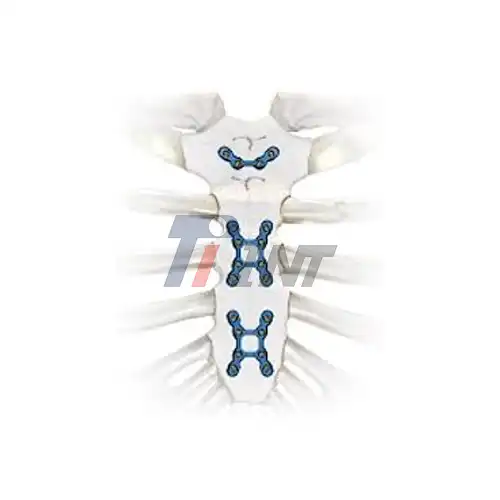
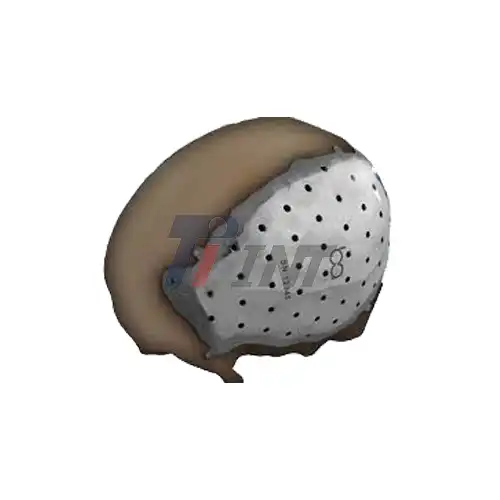
Titanium plate for wrist fracture has emerged as a preferred surgical technique for many distal radius fractures. This method involves using a titanium plate, which is secured to the bone with screws, to stabilize the fracture and promote proper healing. The use of titanium in orthopedic implants has revolutionized fracture management due to its exceptional properties:
- Biocompatibility: Titanium is well-tolerated by the human body, reducing the risk of adverse reactions.
- High strength-to-weight ratio: Titanium plates provide robust support while remaining lightweight.
- Corrosion resistance: Titanium resists degradation in the body, ensuring long-term stability.
- Osseointegration: Titanium has the ability to bond with bone tissue, promoting better healing.
These properties make titanium an ideal material for wrist fracture fixation, offering numerous benefits over traditional methods.
Surgical Outcomes of Titanium Plate Fixation for Distal Radius Fractures
The efficacy of titanium plate fixation for distal radius fractures has been extensively studied, with numerous clinical trials and meta-analyses reporting favorable outcomes. Here are some key findings regarding the surgical outcomes of this technique:
Anatomical Restoration
One of the primary goals of distal radius fracture treatment is to restore the anatomical alignment of the wrist. Titanium plate fixation has demonstrated superior results in achieving and maintaining proper alignment compared to other treatment modalities. A study published in the Journal of Orthopaedic Surgery and Research found that patients treated with titanium plates showed significantly better radiographic parameters, including radial inclination, volar tilt, and radial height, compared to those treated with external fixation or casting alone.
Functional Outcomes
The ultimate measure of success in fracture treatment is the restoration of function. Numerous studies have reported excellent functional outcomes following titanium plate for wrist fracture. A prospective study published in the Journal of Hand Surgery evaluated 124 patients with distal radius fractures treated with titanium plates. The results showed significant improvements in grip strength, range of motion, and patient-reported outcomes at one year post-surgery. Additionally, 92% of patients returned to their pre-injury level of activity.
Complication Rates
While all surgical procedures carry some risk, titanium plate fixation for distal radius fractures has demonstrated a favorable safety profile. A systematic review published in the Journal of Orthopaedic Trauma analyzed 33 studies involving over 1,500 patients. The overall complication rate was reported to be 14.5%, with most complications being minor and manageable. The most common complications included tendon irritation, hardware-related issues, and complex regional pain syndrome. It's worth noting that complication rates were lower with titanium plates compared to other fixation methods.
Long-term Outcomes
The durability of titanium plate fixation is a crucial consideration for both patients and surgeons. Long-term follow-up studies have shown promising results. A 10-year follow-up study published in the Journal of Hand Surgery (European Volume) evaluated 61 patients who underwent titanium plate fixation for distal radius fractures. The study reported excellent long-term outcomes, with 93% of patients reporting good to excellent functional results and minimal degenerative changes observed on radiographs.
Recovery Process and Rehabilitation Following Titanium Plate Fixation
While the use of titanium plate for wrist fracture fixation offers numerous advantages, proper post-operative care and rehabilitation are crucial for optimal outcomes. The recovery process typically involves several stages:
Immediate Post-operative Period (0-2 weeks)
Following surgery, the wrist is usually immobilized in a splint or cast to protect the surgical site and allow initial healing. Pain management and elevation of the affected limb are essential during this period. Patients are typically advised to move their fingers and perform gentle exercises to prevent stiffness and maintain circulation.
Early Rehabilitation (2-6 weeks)
Once the surgical wound has healed, and initial bone healing has occurred, patients begin a structured rehabilitation program under the guidance of a hand therapist. This phase focuses on:
- Gradual removal of the splint or cast
- Initiation of gentle range of motion exercises
- Edema control techniques
- Scar management
- Introduction of light activities of daily living
Progressive Rehabilitation (6-12 weeks)
As healing progresses, the rehabilitation program intensifies, aiming to restore full function of the wrist and hand. This phase typically includes:
- Progressive strengthening exercises
- Advanced range of motion exercises
- Proprioception and coordination training
- Gradual return to work and recreational activities
Long-term Recovery (3-6 months and beyond)
The final phase of recovery focuses on optimizing function and addressing any residual deficits. Patients continue with home exercise programs and may engage in occupational therapy if needed. Most patients can expect to achieve maximum medical improvement within 6-12 months post-surgery, although some may continue to see improvements for up to 18 months.
It's important to note that the recovery timeline can vary significantly depending on factors such as the severity of the fracture, the patient's age, overall health, and compliance with rehabilitation protocols. Regular follow-up appointments with the surgeon and hand therapist are crucial to monitor progress and adjust the treatment plan as needed.
Conclusion
Titanium plate fixation has emerged as a highly effective treatment option for distal radius fractures, offering excellent surgical outcomes and facilitating a smooth recovery process. The biocompatibility, strength, and durability of titanium make it an ideal material for wrist fracture fixation, providing stable support for optimal healing and functional restoration.
As with any medical procedure, the success of titanium plate fixation depends on various factors, including proper surgical technique, appropriate patient selection, and adherence to post-operative rehabilitation protocols. Patients considering this treatment option should consult with a qualified orthopedic surgeon to determine if it's the right choice for their specific situation.
For those seeking high-quality titanium plate for wrist fractures or other orthopedic applications, Baoji INT Medical Titanium Co., Ltd. offers a comprehensive range of medical-grade titanium products. With over 30 years of experience in titanium material research and production, INT ensures the highest standards of quality and reliability. To learn more about their titanium plate offerings for wrist fractures and other medical applications, please contact them at export@tiint.com.
_1752818186472.webp)
_1750210463958.webp)