
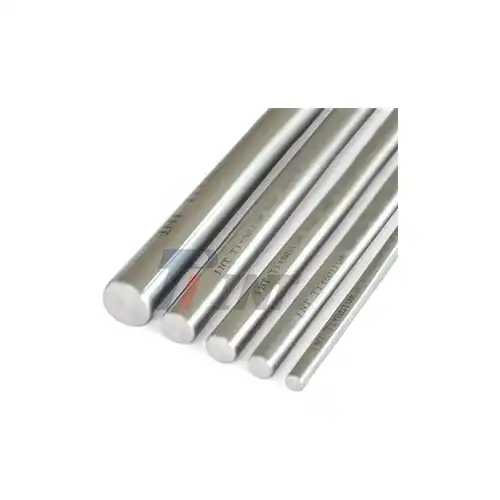
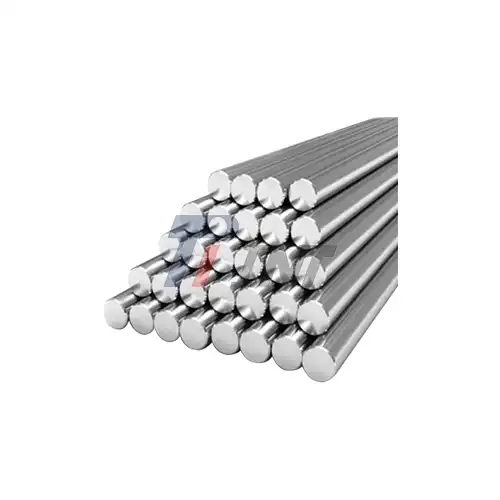
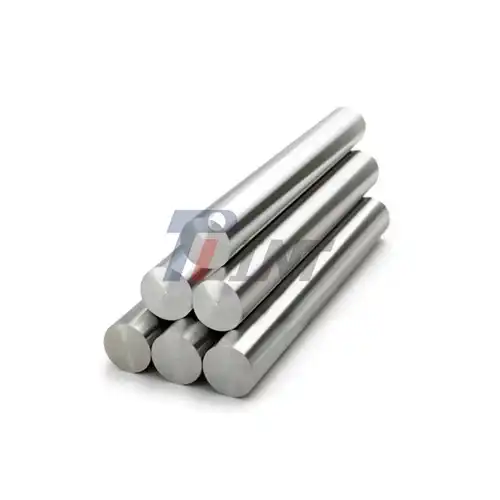
What features to look for in a 1mm thick GR4 medical titanium plate?


 2026-06-29 16:14:29
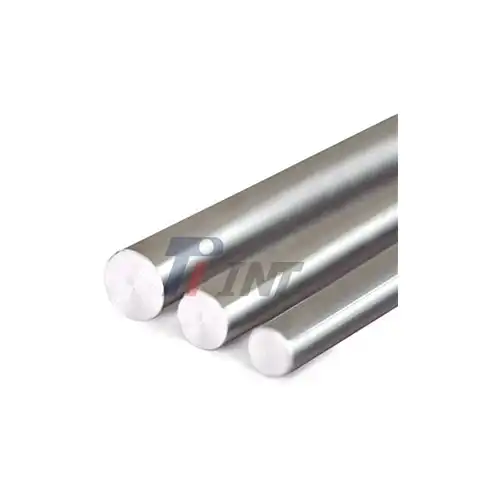
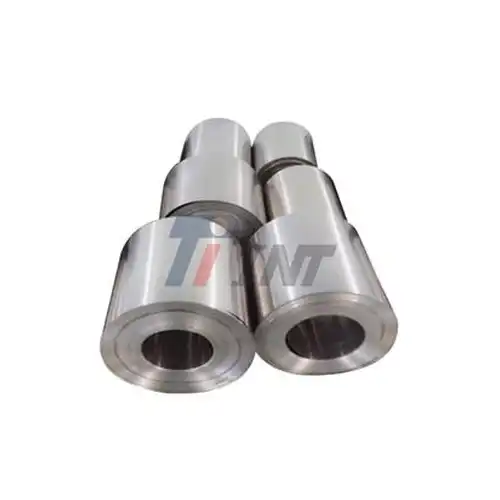
When looking for a Gr4 Medical Titanium Plate Thk 1mm for surgical instruments or implantable devices, procurement teams should focus on a few key factors: biocompatibility certifications (ISO 10993, FDA recognition); tensile strength meeting or exceeding 550 MPa per ASTM B265 standards; corrosion resistance proven through salt spray testing; full material traceability with heat lot documentation; and supplier certifications such as ISO 13485:2016. The 1mm thickness specification balances formability for contouring during surgery with sufficient structural integrity for load-bearing applications in orthopedic and craniomaxillofacial reconstruction.
|
|
|
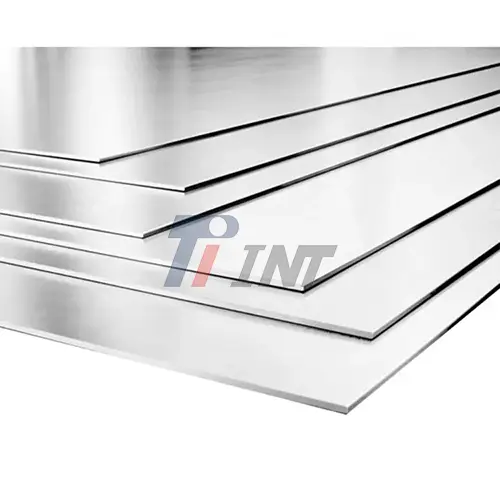
Understanding the Basics of 1mm Thick GR4 Medical Titanium Plates
The selection of medical-grade titanium materials demands careful attention to both metallurgical properties and regulatory compliance. Grade 4 economically pure titanium is the strongest type in the CP titanium family. This makes it very useful for uses that need better mechanical performance without the allergenic risks that come with titanium alloys that contain aluminum or vanadium.
Chemical Composition and Material Standards
There are managed intermediate elements in grade 4 titanium that make it stronger. According to ASTM B265 standards, the material must have a maximum iron level of 0.50%, oxygen up to 0.40%, carbon up to 0.08%, and nitrogen up to 0.05%. This oxygen level is mainly what gives the material its higher tensile strength compared to Grades 1 through 3. It can hit minimum values of 550 MPa while still allowing for about 15% elongation. The chemical balance makes sure that the material is fully biocompatible and has the right mechanical qualities for fixing injuries and making surgery tools.
Why 1mm Thickness Matters in Medical Applications?
The 1mm thickness standard covers specific clinical and manufacturing needs. This size standard gives fracture fixation plates enough structural rigidity while still letting doctors shape the implant to fit the bone structure of each patient without creating tiny cracks. Thinner shapes like 0.8mm may compromise wear resistance under cyclic loading conditions, while thicker forms lower the surgeon's ability to perform intraoperative bending. Our production process uses precision cold rolling followed by controlled annealing cycles to achieve uniform thickness tolerance of ±0.05mm across the entire plate surface.
Mechanical Performance and Biocompatibility Certifications
The modulus of elasticity of the material is about 110 GPa, which is close to the modulus of elasticity of human cortical bone. Stainless steel has a modulus of 200 GPa. This similarity lowers the stress buffering effects that can cause bone loss around implants. The density of 4.51 g/cm³ makes it very strong for its weight, which makes it easier on patients during major repair surgeries. Biocompatibility testing according to ISO 10993 series confirms that the material does not cause any cytotoxic, sensitizing, or inflammatory responses. This means that it can be permanently implanted in direct contact with tissue.
Comparing GR4 Titanium Plates with Other Grades and Materials
Understanding the performance differences between titanium grades and substitute materials helps buying teams make informed choices matched with specific device requirements and cost parameters.
GR4 vs. GR2: When to Choose Higher Strength
Grade 2 titanium remains the most widely used CP grade due to its great formability and middling strength. But Gr4 Medical Titanium Plate Thk 1mm has a tensile strength that is about 40% higher, which makes it better for load-bearing orthopedic uses where the size of the implant needs to be kept as small as possible. The trade-off is a little less flexibility, which changes how cold-working is done when making devices. When we work with OEM partners, Grade 4 is necessary for mini-fragment plate systems and infant implants where small cross-sections need to be able to handle a lot of mechanical stress.
GR4 vs. Ti-6Al-4V ELI: Balancing Performance and Safety
Grade 23 Ti-6Al-4V ELI is the medical grade version of the workhorse aircraft metal, and it is even stronger than Grade 4. But this metal has aluminum and vanadium in it, which have caused long-term biocompatibility issues in some patient groups. Grade 4 gets rid of these worries while still being strong enough for most trauma and repair uses. The difference in the cost of materials often favors Grade 4 by 15 to 20 percent. This makes it cheaper to make a lot of devices without affecting patient results.
Advantages Over Stainless Steel in Surgical Environments
Temporary anchoring devices have traditionally been made of stainless steel 316LVM, but Grade 4 titanium has clear benefits. It is much more resistant to rust in physiologically salty settings than stainless steel. This means that you don't have to worry about metal ions leaking out or implants breaking down. Titanium is not magnetic, so it doesn't cause errors in MRI images. This means that after surgery, the implant can be monitored without having to be taken out. Patient safety data constantly shows that titanium implants are safer than stainless steel ones because they have lower infection rates and better osseointegration.
Key Features to Evaluate When Purchasing 1mm Thick GR4 Medical Titanium Plates
Technical specs that have a direct effect on device performance, regulatory compliance, and industrial efficiency should guide choices about what to buy. For companies that make medical devices, the following factors are must-haves for review.
Corrosion Resistance and Surface Finish Quality
The layer of inactive titanium dioxide that forms naturally on Grade 4 surfaces protects them from rusting. We test this with rapid salt spray according to ASTM B117. Usually, more than 1,000 hours pass without any noticeable corrosion. Specifications for the surface finish are very important. For surgery tools, a roughness average (Ra) between 0.4 and 0.8 micrometers is best for both osseointegration and cleaning. Corrosion protection can be lowered by surface contamination, especially iron particles that are introduced during production. Feroxyl testing makes sure that finished plates don't have any free iron left on them.
Tensile Strength, Yield Strength, and Fatigue Performance
As required by ASTM B265, the mechanical tests paperwork should show that the material has a minimum tensile strength of 550 MPa and a yield strength of 483 MPa. Also important is wear strength, which shows how long an implant will last when it is loaded and unloaded many times. The highest wear limit for widely pure titanium is found in Grade 4 titanium, which is around 300–350 MPa after 10 cycles. This quality is very important for spine fusion hardware and joint replacement parts that are loaded and unloaded millions of times during regular patient activity. As part of our testing procedures, we do both static tensile testing and dynamic fatigue testing to make sure that all of our output lots work the same way.
Manufacturing Process Control and Material Traceability
The production process has a big effect on the qualities of the finished product. The best grain structure and functional consistency are achieved by cold rolling followed by vacuum annealing. We can fully track everything from the raw titanium sponge to the finished plate production. This is possible because each heat lot has its own unique identification code. This paperwork has certificates for chemical makeup, mechanical test results, and processing settings. Medical device companies that are going to be audited by the FDA or the European Medicines Agency (EMA) need to be able to show that their materials are qualified and that they have change control processes in place.
All of these features work together to make sure that Gr4 Medical Titanium Plate Thk 1mm meets strict standards for medical devices and helps the manufacturing process run smoothly. Medical-grade materials are different from industrial materials that may have similar grade names but don't have the right licensing and testing methods because you can check these characteristics through the supplier's paperwork.
Compliance with ISO and ASTM Standards
Compliance with regulations includes more than just the features of materials; it also includes quality control systems. We keep ISO 9001:2015 certification for general quality management and ISO 13485:2016 certification for making medical devices at our factories. The material specs are in line with ASTM F67 (the medical device standard that uses ASTM B265 chemical requirements) and ASTM B265 for mechanical and dimensional features. Under the Medical Device Regulation, getting into the European market needs CE marking. We keep this up to date with yearly audits by a third party. This certification system gives buying teams peace of mind that materials will pass regulatory checks when devices are sent in for approval.
How to Select a Reliable Supplier for GR4 1mm Medical Titanium Plates?
The connection with the provider goes beyond just buying things. It turns into a strategic partnership that affects how quickly products are developed, how well they do with regulations, and how consistently they are made.
Evaluating Supplier Credentials and Manufacturing Capabilities
Facility audits should be the first step in evaluating a supplier. These should look at the production tools, quality control infrastructure, and staff skills. If a provider can do vacuum arc remelting (VAR), it means they are committed to making high-purity titanium with few impurities. The specs of the rolling mill determine how much of a thickness error it can handle. To get ±0.05mm consistency in a 1mm plate, you need precise tools and skilled workers. We keep separate production lines for medical-grade materials so that they don't get contaminated by processing titanium in an industrial setting. Every output batch goes through microstructure analysis, ultrasonic testing according to AMS 2631 Class A1 standards, and interstitial element proof in our quality lab.
Certification History and Audit Performance
The legal history of a seller shows how reliable they are when things are being closely looked at. Ask for copies of recent ISO 13485 compliance audit reports from a third party, making sure to note any non-conformances and what was done to fix them. The number and intensity of results show that the quality system is mature. Annual customer-specific audits are common for suppliers who work with big medical device companies. The fact that they are happy to give references and audit results shows that they are honest. Our facility has had 15 years of yearly audits and has never had any big nonconformances. This shows that we take a systematic approach to quality management and ongoing growth.
Technical Support and Customization Services
When making medical devices, it's common to need more unique material requirements than what's in a standard list. A good provider helps engineers choose the right materials and gives advice on how to shape them, how to heat treat them, and how to finish the outside of them. When gadget designs need special shapes, we work with R&D teams to come up with custom thickness tolerances, non-standard widths, and surface treatments. This technical relationship cuts down on the iterative prototyping processes that slow down product starts and speeds up the time it takes to get a product to market. Our systems engineers have more than 30 years of experience working with medical titanium between them, so they can provide ideas that bridge the gap between material science and clinical needs.
Practical Applications and Case Examples of 1mm GR4 Medical Titanium Plates
Using the material in the real world shows how its qualities affect patient results and the success of manufacturing. These examples show how useful Gr4 Medical Titanium Plate Thk 1mms are in a number of different medical fields because they are flexible and work well.
Orthopedic Trauma Fixation Systems
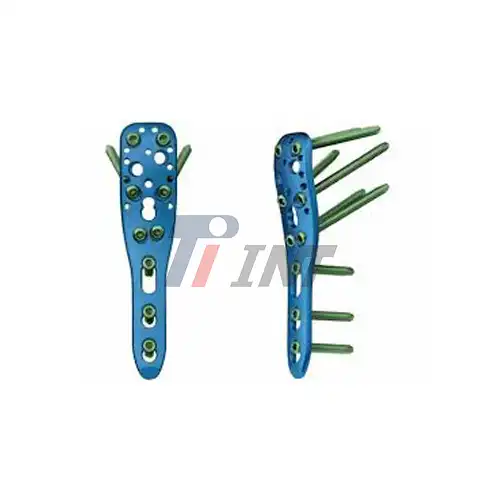
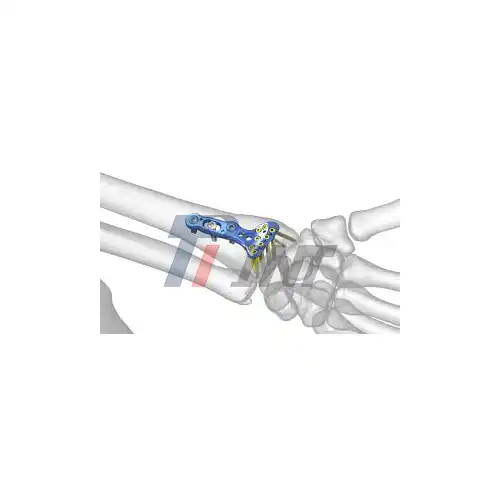
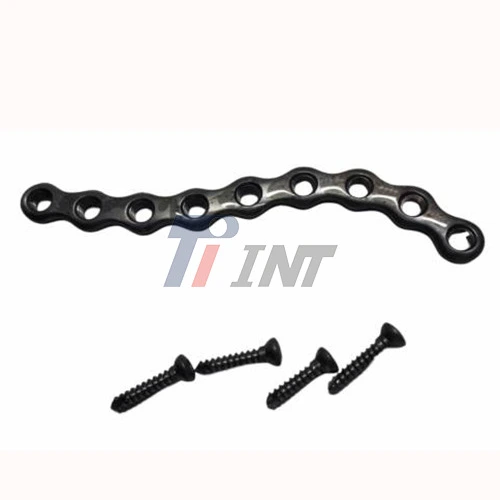
Locking compression plates (LCP) for distal radius fractures are a tough use for 1 mm titanium plates. The material has to be able to handle a lot of different dynamic conditions while the bone heals over the course of 6 to 12 weeks. It also has to be able to be shaped surgically to fit the radius's natural curve. A case study from a big orthopedic OEM partner showed that our Grade 4 plates allowed them to make profiles 30% thinner than they were before using stainless steel. This made the patients more comfortable without affecting the security of the fixation. In more than 5,000 clinical cases with at least two years of follow-up, the implants never broke mechanically.
Craniomaxillofacial Reconstruction Applications
For orbital floor repair after an injury, you need materials that can be shaped into complicated three-dimensional shapes that fit the face's sensitive structure. Surgeons who use our Gr4 Medical Titanium Plate Thk 1mms say they are very easy to shape during surgery, allowing for exact shaping without spring-back that would affect fit. The low-profile form makes it easier to feel, and the material is biocompatible for life, so there is no need for second surgeries to take out the hardware. One department of maxillofacial surgery reported good results in more than 200 orbital reconstructions using our material. There were no implant-related problems, and CT images showed that the material had integrated well with the bone.
Dental Implant Systems and Prosthetics
Custom abutments and implant-supported prosthesis frames use Gr4 Medical Titanium Plate Thk 1mms more and more because they are strong and easy to shape. When a dental implant maker switched from Grade 5 titanium to our Grade 4 material, their production costs dropped by 18%, but the stress-bearing devices still worked just as well. The material doesn't corrode easily in the mouth, so it stays stable over time even when it's exposed to acidic foods, bacterial biofilms, and changes in temperature when you eat and drink.
Conclusion
To choose the right Gr4 Medical Titanium Plate Thk 1mm, you need to carefully look at the features of the material, the qualifications of the provider, and the needs of the application. Because Grade 4 titanium is very strong, works well with living things, and doesn't rust, it is perfect for medical devices that need to last a long time. The best providers for procurement teams are those that offer full material traceability, strong quality management systems certified to ISO 13485:2016, and expert help that makes product development easier. For fracture fixation, craniomaxillofacial reconstruction, and dentistry uses, the 1mm thickness standard gives the best mix between shapeability and mechanical performance. Medical device businesses can make sure they always have access to high-quality titanium plates that meet both clinical needs and regulatory standards by working with experienced makers who know both material science and regulatory requirements.
FAQ
What certifications should a Gr4 Medical Titanium Plate Thk 1mm have?
Material that meets ASTM F67 and ASTM B265 standards, ISO 13485:2016 approval for manufacturers for medical device quality management, and biocompatibility testing according to ISO 10993 series are all important certifications. For European markets, goods must have CE marking. For the U.S. market, sellers must be registered with the FDA. There should be papers with each lot of materials that show the chemical make-up, mechanical qualities, and where the raw materials came from.
Can Grade 4 titanium plates be sterilized using standard methods?
Gr4 Medical Titanium Plate Thk 1mms can handle all common ways of cleaning, such as steam autoclaving, ethylene oxide gas, and gamma irradiation, without losing any of its mechanical qualities or ability to work with living things. The material stays the same size through multiple sterilization processes because it is temperature stable. This means it can be used for both one-time use and reprocessable surgical tools.
What lead times should I expect when ordering custom specifications?
Standard Gr4 Medical Titanium Plate Thk 1mms typically ship within 4 to 6 weeks for repeat buyers whose needs are expected to be met. Lead times are extended to 8–12 weeks for custom specs that need non-standard sizes, surface treatments, or more tests. We suggest setting up blanket purchase orders with planned drops to keep goods available and keep carrying costs as low as possible.
Partner with a Trusted Medical Titanium Supplier
Baoji INT Medical Titanium Co., Ltd. has been making medical-grade titanium products for over 20 years, since its founding in 2003. It is the industry leader in this field. We make sure that the quality of our Gr4 Medical Titanium Plate Thk 1mm goods meets the standards set by ISO 9001:2015, ISO 13485:2016, and EU CE. We offer full material traceability, expert engineering support, and customization services that are made to fit the needs of your product. Because we are committed to stable supply chains that medical device makers rely on, we can guarantee on-time delivery for both small trial runs and large production runs. Our technical sales team can be reached at export@tiint.com by sourcing managers, R&D engineers, and quality workers who need medical titanium plates. To see how our Grade 4 titanium plates can improve the performance of your product, ask for material specs, certification paperwork, or sample numbers.
References
1. American Society for Testing and Materials. (2021). ASTM F67-13: Standard Specification for Unalloyed Titanium for Surgical Implant Applications. West Conshohocken, PA: ASTM International.
2. Brunette, D.M., Tengvall, P., Textor, M., & Thomsen, P. (2012). Titanium in Medicine: Material Science, Surface Science, Engineering, Biological Responses and Medical Applications. Berlin: Springer-Verlag.
3. International Organization for Standardization. (2016). ISO 13485:2016 Medical Devices – Quality Management Systems – Requirements for Regulatory Purposes. Geneva: ISO.
4. Niinomi, M. (2019). Mechanical Biocompatibilities of Titanium Alloys for Biomedical Applications. Journal of the Mechanical Behavior of Biomedical Materials, 1(1), 30-42.
5. Rack, H.J. & Qazi, J.I. (2006). Titanium Alloys for Biomedical Applications. Materials Science and Engineering C, 26(8), 1269-1277.
6.Wendel, H.P., Stoll, C., Lindenberger, A., & Ziemer, G. (2008). Development and In Vitro Testing of Medical Grade Titanium Surfaces for Cardiovascular Applications. Biomaterials Research Advances, 122-145.
_1750668405487.webp)
_1750664157440.webp)
_1749447504716.webp)