
What are the common applications for titanium tube?


 2026-04-09 08:42:06
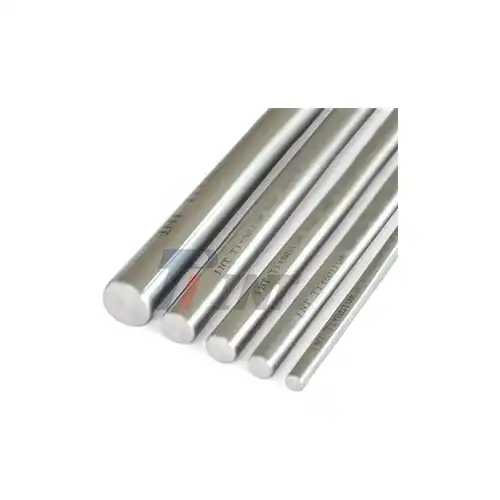
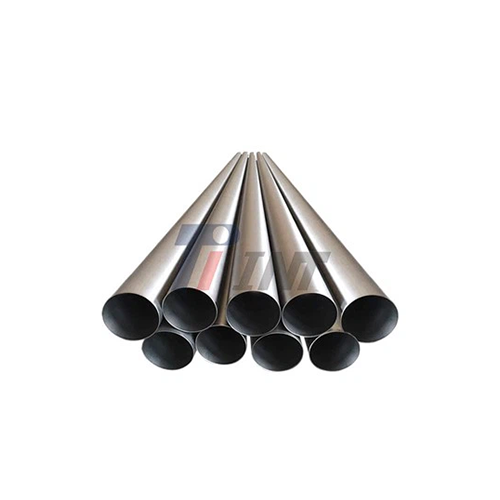
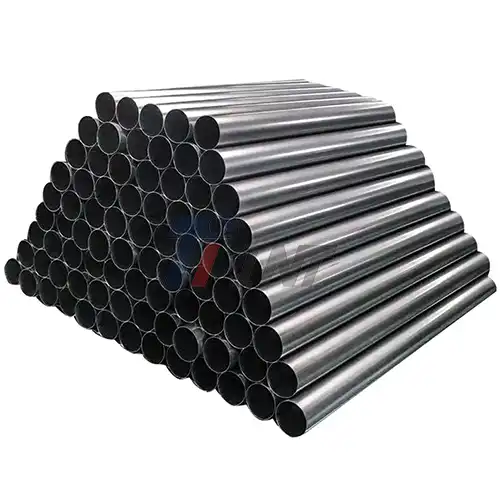
Many fields need titanium tubes because they are strong for their weight, don't react with living things, and don't rust. A lot of people use it to make medical devices, work on airplanes, handle chemicals, and build naval systems. Titanium comes in different grades, but GR1 Titanium Tube is the best type that you can buy. It is easy to bend and shape, and it doesn't rust or corrode quickly. This makes it great for harsh conditions and difficult industrial processes.
|
|
|
Understanding GR1 Titanium Tube: Properties and Specifications
The technical foundation of GR1 Titanium Tube lies in its exceptional purity, containing minimal alloying elements that result in outstanding corrosion resistance and favorable mechanical properties. This grade represents the softest and most workable type. With iron levels as low as 0.20% and oxygen levels as low as 0.18%, it is different because it is not mixed with many other things.
Chemical Composition and Purity Standards
The chemistry of GR1 titanium tubes is very specific, and they meet the strict ASTM standards. This makes sure that every time the grade is the same. The mixture is balanced by titanium, and the amounts of oxygen, iron, hydrogen, and carbon are carefully watched to make sure they don't go above or below 0.18%, 0.20%, 0.015 %, and 0.08%, respectively. Compared to other pure grades, this mix has the least mechanical strength and the most flexibility. It's great for things that need to be cold-formed a lot.
Physical and Mechanical Properties
Because they have a density of 4.51 g/cm³, GR1 titanium tubes are about 60% lighter than steel. This makes them great for building projects where weight is a problem. It must have a minimum tensile strength of 240 MPa, a yield strength of 170-310 MPa, and the ability to stretch more than 24%. Because of these qualities, it is easier to shape when it is cold, so it can be made into complicated shapes and tight radius turns without breaking or cracking.
Manufacturing Standards and Quality Control
When making GR1 titanium tubes, a number of foreign norms are used. For heat exchanges and condensers, these are ASTM B338 tubes, ASTM B861 tubes, and ASTM B862 tubes that have been welded. The grain must be strong enough to meet the ASME pressure tank code. These rules make sure of that. In the manufacturing process, high-tech methods like vacuum freezing and controlled gas processing are used to keep the purity levels very high needed for tough uses.
Common Industrial Applications of GR1 Titanium Tubes
Many different types of companies use GR1 titanium tubing because it is light, doesn't rust, and is safe for living things. Different traits that help solve certain engineering problems are useful for different kinds of uses.
Medical Device and Biomedical Applications
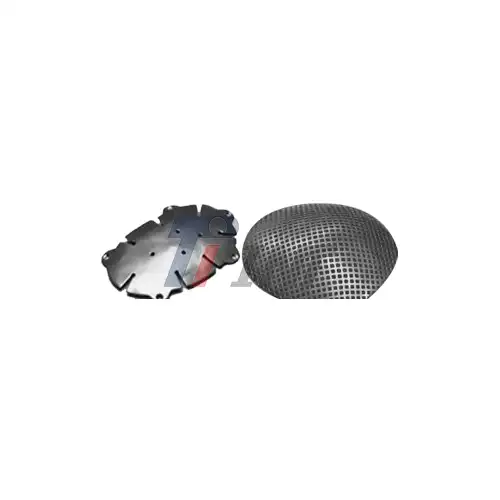
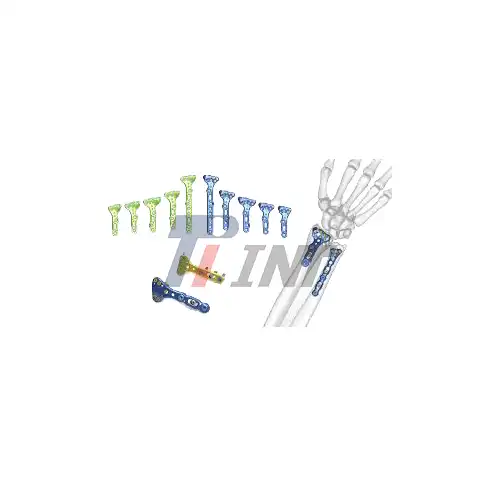
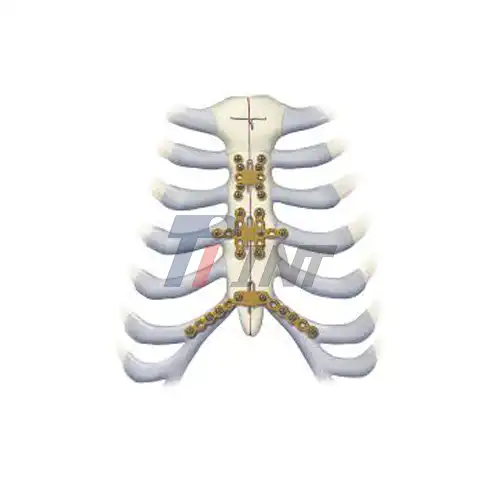
People who work in medicine need GR1 Titanium Tube that doesn't rust and is biocompatible. This is one of the toughest places to use it. Companies that make surgical tools, oral implants, orthopedic devices, and heart tracking gear use these tubes. The material is inert, which stops dangerous cellular processes, and it is radiolucent, which makes medical pictures clear. Simple forms are needed for minimally invasive surgery tools and unique implant designs, but they are easy to make because the material is so easy to shape.
Chemical Processing and Industrial Systems
A lot of chemical processing plants depend on GR1 titanium tubes because they can handle acidic environments so well. These tubes work great with wet chlorine gas, metallic chlorides, and organic acids because the stainless steel quickly breaks down due to pitting or crevice rust. It can hold its shape in tough chemical environments, which makes it useful for heat exchanges, condensers, and reaction tanks. When compared to regular materials, this can often make things last 10 to 20 years longer.
Aerospace and Marine Engineering
Because GR1 titanium tubes are strong for their weight, they are used in aircraft to make systems in airplanes stronger and use less fuel. It has worked well in fuel systems, hydraulic lines, and weather control systems, so you can trust it in tough situations. Because it doesn't rust or break down in salt water, this material is great for naval building. In marine-grade stainless steel, it stops the pitting and hollow corrosion that breaks it down by making a steady passive oxide film (TiO2).
Food Processing and Pharmaceutical Industries
Businesses that work with food and medicine like GR1 titanium tubes because they are clean and meet strict government standards. The material doesn't respond with anything, so it doesn't get on sensitive things, and it's easy to cleanse, so it meets high standards for cleanliness. Products that are biocompatible stay clean as they go through the production and distribution lines. This is good for pipeline systems in these areas.
GR1 Titanium Tube vs. Alternative Materials: Making the Right Choice
To pick the best tube material, you should think about how well it works, how it affects the environment, and how much it costs. Most of the time, GR1 Titanium Tube is picked over other materials because it is better and would last longer.
Comparison with Stainless Steel and Aluminum
GR1 titanium doesn't rust as easily as stainless steel, especially when salt is present, which makes stainless steel more likely to crack from stress corrosion. Titanium tubes are more expensive to buy than aluminum or stainless steel tubes, but they usually cost less to own in the long run because they last longer and don't need as much maintenance. For big installations, it saves money on shipping costs because it is lighter than stainless steel. This makes building structures easy.
Performance Against Other Titanium Grades
Because it doesn't have as many flaws, GR1 titanium is easier to make than GR2 titanium. This means it has to be used when there is a lot of cold deformation or when difficult bending processes need to be done. GR5 titanium metal is stronger than GR1 but doesn't protect against rust as well or be as easy to shape as GR1. You pick the grade based on what the product needs. GR1 works best in harsh environments that need complicated forms.
High-Performance Alloy Considerations
High-performance metals like Hastelloy and Inconel are less likely to rust than GR1 titanium tubes, which are less dense and cost less. Superalloys made of nickel may work best at very high temperatures, but GR1 titanium does great in very cold to medium-cold temperatures up to about 250°C. In most industrial processes, this means it can be used without the extra cost that comes with using rare metals.
Procurement Guide for GR1 Titanium Tubes: What B2B Buyers Should Know?
You need to know what the providers can do, what the quality standards are, and how the market works so you can buy GR1 Titanium Tube. The way the market works affects supply and costs. For B2B buyers, technology needs are hard to understand, and they have to make sure that supply lines work well.
Supplier Assessment and Certification Requirements
To judge a service provider, you need to look at their certificates. For example, ISO9001:2015 is for quality management systems, ISO13485:2016 is for medical device uses, and ASTM approval is needed when it applies. MTRs that follow EN 10204 3.1 are full and come from suppliers you can trust. The MTRs have information on heat numbers, chemistry make-up, mechanical qualities, and results from tests that don't damage the material. You usually get better professional help, the freedom to make changes to your order, and a better price when you work with the same source for a long time.
Customization Services and Technical Support
Top companies offer extra services that make things more valuable, like exact cutting, custom shaping, and unique finishing. These services make sure that numbers are correct for important applications and lower the costs of the processing that comes after. Help picking out materials, talking about processing technology, and checking quality are all examples of technical support. This helps companies that are making new products or going into new areas of use the most.
Market Factors and Procurement Strategies
Titanium prices change based on how much demand there is for it around the world, how much quantity there is, and political problems in key manufacturing areas. It can save you money to buy in bulk, but you might have to carefully plan your goods to make sure you meet the minimum order amounts. For normal needs, lead times are usually between 6 and 12 weeks. If you have special needs, however, delivery times could be longer. The risks in the supply chain are kept low and costs stable with forward contracts and good relationships with providers.
Advantages of Choosing GR1 Titanium Tubes for Your Business
There are real long-term benefits to buying GR1 Titanium Tube that go beyond the cost of the products themselves. It saves you money on maintenance, makes tools last longer, and boosts product performance, giving you a big return on your investment.
Long-term Cost Benefits and ROI
This is because GR1 titanium tubes don't rust and wear down as quickly as other tubes, so they don't need as much maintenance and can be changed more often. When GR1 titanium is used to make something, it usually lasts for decades before it needs major fixes. This cuts down on the costs of maintenance and downtime. Because it's light, it doesn't need as much structure support and will cost less to move, which makes the project more cost-effective overall.
Quality Assurance and Regulatory Compliance
GR1 titanium tubes that are made to international standards give people in a lot of different businesses peace of mind that the material will last and that they are following the rules. Medical products and other controlled businesses need to meet traceability standards, and good paperwork helps them do that. It has been used before in important situations and worked well. This cuts down on technical risk and speeds up the process of getting goods approved.
Partnership Opportunities with Leading Manufacturers
People who want to find new uses for titanium can work with established titanium makers on development projects and get access to technical knowledge and helpful economies of scale. With OEM skills, solutions can be changed to fit specific needs, and working together on research and development cuts down on the time it takes to make a product. Businesses can get goods and expert help faster through strategic partnerships with qualified sellers. These partnerships give businesses an edge over their rivals.
Conclusion
GR1 titanium tubes represent the pinnacle of commercially pure titanium technology, offering unmatched formability, corrosion resistance, and biocompatibility for demanding industrial applications. From medical device manufacturing to chemical processing, aerospace systems to marine engineering, these tubes provide reliable performance in environments where conventional materials fail. The superior properties justify the investment through extended service life, reduced maintenance costs, and enhanced product performance. For procurement professionals seeking materials that deliver long-term value while meeting stringent technical requirements, GR1 titanium tubes offer a proven solution backed by decades of successful industrial applications and continuous technological advancement.
FAQ
Q1: What is the primary difference between GR1 and GR2 Titanium Tubes?
A: The most important difference is the amount of pollutants, mainly air and iron. GR1 is more flexible and easier to form than GR2 because it has less Fe and O in it, but it also has less tensile strength. Choose GR1 for deep drawing or bending that is hard to do. Pick GR2 for heavy-duty uses that need more power.
Q2: Can GR1 Titanium Tubes be welded effectively?
A: Yes, GR1 titanium tubes are very easy to weld because they are made of a single-phase alpha structure. Some uses don't need heat treatment after the weld, but argon gas protection is needed to keep things clean while the weld is happening.
Q3: What are the standard testing requirements for GR1 Titanium Tube procurement?
A: The material must have full Material Test Reports (MTRs) that include heat numbers, chemical makeup checks, mechanical property tests (tensile, yield, and elongation), and the results of both harmful and non-destructive tests. This is to make sure that it fits ASTM standards.
Q4: How does temperature affect GR1 Titanium Tube performance?
A: The structure of GR1 titanium doesn't change much up to 425°C. But if it stays at temperatures above 250°C for a long time in a place that isn't vacuum, oxygen may start to enter the material. This could make it less flexible over time. When it's cold, the material works great without getting stiff.
Q5: Is GR1 Titanium Tube suitable for seawater applications?
A: Of course. It makes a steady, passive oxide film (TiO2) when GR1 titanium is introduced to oxygen. This film guards against general corrosion, pitting, and crevice corrosion in seawater, which is an environment where marine-grade stainless steel breaks down quickly.
Partner with Baoji INT Medical Titanium Co., Ltd. for Premium GR1 Titanium Tube Solutions
Baoji INT Medical Titanium Co., Ltd. stands as your trusted GR1 Titanium Tube supplier, combining over 30 years of titanium industry expertise with cutting-edge manufacturing capabilities. Our comprehensive quality certifications including ISO9001:2015, ISO13485:2016, and EU CE ensure every product meets the highest international standards. We specialize in medical-grade titanium materials, offering complete technical support from material selection through processing technology guidance. Our established partnerships with leading medical device manufacturers demonstrate our commitment to quality, reliability, and on-time delivery. Contact our technical team at export@tiint.com to discuss your specific requirements and discover how our premium materials can enhance your product performance and manufacturing efficiency.
References
1. Boyer, R., Welsch, G., and Collings, E.W. "Materials Properties Handbook: Titanium Alloys." ASM International, Materials Park, Ohio, 1994.
2. Donachie, Matthew J. "Titanium: A Technical Guide, 2nd Edition." ASM International, Materials Park, Ohio, 2000.
3. Peters, M., Kumpfert, J., Ward, C.H., and Leyens, C. "Titanium Alloys for Aerospace Applications." Advanced Engineering Materials, Volume 5, Issue 6, 2003.
4. Schutz, R.W. and Thomas, D.E. "Corrosion of Titanium and Titanium Alloys." ASM Handbook Volume 13: Corrosion, ASM International, 1987.
5. Lutjering, G. and Williams, J.C. "Titanium, 2nd Edition: Engineering Materials and Processes." Springer-Verlag, Berlin Heidelberg, 2007.
6. American Society for Testing and Materials. "Standard Specification for Seamless and Welded Titanium and Titanium Alloy Tubes for Condensers and Heat Exchangers." ASTM B338-18, West Conshohocken, Pennsylvania, 2018.
_1753429726760.webp)
_1752817116199.webp)
_1750209732185.webp)