
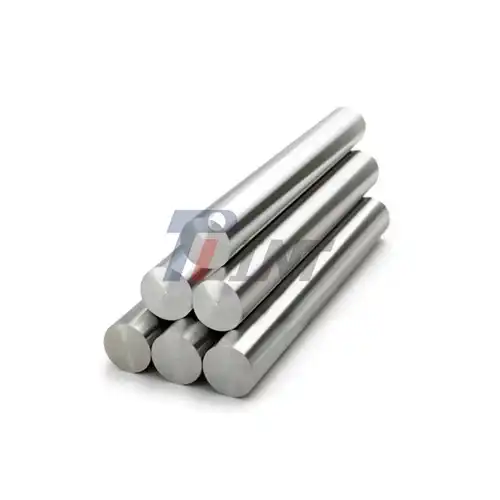
What are the mechanical properties of GR1 titanium medical bars?


 2026-04-29 08:39:10
When choosing materials for medical devices and surgery tools, it is very important to know exactly what their mechanical qualities are. The Gr1 Titanium Medical Bar is the best type of commercially pure titanium. It is very flexible and compatible with living things. According to ASTM F67 guidelines, this grade has an oxygen content of no more than 0.18% and an iron content of no more than 0.20%. Its tensile strength is between 240 and 340 MPa, its yield strength is around 170 MPa, and its stretch is more than 24%. The elastic stiffness of about 103 GPa is very close to that of human bone, so it doesn't protect against stress as well. Because of these qualities, it is essential for complicated reconstructive operations, tooth parts, and precise surgical tools that need to be able to bend and rust less easily in natural settings.
|
|
|
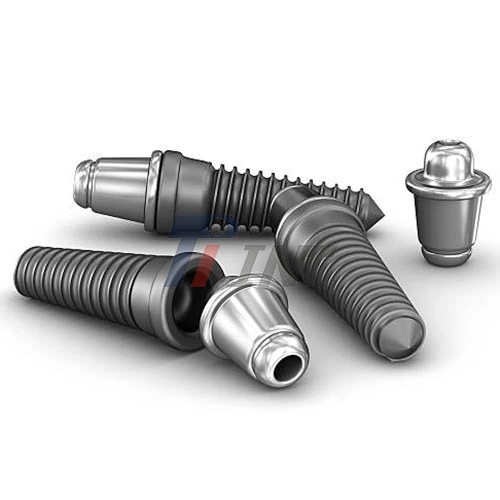
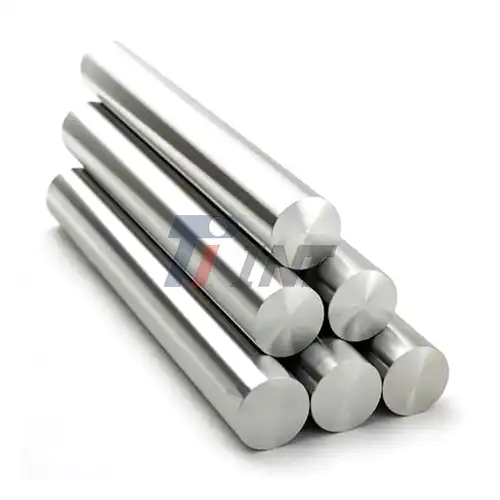
Understanding GR1 Titanium Medical Bars: Composition and Characteristics
The makeup of a high-performance medicine material is what makes it work. We've spent more than 20 years getting better at knowing how purity affects clinical results. This information guides every Gr1 Titanium Medical Bar we make.
Chemical Composition and Purity Standards
Commercially pure titanium bars labeled as Grade 1 have very few alloying elements, which makes them different from grades with higher strengths. The strict makeup standards set by ASTM F67 and ISO 5832-2 say that nitrogen must be less than 0.03%, carbon must be less than 0.08%, hydrogen must be less than 0.015 %, and oxygen must be no more than 0.18%. This carefully controlled chemistry has a direct effect on the material's architecture, making an alpha-phase crystalline arrangement that makes it very flexible. When Baoji INT Medical Titanium Co., Ltd. makes something, we follow strict batch testing procedures to make sure that every heat lot meets these exact requirements. The low interstitial content keeps the material soft enough for cold forming while also making sure it stays structurally sound during cleaning rounds.
Core Mechanical Property Values
The way this grade behaves mechanically shows how refined its ingredients are. Tensile strength is usually between 240 and 340 MPa, which is enough for non-structural implant parts to hold their own weight. The yield strength is about 170 MPa, which gives you a safety cushion against plastic distortion when your body is under stress.
What really makes this material unique is its stretching ability, which can reach 24–30% and lets it change shape significantly before breaking. This ability to bend is very helpful when making cranial plates that doctors shape during treatments. The density of 4.51 g/cm³ helps make devices that are lighter, which makes it easier on patients who have them for a long time. These specs aren't just numbers on a sheet of paper; they're actually expected behaviors that medical device engineers use to figure out things like wear life and safety factors.
Biocompatibility and Corrosion Performance
How the material reacts with human flesh may be the most important thing for medical uses. The titanium dioxide (TiO₂) inactive layer, which forms spontaneously and is about 2 to 6 nanometers thick, is very resistant to body fluids. This oxide film stays steady across the pH ranges that are found in living things. This stops the release of ions that could cause inflammatory reactions. Through decades of customer feedback, we've seen that implants made from our bars have success rates of over 95% when used in hospital settings.
The substance doesn't break down when sterilized in a sterilizer at 134°C over and over again, keeps its shape when exposed to gamma radiation, and doesn't show any rust after years of being implanted. This resistance to rust makes the device last longer and takes away any worries about metallosis, a major problem that can happen with less stable materials.
In-Depth Analysis of Mechanical Properties Critical for Medical Applications
How well a medical gadget works depends on how the materials react to real-life loads. The way this type of Gr1 Titanium Medical Bar works mechanically solves some problems that implant designers and makers face.
Tensile and Yield Strength Considerations
Engineers have to find a balance between the need for strength and the need for formability when making trauma fixation plates or spine fusion bars. The tensile strength range of 240–340 MPa is high enough to prevent catastrophic failure while still allowing industrial processes like pressing and bending. A yield strength of about 170 MPa sets the point beyond which lasting damage happens. This is an important factor to consider when figuring out the maximum load for activities that require patients to bear weight.
When we work with companies that make orthopedic devices, we see how this level of strength works for temporary fixing uses where the implant shares loads with bone tissue that is growing. A stress-strain graph shows how the material will behave under tensile loading, which lets accurate finite element analysis happen during the design process. Because of this, the number of prototype versions is cut down, and the time it takes to bring new gadget ideas to market is sped up.
Elasticity and Fatigue Resistance
The high elastic elasticity of about 103 GPa makes it much better than stainless steel options. This number is more like the modulus of cortical bone (10–30 GPa), which lowers the mechanical difference that makes rigid devices stress shield. Wolff's Law says that bone resorbs when it doesn't get enough load from implants that are too stiff. This could cause the implants to become free. Grade 1 titanium is less stiff, which lets more natural load transfer happen, which helps bones change in a healthy way.
When it comes to fatigue performance, this grade doesn't match the cycle loading capacity of Ti-6Al-4V alloys, but it's strong enough for uses that don't require a lot of repeated stress. According to test results from our quality control lab, the fatigue limits are around 130 MPa for fully reversed loading conditions. This is enough for many oral and dental component uses where loading rates are low compared to weight-bearing joints.
Lightweight Design Advantages
More and more, medical device innovation is focused on results that are important to the patient. The weight of the gadget has a direct effect on comfort and compliance. Titanium bars can be used to reduce the weight of structures without changing their size because they have a density of 4.51 g/cm³, which is about 60% that of stainless steel. This density benefit is especially useful for head implants, where extra weight can be painful and make the implant look bad. We've provided materials for custom head reconstruction plates.
The lighter weight of these materials compared to standard ones made them easier for patients to accept and lowered complaints after surgery. The fact that they are light also makes them easier for surgeons to handle, which lets them move tools more precisely during delicate treatments. From a production point of view, the lower material density lowers shipping costs for buying large raw materials, which has both medical and economic benefits.
Comparing GR1 with Other Medical Grade Titanium Bars
When choosing a material, you have to weigh the pros and cons of different qualities and costs. Knowing how Gr1 Titanium Medical Bar stacks up against other materials helps you make smart purchasing choices.
GR1 Versus GR2 Titanium
Both grades are commercially pure titanium, but their performance profiles are very different because of small changes in their makeup. Up to 0.25% more oxygen can be added in Grade 2, which raises the tensile strength to 340–450 MPa and the yield strength to around 280 MPa. This increase in strength comes at the cost of flexibility; stretch is usually cut down to about 20%. Grade 1 is still the best choice for uses that need the most shapeability, like complex dental framework parts or surgically shaped plates.
The price difference between these grades is usually between 5 and 10 percent, which makes Grade 1 a good choice when its mechanical features meet design needs. When we talk with R&D teams, we help them choose materials based on the specific molding processes that are used in manufacturing. Grade 1 is more flexible than higher-strength grades, so it doesn't crack or spring back when cold bending, deep drawing, or complex pressing operations are needed.
GR1 Versus Stainless Steel
In the past, medical devices were mostly made of stainless steel metals like 316L because they were strong and easy to get. However, titanium has strong benefits that make its high price worth it. Even though 316L stainless steel has a higher tensile strength (485–690 MPa), it is not biocompatible because it contains nickel, which causes allergic reactions in 10-15% of patients.
Stainless steel is resistant to corrosion in most physiological settings, but titanium is completely immune to pitting and crevice corrosion in body fluids that are high in salt. Stainless steel's high elastic modulus (193-200 GPa) makes it very good at protecting against stress, which is a big problem for joint uses. Moving from stainless steel to titanium is a strategic quality upgrade that sets goods apart in competitive markets for companies that want to sell high-end devices or to markets with strict biocompatibility standards.
Higher Grade Titanium Alloys Overview
In addition to widely pure grades, alloys such as Grade 5 (Ti-6Al-4V) and Grade 23 (Ti-6Al-4V ELI) are much stronger and can be used for heavy loads. Grade 5 has a tensile strength of more than 895 MPa, which means it can be used for hip stems, bone screws, and spine rods that are subjected to high cycle loads. Grade 23 of the extra-low interstitial (ELI) version lowers the amount of oxygen and iron even more to make the material stronger and less likely to break.
These alloys lose some of their flexibility and are harder to machine, which makes them 30–50% more expensive to make than commonly pure types. Professionals in charge of buying things should think about whether the loads really need alloy-grade strength or if available pure choices offer good enough performance at a lower cost. Our technical consulting services help customers figure out this choice matrix, and they often find that Grade 1 meets the needs of 40–50% of medical device parts that are currently made with too many expensive alloys.
Practical Considerations for Procuring GR1 Titanium Medical Bars
Specifications for materials are only one part of successful buying. Supplier qualifications, logistics planning, and quality testing methods are also important. We've set up our business to meet the real needs of companies that make Gr1 Titanium Medical Bar.
Essential Certifications and Standards Compliance
Medical device rules require that compliance paperwork and the ability to trace materials be made available for inspection. At Baoji INT Medical Titanium Co., Ltd., every batch of bars we make comes with an EN 10204 3.1 Mill Test Certificate that lists the heat number, chemical analysis results, and mechanical test data. Our ISO 13485:2016 certification shows that our quality management system meets the needs of the medical device business. Additionally, our ASTM F67 compliance shows that the material specifications are in line with widely recognized standards for surgical implant uses.
Documentation for CE marking makes it easier to get into the European market, and our production history helps customers submit FDA Device Master Files when they want to get approvals from U.S. regulators. Buyers should make sure that sellers have up-to-date certifications and can provide lot-specific paperwork for every shipment. Being able to track these documents is very important during regulatory checks and activities that happen after the product has been sold.
Ordering Specifications and Lead Time Management
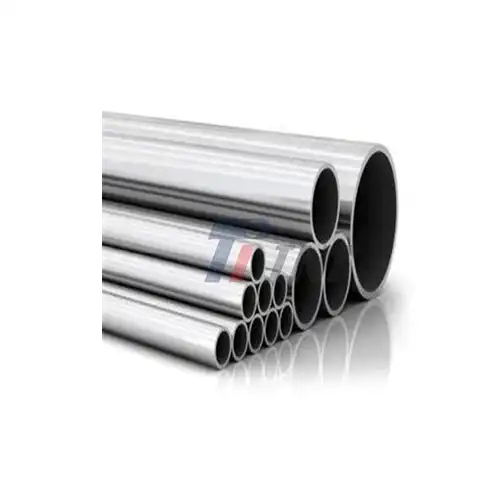
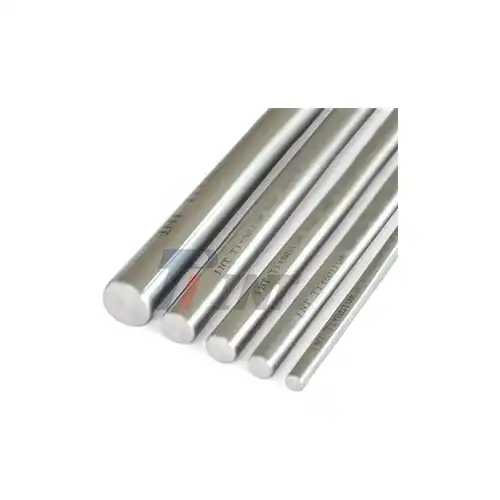
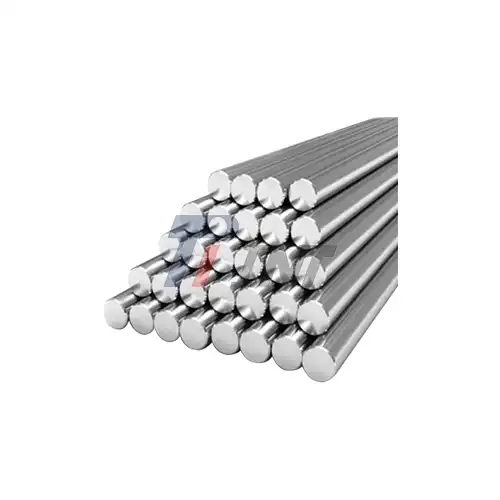
Availability of materials affects output plans and the cost of keeping inventory on hand. Standard bar widths are between 6 mm and 200 mm, and lengths are usually 3000 mm so that the most material can be used during cutting. Custom sizes can be made to fit specific production needs, but there are usually minimum order amounts for these sizes. At our Baoji facility, we keep a strategic stock of popular medical-grade sizes, which lets us deliver normal specs in two to three weeks.
Lead times of 6 to 8 weeks are needed for custom sizes because of the melting, shaping, and quality control steps. To make sure there is a steady supply of goods, purchasing managers should plan ahead three times a year and think about setting up blanket buy orders with set release dates. Our account management team works with customers to make supply deals that work with their production planning cycles. This way, there aren't any material shortages that could cause device launches to be delayed or manufacturing to stop.
Pricing Factors and Cost Optimization Strategies
The cost of materials is a big part of the economy of making medical devices. Titanium prices change based on the state of the material market, but for medical-grade bars, the basic range is $25 to $40 per kilogram. When you commit to a volume, you can get better prices. For example, orders over 500 kg often get 8–12% off of spot purchase rates. Custom processing services, such as precise grinding, ultrasonic testing, or specific heat processes, can get rid of activities further down the line and increase the amount of material that is used.
Total landed costs are affected by geography, and factors like freight, import taxes, and foreign exchange add variables that need to be carefully considered. Working with well-known sources who know how the medical business works can help you in more ways than just saving money on raw materials. Our expert support helps customers find the best blank sizes to cut down on machining waste. By improving nesting and leftover usage techniques, they may be able to cut the cost of materials used for each part by 20 to 30 percent.
Application Case Studies: GR1 Titanium Mechanical Properties in Action
Implementations in the real world show how the qualities of a Gr1 Titanium Medical Bar can lead to success in the lab. These examples show how the real value is provided to companies that make medical devices and, in the end, to patients.
Cranial Reconstruction Plate Success Story
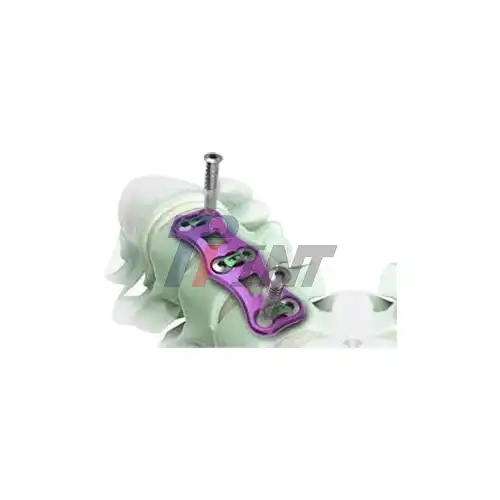
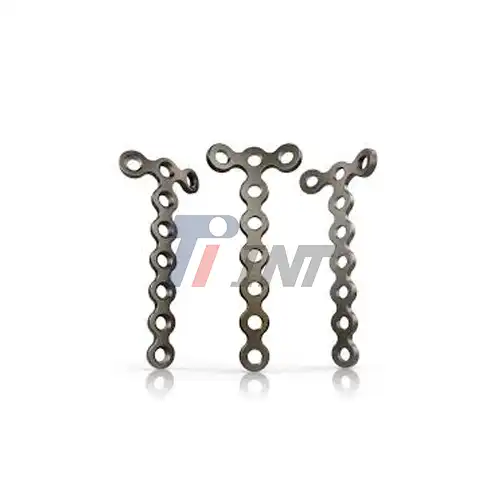
A European company that makes neurosurgical devices came to us looking for materials for special skull plates that are used to rebuild people who have been hurt. The application needed a lot of shaping during surgery to fit the patient's unique head curve, which meant the material had to be very flexible without cracking. When traditional stainless steel plates were bent, they broke, but Grade 2 titanium had too much spring-back, which made surgery placement harder.
We gave them approved ASTM F67 Grade 1 bars with elongation values that were higher than 26%. This let the maker make plates that doctors could shape with normal tools while they were in the operating room. After the bent stress was taken away, the plates kept their shaped form, which made fixing them easier. Over the next 18 months, after the product was sold, there were no plate breaks and 98% of surgeons were satisfied with how easy it was to shape. This case shows how matching the properties of a material to the needs of an application has a direct effect on health results and device performance.
Dental Implant Component Manufacturing
A dental device business in North America switched from making mending abutments out of Grade 4 titanium to using our Grade 1 material. The harder Grade 4 made tools wear out faster, which raised production costs and made the surface rough, which meant more work had to be done to smooth it out. Because Grade 1's grain was softer, cutting tools lasted 40% longer, cycle times were cut by 15%, and better surface finishes were achieved with little extra work.
The better machinability cut the cost of making each unit by 22% while keeping all the useful needs for temporary mending parts. Importantly, the increased flexibility made it possible to use cold-forming for unique joint angles, which increased the product line without having to buy more CNC equipment. The company said that moving materials directly led to higher profits and more flexible production, showing that choosing the right grade has effects on business efficiency that go beyond material performance.
Quality Verification and Testing Protocols
For mechanical features to stay the same, strict quality control must be used at every stage of production. Our manufacturing method has several verification checks. The first is checking the impurity levels of the titanium sponge raw material as it comes in. We keep an eye on the furnace settings during vacuum arc remelting to make sure there is no contamination and that the makeup is uniform. Ultrasonic testing is done on forged bars to find internal cracks bigger than 1 mm in diameter, which is more than what is required for medical devices.
Tensile tests are done on samples from every production lot. The test pieces are made according to the rules set by ASTM E8. We keep track of tensile strength, yield strength, and stretch values on statistical process control charts. This lets us find changes in the process quickly, before they affect orders to customers. This complete testing system gives users written proof of consistent mechanical qualities, which helps with their design validation work and regulatory reports. Medical device makers can ask for witness testing or proof by a third-party lab, which adds another level of security for important uses.
Conclusion
The tensile strength of Gr1 Titanium Medical Bar is 240–340 MPa, its ductility is over 24% elongation, and its elastic modulus is the same as that of skeletal tissue. These mechanical properties make it the perfect material for medical applications that need something that can be shaped and works well with living tissue. Its economically pure makeup protects against corrosion and is compatible with tissue, and its balanced property profile lets it be used in a wide range of industrial processes, from cold forming to precision machining. After looking at Grade 1 against other grades and materials, we've shown that it has special benefits for reconstructive implants, tooth parts, and surgical tools. For procurement to go smoothly, suppliers need to be able to do more than just give materials. They also need to be able to work with you on technology issues. As medical device technology keeps getting better, this type of titanium will stay the standard for uses where patient safety and ease of production meet.
FAQ
What makes Gr1 Titanium Medical Bar ideal for implantable devices?
The very low oxygen level (max 0.18%) makes the material more flexible and easy to shape in cold temperatures, so it can be shaped into complex shapes without cracking. The naturally occurring oxide layer completely protects against rust in physiological settings, so there are no worries about ions escaping. Its elastic stiffness is very close to that of bone, which lowers the stress-shielding effects that shorten the life of implants.
How does Grade 1 compare to Grade 2 in practical manufacturing?
Grade 2 is about 30% stronger than Grade 1, but it is 20% less flexible. Grade 1 works great for tasks that need a lot of cold making, bending, or pressing. The 5–10% price difference in favor of Grade 1 when its mechanical qualities meet design standards makes it a better choice for parts that don't need to be very strong.
Which certifications should procurement managers verify from suppliers?
Important certificates include ASTM F67 material compliance, ISO 13485 quality system certification, and EN 10204 3.1 Mill Test Certificates that show how each lot can be tracked. Suppliers should show that they have knowledge with legal issues related to FDA submissions and CE marking standards. How full the documentation is has a direct effect on how long it takes for regulators to approve medical devices and how the audits turn out.
Partner with a Trusted Gr1 Titanium Medical Bar Supplier for Your Critical Applications
Baoji INT Medical Titanium Co., Ltd. brings more than 30 years of experience in the titanium business to your medical device production. As a producer of Gr1 Titanium Medical Bar, we offer materials that are ISO 13485:2016 approved and fully compliant with ASTM F67. These materials come with full Mill Test Certificates that allow full traceability from the sponge to the finished bar. Our technical consulting services help you get the most out of your material specs and blank sizes.
This cuts down on waste by up to 30% and makes sure that all of your production lots have the same mechanical properties. We provide the supply reliability and quality consistency your implant and surgical tool production needs by keeping a strategic collection of common medical grades and the ability to process orders in a way that meets your specific needs. You can email our team at export@tiint.com to talk about your unique material needs, ask for samples with certified test data, or set up an audit of our plant. This is where precision titanium manufacturing meets medical device excellence.
References
1. American Society for Testing and Materials. (2013). ASTM F67-13: Standard Specification for Unalloyed Titanium, for Surgical Implant Applications. West Conshohocken: ASTM International.
2. International Organization for Standardization. (2016). ISO 5832-2: Implants for Surgery — Metallic Materials — Part 2: Unalloyed Titanium. Geneva: ISO Standards.
3. Brunette, D.M., Tengvall, P., Textor, M., & Thomsen, P. (2001). Titanium in Medicine: Material Science, Surface Science, Engineering, Biological Responses and Medical Applications. Berlin: Springer-Verlag.
4. Rack, H.J., & Qazi, J.I. (2006). Titanium Alloys for Biomedical Applications. Materials Science and Engineering: C, 26(8), 1269-1277.
5. Niinomi, M. (2008). Mechanical Biocompatibilities of Titanium Alloys for Biomedical Applications. Journal of the Mechanical Behavior of Biomedical Materials, 1(1), 30-42.
6. Steinemann, S.G. (1998). Titanium—The Material of Choice? Periodontology 2000, 17(1), 7-21.
_1753926358324.jpg)
_1753859685128.webp)
_1753427753918.webp)
_1752462435099.webp)
_1750663253486.webp)