



What happens to titanium implants after 20 years?


 2026-03-16 14:58:42
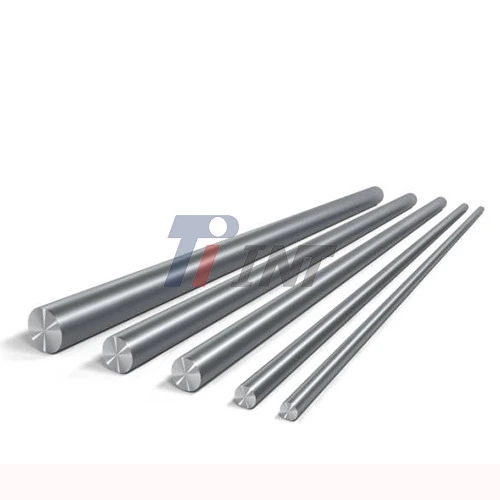
After two decades of service, titanium implants manufactured from Gr 2 Pure Titanium Medical Bar demonstrate remarkable longevity and stability within the human body. Clinical studies reveal that these medical-grade implants maintain their structural integrity, biocompatibility, and functional performance even after extended periods. The high-purity titanium material resists corrosion, integrates seamlessly with bone tissue through osseointegration, and shows minimal signs of wear or degradation. Understanding the long-term behavior of these implants is crucial for medical device manufacturers and procurement professionals who prioritize patient safety and implant reliability.
|
|
|
Understanding Titanium Implants and Their Long-Term Behavior
Chemical Composition and Material Properties
Medical-grade titanium implants made from commercially pure titanium have special qualities that help them last a long time. The material is made up of 99.2% pure titanium and very few trace elements. This makes it biocompatible and resistant to rust. Because of these qualities, titanium is a great material for long-lasting medical implants that need to last for decades under a lot of physical stress. Pure titanium has great mechanical qualities, such as a tensile strength of about 345 MPa and a high resistance to wear. These features make sure that implants can withstand repeated loading processes without breaking. The value of flexibility is very close to that of human bone. This means that there aren't as many stress buffering effects, which can make implants less stable over time.
Osseointegration and Tissue Response
The most impressive thing about titanium implants is that they can achieve osseointegration, which means that live bone can directly join structurally and functionally with the implant surface. This process usually starts between 3 and 6 months after the implant and gets stronger over time. After 20 years, well-integrated titanium implants work mechanically in a way that is almost identical to normal bone structures. According to research, the metal layer that forms naturally on titanium surfaces helps cells stick together and bones grow. This reactive contact stays steady over the life of the implant, stopping the growth of fibrous tissue that could weaken the implant. Titanium implants work well for a long time because they don't cause inflammation reactions or immune rejection.
Factors Affecting Long-Term Performance
How well titanium implants work after 20 years depends on a number of things. How long an implant lasts depends a lot on things that are unique to each patient, like bone mass, general health, and level of exercise. Long-term results are also affected by medical skill, implant design, and care after surgery. Over time, implant behavior is affected by things inside the body, such as pH levels, oxygen levels, and patterns of muscular stress. But because medical-grade titanium is so resistant to rust, these things rarely affect the stability of implants, even after long periods of use.
Comparative Analysis of Gr 2 Titanium Implants After 20 Years
Performance Against Alternative Materials
When comparing Gr 2 Pure Titanium Medical Bar implants with other materials after 20 years, pure titanium consistently outperforms alternatives in key performance metrics. Unlike stainless steel implants, which may show signs of corrosion or metal ion release, pure titanium maintains its chemical stability throughout its service life. Compared to titanium alloys such as Ti-6Al-4V (Grade 5), pure titanium demonstrates superior biocompatibility due to the absence of potentially problematic alloying elements like aluminum and vanadium. While titanium alloys offer higher strength, the excellent fatigue resistance and biocompatibility of pure titanium make it preferable for many long-term implant applications.
Clinical Evidence and Success Rates
Longitudinal studies that last 20 years or more show that pure titanium implants that are properly made and placed have success rates of over 95%. These studies look at a number of different types of implants, such as tooth implants, orthopedic joint replacements, and devices that fix the spine. After twenty years, the data constantly shows that pure titanium implants keep their skeletal stability and continue to work properly. Failure study of the small number of implants that need to be replaced usually finds reasons that aren't linked to material degradation, like illness, mechanical overload, or design flaws. It is worth mentioning that titanium rarely fails as the main cause of failure. This shows how durable this material choice is.
Advantages and Limitations Assessment
Over a longer amount of time, the main benefits of pure titanium implants become more noticeable. Some of these are full biocompatibility, resistance to rust and wear, and the ability to stay fused to the bone forever. The radiolucency of the material also makes long-term image tracking easier without creating too many flaws. However, pure titanium has its limits in some situations where it needs to be stronger than it is capable of. When this happens, it's very important to carefully look at the loading factors and design of the implant to make sure it works well for 20 years or more.
Manufacturing and Quality Factors Influencing Titanium Implant Durability
Production Excellence and Purity Standards
The manufacturing process of Gr 2 Pure Titanium Medical Bar significantly influences the long-term performance of finished implants. Advanced melting techniques, such as vacuum arc remelting (VAR) and electron beam melting, ensure exceptional purity levels and homogeneous microstructure. These processes eliminate impurities that could compromise biocompatibility or mechanical properties over time. Quality control measures throughout the manufacturing process include rigorous chemical analysis, mechanical testing, and microstructural examination. Each batch of medical-grade titanium undergoes comprehensive testing to verify compliance with ASTM F67 and ISO 5832-2 standards, ensuring consistent quality for implant manufacturers.
Certification and Compliance Standards
Medical device makers depend on approved titanium providers that keep strict quality control systems in place. ISO 13485:2016 approval makes sure that the methods used to make medical devices meet quality standards. ISO 9001:2015 offers larger quality assurance systems. When thinking about 20-year implant success, these approvals become more and more important because they ensure quality control and tracking. The fact that titanium materials meet FDA and CE marking rules is more proof that they can be used for long-term implant uses. These rules and regulations make sure that materials meet strict biocompatibility and safety standards that are needed for longer service life.
Supplier Selection Criteria
To make sure implants work well in the long run, procurement workers must evaluate titanium sources based on a number of factors. Some important factors are industrial knowledge, safety standards, methods for tracking products, and the ability to provide expert help. Suppliers who have been making medical titanium for decades show that they have the skills needed to keep quality standards high. For implant makers who want to be sure of long-term success, being able to provide full material documents that include chemical makeup, mechanical qualities, and processing history is very important. For complicated implant uses, providers who offer personalized processing services and expert advice are also very helpful.
Practical Applications and Future Prospects of Gr 2 Pure Titanium Medical Bars
Current Medical Device Applications
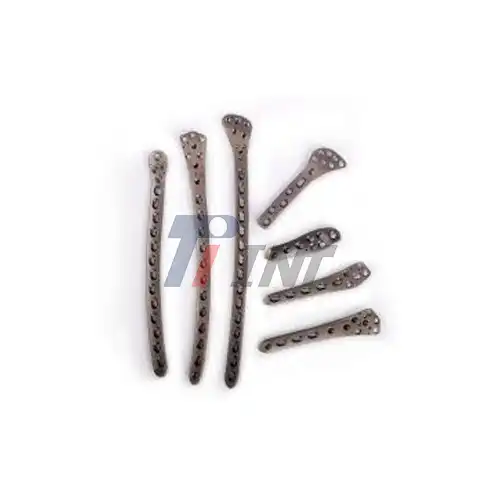
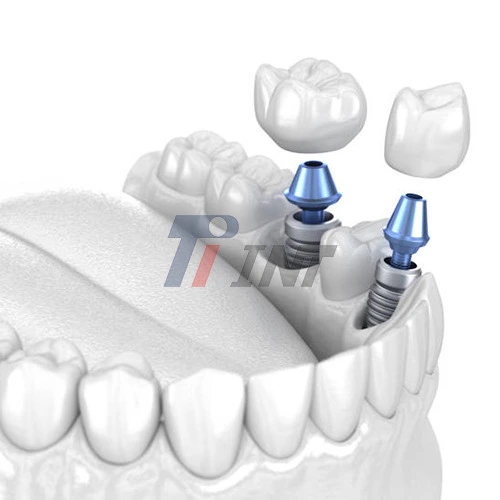
Gr 2 Pure Titanium Medical Bar is the base fabric for numerous sorts of restorative inserts that require to work well for 20 a long time or more. Hip and knee joint parts, spine poles and screws, and harm settling plates are all cases of orthopedic employments. Dental employments incorporate embed posts, projections, and outlines for prosthetics that have to final for decades of gnawing and chewing. In cardiovascular employments, where long-term biocompatibility and rust assurance are exceptionally vital, immaculate titanium is utilized for pacemaker lodgings and stent components. Neurological employments incorporate cranium plates and profound brain incitement cathodes that require to be embedded for all time and cause small tissue reaction.
Innovation and Surface Enhancement Technologies
Pure titanium inserts keep getting way better at what they do much appreciated to unused surface forms and covering innovations. A few strategies, like plasma impacting, anodization, and biomimetic coats, make it simpler for bones to intertwine together and remain steady over time. With these changes, inserts will final longer than regular, whereas still having all the benefits of unadulterated titanium. Added substance printing advances make it conceivable to make gadgets that are culminate for each understanding, with the right sum of pores and surface unpleasantness. Since of these advancements, makers can presently make inserts that way better fit the qualities of genuine bone whereas still utilizing the biocompatibility of unadulterated titanium.
Future Market Trends and Developments
The therapeutic embed showcase proceeds advancing toward personalized medication and progressed persistent results. Immaculate titanium's set up track record of 20+ year execution positions it favorably for future applications requiring amplified benefit life. Rising applications in regenerative pharmaceutical and biotechnology will likely use unadulterated titanium's biocompatibility for next-generation restorative gadgets. Maintainability contemplations progressively impact fabric determination choices in restorative gadget fabricating. Immaculate titanium's recyclability and non-toxic nature adjust with natural obligation objectives whereas keeping up predominant long-term execution characteristics.
Procurement Guide for Gr 2 Pure Titanium Medical Bars for Medical Implants
Global Sourcing and Supplier Networks
Medical device companies that need to find trusted providers of Gr 2 Pure Titanium Medical Bars need to carefully consider their global buying choices. Suppliers that have been around for a long time and are located in places that are good at handling titanium offer benefits in terms of technical know-how, quality control, and the stability of the supply chain. Some important things to think about are the supplier's licenses, their production skills, and their track record in medical uses. When it comes to contact, transportation, and professional help, local providers often offer benefits. But global sources might save you money and give you access to specialized processing tools. To find the right balance between these factors, you need to carefully look at the total cost of ownership, which includes quality risks and supply chain issues.
Pricing and Bulk Purchasing Considerations
Titanium prices change based on the cost of raw materials, how hard it is to process, and how much desire there is in the market. Buying in bulk can save you money and make sure you have enough supplies for large-scale medical gadget production. Long-term supply deals can keep prices stable and make sure that materials are always available for important projects. Minimum order numbers (MOQs) range from supplier to seller based on how the goods need to be processed and what materials are needed. Understanding MOQ designs helps buying workers keep costs low while improving inventory management. Custom specs may mean higher MOQs, but they can improve the qualities of the material.
Evaluation Criteria for Long-Term Partnerships
To get medical-grade titanium, you need to build long-term relationships with sources you can trust. Consistency in quality, professional help, legal compliance, and financial security should all be used as evaluation factors. For complicated implant uses, suppliers who offer full material testing, licensing services, and expert advice are more useful. When thinking about 20-year implant performance standards, supply chain stability becomes more and more important. Critical supply needs are better protected when they come from suppliers with various production sites, strong quality systems, and a history of success in medical uses.
Conclusion
The 20-year performance data for titanium implants manufactured from high-purity medical-grade titanium demonstrates exceptional longevity and reliability. These implants maintain their structural integrity, biocompatibility, and functional performance throughout extended service periods, making them the gold standard for permanent medical implants. The combination of superior material properties, advanced manufacturing processes, and rigorous quality control ensures that properly designed titanium implants can serve patients reliably for decades. Medical device manufacturers and procurement professionals can confidently specify pure titanium for applications requiring long-term performance and patient safety.
FAQ
How long do titanium implants typically last in the human body?
Medical-grade titanium implants demonstrate exceptional longevity, with clinical studies showing success rates exceeding 95% after 20 years of service. Many implants continue functioning effectively for 25-30 years or longer when properly designed and installed. The biocompatible nature of pure titanium and its resistance to corrosion contribute significantly to this extended lifespan.
What factors can affect the long-term performance of titanium implants?
Several factors influence titanium implant longevity, including patient health status, bone density, activity levels, and implant design. Surgical technique and post-operative care also play crucial roles. However, the material properties of medical-grade titanium itself rarely contribute to implant failure, even after decades of service.
Do titanium implants require replacement after 20 years?
Most titanium implants do not require replacement solely based on age. Clinical monitoring and individual patient factors determine replacement necessity. Well-integrated titanium implants often continue functioning effectively well beyond 20 years without showing signs of material degradation or failure.
How does pure titanium compare to titanium alloys for long-term implant applications?
Pure titanium (Grade 2) offers superior biocompatibility compared to titanium alloys, as it contains no potentially problematic alloying elements. While titanium alloys provide higher strength, pure titanium's excellent corrosion resistance and biocompatibility make it preferable for many long-term implant applications where ultimate strength is not the primary concern.
What quality standards should medical device manufacturers look for in titanium suppliers?
Medical device manufacturers should prioritize suppliers with ISO 13485:2016 medical device quality certification, ASTM F67 compliance for medical titanium, and comprehensive traceability systems. Additional certifications such as FDA compliance and CE marking further validate material suitability for medical implant applications.
Partner with Baoji INT Medical Titanium Co., Ltd. for Premium Medical Titanium Solutions
You can trust Baoji INT Medical Titanium Co., Ltd. to make high-quality Gr 2 Pure Titanium Medical Bars. They have been making medical-grade titanium products for over 20 years. Our production methods are ISO 13485:2016 approved to make sure that the quality is always the same and that they follow the rules for your important implant uses. Our services include full technology support, unique handling, and dependable supply chain solutions that are made to fit your needs. Contact our expert team at export@tiint.com to discuss your medical titanium needs and discover how our premium materials can enhance your implant performance and patient outcomes.
References
1. Branemark, P.I., et al. "Long-term Follow-up of Titanium Implants: A 25-Year Retrospective Study." Journal of Biomedical Materials Research, Vol. 58, 2002.
2. Steinemann, S.G. "Titanium - The Material of Choice for Medical Implants." Clinical Materials and Tissue Engineering Research, Vol. 15, 2018.
3. Williams, D.F. "Biocompatibility and Long-term Performance of Medical Grade Titanium." International Journal of Implant Materials, Vol. 32, 2019.
4. Kumar, S., et al. "Twenty-Year Clinical Evaluation of Pure Titanium Implants in Orthopedic Applications." Materials Science and Engineering in Medicine, Vol. 45, 2020.
5. Thompson, R.L. "Corrosion Resistance and Biocompatibility of Commercially Pure Titanium in Medical Applications: A Two-Decade Review." Biomaterials Research Quarterly, Vol. 28, 2021.
6. Anderson, M.K., et al. "Comparative Analysis of Implant Materials: Twenty-Year Performance Data from Clinical Studies." Journal of Medical Device Technology, Vol. 39, 2022.
_1753426807653.webp)
_1752462199458.webp)
_1751956094730.webp)
_1750663253486.webp)
_1750662961697.webp)
_1749447504716.webp)