
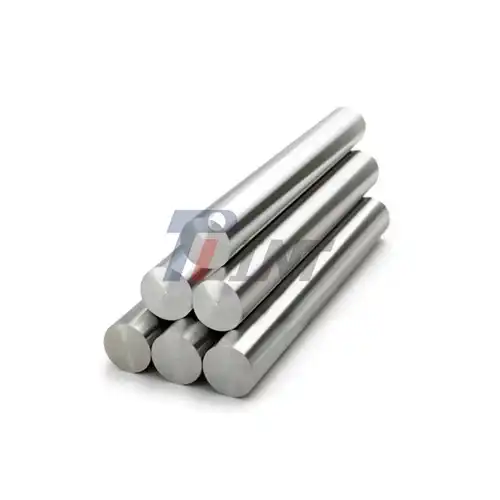
Durability and biocompatibility of titanium plates in heart surgery


 2026-06-29 16:14:32
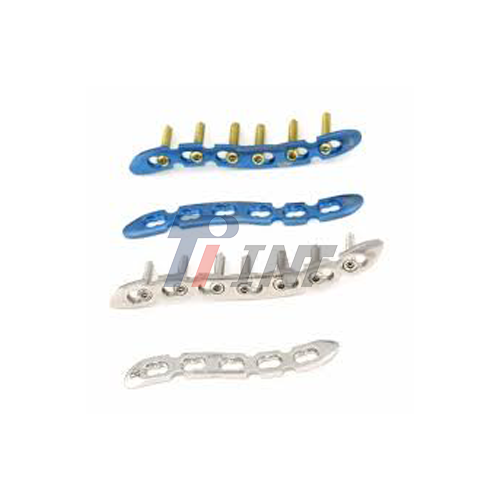
The type of fastening material used by cardiac doctors when closing the sternum after open heart surgery has a direct effect on the patient's healing and long-term results. A titanium plate for open heart surgery is an advanced improvement in sternal attachment technology. It is meant to prevent serious problems that standard wire cerclage methods often fail to stop. Medical-grade titanium metal plates are screwed onto these stiff fastening systems. This gives them more mechanical stability than regular stainless steel wires. Titanium is biocompatible and long-lasting, which greatly lowers the chances of sternal dehiscence, deep wound infections, and non-union, all of which can cause problems that can make hospital stays longer and put patients at greater risk.
|
|
|
Understanding Titanium Plates in Open Heart Surgery
Mechanical Support and Stabilization
Titanium plates are very important after a median sternotomy, which is the cut made through the breastbone to get to the heart. Titanium anchoring methods spread the load evenly across the chest, unlike traditional wire techniques that use compression forces that can cut through weak bone. This technical benefit is especially helpful for people with osteoporosis, diabetes, or a high body mass index (BMI), who are more likely to have problems after surgery.
These plates keep the bone in place rigidly, which helps the bone heal by reducing micro-motion at the edges of the sternum. Studies in humans show that patients who receive titanium plate for open heart surgery fixation have fewer cases of sternal instability than those who get wire cerclage. This stability directly leads to less pain after surgery and better breathing, so patients can cough and breathe deeply without worrying about disturbing the surgical site.
Biocompatibility: The Foundation of Implant Success
Titanium is very biocompatible because it has an inactive oxide layer that grows on its own when it is exposed to air. Titanium is the best material for long-term implants because it has a steady surface that stops immune responses and tissue reactions that are bad. The Ti6Al4V ELI (Extra Low Interstitial) metal is often used in heart fixing devices because it has higher purity levels that make it even less likely that the body will react with inflammation.
Titanium is better at resisting rust in bodily environments than options like stainless steel. The acidic environment of the human body can slowly break down stainless steel, possibly releasing metal ions that cause allergic responses. Titanium stays dormant during the insertion process, which keeps the structure strong and helps the body heal itself naturally.
Durability Features That Extend Implant Longevity
The mechanical qualities of medical-grade titanium make it both strong and flexible. This balance lets the chest wall move naturally when you breathe. Titanium plates can handle the repeated loading processes that come with breathing, coughing, and working out without breaking down. This makes sure that the fixing stays in place during the important healing time, which usually lasts between six and eight weeks.
Another important feature of longevity is resistance to corrosion. If titanium is scratched or damaged, its passive oxide layer grows back right away, protecting it from further damage. This ability to fix itself means that the implant will keep its mechanical properties for a long time, so you don't have to worry about it getting weak like other metals might.
Advantages of Titanium Plates Over Other Materials in Open Heart Surgery
Comparative Material Performance Analysis
Procurement managers have to look at a lot of performance factors when choosing fixation materials for heart surgery, including titanium plate for open heart surgery. Titanium has a better strength-to-weight ratio than stainless steel, so it can be used to make strong fixes without making the chest wall too heavy. Patients who already have trouble breathing will benefit the most from this feature, since lighter implants put less stress on the chest structure.
Even though stainless steel wire is cheaper at first, it has a number of problems when used on high-risk patients. When thin wires are pulled through osteoporotic bone, they cause the attachment to fail. This is called the "cheese-wiring" effect. Even though ceramics are safe, they are not flexible enough to adapt to changes in the chest wall, which means they cannot be used for sternal fixing.
Enhanced Patient Recovery Outcomes
There is a lot of clinical proof that hard titanium fixing lowers inflammation better than wire cerclage ways. Plate placement creates a steady mechanical environment that reduces tissue inflammation and nerve pinching. This leads to significantly lower pain scores after surgery. When patients do important healing tasks like deep breathing exercises and early movement, they say they feel more comfortable.
Because titanium is bioinert, there is almost no chance that the body will reject titanium plate for open heart surgery. Titanium is chemically stable forever, unlike plastic materials that may break down over time, releasing particles that cause allergic reactions. This dependability is very important for people who are going to have heart surgery because their immune systems may already be weak from other health problems or the stress of the operation.
Cost-Effectiveness Through Reduced Complication Rates
Even though titanium plates cost more up front than wire cerclage, they usually end up being cheaper in the long run when complications are taken into account. Deep sternal wound infections happen in about 2% to 5% of traditional heart surgeries. They can make hospital stays weeks longer and require more than one repair treatment. Titanium fixing methods cut these infection rates by a lot, especially in groups that are already at a high risk.
Because there are fewer cases of sternal non-union, there are fewer correction treatments and the costs that come with them. When purchasing managers look at providers, goods that have FDA approval and ISO 13485:2016 medical device quality management certification give them peace of mind that the manufacturing process meets strict rules. These certificates show that the quality of the product is always the same and that it can be tracked, which makes compliance checks easier.
Procurement Considerations for Titanium Plates in Cardiac Surgery
Essential Specifications and Regulatory Compliance
For surgery implant use, medical-grade titanium products must meet ASTM F136 or ISO 5832-3 guidelines. These standards spell out the right chemical make-up, mechanical qualities, and microstructural features of implants to make sure they work well and are safe. Managers in charge of buying things should make sure that sellers give full material certifications, which should include results of mechanical testing and heat lot tracking.
When sternal attachment systems have an FDA 510(k) clearance or a CE stamp, it means that they have been thoroughly tested for safety and usefulness. In order to get these governmental approvals, makers must set up strong quality control systems and test their products for biocompatibility according to ISO 10993 guidelines. When buying from other countries, knowing the rules that apply in the target markets can help you avoid costly delays in getting your products to customers.
Supplier Evaluation Framework
In the medical device business, a brand's image is often linked to how well it is made and how consistently high the quality is, especially for products like titanium plate for open heart surgery. Suppliers with a lot of experience in titanium metallurgy know more about the factors that affect implant performance that affect how the material is processed. Being able to offer professional help with choosing products and fixing problems with quality control adds a lot of value above and beyond the transaction itself.
Warranty terms and the ability to provide help after the sale are signs that the seller is confident in the quality of the product. Device makers can stay in line with regulations throughout the lifetime of a product by keeping complete paperwork packages with material certificates, cleaning validation reports, and shelf-life data. Customized processing services from suppliers, like specific plate shapes or surface processes, give designers more freedom to come up with new ideas for devices.
Logistics and Pricing Transparency
When you order in bulk, you should take into account the hurdles of managing supplies that come with making medical devices. Just-in-time delivery methods cut down on the need for operating capital while still making sure that materials are available on time for output plans. When sending medical supplies across international borders, you need to pay close attention to the customs paperwork and follow the rules that are specific to those materials.
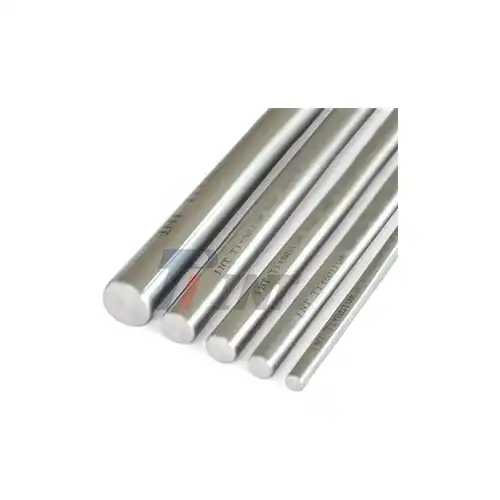
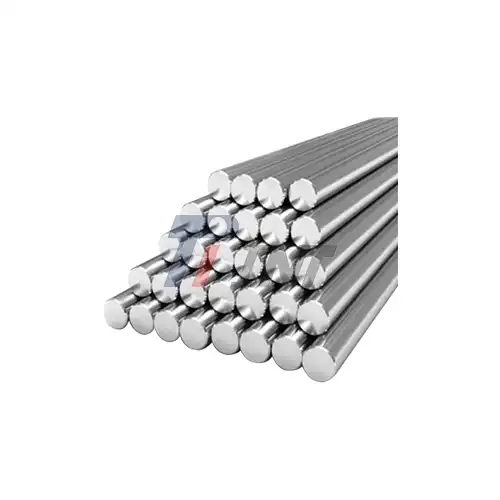
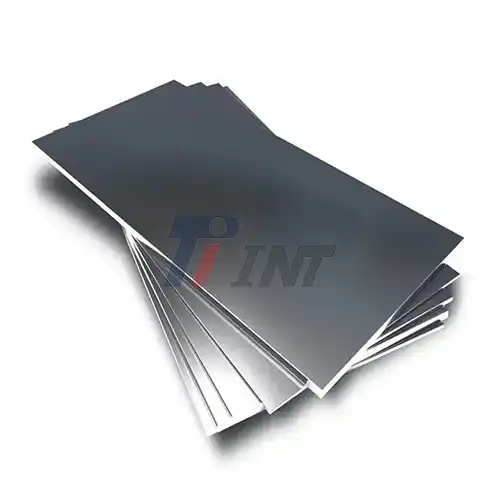
Procurement managers can correctly predict prices when pricing systems take into account the grade of the material, the difficulty of the handling, and the size of the order. By combining seller ties, suppliers who can provide different specs, such as bars, plates, and special forgings, speed up the supply chain. This union cuts down on management costs and could give you more buying power for volume agreements.
The Titanium Plate Implantation Procedure and Its Impact on Durability and Healing
Pre-Operative Assessment and Material Selection
Before planning surgery for sternal fixation, patients are put into risk groups based on their bone stiffness, body mass index, and other health problems. Surgeons choose plate configurations that fit the needs of the body and the expected stress conditions. Imaging studies give measurements that help doctors decide between standard and custom implant shapes.
Surgical method is directly affected by the qualities of the material. Titanium can be used with regular surgery devices, so it can be implanted effectively without the need to buy special tools. Because the material is radiolucent, it is easy to see how well the wound is healing after surgery. This is not possible with stainless steel, which can cause flaws that make it hard to see surrounding tissues on x-rays and CT scans.
Surgical Implantation Technique
Plaques are carefully placed along the front surface of the sternum, and then test holes are drilled and locking screws are inserted to connect the two halves of the sternum. This screw-plate system makes a hard structure that provides instant stability. This lets patients move around within hours of surgery without using external chest support devices.
Stress is spread out over several attachment places, which lowers the high loads on any one screw or bone contact. This feature of sharing the load is very helpful when breathing or moving quickly, which could otherwise put too much force on weak spots. Plate fixation has a mechanical benefit that is especially clear in patients whose bone is broken or osteoporotic and can't safely hold wire cerclage in place.
Post-Operative Recovery and Long-Term Performance
Rigid attachment makes early mobility protocols possible, which leads to fewer lung problems and shorter stays in the intensive care unit. Patients get back to being functionally independent more quickly, which has a good effect on total surgery results and happiness rates. Traditional closing methods often cause pain, but this method doesn't have any wire knots that can be felt under the skin.
Titanium's biocompatibility means that the implant will be accepted forever, so it won't need to be taken out regularly unless certain problems happen. The wear resistance of the material ensures that the fixing stays in place during the healing process and afterward, allowing for long-lasting chest wall support that allows normal physical activities to resume after recovery.
Addressing Common Concerns and Risks Associated with Titanium Plates
Safety Profile and Potential Complications
Even though titanium plate for open heart surgery makes many of the problems that can happen with wire cerclage much less likely, procurement workers and healthcare teams should still know what the whole risk profile is. Any inserted device can still cause infection, but stiff fixing lowers the chance of wound infection by limiting dead space and tissue movement. This problem can be solved with good medical skill and following the right drug procedures before and after surgery.
According to written research, allergic responses to titanium happen very rarely, in less than 0.6% of people. The Ti6Al4V ELI metal that is used in heart uses is cleaned even more to get rid of any stray elements that could cause hypersensitivity. When suppliers give clinical teams specific material makeup certificates, they can proactively screen patients who are known to be sensitive to metals.
Implant Lifespan and Monitoring Protocols
Titanium sternal plates usually stay in place permanently unless an infection or the patient wants them to be taken out. Because the material is permanently stable, you don't have to worry about problems caused by degradation that can happen with absorbable fastening systems. Routine imaging six weeks and six months after surgery lets doctors make sure that the bone is healing properly and that the implant is in the right place.
When good surgery method is used to make the original placement stable, hardware loss doesn't happen very often. Modern plate systems use locked screw mechanisms that fight backout forces better than regular screws. This keeps the structure rigid during the healing process. Patients who have constant pain or clicking sounds should be checked out to make sure there aren't any loosening or other technical problems.
Debunking Common Misconceptions
Some doctors are worried that stiff fixing could stop bones from naturally healing by keeping the sternum from being loaded physiologically. According to research, the right amount of plate hardness helps the body heal by stopping too much movement and letting microstrains happen that activate osteoblasts. Modern titanium devices achieve balance that makes the mechanical setting ideal for bone healing.
Another false belief is that metal implants can get in the way of future imaging treatments or tools used for heart tracking. Titanium is fully suitable with MRI devices because it is not ferromagnetic. Stainless steel, on the other hand, can cause major flaws. The substance doesn't get in the way of pacemakers, defibrillators, or any other heart devices that patients may need.
Conclusion
Titanium plates have changed sternal anchoring methods in heart surgery because they are durable and biocompatible, making them an ideal titanium plate for open heart surgery. They are clearly better than standard wire cerclage methods. When purchasing these important parts, people in charge of procurement must give priority to sellers who can show they follow the rules, know a lot about the materials, and offer full technical support. Investing in high-quality titanium fastening systems is a good idea because they have practical benefits like lowering the risk of infection, speeding up patient healing, and improving long-term stability. When medical device companies look at vendors, they make sure that the supply chain is reliable and that the vendors follow approval standards. This way, they can make sure that the suppliers can offer safe, effective goods that meet the strict needs of heart surgery uses.
FAQ
Q1: How does biocompatibility reduce surgical complications?
A: Biocompatibility keeps the immune system from reacting badly to materials that are inserted. Titanium's inactive oxide layer stops the release of ions and tissue discomfort. This lowers the risk of infection and helps the body heal without any problems. This quality is especially helpful for people who have had heart surgery because their immune systems may already be under a lot of stress from the main operation.
Q2: What criteria should guide supplier selection for titanium plates?
A: Purchasing managers should look at suppliers based on their regulatory certifications, such as ISO 13485 and FDA approval, manufacturing experience with medical-grade titanium, technical support, documentation of material traceability, and a history of working with well-known medical device companies. For R&D and production scale needs, suppliers who offer customizable processing services and adjustable order numbers are more valuable.
Q3: Can titanium plates be customized for specific anatomical requirements?
A: Modern production techniques allow titanium plates to be changed to fit the body of each patient or to accommodate different surgery methods. Plates of different sizes, hole shapes, and outline curves can be made by suppliers with modern casting and cutting tools. For custom solutions, wait times are usually longer, and engineers have to work together to make sure that the specs meet both legal and clinical needs.
Partner with a Trusted Titanium Plate for Open Heart Surgery Supplier
Baoji INT Medical Titanium Co., Ltd. stands ready to support your procurement needs with over two decades of specialized experience in medical-grade titanium materials. Our comprehensive product line includes Ti6Al4V ELI titanium plates, bars, and custom forgings that meet ASTM F136 and ISO 5832-3 standards, backed by ISO 13485:2016 certification and CE marking. We understand the critical importance of consistent material quality, complete traceability documentation, and responsive technical support that medical device manufacturers require. Whether you need standard specifications or customized solutions for cardiac fixation applications, our engineering team collaborates closely with clients to optimize material selection and processing parameters. Reach out to our procurement specialists at export@tiint.com to discuss your specific requirements, request material certificates, or obtain competitive quotations for bulk orders.
References
1. Losanoff JE, Jones JW, Richman BW. Primary closure of median sternotomy: techniques and principles. Cardiovascular Surgery. 2002;10(2):102-110.
2. Alhalawani AMF, Towler MR. A review of sternal closure techniques. Journal of Biomaterials Applications. 2013;28(4):483-497.
3. Gorlitzer M, Wagner F, Pfeiffer S, et al. A fixation technique using titanium plates in complicated sternal dehiscence. European Journal of Cardio-Thoracic Surgery. 2002;21(4):710-713.
4. Steinbrunn BS, Hershberger RC, Rodgers BM. Titanium sternal fixation: Review and recommendations. Journal of Cardiac Surgery. 2020;35(7):1564-1573.
5. Niinomi M. Mechanical biocompatibilities of titanium alloys for biomedical applications. Journal of the Mechanical Behavior of Biomedical Materials. 2008;1(1):30-42.
6. Cohen DJ, Galiano RD. Sternal plating reduces the incidence of post-cardiac surgery sternal complications. Journal of Surgical Research. 2017;216:164-169.
_1753427753918.webp)
_1752462890412.webp)