
What Is Gr 1 Titanium Wire Used for in Medical Manufacturing?


 2026-09-11 11:18:57
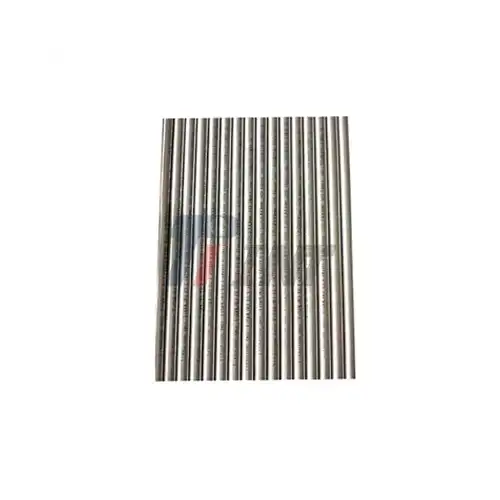
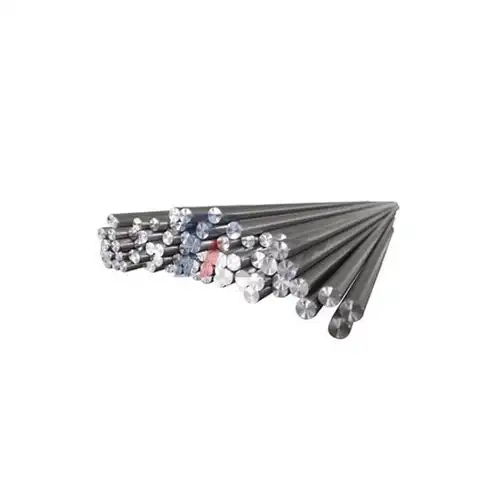
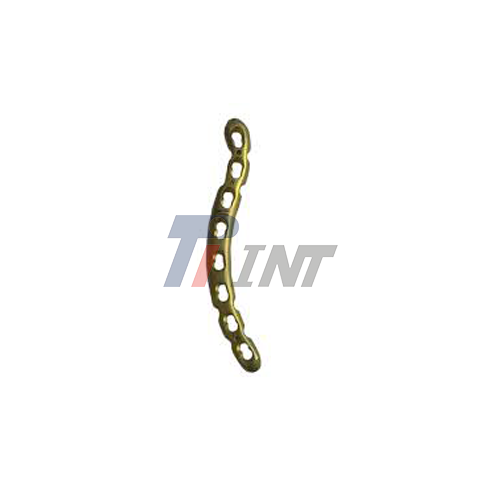
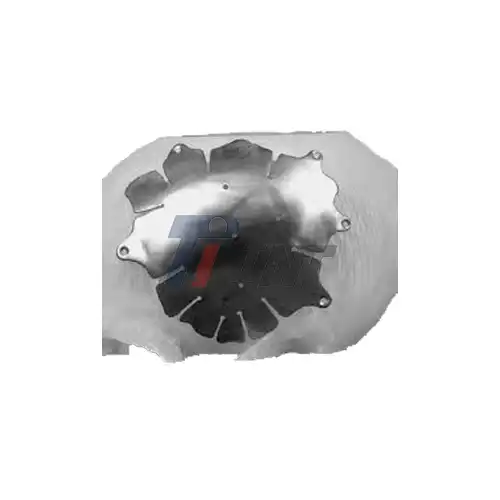
Gr 1 Titanium Wire serves as a fundamental material in medical manufacturing, primarily used for producing surgical instruments, orthopedic implant components, dental devices, and precision medical woven structures. Its exceptional biocompatibility, corrosion resistance in bodily environments, and superior formability make it indispensable for creating intricate medical components such as ligature wires, suture anchors, and mesh materials used in reconstructive procedures. The wire's lightweight nature combined with excellent fatigue resistance ensures long-term reliability in demanding clinical applications where patient safety is paramount.
|
|
|


Introduction
Medical device contract makers are under more and more pressure to deliver parts that meet strict regulatory standards while also being cost-effective. Choosing the right materials is a very important decision that has a direct effect on how well the product works, how well patients do, and how much is made. Gr 1 Titanium Wire has become the best available pure titanium grade for precise medical uses that need the most flexibility and resistance to corrosion.
We've been a supplier of medical-grade titanium materials for 20 years and have noticed a pattern: manufacturers who know the subtle differences between titanium grades get much higher approval rates for the first product and lower rejection rates during precision processing.
This detailed guide covers all the important things medical device OEM facilities need to think about when they are buying things. It focuses on useful sourcing strategies, quality control protocols, and material properties that are specific to the application and affect how well the manufacturing process works.
The next section gives you useful information based on real-life work with medical device makers in Europe and North America. It talks about common problems like inconsistent surface quality, problems with dimensional tolerance, and the need for lots of paperwork that can affect the reliability of the supply chain.
Understanding Grade 1 Titanium Wire: Properties and Composition
Chemical Composition and Purity Standards
According to ASTM B348 and ASTM F67 standards for medical uses, Gr 1 Titanium Wire is the purest grade of titanium that can be bought. The material keeps its oxygen content below 0.18% and its iron content below 0.20%. This makes it very flexible, with a minimum elongation of 24%. This carefully chosen interstitial element composition directly leads to better cold-working properties that are necessary for complicated shaping operations.
The wire has a tensile strength of 240–350 MPa and a yield strength of at least 170 MPa. This is strong enough for non-load-bearing medical applications while still being able to be shaped in a way that higher-strength grades can't. The elastic modulus of about 103 GPa makes it more similar to cortical bone than stainless steel options. This means that it doesn't protect against stress as well in some implant uses.
Biocompatibility and Corrosion Resistance
The material naturally creates a steady titanium dioxide (TiO₂) passive layer that makes it very resistant to physiological conditions that are high in chloride. This oxide film grows back right away after being damaged, so it stays stable over time even when sterilised over and over with chemical disinfectants or steam autoclaving. Pure titanium has never been linked to any allergic responses in clinical tests. This means that it can be used by people who are sensitive to metals and can't handle alloys that contain nickel.
Our quality documentation includes full material traceability to furnace batch numbers. Each shipment comes with a Certificate of Analysis (COA) that lists the chemical composition, mechanical properties, and surface finish requirements of the material. This makes it possible to quickly respond to any quality investigations and is very important during regulatory checks.
Comparison with Other Titanium Grades
Grade 2 titanium is stronger (345 MPa minimum tensile), but it is less flexible, which makes it more likely to break during tight-radius bending operations that are common in the manufacturing of surgical instruments. Gr 1 Titanium Wire offers excellent ductility and formability, making it a preferred choice for applications requiring intricate bending or coiling, yet it has lower strength than Grade 2. Grade 5 (Ti-6Al-4V) can hold more weight than other grades, but it needs much stronger shaping forces and is hard to weld without heat treatment. Grade 23 (Ti-6Al-4V ELI) is used in high-stress implant uses, but it costs a lot, making it unsuitable for making parts that need to be cheap.
Gr 1 Titanium Wire is perfect for situations where formability, weldability, and maximum corrosion protection are more important than final strength. Buying groups that work with companies that make non-structural medical parts always say that this grade is the best compromise between performance and processing speed.
Applications of Grade 1 Titanium Wire in Medical Manufacturing
Surgical Instrument Components
Contract makers of medical devices use this material to make parts with complicated shapes that would break or become hard to work with if they were made from stronger materials. Some common uses are for precision wire forms in catheter-based devices, spring elements in minimally invasive surgical tools, and retractor parts. Because the material is 56% lighter than stainless steel, it can be used to make handheld tools that are used for long processes more comfortable to use.
Orthopedic and Dental Applications
In trauma fixation systems, the wire is used as a ligature material for cerclage methods and brief stabilisation tasks. Its flexibility lets it be adjusted during surgery without the risk of breaking. This grade is what dental makers use for orthodontic springs and arch wires that need to be customised by being bent at the chairside. The material keeps its shape even after being loaded and unloaded many times, and it doesn't break down when it comes in contact with oral fluids that contain chlorides and organic acids.
Woven Mesh and Filtration Products
Due to its excellent drawability, the wire can be made into very small diameters (as little as 0.1 mm), which can then be woven into surgical mesh that is used to repair hernias and make scaffolds for tissue engineering. Because it doesn't corrode in high-chloride environments, it's better than stainless steel for uses that involve long-term contact with tissue. Implantable mesh manufacturers like that the material can keep its tensile qualities during the weaving process, so they don't have to do any extra heating steps.
Advantages Over Alternative Materials
Unlike 316L stainless steel, this titanium type doesn't cause nickel sensitisation, which affects about 10–15 percent of the population. Its resistance to rust makes it better in places where stainless steel fails because of pitting. Because the material isn't magnetic, it doesn't cause artefacts during MRI imaging, which is becoming more and more important as postpartum diagnostic imaging becomes normal.
The wire is very good at stopping stress corrosion breaking, which happens to stainless steel when it is stretched and chloride solutions are present. This trait is especially useful for parts that are loaded continuously in physiological settings, where long-term dependability cannot be compromised.
Comparing Grade 1 Titanium Wire with Other Materials in Medical Manufacturing
Performance Benchmarking Against Stainless Steel
Stainless steel metals, especially 316L, are still commonly used to make medical devices because they are easy to work with and don't cost as much as other materials. However, our work with contract makers in the field has shown us that stainless steel's poor corrosion resistance comes with secret costs. Localised rust means that parts need to be inspected more often and have higher rejection rates, which cancels out any original material savings. These quality control problems are not a problem for titanium because it doesn't get chloride pits.
Gr 1 Titanium Wire is particularly advantageous in sterilisation-heavy environments because its high-purity surface resists corrosion and maintains structural integrity, but there are big differences in how well these materials work with sterilisation. Both stainless steel and titanium can withstand standard autoclaving procedures, but titanium's surface stays intact even after hundreds of sterilisation cycles, while stainless steel's surface changes colour and wears down. This makes reusable surgery tools last longer, which lowers the costs of healthcare facilities over their whole time.
Comparison with Higher-Strength Titanium Alloys
Grade 5 titanium alloy (Ti-6Al-4V) has almost twice as much tensile strength, but it is harder to make and takes longer to do so. Due to its less flexible nature, the metal needs bigger bend radiuses and causes cutting tools to wear out faster. Welding needs controlled atmosphere tanks and a heat treatment after the join to keep the metal from becoming weak. This makes the process too complicated for high-volume production settings.
Our customers who make precision-etched parts say that they get 15-20% better yield rates when working with Grade 1 material instead of Grade 5. This is because chemical milling processes don't cause as many cracks. The softer material also makes precision stamping dies last longer, which lowers the cost of replacing tools between production runs.
Machinability and Processing Considerations
Because pure titanium tends to galle when it is machined, it needs special tools with sharp cutting edges, lots of chip space, and controlled cutting speeds below 60 surface feet per minute. Manufacturers who know how to meet these needs can make surfaces that look great without the problems that come with austenitic stainless steels hardening during production. Because the material doesn't transfer heat well, there needs to be enough cooling flow to keep heat from building up and speeding up tool wear.
The material is very flexible, which makes wire drawing possible. Each pass can reduce the width by 20 to 25 percent without having to do any additional annealing. This makes the processing more efficient, which means that the dimensions are more accurate and the surface finish is better than with harder titanium grades that need to be stopped more often.
How to Procure Grade 1 Titanium Wire for Medical Manufacturing
Essential Certifications and Compliance Requirements
Medical device makers have to make sure that their providers keep up with their ISO 13485:2016 certification, which shows that they follow the rules for medical device quality control systems. For medical devices that aren't implanted, the material licenses should use ASTM F67, and for those that are, they should use ASTM B863. For each production lot, a full chemical analysis should be recorded. Under Medical Device Regulation (MDR) 2017/745, products sold in Europe must come with an EU Declaration of Conformity and detailed paperwork that backs up the CE marking standards.
Material should be able to be tracked back to its original mill documents, which should include information about the ingot's science, processing history, and furnace batch identification. This paperwork is very important for regulatory inspections and lets you respond quickly to actions in the field or quality investigations. When suppliers can't provide full genealogy paperwork, they put medical device supply lines at too much risk.
Dimensional Specifications and Tolerances
Tolerances in wire diameter have a big effect on how well downstream processing works. Standard manufacturing tolerances run from ±0.05mm for diameters less than 1.0mm to ±0.10mm for bigger sizes. However, centerless grinding processes can be used for more precise uses that need tighter controls. For medical uses, the surface finish should meet certain standards. There should be pickled (a matte grey look), polished (a bright shiny look), or chemically cleaned surfaces that don't have any drawing lubricant remains.
"Custom cutting services help manufacturers who don't have their own cutting machines waste less material and save money on handling costs. By specifying cut-to-length sizes with smoothed ends and protective film covering, you can keep the surface from getting damaged while it's being shipped or stored.
Gr 1 Titanium Wire is especially well‑suited for this approach, as its high purity and corrosion resistance make precise pre‑cutting particularly beneficial for demanding applications. From what we've seen, companies that order pre‑cut pieces get 8–12% more use out of their materials than when they buy standard coil stock and have to handle it themselves."
Supplier Evaluation Criteria
Reliable suppliers consistently deliver on time more than 95% of the time, and established quality systems stop the shipment of material that doesn't meet standards. Ask for proof of the statistical process control methods used during production, such as the frequency of diameter monitoring and the procedures for tensile testing. When compared to suppliers who only ship from overseas production facilities, those who keep safety stock in regional delivery centers have much shorter lead times.
Check out the technical support that providers offer, including mechanical knowledge that can help with choosing materials and making processing suggestions. Service attitude that focuses on the customer is shown by being able to provide small examples for first-article review and process validation. Long-term supply deals with set prices protect against changes in the market and make sure that priority is given when supply is limited.
Ensuring Quality and Performance of Grade 1 Titanium Wire in Medical Manufacturing
Incoming Inspection Protocols
Setting up strict receiving checking processes stops non-conforming materials from getting into the production process. Some important steps in the verification process are measuring the dimensions with calibrated micrometres or laser measurement systems, looking at the surface for flaws like slivers or drawing marks, and comparing the material certificates that come with the item to the specifications listed on the purchase order. Statistical sample plans based on lot size and importance make sure that enough areas are inspected without the costs being too high.
Eddy current testing is an advanced quality control method that can find cracks in the material that can't be seen with the naked eye. This non-destructive testing method works especially well for wire that will be used in safety-critical situations where flaws in the material could affect how well the device works. Tensile testing of witness samples makes sure that the mechanical properties match the verified values. This gives extra confidence before letting the material go into production.
Processing Best Practices
Controlling contamination during handling and storage keeps the surface from wearing down, which lowers its resistance to corrosion. Keep things in climate-controlled spaces with less than 60% relative humidity and wrap them in protected covers that keep them from touching metals that are not the same. Do not come into touch with chlorinated cleaners or cutting fluids that contain sulphur compounds, as they could stain the surface or start localised rusting.
Keep the tools clean during the forming process to stop the transfer of iron particles that make galvanic couples that speed up localised rusting. Instead of using equipment that is also used to work with steel or other alloys, use tools that are made just for titanium. Set up first-piece review processes to make sure that dimensions are correct before starting full production runs. This will keep you from having to waste expensive parts because they aren't within tolerance.
Emerging Technologies and Innovations
New advances in wire drawing technology allow for tighter diameter tolerances, getting close to ±0.02mm. This is made possible by systems that monitor the diameter in real time and adjust the die automatically. These precision-drawn products cut down on the need for further machining and make it easier to put together micro-medical devices consistently. New methods of surface treatment, like electropolishing and passivation, make materials even more resistant to rust than they were before they were treated.
Using titanium wire as a feedstock in additive manufacturing techniques makes it possible to make shapes that are too complicated to make with traditional subtractive techniques. Using metal inert gas welding and Gr 1 filler wire to make joints in medical device assemblies results in high-quality joints. The right shielding gas techniques stop oxidation, which would weaken the joints' strength and resistance to corrosion.
Conclusion
When choosing the right materials to make medical devices, you need to think carefully about how they will affect biocompatibility, processing, regulatory compliance, and the overall cost over their lifetime. Gr 1 Titanium Wire has the best corrosion resistance, the most ductility, and the best biocompatibility. It meets all the important needs for medical parts that aren't structural and precision-formed devices.
Successful procurement strategies focus on working with suppliers who have proven quality systems, full material traceability, and technical support that goes beyond just filling orders. Gr 1 Titanium Wire is a prime example of a material where such supplier rigor is critical, because its consistent mechanical properties and surface integrity directly impact downstream manufacturing success. After working with medical device companies for decades and helping them deal with real-life problems like making parts and following rules, this article shares what they've learned.
As medical technology moves toward less invasive methods and more personalised treatment plans, the choice of material becomes more and more important to how well the device works and how well the patient does. When procurement teams know about the benefits and processing issues of commercially pure titanium grades, they can make decisions that support manufacturing excellence and give them a competitive edge.
FAQ
What makes Gr 1 Titanium Wire suitable for medical implants?
The commercially pure makeup of the wire makes it very biocompatible, with no known allergic reactions. Its spontaneous oxide layer also protects against corrosion in physiological settings for a long time. Its elastic elasticity is more like bone than stainless steel's, which could make it less effective at protecting against stress. When accompanied by the right material certifications and traceability paperwork, the material meets the requirements of ASTM F67 for use in surgical implants.
How does this material compare to stainless steel for surgical instruments?
Titanium is 56% lighter than stainless steel, which makes the instruments easier to use during long procedures. It gets rid of nickel sensitisation worries that affect a lot of patients and has better corrosion resistance, so it doesn't pit or change colour like stainless steel does after multiple sterilisation cycles. The non-magnetic properties keep MRI artefacts from showing up, but processing them takes special understanding of how to use tools.
What certifications should I verify when sourcing this material?
Medical device makers should make sure that their suppliers keep their ISO 13485:2016 certification and provide materials that meet ASTM F67 (for implants) or ASTM B863 (for instruments). Each lot should come with a Certificate of Analysis that lists the chemicals used, their mechanical qualities, and how they can be tracked back to the furnace batch. According to MDR 2017/745 rules, products sold in Europe must have an EU Declaration of Conformity that backs up the CE mark.
Can this wire be welded for medical device assembly?
The material is very easy to weld with TIG or MIG processes and argon gas as a protective gas. It doesn't need to be heated up first or treated with heat after the welding process. Using the right welding method and enough gas covering stops oxidation, which would weaken the joint's properties. It can be welded better than higher-strength titanium alloys, which makes it better for medical device manufacturing tasks that need to join parts together.
Partner with Baoji INT Medical Titanium Co., Ltd. for Premium Medical-Grade Titanium Wire
Medical device contract manufacturers looking for a reliable supplier of Gr 1 Titanium Wire will find that Baoji INT Medical Titanium Co., Ltd. is in a great position to meet their strict production needs. We have been making medical titanium products for over 20 years and have ISO 9001:2015, ISO 13485:2016, and CE standards to make sure we follow all the rules. We can track our materials all the way back to individual furnace batches, and we have all the paperwork needed to meet FDA and MDR standards.
Our diameters range from 0.1mm to 6.0mm, and our precise tolerances are as low as ±0.02mm. We also offer unique cut-to-length services and protective packing that keeps the surface from getting damaged during shipping. Our metalworking team provides technical support to help with choosing the right materials and optimising the processing. We also consistently deliver on time more than 96% of the time.
Email our team at export@tiint.com to talk about your unique needs, get samples of the materials we offer, or get full technical datasheets. Visit inttitanium.com to see our full selection of medical titanium products that can help you make successful parts.
References
1. Medical Device and Diagnostic Industry (2022). "Material Selection Criteria for Implantable Medical Devices." MDDI Online.
2. Journal of Biomedical Materials Research (2021). "Comparative Biocompatibility of Titanium Grades in Surgical Applications." Wiley Online Library, Vol. 109, Issue 8.
3. Materials Science and Engineering C (2023). "Surface Treatment Technologies for Medical Titanium Alloys." ScienceDirect, Volume 142.
_1753927576158.png)
_1751957234428.webp)
_1750210463958.webp)
_1750209732185.webp)