

 2025-12-29 09:13:00


The Rise of Titanium in Medical Implants
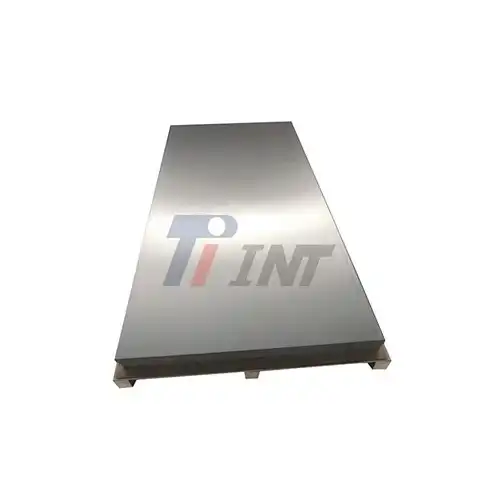
Titanium has revolutionized the field of medical implants, particularly in orthopedic and dental procedures. Its unique properties make it an ideal material for various applications, including plate implants used to stabilize fractured bones or support spinal fusion surgeries.
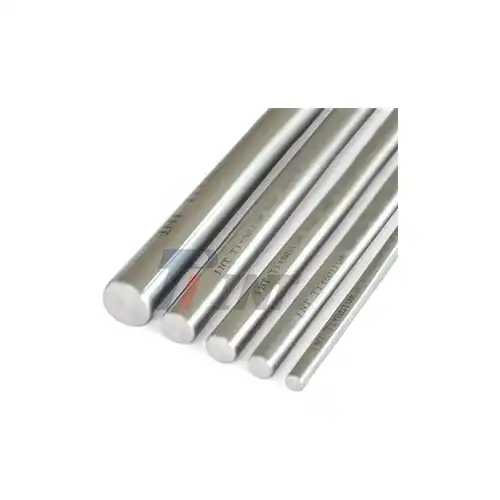
Titanium plate implants have gained popularity due to their biocompatibility, strength-to-weight ratio, and corrosion resistance. These characteristics contribute to better patient outcomes and longer-lasting implants. As medical technology advances, titanium continues to be at the forefront of implant materials, offering improved solutions for patients and surgeons alike.
Companies like Baoji INT Medical Titanium Co., Ltd. have been at the forefront of this revolution, providing high-quality titanium materials for medical applications since 2003. Their expertise in titanium production and processing has contributed significantly to the advancement of medical implant technology.
Comparing Titanium and Steel: Key Factors
To get why titanium plate inserts are regularly favored over steel, it's basic to compare these materials over a few key components:
Biocompatibility
Biocompatibility alludes to how well a fabric interacts with the human body. Titanium exceeds expectations in this region, as it's profoundly biocompatible and once in a while causes unfavorably susceptible responses or dismissals.The human body readily accepts titanium, allowing for better integration with surrounding tissues and bone. Steel, while still used in some medical applications, is less biocompatible than titanium. Some patients may experience allergic reactions to the nickel content in certain types of steel, leading to complications or the need for implant removal.
Weight and Strength
Titanium plate implants are lighter than steel but maintain similar strength, reducing strain on tissues and bones, potentially leading to faster recovery and improved patient comfort.
Corrosion Resistance
Titanium's corrosion resistance forms a stable oxide layer, protecting implants from degradation and ensuring longevity, reducing the risk of complications in the body.
Osseointegration
Osseointegration refers to the direct structural and functional connection between living bone and the surface of an implant. Titanium excels in this aspect, promoting better bone growth and integration. The surface of titanium plate implants can be treated to enhance this property further, leading to stronger and more stable fixation.
Imaging Compatibility
In the era of advanced medical imaging, the compatibility of implant materials with various imaging techniques is crucial. Titanium is compatible with MRI (Magnetic Resonance Imaging) and produces minimal artifacts in CT (Computed Tomography) scans. This compatibility allows for better postoperative monitoring and easier diagnosis of any potential issues.
Steel, particularly ferromagnetic varieties, can cause significant artifacts in MRI and CT scans, potentially obscuring important anatomical details. This limitation can complicate post-operative care and long-term monitoring of patients with steel implants.
Applications and Advantages of Titanium Plate Implants
Titanium plate implants find applications across various medical fields, each benefiting from the material's unique properties:
Orthopedic Surgery
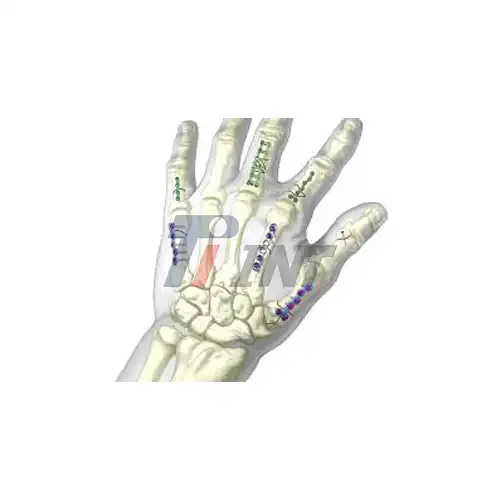
Titanium plate implants in orthopedics treat fractures, stabilize joints, and support spinal fusion. Their strength, lightweight nature, and biocompatibility aid in bone healing, promote osseointegration, and enhance mobility and pain relief in patients, especially in long bone fractures and spinal surgeries.
Craniofacial and Maxillofacial Surgery
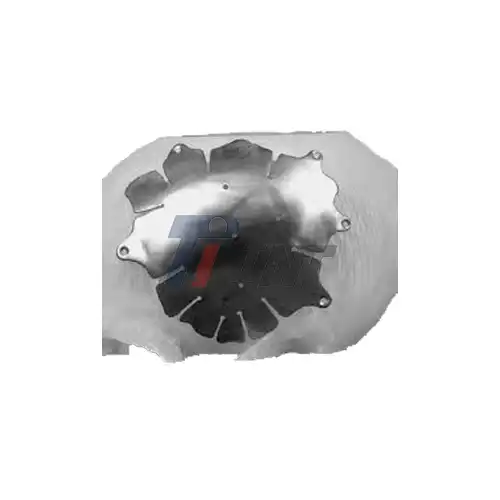
Titanium plate implants are essential in facial and skull reconstructive surgeries, offering malleability for precise contouring, strength, and biocompatibility, making them ideal for repairing fractures and reconstructing the jaw.
Dental Implants
While not strictly a "plate" application, titanium's use in dental implants showcases its versatility. Titanium dental implants have become the gold standard due to their excellent osseointegration properties and long-term stability.
Advantages in Long-Term Outcomes
The use of titanium plate implants offers several long-term advantages for patients:
- Reduced risk of complications: The biocompatibility and corrosion resistance of titanium minimize the risk of adverse reactions and implant failure.
- Improved quality of life: The lightweight nature of titanium implants allows for greater comfort and more natural movement.
- Durability: Titanium plate implants often last longer than their steel counterparts, potentially reducing the need for revision surgeries.
- Better healing: The material's ability to promote osseointegration can lead to faster and more complete healing of the affected area.
Innovations in Titanium Plate Implant Technology
The field of titanium plate implants continues to evolve, with ongoing research and development leading to new innovations:
Surface Treatments
Advanced surface treatments can enhance the properties of titanium plate implants. These treatments may improve osseointegration, reduce the risk of infection, or increase the implant's overall strength. Some examples include:
- Plasma spraying: Creates a rough surface that promotes better bone adhesion.
- Hydroxyapatite coating: Mimics the mineral component of bone, encouraging faster integration.
- Antimicrobial coatings: Help prevent post-operative infections by inhibiting bacterial growth on the implant surface.
3D Printing and Custom Implants
The advent of 3D printing technology has opened new possibilities for titanium plate implants. This technology allows for the creation of custom-designed implants that perfectly match a patient's anatomy. 3D-printed titanium implants can have complex geometries and porous structures that further enhance osseointegration and reduce implant weight.
Smart Implants
Researchers are exploring the potential of "smart" titanium plate implants that can monitor healing progress or deliver targeted therapies. These advanced implants could revolutionize post-operative care and provide real-time data to healthcare providers.
Conclusion
In the debate between titanium and steel plate implants, titanium emerges as the superior choice in many applications. Its unparalleled biocompatibility, amazing strength-to-weight proportion, and erosion resistance make it a perfect fabric for therapeutic inserts. As innovation proceeds to development, we can anticipate seeing indeed more imaginative employments of titanium in the therapeutic field, advancing persistent results and quality of life.
For those interested in learning more about high-quality medical titanium products, including titanium plate implants, Baoji INT Medical Titanium Co., Ltd. offers a wealth of expertise and a wide range of titanium materials. Their commitment to quality and innovation in the medical titanium industry makes them a valuable resource for healthcare providers and medical device manufacturers alike. To explore their offerings or discuss specific titanium needs, reach out to them at export@tiint.com.
_1755062186746.jpg)
_1755061801114.png)
_1753926358324.jpg)
_1753859685128.webp)