

Gr2 Titanium Welding Wire: The Standard for Surgical Tools


 2026-06-17 15:53:59
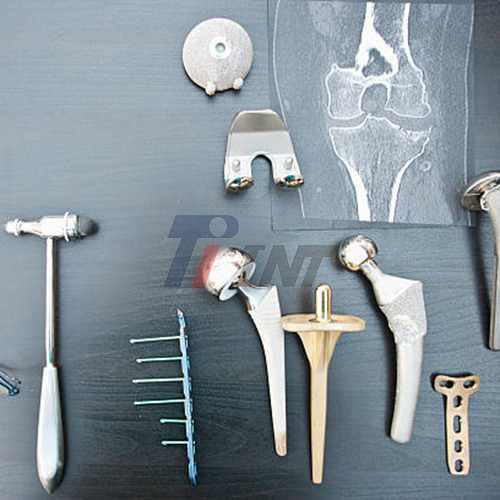
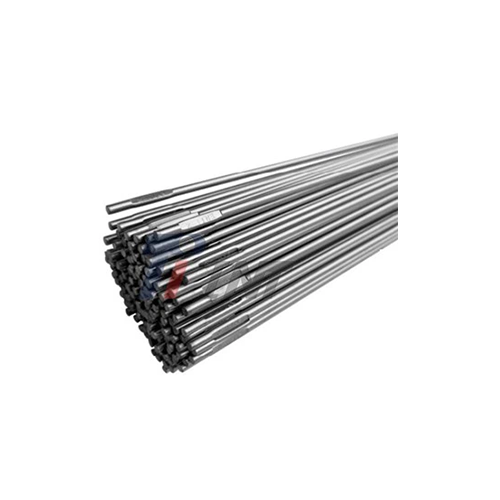
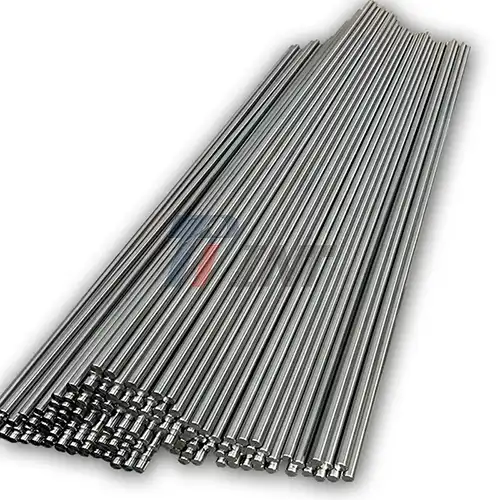
When people talk about making precise medical tools that can handle being sterilized many times, body fluids, and repeated mechanical stress, they always come back to one material: Grade 2 commercially pure titanium. To be more specific, Gr2 Titanium Welding Wire has become the most important filler metal for combining surgery tool parts that can't be compromised in terms of biocompatibility, corrosion resistance, or structural integrity. Manufacturers can use this high-purity filler metal to make sealed, germ-free welds in scalpels, retractors, bone saws, dental scalers, and orthopedic fixing devices. Instead of stainless steel alternatives that can release nickel or chromium ions over time, commercially pure titanium wire stays chemically inert in the body and has great strength-to-weight ratios that doctors count on for delicate procedures.
|
|
|
Understanding Gr2 Titanium Welding Wire: Properties and Applications
Metallurgical Composition and Mechanical Behavior
Grade 2 titanium wire is the most common grade of widely pure titanium. It is made up of at least 99.2% titanium and tightly controlled intermediate elements. The chemical make-up usually has less than 0.25% oxygen, less than 0.03% nitrogen, less than 0.08% carbon, less than 0.015 % hydrogen, and less than 0.30% iron. These rules are in line with ASTM B863 and AWS A5.16 ERTi-2 classifications, which makes sure that all output runs are the same.
The unique thing about this mixture for surgical uses is that it doesn't contain any alloying elements that could cause immune reactions or cell rejection. The tensile strength is between 345 and 480 MPa, and the yield strength is at least 275 MPa. This is strong enough for most surgery tool joints without being as fragile as higher-grade titanium alloys. The extension usually goes over 20%, which gives welders a safe space to work with during the fusion process and lowers the risk of microfractures in the heat-affected zone.
Biocompatibility and Corrosion Resistance
When commercially pure titanium wire is introduced to oxygen, it makes a thin layer of titanium dioxide that is stable and can heal itself. This layer is only 2 to 6 nanometers thick. This passive film grows back right away if it gets scratched during surgery. This is why titanium implants and tools don't corrode much in body conditions high in chloride. Studies in the International Journal of Biomaterials have proven that Gr2 titanium has levels of cytotoxicity that are below the standards for discovery.
This means that it can be used to touch tissues for long periods of time during complex processes.The resistance to corrosion goes beyond living settings. Weld integrity is not affected by autoclaving at 134°C with full steam, being exposed to hydrogen peroxide sanitizers, or being immersed in enzymes cleaning solutions over and over again. This means that instruments will last longer and cost less to repair, which is good for surgical sites that are trying to stick to tight budgets for capital equipment.
Primary Applications in Surgical Instrument Manufacturing
We've seen Gr2 titanium wire play important roles in a number of different medical fields. Neurosurgical makers use this filler metal to join micro-instruments with wall thicknesses of less than 0.5 mm. The low heat input and flexibility of the metal keep it from bending. Orthopedic tool makers use it to make welding saw blades, drill bits, and pin insertion guides that need to be able to handle repeated impact loads without breaking down from wear and tear.
This material is especially popular with people who make dental instruments like scalers, curettes, and periodontal tools. The edge retention and tissue-safe makeup work together to meet the needs of both cutting ability and patient safety. Another rising area of use for titanium is in ophthalmic surgical tools. Because titanium is not magnetic, it doesn't get in the way of diagnostic imaging equipment that is used during treatments, particularly when using Titanium Welding Wire for precise welds in delicate instruments.
Welding Techniques and Best Practices for Gr2 Titanium Welding Wire
Gas Tungsten Arc Welding (GTAW/TIG) Protocols
Because it allows for exact heat control and shielding gas covering, TIG welding is still the most common way to join medical-grade titanium pieces. To keep the atmosphere above 800°F from becoming contaminated, the process needs to create a neutral atmosphere using argon gas that is purer than 99.998%. We suggest keeping the arc voltage between 10 and 15 volts and adjusting the amperage settings based on the thickness of the material. A good starting point is 1 amp for every 0.001 inch of base metal thickness.
When welding surgery parts together, the following shield can't be moved. During the cooling phase, a secondary flow of argon directed behind the weld pool stops oxidation. This gets rid of the brittle alpha-case layer that forms when oxygen comes into contact with molten titanium. For tube instrument designs, backing purge systems that fill the inside space with argon are necessary to keep both weld faces clean.
Laser Welding for Micro-Precision Applications
Pulsed fiber laser systems have changed the way that tiny surgery parts are joined when arc welding isn't strong enough. The focused energy beam, which is 0.2 to 0.6 mm in diameter, gives carefully managed heat input, which keeps heat-sensitive parts from warping too much. By laser welding Gr2 wire together, makers can make hermetic seals in lumen-based tools while keeping the dimensions within 0.05 mm of each other.
The method needs careful setting adjustment. Pulses that last between 2 and 10 milliseconds, peak power levels of around 10^6 W/cm², and helium shielding gas (rather than argon) work better for thin-section welding. The small heat-affected zone, which is only 0.3 to 0.8 mm wide, keeps the mechanical qualities of the base material right next to the fusion line. This is important for instruments that are bent during use.
Wire Diameter Selection and Preparation Standards
Matching the diameter of the filler wire to the form of the joint stops frequent problems. We usually ask for wire with a thickness of 0.5 to 1 mm for surgical tools with wall sections between 0.5 and 1.5 mm. For thicker pieces between 1.5 and 3.00 mm, 1.0 mm to 1.6 mm wire widths work, but for very thin parts less than 0.5 mm, 0.3 mm wire with very tight straightness limits is needed.
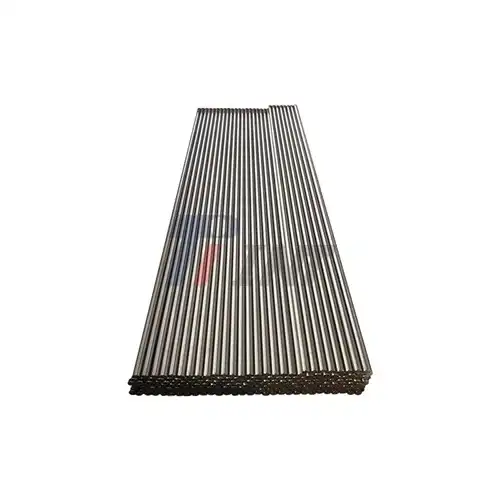
The way the surface is prepared has a direct effect on the quality of the weld. Titanium surfaces become work-hardened when they are ground or machined; these need to be removed by chemical milling or electropolishing before they can be welded. The wire itself comes from the maker in spooled or flattened, cut lengths with a pickled surface that are ready to use right away. For storage, sealed cases with desiccant packets are needed because even fingerprint oils can add carbon to the weld pool, making hard spots that make the instrument less flexible.
Comparing Gr2 Titanium Welding Wire with Other Welding Materials
Gr2 Titanium Versus 316L Stainless Steel Filler
When you compare widely pure titanium to 300-series stainless steel filler metals, you can see that their performance is very different. Even though 316L steel wire costs 40–60% less per kilogram, titanium has a lower total cost of ownership when you look at how long instruments last and how well they work with living things. When chloride levels rise above 100ppm, they cause pitting rust in stainless steel welds. Titanium, on the other hand, stays passive even in fully saturated salt solutions. Handheld surgical tools are affected by the difference in density in a useful way.
Titanium has a specific gravity of 4.51 g/cm³, while stainless steel has a specific gravity of 8.0 g/cm³. This means that titanium tools make surgeons' hands less tired during long procedures. When it comes to big orthopedic tools, where every gram helps with comfort and control, the weight loss is especially obvious, particularly when using Titanium Welding Wire for joints and connections.
Compatibility with Titanium Alloy Substrates
To weld commercially pure Gr2 wire to Ti-6Al-4V ELI alloy surfaces, you need to know how the metals combine at the fusion boundary. Different chemical makes a gradational junction where aluminum and vanadium from the base metal mix with the weld zone. For surgery uses, this mixing usually doesn't cause any issues because the mechanical qualities that are created are fine for medical device standards.
The problem comes up when you try to join Gr2 parts to beta-titanium metals that have molybdenum or niobium in them. These mixtures can make intermetallic compounds that are easily broken if the leftover stresses aren't relieved by heat treatment after the welding process. Most companies that make surgery tools avoid this problem by using matching filler-base metal systems and only using Gr2 wire with Gr2 or Gr5 ELI substrates, which have been used together successfully for decades in clinical settings.
Procurement Guide: Buying Gr2 Titanium Welding Wire for Surgical Tool Manufacturing
Essential Certifications and Quality Documentation
Medical device makers need to make sure that the wire providers they work with have up-to-date ISO 13485:2016 certification, which shows that they follow the rules for medical device quality control systems. Each production lot should come with a material test record (MTR) that shows a full chemical analysis and can be traced back to the original melt batch. Verification by a third-party lab of mechanical qualities like tensile strength, yield strength, and stretch gives extra confidence that materials meet ASTM B863 standards.
The state of their FDA license is especially important for companies that sell to people in North America. Suppliers with facilities listed with the FDA as medical device contract makers or material suppliers are inspected on a regular basis to make sure that their process controls, methods for preventing contamination, and systems for handling complaints are working as they should. For European CE marking, similar proof is needed to show that the material meets ISO 5832-2 norms for medical implant materials.
Evaluating Supply Chain Reliability and Technical Support
The choice to buy goes beyond the specifications of the materials and includes how well the seller can work with others on technical issues. Does the seller have metallurgical engineers on staff who can help you figure out what wire sizes will work best for your joint designs? Can they give you welding process standards (WPS) that have been checked by destructive testing? When designing new instruments or fixing problems with output yield, being able to get application-specific advice is very helpful.
Pricing Structures and Long-Term Partnership Benefits
When medical products are made using just-in-time inventory concepts, lead time accuracy is very important. We've found that established providers with medical-grade production lines keep wait times of 4 to 6 weeks for standard wire diameters. If you need your order faster, you can ask the seller. For usual sizes, the minimum order quantity starts at 10 to 25 kilograms. However, premium sources offer smaller amounts for work on prototypes. Medical-grade Gr2 Titanium Welding Wire costs between $85 and $145 per kilogram on the market right now, based on the diameter, surface finish, and order number.
Medical-grade wire costs more than industrial-grade wire because it needs to be tested, documented, and quality-controlled more often. When you commit to more than 100 kilograms of volume per year, you can often get better prices and a sure share during times when supply is low.When it comes to surveys and putting together design history files, it pays off to work with sources who know how medical devices are regulated. Vendors who have worked in the medical field for many years may know more about material tracking standards, change control processes, and supplier qualification goals than vendors who are new to the market. This knowledge turns into the hidden value that makes partnership choices more than just a matter of price.
Benefits and Future Trends of Using Gr2 Titanium Welding Wire in Surgical Tools
Enhanced Instrument Longevity and Patient Safety
Choosing commercially pure titanium wire leads to gains in tool performance measures that are important to surgical teams. When orthopedic tool sets are welded with Gr2 filler, they can be sterilized more than 500 times before they need to be reconditioned. This is compared to only 200 to 300 rounds for similar stainless steel units. This longevity lowers the cost of replacing capital equipment and makes sure that the instrument works the same way for as long as it's supposed to.
More and more, choices about what materials to use are based on patient safety. Titanium doesn't contain nickel, so it doesn't cause allergic reactions in people who are sensitive to nickel, which is about 10-15% of the general population. Because titanium oxide doesn't shed, it stops the formation of particles that could move into surgery sites. This addresses worries about metallosis that have been found in long-term implant studies.
Emerging Automated Welding Technologies
The most advanced way to make surgery instruments is with robotic welding cells that are equipped with vision control systems. These automated platforms make it possible to achieve levels of accuracy that can't be reached by hand welding. They can make thousands of similar joins with consistent penetration depths within ±0.02mm. Using thermal imaging and acoustic emission monitors together in real-time tracking systems lets you check the quality of something 100% of the time without damaging it.
Additive manufacturing hybrid methods use both laser powder bed fusion and wire-based directed energy deposition afterward. Using powder processing, this method creates surgical tool blanks in the shape of a nearly net, and then wire feedstock is used to add structural supports or useful features. When compared to traditional subtractive cutting from solid bar stock, the process optimization cuts down on material waste by 40–60% while allowing for physical complexity that isn't possible with traditional methods.
Sustainability and Circular Economy Initiatives
The medical device business is under more and more pressure to leave smaller marks on the environment over the whole span of a product. Titanium is a good material for circular economy models that are becoming popular in healthcare systems because it can be recycled over and over again without losing any of its properties. Used surgery tools can be turned back into high-purity wire feedstock, which closes the material loop and keeps the quality standards medical-grade.
Because titanium melts at lower temperatures and cools faster than stainless steel, welding it needs 30–50% less power than putting stainless steel pieces together in the same way. This efficiency gain adds up in settings with a lot of production, which helps producers meet their carbon reduction goals. A number of European companies that make medical devices have said they will only buy titanium from suppliers that smelt it using green energy. This is a step in the right direction for the industry's supply lines for sustainable materials.
Conclusion
Due to its unmatched biocompatibility, corrosion resistance, and mechanical stability, Grade 2 economically pure Titanium Welding Wire has become the standard filler metal for making surgery instruments. The material lets makers make joints that can handle the harsh conditions of surgery areas while still meeting or exceeding government safety standards for patients. As automation and accuracy improve in welding technologies and worries about the environment change the way things are bought, Gr2 Titanium Welding Wire keeps showing the performance and flexibility that set industry standards. Putting money into good relationships with suppliers, developing welding processes, and quality control methods pays off in the long run by reducing instrument failures, increasing instrument life, and improving surgical results, all of which are good for patient care.
Frequently Asked Questions
What makes Gr2 titanium specifically suited for surgical tool welding compared to other titanium grades?
Grade 2 titanium is a good mix between purity and mechanical strength. It doesn't have many alloying elements that could cause biocompatibility problems and still has good enough tensile qualities for surgical instruments. Higher grades, like Ti-6Al-4V, are stronger, but they contain aluminum and vanadium, which may make it harder for regulators to approve certain types of devices. Because Gr2 is flexible, it lowers the chance of weld breaking during production.
How do I find the right wire thickness for the design of my medical instrument?
The choice of wire width is based on the thickness of the base material and the way the joints are set up. For most surgical uses, it is best to use wires with a width that is about the same as the smaller piece being joined, which is usually between 0.5 and 1.6 mm. Talk to the technical team at your material provider about the joint geometry and access issues that may mean you need smaller diameter wire even though the base parts are thicker.
What approvals should I look for in a new provider of Gr2 titanium wire?
Check that the material meets the requirements of ASTM B863 or AWS A5.16 ERTi-2 and that it is currently certified to ISO 13485:2016. If you are selling to people in North America, you should also check that it is registered with the FDA. Ask for test results on the material that show its chemical make-up and mechanical qualities for standard production lots. Documentation from a third-party lab test adds trustworthiness above and beyond what the seller says about themselves.
Partner with Baoji INT Medical Titanium for Premium Gr2 Titanium Welding Wire
To make the best surgical tools, you need materials that never skimp on quality or stability. Since 2003, Baoji INT Medical Titanium Co., Ltd. has been making medical-grade titanium goods. They bring over 30 years of experience in the titanium business to makers who need supply chains that they can count on. Our Gr2 Titanium Welding Wire meets the strict purity standards and mechanical qualities needed to make surgical instruments. It comes with full ISO 13485:2016 approval and detailed paperwork for material traceability.
As a well-known company that makes Titanium Welding Wire for medical device makers around the world, we know how important it is to deliver on time, provide expert help during the development process, and provide the regulatory paperwork needed for device approvals. Our team is ready to talk with you about your unique wire diameter needs, suggest welding procedures, and set up packages of samples for qualification testing. Get in touch with our technical experts at export@tiint.com to find out how our full range of titanium materials can help you make better surgical tools by providing reliable, certified-grade materials that are made for medical greatness.
References
1. Ratner, B.D., Hoffman, A.S., Schoen, F.J., & Lemons, J.E. (2013). Biomaterials Science: An Introduction to Materials in Medicine (3rd ed.). Academic Press.
2. American Welding Society. (2014). AWS A5.16/A5.16M: Specification for Titanium and Titanium-Alloy Welding Electrodes and Rods. Miami: AWS Publishing.
3. ASTM International. (2020). ASTM B863-20: Standard Specification for Titanium and Titanium Alloy Wire. West Conshohocken: ASTM Standards.
4. Disegi, J.A., Kennedy, R.L., & Pilliar, R. (1999). Cobalt-Base Alloys for Biomedical Applications. ASTM International Symposium on Cobalt-Base Alloys for Biomedical Applications.
5. Lütjering, G., & Williams, J.C. (2007). Titanium (2nd ed.). Berlin: Springer-Verlag Engineering Materials and Processes.
6. Peters, M., Kumpfert, J., Ward, C.H., & Leyens, C. (2003). Titanium Alloys for Aerospace Applications. Advanced Engineering Materials, 5(6), 419-427.
_1751956867796.webp)
_1750668839491.webp)