
Which plate is best for surgery?


 2026-06-08 14:28:14
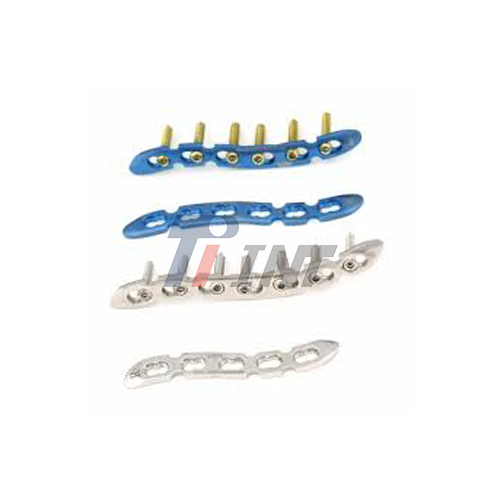
Choosing the right fixation device is very important for heart surgeons who want to close the sternum after a middle sternotomy. Nowadays, the titanium plate for open heart surgery is the best way to close the sternum because it provides hard support that wire cerclage can't. Titanium plating systems spread the load evenly across the sternum, preventing problems like dehiscence and infection and speeding up the healing process. This is in contrast to older stainless steel wires that could cut through weak bone, a process known as "cheese-wiring."
|
|
|
Understanding Titanium Plates for Open Heart Surgery
Titanium anchoring systems are a big step forward in the way heart surgery is done. These devices use medical-grade screws and precision-engineered plates to hold the split sternum in place after treatments like coronary artery bypass grafting (CABG) and valve replacement. Long-standing problems in lung surgery are solved by this technology, which provides mechanical support that helps bones heal naturally.
Definition and Roles in Function
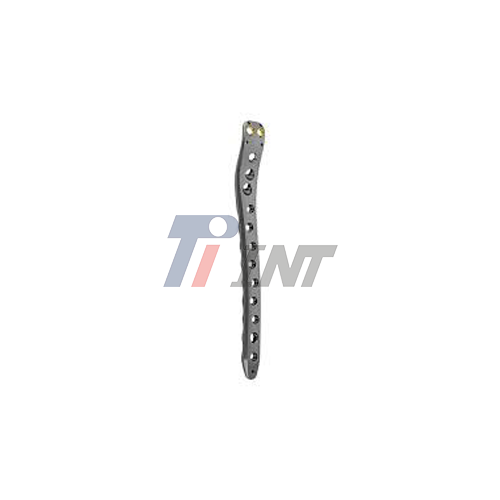
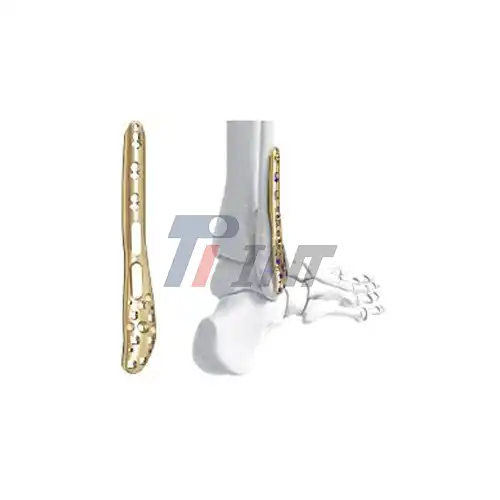
After a median sternotomy, a titanium sternal plating system is used as a prosthetic implant to keep the sternum in place. The method uses a screw-and-plate device that gets rid of the forces that standard wire closures use, which are only compressive. This engineering method keeps the front parts of the chest wall stable while reducing tiny movements at the edges of bones that can slow down healing. The plates usually have physical shapes that are already pre-contoured to fit the natural curve of the sternum. This makes sure that the load is evenly distributed across the whole fixing site.
Manufacturers of medical devices can benefit from knowing that these implants directly address serious problems like sternal dehiscence, deep sternal wound infection (DSWI), mediastinitis, and sternal non-union. By keeping the bone rigid, the system speeds up primary bone repair, lowers pain after surgery, and returns breathing mechanics faster than wire closure methods.
Material Properties and Biocompatibility
Titanium is very biocompatible because it can make a stable oxide layer when it comes into contact with body fluids. This layer stops tissue reactions that aren't good. The material is more resistant to rust than stainless steel, especially in human flesh, which is full of chlorides. Titanium plates offer strong mechanical support without adding too much weight to the implant because they are stronger than most medical metals.
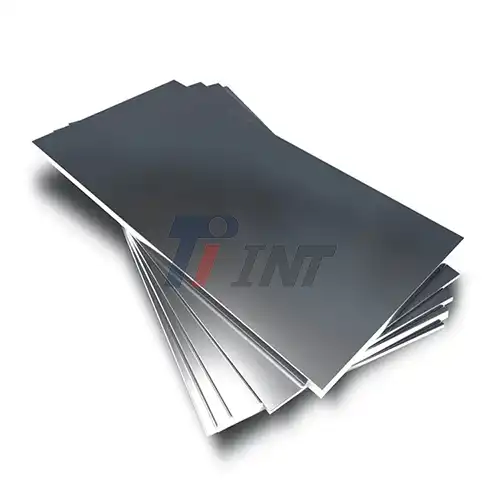
Most of the time, surgery plates are made from Ti6Al4V ELI (Extra Low Interstitial), which has about 6% aluminum and 4% vanadium. This mixture has higher tensile strength while still having the biocompatibility properties needed for long-term insertion. The material is suitable with magnetic resonance imaging (MRI) because it has a low magnetic susceptibility. This is important for people who need medical imaging after surgery.
Types and Options for Customization
Surgical teams choose from different titanium plate designs based on the body of the patient and the way they plan to operate. Locking plate systems have threaded screw holes that make fixed-angle structures. This gives the bone rigidity, which is especially helpful for osteoporotic bone. Non-locking plates work by compressing the plate against the bone surface. This gives them some freedom in how the body is shaped. Mesh plates allow complicated chest wall reconstruction after injuries or cancer surgery because they can be shaped in three dimensions.
Customization options are an important thing for medical device makers and OEM partners to think about when they buy something. Plates from leading providers come in different lengths, sizes, and hole patterns to fit a wide range of patients. Some systems have movable parts that doctors can put together during surgery to deal with unexpected changes in the body's shape. This flexibility cuts down on the need for inventory while still making sure that each patient gets the best fixing possible.
Comparing Titanium Plates with Other Surgical Materials
Titanium plate for open heart surgery is often preferred for its superior long-term performance, particularly when compared to other materials like stainless steel.
Material Properties and Clinical Performance
Because it is stronger than titanium and costs less, stainless steel has long been the main material used to make medical implants. Chromium, nickel, and molybdenum are all parts of the 316L stainless steel material that is often used in medical products. Even though stainless steel is very strong at first, it doesn't fight rust as well as titanium does in long-term implant situations. Nickel content makes people worry about hypersensitive reactions happening in people who are likely to have them, though these reactions are still pretty rare. The higher elastic modulus of the material can cause stress-shielding effects where the implant takes pressure that should be transferred to healing bone, which could delay consolidation.
Theoretically, bioabsorbable implants made from polymers like polylactic acid (PLA) or polyglycolic acid (PGA) could get rid of the need for lifelong implants. Over time, these devices break down through hydrolysis, shifting the load to growing tissue. There is still not a lot of clinical use for sternal fixation, though, because the initial mechanical strength is not high enough to handle the large forces acting on the thoracic cage during breathing and upper body movement. Byproducts of degradation can cause inflammatory reactions in some patients, and the rate of resorption may not match the rate at which bones heal.
Titanium is the best material for a lot of different performance factors. Because it doesn't rust, its material qualities will stay stable during the healing process and afterward. The material's elastic stiffness is more like bone than stainless steel's, which makes stress-shielding less of a worry. There are fewer complications with titanium fixing systems than with wire cerclage. For example, studies have shown that dehiscence rates are less than 1% in high-risk groups when hard plating systems are used.
Cost Analysis and Total Value Assessment
The costs to buy titanium plating methods are ten times or more higher than the costs of standard wire closure. To figure out the total cost of ownership, R&D experts and buying managers need to look at more than just the unit price. When you add in the costs of complications, the business balance changes a lot. A single sternal dehiscence that needs revision surgery, longer hospital stays, and intensive care can cost more than $50,000 in treatment costs, and that's not even adding the risk of responsibility and the damage to the patient's image.
Rates of surgical success add another factor to judging value. Patients with risk factors like fat (BMI greater than 30), chronic obstructive lung disease (COPD), diabetes mellitus, or osteoporosis do better with titanium fixation systems. These patients are becoming a bigger part of heart surgery, which means that using stiff fixation as a preventative measure is becoming more cost-effective for the healthcare system.
Supply chain managers should also think about how to make the most of their supplies. Titanium can be stored for longer amounts of time than some other materials because it doesn't rust or go bad. The material is stable under normal sterilization methods, such as autoclaving and ethylene oxide treatment. This makes it easier for hospital sterile processing teams to cut down on costs and time.
How to Choose the Best Titanium Plate for Open Heart Surgery?
When making a procurement plan, you need to take a methodical approach that balances clinical needs, legal compliance, and evaluating the supplier's abilities. To get the best results, people who make decisions in the supply lines for medical devices and hospitals must look at a lot of different factors.
Certification and Quality Standards
Regulatory certification is the basis for any choice to buy a medical gadget. Titanium plate for open heart surgery must meet a number of different worldwide standards in order to be sold in different countries. ISO 5832-3 lists the standards for surgical implants made of wrought titanium 6-aluminum 4-vanadium alloy. It also lists the chemical makeup and mechanical property values that are allowed. The American standard that is similar is ASTM F136, which is generally accepted in US markets.
For a product to be sold commercially in the United States, it must first get FDA approval through the 510(k) premarket notice process. Designs that are more complicated or new might need premarket approval (PMA), which is a stricter review process that includes clinical trials. The European Medical Device Regulation (MDR) has made it harder to get a CE mark. Now, you need a lot of technical paperwork and a clinical review.
Quality management systems certification guarantees consistent production processes in addition to material standards. The ISO 13485:2016 certification is all about medical device quality management. It includes rules on the design, process validation, tracking, and monitoring after the product has been sold. Suppliers who keep this license show that they are committed to following the rules and always getting better.
Matching Specifications to Surgical Requirements
The sizes of the plates must be able to fit the different body types of patients. Different sternal sizes can be accommodated by lengths that run from 40mm to 120mm. The thickness requirements strike a balance between mechanical strength and profile reduction, since plates that stick out too far can irritate soft tissues. The screw hole spacing and thickness must match the available bone stock. This is especially important for older people who are losing bone due to age.
Specifications for mechanical strength need to be carefully looked over. Ti6Al4V ELI usually has an ultimate tensile strength of more than 860 MPa and a yield strength of more than 795 MPa. These features make sure that the implant can handle the repeated stresses that come from breathing and moving the upper body while it heals. In cases of permanent implants, fatigue resistance becomes important, but most sternal mending is complete within 12 weeks.
Surface treatment choices affect how well bones fuse together and how resistant they are to rust. Anodized surfaces make a thicker oxide layer that makes them more biocompatible and gives products color codes to help them be found. Surfaces that have been sandblasted or acid-etched have more surface area, which could help bones stick together better. Some companies offer plasma-sprayed or hydroxyapatite coatings to help biological integration, but there isn't a lot of evidence to back their clinical value in sternal uses yet.
Supplier Evaluation and Partnership Development
Picking a supplier involves more than just looking at the product specs. It also involves how well the supplier can make the product, offer technical help, and build relationships. Established companies that make medical devices look for sources that have a lot of experience working with medical titanium, which needs special tools and knowledge to be worked on. You can figure out how complex production is by visiting factories or asking for specific process flow paperwork.
In this specialized market area, suppliers who can offer technical help stand out. Helping with choosing materials, talking about handling technologies, and keeping records for quality control is all part of developing products and sending them to regulators. Suppliers who keep metallurgical labs and mechanical testing tools in good shape can offer certifications that are specific to each lot and custom testing procedures.
Long-term supply safety is an important but often forgotten factor. Making medical devices needs materials that have the same qualities over many years of production. Suppliers with established ties for getting raw materials and a lot of stock reduce the chance of supply problems that could delay production. Consistency in lead times is especially important in just-in-time manufacturing settings.
Addressing Risks and Advancements in Titanium Plates
Both risk management and technological progress are happening at the same time. New technologies are solving old problems and bringing up new ones. By keeping up with changes, procurement pros can take advantage of opportunities while reducing the risk of problems.
Complication Management and Prevention
Infection is still the biggest problem with any inserted device. Even with strong care, 10 to 20 percent of people who get a deep sternal wound infection after heart surgery will die. Titanium plate for open heart surgery has an advantage in this regard because titanium naturally doesn't allow bacteria to grow; it doesn't provide nutrients to bacteria, and its oxide layer stops them from sticking to it. Some makers now use silver nanoparticles or antibiotic-eluting layers to treat the surfaces of their products to kill microbes, but more long-term effectiveness data is still being gathered.
Titanium allergies are very uncommon; the written literature shows that they happen less than 0.6% of the time. This is not the same as classic allergic reactivity; instead, it's more like an inflammatory reaction to tiny particles. Particle generation can be kept to a minimum by using proper medical techniques that protect the implant from damage during placement. Screening patients with patch tests or cell transformation tests is still debated because they don't seem to be very good at predicting the future.
When there isn't enough attachment or the load is put on too soon, mechanical failure shows up as a broken plate or a screw pulling out. Failure rates have gone down a lot because of changes in the way devices are made, like using locked screws with changeable angles and making plates thicker in areas of high stress. It is still important to teach surgeons how to choose the right plate length and put screws correctly, since technical mistakes are what cause most mechanical problems.
Technological Innovations and Future Trends
Using preoperative computed tomography images, three-dimensional printing technology makes it possible to make implants that are specific to each patient. This method allows for exact matching of anatomy, which shortens the surgery and makes the fixing better. Additive manufacturing also makes it possible to make grid shapes that make implants stiffer while also making them lighter. These open areas can help new tissue grow, which could make the structure more stable in the long run. Production economics are stopping a lot of people from using it right now, but as the technology gets better, prices keep going down.
Techniques for changing the surface of things are a busy area of study. Plasma immersion ion implantation can change the surface's chemistry and structure at the nanoscale level. This could affect how cells behave at the point where the implant meets the tissue. Bioactive surfaces that contain growth factors or peptide sequences may speed up osseointegration, which is especially helpful when bone mending is slowed down. Regulatory routes for combination products that contain drugs or biologics are still complicated, which makes it harder to get these products on the market.
Buying medical devices has always been hard, but digital buying platforms and supply chain monitoring tools make the process easier. Blockchain-based tracking systems keep permanent records of where materials came from and how they were processed. This helps with legal compliance and lets quality problems be fixed quickly. When used in inventory management, predictive analytics can help find the best amounts of stock while lowering the costs of keeping it. These technologies make it easier for everyone to get access to advanced supply chains that were only available to big healthcare systems before.
Conclusion
Titanium plating devices are the best way to fixate the sternum after a median sternotomy because they offer better mechanical performance, biocompatibility, and therapeutic results than other materials. Titanium plate for open heart surgery is particularly valued for these qualities, providing optimal support and reducing complications. In the medical device industry, procurement workers must judge sellers not only by price, but also by how well they follow certification requirements, their technical skills, and the quality of their partnerships.
Putting money into stiff fixing technology pays off by lowering the number of complications, shortening hospital stays, and making patients happier. As regulations change and manufacturing technologies improve, companies that keep up with new developments can maintain their competitive edge in this niche market area while still making better goods.
FAQ
Q1: How long do titanium plates last in the body after open heart surgery?
A: Titanium sternal plates usually keep working forever after osseointegration takes place. The material is very resistant to rust and keeps its mechanical qualities for the whole life of the patient. Titanium doesn't break down in physiological settings, so there is clinical proof in favor of permanent implantation without regular removal. The oxide layer that forms on top stays put, stopping the release of metal ions that could cause bad effects.
Q2: What factors should hospitals consider when purchasing titanium plates in bulk?
A: If a hospital is thinking about buying in bulk, it should make sure that the supplier has ISO 13485 approval and the necessary legal clearances for their market. Consistency from lot to lot in mechanical qualities and physical requirements guarantees predictable surgical performance. Inventory gaps can be avoided if suppliers can meet volume needs without having to wait for long lead times. Internal quality systems and regulatory checks are both helped by technical documents like material certificates and proof that the sterilization process worked.
Q3: Are there any patients who cannot receive titanium implants?
A: There are still very few reasons why titanium implants shouldn't be used. People who have been tested and shown to be hypersensitive to titanium should stay away from these gadgets. Active illness at the surgical site is a brief reason not to use titanium, but when surgery has to happen right away, its antimicrobial qualities make it better than other options. If you have severe osteoporosis, you may need to change the way you fix things instead of getting a new gadget.
Partner with Baoji INT Medical Titanium for Superior Surgical Solutions
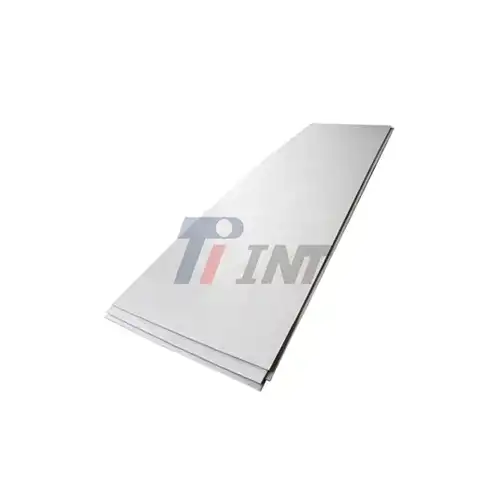
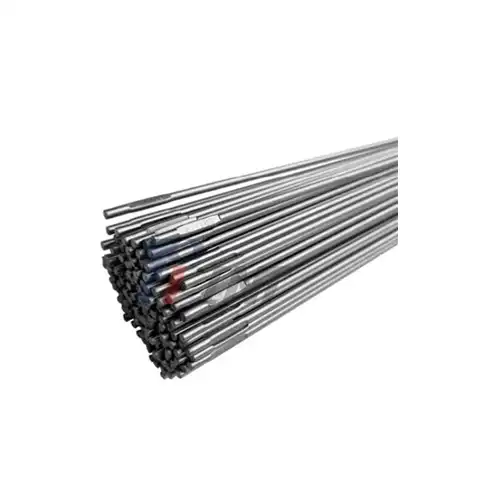
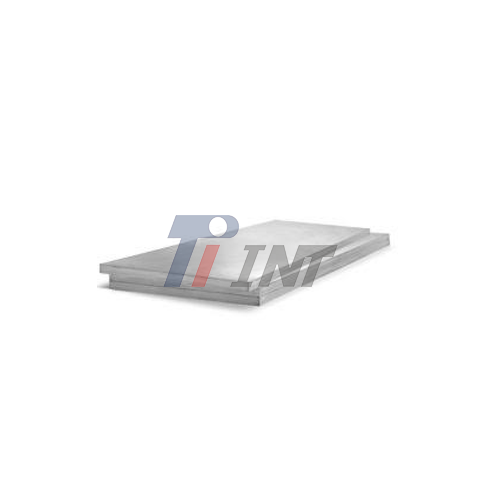
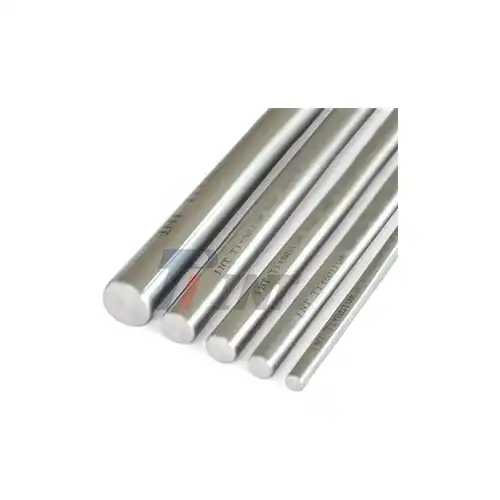
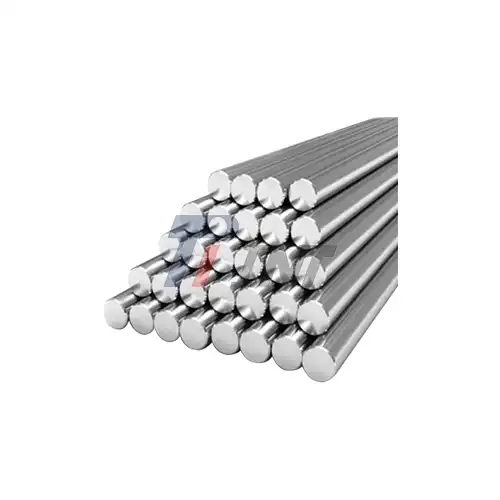
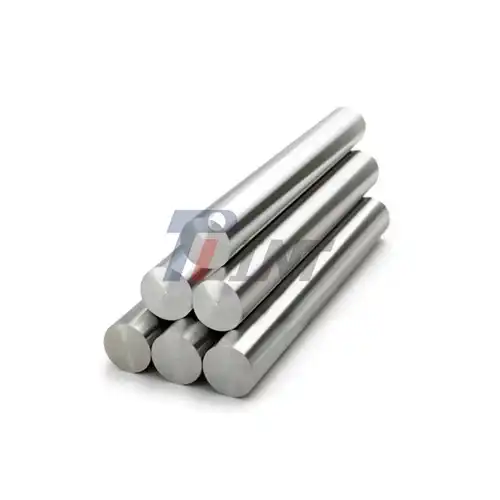
Since 2003, Baoji INT Medical Titanium Co., Ltd. has been a specialist in medical-grade titanium materials. They work with companies around the world that make orthopedic devices, cardiovascular implants, and precise surgical tools. Our wide range of products includes Ti6Al4V ELI plates, rods, and wire that are specifically made for sternal attachment systems. They are all made using quality control systems that are ISO 13485:2016 and CE-certified.
You can trust our titanium plate for open heart surgery because we give you full material traceability paperwork, mechanical property certifications, and biocompatibility test results that make it easier for you to send your regulatory submissions. Technical support teams with more than 30 years of experience handling titanium can help with choosing the right material, meeting unique size needs, and following quality control standards. You can email our procurement experts at export@tiint.com to get samples of materials, talk about prices for large orders, or set up an audit of your plant.
References
1. Allen KB, Thourani VH, Naka Y, et al. "Randomized, multicenter trial comparing sternotomy closure with rigid plate fixation to wire cerclage." Journal of Thoracic and Cardiovascular Surgery, 2017; 153(4): 888-896.
2. Gorlitzer M, Wagner F, Pfeiffer S, et al. "A fixation technique for the prevention of sternal dehiscence after cardiac surgery." Annals of Thoracic Surgery, 2010; 90(6): 1902-1908.
3. Losanoff JE, Jones JW, Richman BW. "Primary closure of median sternotomy: techniques and principles." Cardiovascular Surgery, 2002; 10(2): 102-110.
4. Niinomi M. "Mechanical properties of biomedical titanium alloys." Materials Science and Engineering A, 1998; 243(1-2): 231-236.
5. Raman J, Lehmann S, Zehr K, et al. "Sternal closure with rigid plate fixation versus wire closure: a randomized controlled multicenter trial." Annals of Thoracic Surgery, 2012; 94(6): 1854-1861.
6. Song DH, Lohman RF, Renucci JD, et al. "Primary sternal plating in high-risk patients prevents mediastinitis." European Journal of Cardio-Thoracic Surgery, 2004; 26(2): 367-372.
_1752818317695.webp)
_1752462620877.webp)
_1750663253486.webp)