
Effectiveness considerations when using titanium sheet


 2026-06-08 14:28:11
Understanding the 2mm size is a key decision point for medical device makers and tech teams when looking at how well titanium sheets work in different situations. When looking for widely pure Grade 2 or titanium sheet 2mm thick offers the best combination of strength and ease of use. This thickness gives enough mechanical strength for surgery instruments, implant parts, and imaging tools while still letting them be shaped into complicated shapes. This specification is great for procurement managers in FDA-regulated manufacturing who want long-term performance and regulatory compliance. It's resistant to corrosion in sterilization environments, biocompatible for direct tissue contact, and lighter than stainless steel alternatives.
|
|
|

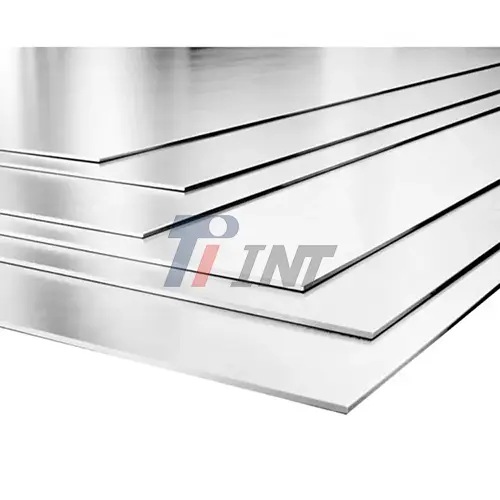
Understanding Titanium Sheet 2mm: Properties and Performance
Core Physical and Mechanical Characteristics
A titanium sheet 2mm has a scientific shape that shows it meets strict material standards that are needed for medical uses. Titanium Grade 2 is commercially pure and has a density of 4.51 g/cm³, which is about 56% that of stainless steel. This means that surgery tools and portable diagnostic devices can carry more weight. Grade 2 material has a yield strength of about 275 MPa, but different types of the Ti-6Al-4V metal can have numbers higher than 828 MPa. This gives engineers a choice based on the load-bearing needs.
From working with companies that make medical instruments, we know that elongation qualities are very important during the manufacturing process. Grade 2 titanium keeps about 20% of its elasticity, which makes it easier to deep-draw implant housings and instrument cases without cracking on the surface. The value of elasticity is about 105 GPa, which is about half that of steel. This means that it has great spring-back properties that are important for clips, retractors, and flexible connection parts.
Manufacturing Process Impact on Quality
The end performance of 2mm titanium sheets is determined by the cold rolling and annealing methods. According to ASTM B265, materials that go through controlled cold reduction and then vacuum heating have better grain structure consistency and can be made to fit measurements within ±0.15mm. This level of accuracy is important when making parts that need to be very precise for FDA applications and CE marking paperwork.
The factors of heat treatment have a direct effect on how hard and flexible a material is. The best mix between being able to shape the metal and keeping its strength is achieved at annealing temperatures between 650°C and 750°C. This is especially important when purchasing teams are looking at sources for custom specs. The type of surface finish—mill finish, brushed, or polished to Ra 0.4μm—affects both how things look and how they should be cleaned in medical production settings.
Advantages Over Alternative Thickness Options
The 2mm standard fixes some technical problems that can't be solved as well with thinner or wider gauges. Sheets that are less than 1.5 mm thick may oil-can or buckle under the pressure of working in heat exchangers or cleaning boxes. In contrast, sizes larger than 3mm raise the cost of materials and make cutting more difficult, but they don't improve performance by the same amount for most medical device uses.
The ability to bend radius shows useful benefits. When Grade 2 titanium is 2 mm thick, it usually needs a bend radius of 2T (4 mm), which lets complex shaping be done for tool handles and implant cases. This formability is better than similar stainless steel gauges, and it doesn't rust even after being sterilized in an autoclave many times, which is something that makers of medical instruments often complain about when they're trying to keep costs down over the life of their products.
Comparative Analysis: Titanium Sheet 2mm vs Alternatives
Titanium vs Stainless Steel 316L
For surgery uses, medical device engineers often compare 316L stainless steel sheets to titanium sheet 2mm products. Even though stainless steel is cheaper to buy at first, titanium is stronger for its weight and better at resisting rust. A 2mm titanium sheet weighs about 9.02 kg/m², while the same-sized stainless steel sheet weighs about 15.7 kg/m². This means that doctors will not get as tired during long treatments when titanium is used in handheld tools.
Corrosion resistance differences become critical in chloride-rich sterilization environments. Stainless steel 316L remains susceptible to crevice corrosion and pitting after repeated exposure to saline solutions and autoclave cycles, whereas titanium maintains a stable, self-repairing TiO₂ oxide film. We've observed that procurement teams increasingly prioritize total cost of ownership rather than purchase price alone, recognizing that titanium components often outlast stainless steel alternatives by 300-500 percent in corrosive medical environments.
Grade 2 vs Ti-6Al-4V Performance Profiles
Depending on the needs of the product, you can choose between commercially pure Grade 2 titanium and Ti-6Al-4V metal. Grade 2 is great for making things like sterilization tubs and tool trays because it can be welded and cold shaped very well. It has a tensile strength of about 340 MPa, which is strong enough for non-load-bearing uses and makes it very resistant to rust.
At 828 MPa, Ti-6Al-4V (Grade 5) has almost three times the yield strength that is needed for load-bearing implant parts and high-stress surgery tools. This metal, on the other hand, needs bigger bend radii (4T–5T, or 8–10mm for 2mm sheets) and is harder to machine. When choosing material types for custom uses, procurement managers have to weigh the mechanical needs against the difficulty of the manufacturing process.
Cost-Value Analysis Against Alternative Metals
Titanium is usually 400–600% more expensive per kilogram than aluminum and 200–300% more expensive than stainless steel. But estimates of lifetime value show different results. A client in the chemical processing industry reported that titanium heat exchanger plates lasted 12 years, compared to three years for 316L stainless steel in their desalination application. This meant that the total cost was 25% less, even though the material cost four times as much at first.
The abundance of markets and the competitiveness of suppliers have a big impact on buying strategies. Established makers with ISO 13485:2016 certification and full material tracking paperwork command higher prices but lower supply chain risks for companies that make medical devices that are being audited by the FDA. More often than not, it's more important to judge providers by how full their certifications are, how reliable their deliveries are, and how well they can help with technical issues.
Application Scenarios and Effectiveness in Real-World Use
Medical Device Manufacturing Applications
Titanium sheet 2mm specifications are used a lot by companies that make surgical instruments for making retractors, forceps housings, and diagnostic device cases. A company that makes dental instruments that we work with switched from using stainless steel to Grade 2 titanium for the housings of their orthodontic tools. This made the tools 42% lighter and more comfortable for patients during long procedures. Because the material isn't magnetic, there were no worries about its compatibility with MRIs. This meant that the product could be used in surgery settings close to imaging equipment.
Implant Component Fabrication
Creating implantable parts is another important application. Orthopedic companies use 2mm titanium sheets to make acetabular cup shells and spine cage parts because the material is biocompatible and has the same modulus as human bone (105 GPa vs. 110 GPa for cortical bone). This mechanical similarity lowers the stress buffering effects that cause implants to come loose, which is a big benefit that helps keep implant success rates high over time.
Chemical Processing and Marine Industries
Chemical processing plants use 2mm titanium sheets for more than just medical purposes. They use them to line reactor vessels and protect pipeline parts that are exposed to acidic or salt environments. A desalination plant operator said that titanium heat exchanger plates needed no upkeep for corrosion after seven years of constant use in seawater. This is in contrast to nickel-copper alloy versions, which need to be replaced every year.
Aerospace and Specialized Industrial Uses
2mm titanium sheets are used by aerospace companies to make non-structural parts like access doors, firewall screens, and heat shields. The material is stable at high temperatures and doesn't catch fire, so it meets strict safety standards and helps meet weight-reduction goals. A company that makes parts for business airplanes said that using titanium instead of aluminum in the housings for kitchen equipment saved 18 kg of weight per plane, which directly led to lower fuel costs over the life of the plane.
Automotive Applications
Applications in the automotive industry keep growing, especially in electric and high-performance cars. Titanium exhaust parts and structure reinforcement plates are lighter, which is important for extending the range of electric vehicles. The material is more resistant to wear than stainless steel when it comes to thermal cycling. This means that guarantee claims for high-performance exhaust systems are less likely to happen.
Procurement Considerations: How to Source Quality Titanium Sheet 2mm?
Certification Standards and Supplier Qualifications
To get medical-grade titanium, you have to make sure that you meet a number of approval standards. ISO 13485:2016 approval shows that a supplier knows how to handle quality systems for medical devices, and ASTM B265 compliance makes sure that the material meets the requirements for chemical composition and mechanical properties. Suppliers who want to send parts for implantable devices to the U.S. market will have to register with the FDA.
Material traceability documentation represents a non-negotiable requirement for medical applications. There should be mill test papers for each output lot that list the heat numbers, chemical analysis results, and mechanical test data. Suppliers should keep track of all the raw materials that go into their goods and all the steps that are taken to make them. This way, they can quickly respond to regulatory checks or acts in the field.
Supply Chain Logistics and Customization Options
Lead times for titanium sheet 2mm orders vary a lot depending on how complicated the specifications are and how many orders are placed. Standard mill-finish sheets in popular sizes usually ship within 4 to 6 weeks from reputable sources who keep stock on hand. Depending on production plans, custom specs like specific thicknesses, surface finishes, or non-standard sizes may take 8 to 12 weeks.
Cut-to-size services help buyers save money on trash and manufacturing costs. As extra services that add value, many providers offer precise cutting, edge finishing, and the application of protection coatings. We've found that procurement teams do better when they work with sellers that offer more than just selling raw materials. This is especially true when they are in charge of handling multiple SKUs across different product lines.
Minimum order quantities affect smaller makers and prototyping shops. Large-scale makers may buy lots of 500 to 1000 kg, but medical device startups usually need smaller amounts. Finding sellers who are ready to take 50–100 kg orders, even if it means paying a little more per unit, lets you make changes quickly and keeps your capital from being stuck in inventory.
Pricing Structures and Negotiation Strategies
Titanium prices depend on a lot of market factors, such as the supply of raw materials, the cost of energy, and the demand cycles in the aircraft industry. Setting prices and number promises every three months helps keep costs stable so that production plans can be made. Suppliers like it when customers consistently place orders, and they often give customers with steady demand better prices.
Protocols for testing samples before making big promises protect against problems with the quality of the material. Asking for test amounts of 10 to 20 sheets lets you try out fabrication, make sure the mechanical tests are correct, and look over the quality system before deciding on a provider. This method lowers the risk when switching providers or making sure that new sources are good enough to be added to approved dealer lists.
When buying things internationally, payment terms and price issues come into play. If a medical device company buys from Asian or European suppliers, they should look at their currency risk and discuss terms that protect them against changes in the exchange rate for big orders. Letters of credit, trust agreements, and payment plans based on milestones all offer security for both parties while the relationship is still being built.
Performance Optimization and Best Practices for Using Titanium Sheet 2mm
Machining and Fabrication Considerations
When working with titanium sheet 2mm material, you need to use different methods than when working with stainless steel or aluminum. To keep work from getting too hard, cutting speeds should be between 40 and 60 percent of those used for steel, and sharp carbide or polished tools should be used. Enough coolant flow stops heat damage and increases tool life, which is an important thing to think about when figuring out how much it will cost to make complicated shapes.
Understanding titanium's spring-back properties is helpful for forming processes. Because the material has a lower amount of elasticity than steel, it recovers more easily from being bent, so it needs to be over-bent by 15 to 20 percent to get to the final angles that are wanted. Taking this behavior into account in progressive die designs lowers the amount of scrap and raises the accuracy of dimensions in high-volume production settings.
Surface Treatment and Contamination Prevention
Surface pollution has a big effect on how well titanium works, especially in medical uses that need biocompatibility. Galvanic rusting can't start if iron isn't present during storage, handling, or manufacturing. Cross-contamination risks are kept to a minimum with stainless steel or plastic tools, dedicated titanium-only work areas, and separate storing systems.
Passivation processes improve the natural oxide layer, which makes the surface less likely to rust and more compatible with living things. Following the ASTM F86 guidelines for nitric acid passivation makes uniform oxide layers that are perfect for implanted parts. When suppliers offer passivation services as part of finishing processes, medical device makers don't have to do as many steps of handling and quality control.
Maintenance and Lifecycle Management
Titanium's resistance to rust is maintained throughout its service life by following the right cleaning methods. Cleaners that are alkaline or mildly acidic get rid of dirt and grime without hurting the oxide layer. By staying away from rough cleaning methods that damage surfaces, you can keep the passive film integrity that is needed for long-term performance in physiological and chemical conditions.
As part of the inspection process, discoloration that could mean heat damage or contamination should be looked for. Blue, purple, or gold rust colors mean that the metal has been exposed to too much heat during welding or forming, which could damage its mechanical qualities. Setting acceptance standards and inspection rates based on how important the application is makes sure that quality stays high throughout the lifecycle of a component.
Storage conditions affect material properties over time. Titanium sheets should be stored in climate-controlled spaces with less than 70% relative humidity and away from other metals that aren't the same. Putting sheets between each other with paper or plastic film stops damage to the surface during handling and keeps the perfect state needed for medical device uses.
Conclusion
For titanium sheet 2mm uses to be effective, the material specifications must meet the needs of the application while total ownership costs must be kept low. The 2mm gauge is useful for making medical devices, surgical tools, and other specialized industry uses where high-quality materials are needed for reasons like biocompatibility, corrosion resistance, and strength-to-weight ratios. To be successful at procurement, you need to work with certified providers who offer full traceability, expert help, and regular quality. Knowing about machining features, surface treatment needs, and lifecycle management methods helps you get the most out of your investments while also meeting legal requirements, which is very important in medical device manufacturing settings.
FAQ
Q1: What strength properties does a 2mm titanium sheet provide?
A: At 2 mm thick, Grade 2 commercially pure titanium has a yield strength of about 275 MPa and is very flexible, making it a good choice for medical tools and parts that don't need to hold weight. Different types of the Ti-6Al-4V metal have a yield strength of more than 828 MPa, making them suitable for load-bearing implant parts and high-stress situations that need better mechanical performance.
Q2: How does titanium compare to stainless steel for corrosion resistance?
A: Titanium has a steady oxide film that repairs itself, which makes it more resistant to corrosion in chloride settings, saline solutions, and repeated rounds of cleaning. In the same conditions, crevice corrosion and pitting can still happen to stainless steel 316L, so it needs to be replaced more often in hospital and naval settings.
Q3: What typical lead times should we expect when ordering titanium sheets?
A: Standard standards from well-known sources usually ship between 4 and 6 weeks. Depending on production plans, it may take 8 to 12 weeks for custom thicknesses, finishes, or sizes that aren't normal. Keeping in touch with sellers who keep stock cuts down on wait times for urgent needs.
Q4: Are there minimum order quantities for titanium sheet purchases?
A: Each seller has different minimum order amounts. Large-scale businesses usually need 500–1000 kg lots, while sellers to medical device companies may be able to handle 50–100 kg orders. Talking about number needs during seller qualification helps you find partners whose buying habits match yours.
Partner with Baoji INT Medical Titanium Co., Ltd. for Reliable Medical-Grade Titanium Sheet 2mm Supply
Baoji INT Medical Titanium Co., Ltd. has 30 years of experience working with medical-grade titanium products and helps device makers who need stable quality and full regulatory compliance. With ISO 13485:2016 and CE certifications, we are a well-known provider of titanium sheet 2mm. We offer full material tracking, custom cut-to-size services, and technical advice to help with your R&D and production needs. We offer a wide range of goods, such as bars, wires, plates, and forged items made from commercially pure titanium and Ti-6Al-4V ELI alloy that meet ASTM and FDA standards.
Supply chain managers and R&D engineers benefit from our reliable delivery, quality control systems that have been proven by ten-year partnerships with clients, and quick expert support that helps with everything from choosing the right materials to making the best use of processes. For your next medical device project, email our team at export@tiint.com to talk about your needs, get material certifications, or set up sample tests.
References
1. Boyer, R., Welsch, G., & Collings, E.W. (2021). Materials Properties Handbook: Titanium Alloys. ASM International, Materials Park, Ohio.
2. Donachie, M.J. (2020). Titanium: A Technical Guide, 3rd Edition. ASM International Publishing.
3. American Society for Testing and Materials. (2019). ASTM B265-19: Standard Specification for Titanium and Titanium Alloy Strip, Sheet, and Plate. ASTM International, West Conshohocken, Pennsylvania.
4. Froes, F.H. & Qian, M. (2018). Titanium in Medical and Dental Applications. Woodhead Publishing Series in Biomaterials, Cambridge, United Kingdom.
5. International Organization for Standardization. (2016). ISO 13485:2016 Medical Devices - Quality Management Systems - Requirements for Regulatory Purposes. ISO Standards Catalogue, Geneva, Switzerland.
6. Rack, H.J. & Qazi, J.I. (2019). Titanium Alloys for Biomedical Applications: Processing, Performance, and Clinical Outcomes. Materials Science and Engineering Reports, Volume 213, Pages 1-104.
_1752462620877.webp)
_1750668472070.webp)
_1750209732185.webp)