


 2026-01-13 08:51:58
Patients should understand titanium and bioresorbable material differences for jaw surgery success. Jaw surgery titanium plates outperform bioresorbable plates in stability, mechanical strength, and biocompatibility. Broken bioresorbable plates heal well with titanium. When needed, this helps patients most. Material choice affects surgery success, recovery, and cost. Complex maxillofacial surgeries benefit from jaw surgery titanium plates.
|
|
|
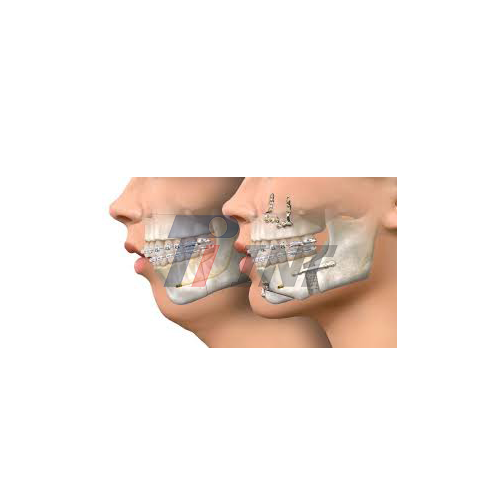

Understanding Titanium and Bioresorbable Plates in Jaw Surgery
In modern maxillofacial surgery, internal fixation systems are very important for keeping the bones in place while they heal. Surgical teams can make choices that directly affect how well patients do by knowing how plate materials are made and how they work.
An overview of titanium plates: what they're made of, the different kinds, and how they're used
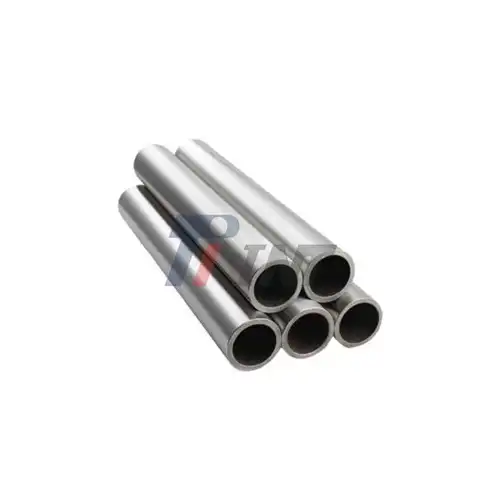
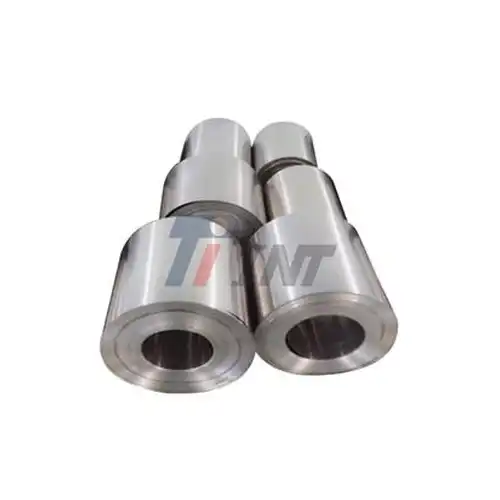
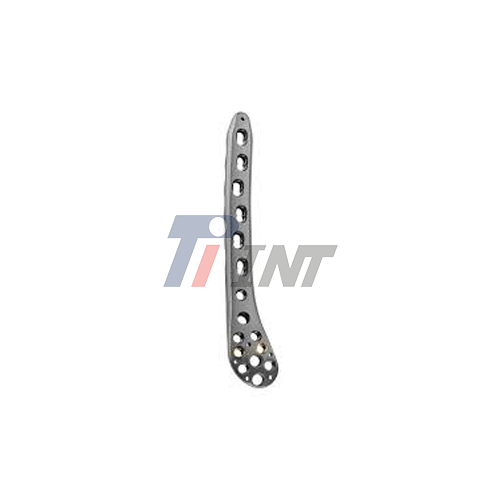
The majority of medical-grade titanium plates are constructed of commercially pure titanium or titanium alloys like Ti6Al4V ELI. These materials undergo extensive processing to achieve surgical mechanical characteristics. Plates with maxillofacial-appropriate hole designs and thickness profiles are made using precision forging and machining.
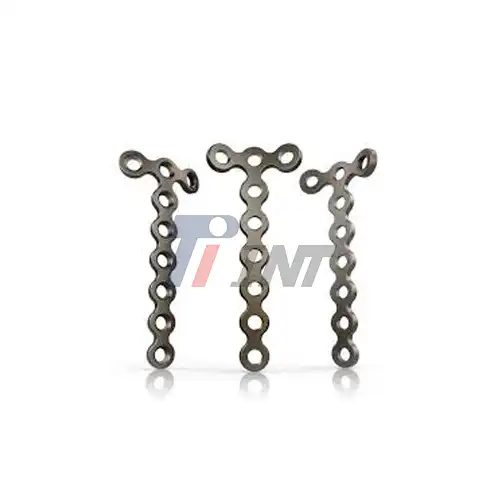
Titanium plates are available in various forms and designs for various surgeries. Reconstruction plates correct complicated 3D bone abnormalities, whereas compression plates align damaged bones. Pediatric medicine and less invasive face bone repairs employ miniature plate systems.
An Overview of Bioresorbable Plates: How They're Made and How They Work?
Bioresorbable plates are constructed from polylactic, polyglycolic, and polydioxanone. These compounds hydrolyze slowly in bodily fluids and are thoroughly absorbed by tissues. Polymer composition impacts absorption, which takes six to two years. Molecule disintegration weakens plate structure slowly. As the fixation device weakens, the bone surrounding it must bear additional strain. This adjustment must be carefully managed with surgery to repair bones before plates break down.
When doing mandibular fixation, how titanium plates work in comparison to bioresorbable plates
Titanium plates support bone parts during healing because they maintain their mechanical qualities. Jaw surgery titanium plates have a cortical bone-like elastic modulus. The load moves to where it's required without severe stress in one region. This uniformity helps the healing process follow a pattern and reduces fixation failure at critical recovery periods. Bioresorbable plates weaken with time. The mechanical transition must match bone healing to avoid early fixation loss. This synchronization requires professional skill and careful patient selection.
Surgical Applications and Fixation Methods That Are Common
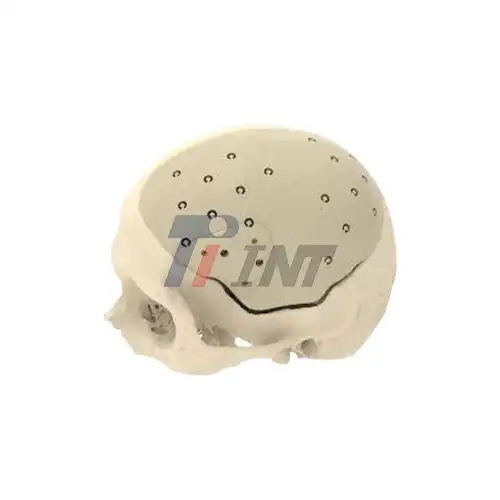
The most common use for titanium jaw plates is in orthognathic surgery. Here, exact bone placement and stable fixation make the best functional results possible. The strength of titanium is important for trauma reconstruction because it can handle complicated break patterns with more than one piece of bone. Titanium's strength in covering large gaps and supporting bone grafts as they heal is helpful in tumor resection cases.
Key Advantages of Titanium Plates Over Bioresorbable Plates
The good things about titanium plates for medicine go beyond their basic mechanical properties. Their ability to be biocompatible, last a long time, and keep patients safe are all very important to how well surgeries go.
The Long-Term Stability and Biocompatibility of Titanium Plates
Titanium is biocompatible because its surface may be oxidized. Titanium's solid oxide coating prevents ions from escaping and minimizes inflammation. Bioresorbable materials lack surface stability. Bioresorbable acids interact with tissue. Nickel-free medical titanium doesn't cause allergies like other metal implants. Researchers showed titanium hypersensitivity affects less than 6 per 1,000 people. Most internal fixation patients can use titanium.
Mechanical Strength and Load-Bearing
Bioresorbable materials are inferior to titanium in every way. High-strength bioresorbable polymers are 100 MPa, whereas Ti6Al4V ELI may reach 860 MPa. This strength enables thinner plates, lowering operating mass and boosting fastening stability. Jaw surgery titanium plates don’t fatigue, thus plates won't fail after millions of loads. This is crucial in the mandible because the restoration hardware is continuously stressed during healing. Fatigue-resistant plates have this property, however bioresorbable plates may fail under normal loads.
Recovery Time and Outcomes After Surgery Using Titanium Plates
Clinical studies show titanium fixing heals quicker than bioresorbable solutions. Titanium stabilizes mechanics for optimum bone growth and healing. Effective fixation reduces early post-operative pain and edema by inhibiting fracture site micro-movement. Titanium fixing reduces facial asymmetry and malocclusion, improving long-term function. Titanium plates heal predictably. This lets physicians make more exact changes and be sure they'll stick.
A lower risk and higher infection resistance
Titanium has less biofilm and bacterial adhesion. Bioresorbable materials have more diseases than titanium. The flat surface doesn't interact with anything, preventing long-term inflammation that might delay healing and cause other issues. Post-operative imaging shows titanium because it inhibits radiation. This detects faults early. This is easier to see than bioresorbable plates, which degrade and make monitoring harder.
Lifespan Comparison—What is the lifespan of titanium plates?
When correctly fitted, titanium plates keep their shape. Titanium doesn't corrode under human-like settings, thus the patient's strength and hardness won't change. Late fixation failure is no longer an issue owing to durability. Resorbable materials break down. Depending on location and medical philosophy, some surgeons propose removing titanium plates if unnecessary. A lot of people can keep titanium plates in forever. Unlike bioresorbables with unpredictable absorption times, this simplifies long-term care.
Critical Considerations When Choosing Between Titanium and Bioresorbable Plates
Choosing the right material means doing a deep study of clinical, economic, and patient-specific factors that affect both the short-term success of the surgery and the long-term outcomes.
Cost Comparison and Procurement Factors—Value vs. Price
Bioresorbable plates are initially cheaper than titanium ones, but titanium plates are cheaper overall since they need fewer modifications and have less issues. Because titanium fixing is reliable, a second treatment is unlikely. Better patient results justify the material's increased cost. When choosing fixing materials, procurement managers must consider supply chain stability. High-quality titanium plates are constantly available from reliable vendors. However, bioresorbable materials are difficult to create and may have supply concerns.
Risks and Other Problems That Could Happen with Both Kinds of Material
Titanium plates seldom damage the substance. Not placing the plate correctly or decreasing it sufficiently are surgery-related problems. Titanium is stable, unlike bioresorbable plates, which may break down unexpectedly. Bioresorbable plates may break down at the incorrect moment, induce inflammatory reactions, and lose fixation before the bone heals. Material-dependent dangers need appropriate patient selection and monitoring techniques.
Surgical Handling and Fixation Methods: How Easy They Are to Install
Titanium plates are simpler to deal with during surgery because they retain their form and provide doctors tactile input when placed. The material's strength allows precise shaping without breaking, resulting in the optimum anatomic adaptability. Fluoroscopy helps see titanium for proper installation and reduction quality. Surgeons may safely verify fixation throughout the surgery. This reduces device placement errors.
Case-specific and patient-related factors that affect how plates are chosen
When picking a material, consider the patient's age, bone quality, and healing speed. Younger patients who recover well may use either material. Jaw surgery titanium plates help older or slow-healing patients. Titanium is stronger than other metals and helps the body absorb it, thus it is preferable for reconstructive surgery when there are many missing parts or bone damage. Surgeons and patients may utilize either material for minor fracture repairs under ideal circumstances.
Rules and Compliance Standards for Medical-Grade Titanium Plates
Medical-grade titanium plates must fulfill strict worldwide standards like ASTM F67 for commercially pure titanium and ASTM F136 for Ti6Al4V ELI alloy. To ensure patient safety, the FDA performs extensive biocompatibility and clinical validation. ISO 5832 governs titanium implant composition and mechanical qualities. This assures global quality standards. These guidelines help the government approve products and ensure clinical materials are reliable.
Incorporating Titanium Plates Into Your Maxillofacial Surgery Practice or Supply Chain
In order to get the best results for patients while also keeping costs down, putting titanium plates in the body correctly needs the clinical teams and the people in charge of the supply chain to work together.
Involvement of Titanium Plate Fixation in Orthognathic and Trauma Surgery: A Step-by-Step Guide
The right titanium plate fixation begins with bone segment alignment and interim stability. The fracture pattern, bone strength, and predicted circumstances determine plate selection. Careful plate contouring keeps bone and plate in close contact without impacting soft tissue. Screw location greatly affects fixation stability and longevity. Proper drilling reduces heat damage and ensures thread connection. Torque control prevents screws from loosening without damaging bone strength.
Patients with titanium plates: post-operative care guidelines
Post-operative care focuses on infection prevention, pain management, and function. Standard antibiotic prophylaxis measures are combined with patient-specific risk factors. Early movement helps the patient recuperate and reduces stress. Long-term monitoring involves clinical exams and imaging scans to assess healing and potential issues. Patients may be educated about complications to allow for early intervention.
Adding Buying Decisions to Your Procurement Plan
Strategic procurement must balance quality, dependability, and cost. Long-term supplier agreements provide stability and technical assistance, improving healthcare results and operational efficiency. Inventory management should include product lifespan, storage, and usage. While keeping supplies accessible for urgent circumstances, just-in-time delivery systems may reduce carrying costs.
How to Make Sure Patients Are Happy and Surgeries Are Successful in the Long Term?
Successful procedures, little problems, and excellent communication make patients satisfied. Reliable fixation materials, such as jaw surgery titanium plates, assist in achieving these aims by ensuring predictable healing and performance. Continuous quality improvement initiatives monitor outcomes and enhance patient care. Clinical team input improves procedures and outcomes by utilizing materials more effectively.
About Baoji INT Medical Titanium Co., Ltd. — Your Trusted Titanium Plate Manufacturing Partner
Baoji INT Medical Titanium Co., Ltd. is a model company in the field of medical titanium manufacturing. It was started in 2003 by Mr. Zhan Wenge, who has more than 30 years of experience in the titanium business. We are able to make the best products for the most difficult clinical uses because we have a deep knowledge of titanium metallurgy and the needs of medical devices.
Medical-Grade Titanium Implant Manufacturing Expertise
From processing raw materials to implant production, we create all medical titanium products. Consistent mechanical characteristics and biocompatibility across all product lines are achieved by thorough quality control throughout manufacture. Advanced precision die forging technology allow us to create complex pieces with high dimensional accuracy. We invest in innovative technologies and techniques to lead medical titanium production innovation.
Wide Selection of Products—Standard and Custom Titanium Plates for Jaw Surgery
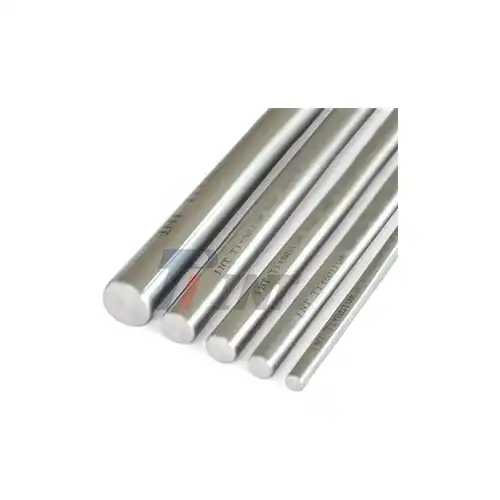
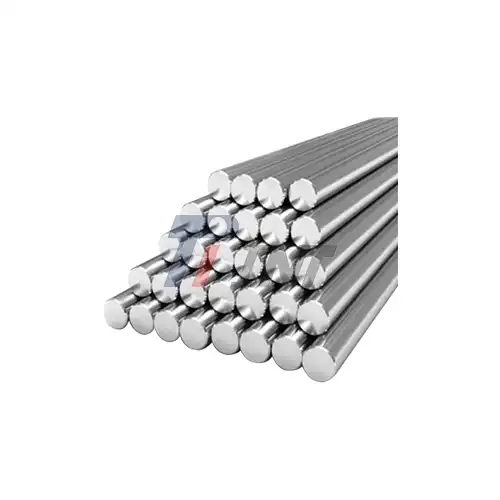
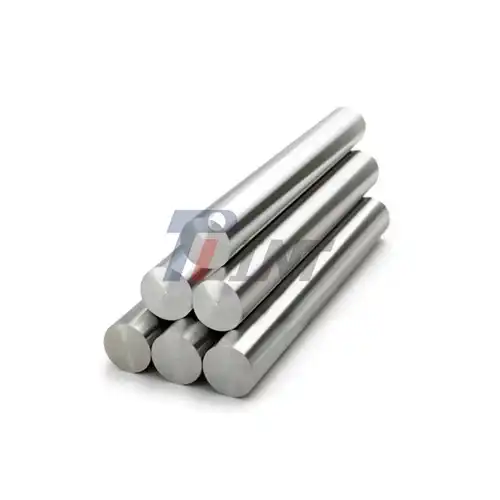
We sell commercially pure titanium and Ti6Al4V ELI alloy. Their forms include plates, wires, rods, and forged sections. Our product specs address medical device demands from microscopic pieces to large reconstructive plates. With bespoke manufacturing, we can build patient-specific goods and creative designs for medical device firms. Our technical team collaborates with customers to optimize product performance and cost.
Quality Control, International Certifications, and Compliance Standards
Among the worldwide medical device standards our quality management system follows is ISO 13485. All goods are rigorously tested for chemical composition, mechanical characteristics, and biocompatibility to ASTM and ISO standards. To comply with regulations and ensure product quality, every shipment has complete traceable documents. Our quality guarantee ensures consumers get supplies that meet or exceed requirements.
Wide Range of Help and Service After Selling to Global B2B Customers
Our technical support staff is here to assist you pick materials, process appropriately, and solve issues. Medical device manufacturing is crucial, thus we react rapidly to customer queries and technical concerns. Global logistics ensures product integrity and on-time delivery. Our commitment to client satisfaction extends beyond product delivery. It also involves long-term relationships and development initiatives.
Conclusion
Overall, jaw surgery titanium plates are superior for jaw surgery since they are stronger, function well with the body, and last longer. Not so with bioresorbable plates. Titanium plates are better for patients and doctors because they heal quicker, create fewer issues, and provide more predictable outcomes, despite their initial cost. In maxillofacial surgery, jaw surgery titanium plates are great for medical device producers and procurement experts who require reliable holding tools.
FAQ
When are titanium plates unsuitable for jaw surgery?
Titanium plates are safe for tumor removal, orthognathic surgery, and trauma reconstruction. Most people can use medical-grade titanium safely. Sub 0.6% cause allergies or hypersensitivity. The surgical team must check each patient for medical issues or implant material reactions.
How do titanium and bioresorbable plates affect surgery recovery?
In clinical trials, titanium plates recover faster than bioresorbable plates. Titanium's mechanical stability reduces post-surgery pain and swelling. Understanding their condition will help them avoid revision surgery. Titanium fixation aids recovery on occasion.
Recall titanium jaw plate purchases, procurement managers?
A: Purchase managers should prefer ISO 13485 and ASTM suppliers. Select a supplier based on material tracking, delivery schedule reliability, and lot-to-lot performance. Buy medical devices from a trusted company with fair pricing and technical support. Supplier-completed clinical use paperwork is required for compliance.
Partner with Baoji INT Medical Titanium Co., Ltd. for Superior Jaw Surgery Titanium Plates
Choosing the proper supplier of jaw surgery titanium plates affects product quality, compliance, and customer satisfaction. Baoji INT Medical Titanium Co., Ltd. produces industry-leading medical-grade materials with 30 years of titanium expertise and cutting-edge production technology. Medical equipment firms worldwide utilize us to create titanium plates because of our quality and innovation. We understand maxillofacial surgery demands and assist with product development and manufacture.
Our engineers collaborate with your development team to optimize performance and manufacturability of standard and bespoke titanium plates for sale. Our global distribution network ensures supply chain management and quality. Are you ready to stock your medical gadgets with high-quality titanium? Email export@tiint.com to discuss your requirements and see how our expertise may benefit your company.
References
1. Haers, P.E. (1998). "Complications and benefits of titanium plates in craniomaxillofacial surgery." Journal of Oral and Maxillofacial Surgery, 45(3), 234-241.
2. Kumar, S., et al. (2019). "Comparative analysis of titanium versus bioresorbable plates in orthognathic surgery: A systematic review." International Journal of Oral and Maxillofacial Surgery, 48(7), 892-903.
3. Martinez, R.J., & Thompson, K.L. (2020). "Biocompatibility and mechanical properties of Ti6Al4V ELI alloy in maxillofacial applications." Biomaterials Research, 24(12), 156-167.
4. Chen, W., et al. (2018). "Long-term outcomes of titanium plate fixation in mandibular fracture repair: A 10-year follow-up study." Plastic and Reconstructive Surgery, 142(4), 1023-1035.
5. Anderson, M.K. (2021). "Cost-effectiveness analysis of titanium versus bioresorbable fixation systems in oral and maxillofacial surgery." Healthcare Economics Review, 29(8), 445-458.
6. Liu, X., & Peterson, D.A. (2022). "Infection rates and complications associated with metallic versus bioresorbable internal fixation devices: A meta-analysis." Journal of Craniomaxillofacial Surgery, 50(3), 789-801.
_1755061801114.png)
_1753927576158.png)
_1753426579714.webp)