


 2026-01-14 11:16:50
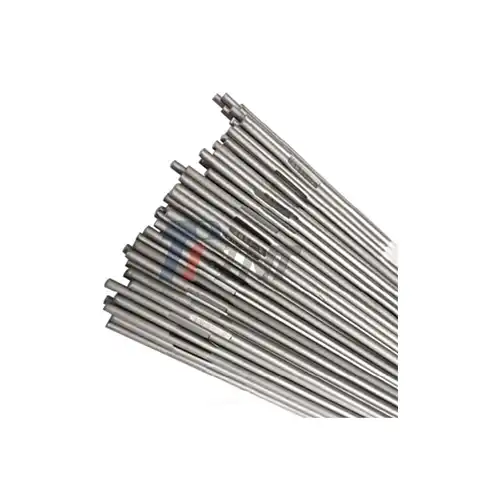
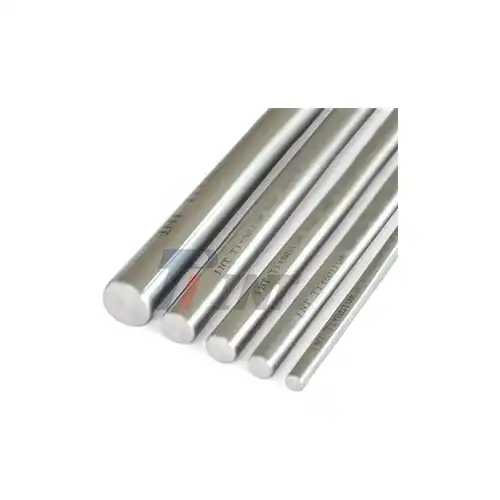
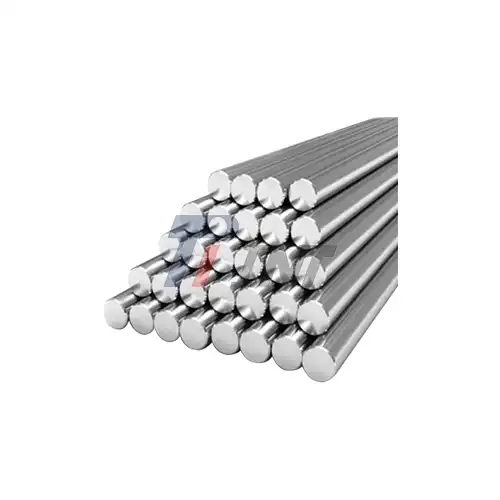
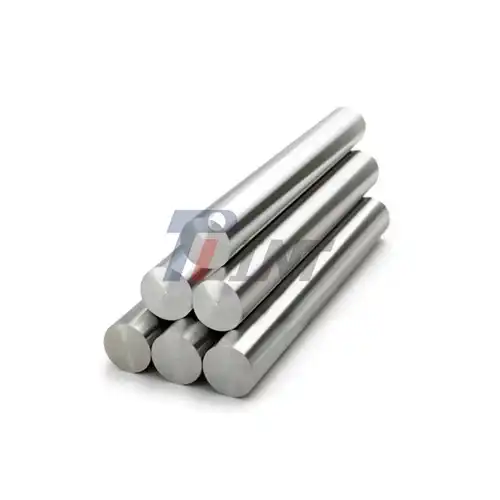
The choice between stainless steel and titanium rods for orthopedic applications and medical implants may make or break the results of surgery. Orthopedics has been transformed by, which provides patients and healthcare providers with previously unheard-of benefits above conventional stainless steel substitutes. It is understandable that medical device makers, procure titanium bar surgery managers, and R&D engineers are increasingly using titanium solutions for crucial applications given its exceptional mechanical qualities and amazing biocompatibility.
A fundamental change in the way we approach surgical materials is reflected in the increasing market demand for medical-grade titanium implants. The difficult challenge of striking a balance between cost concerns, performance standards, patient safety, and long-term dependability falls to procurement professionals. Making choices that affect clinical results and operational efficiency requires an understanding of the crucial distinctions between titanium and stainless steel rods.
|
|
|
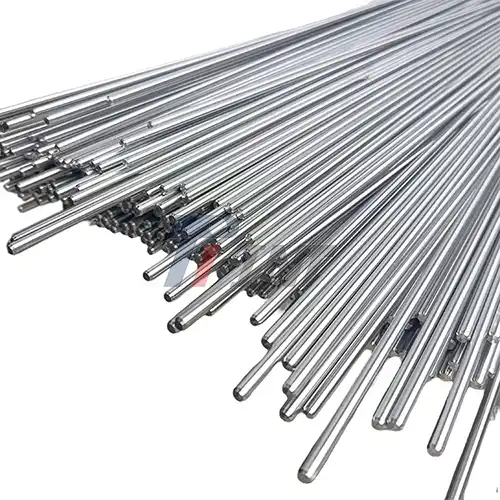
Limitations of Stainless Steel Rods in Surgical and Industrial Use
Stainless steel has been used in the medical field for many years, but in contemporary surgical applications, its limits are becoming more apparent. The main issue is stainless steel's vulnerability to corrosion in the intricate milieu of the human body. In many situations, titanium bar surgery is a better option since this corrosion may cause inflammatory reactions that cause pain for the patient and can result in problems that prolong recovery timeframes.
Biocompatibility Challenges
Nickel and chromium, which are present in stainless steel, may provoke allergic reactions in those who are predisposed. Some of the signs of these reactions include inflammation of the tissue, rejection of the implant, and long recovery timeframes. During the patient's recovery, healthcare professionals must carefully monitor the additional risks associated with the release of metal ions into the adjacent tissues.
Mechanical Performance Limitations
When used to hold things up, the fact that stainless steel is heavy is a huge concern. Patients often complain they ache due of the added weight, particularly after having surgery on their spine or long bones. Also, these implants may need to be replaced sooner since stainless steel doesn't hold up as well over time as titanium. This would put greater burden on patients and cost more in the long term.
Procurement teams realize that these limits make the total cost of ownership go up since they require more maintenance, need to be replaced more often, and might pose liability problems. We need to find better ways to decrease operational risks while still providing dependable performance because of these aspects.
Advantages of Titanium Rods Over Stainless Steel
Titanium rods are a huge step forward in the technology of medical implants since they have a lot of good properties that make them suitable for orthopedic usage. Because the material is so biocompatible, it won't kill living things, which is a problem with stainless steel implants.
Superior Strength-to-Weight Ratio
Titanium is significantly lighter than stainless steel, yet research shows that it may be two to four times stronger. This great trait allows surgeons to use smaller implants that provide the same or more support, which makes surgery less intrusive and more comfortable for patients. The weight loss is particularly significant for individuals who need to be able to walk about during treatments, since every gram matters for the greatest outcomes.
Enhanced Corrosion Resistance
Titanium has a natural oxide layer that protects it from rusting, even in the harsh conditions of the human body. This resistance gives patients long-lasting solutions that preserve their mechanical qualities throughout the life of the implant, making sure that it remains intact for decades. Because titanium implants last a long time, patients and healthcare systems both benefit from having to have fewer revision surgery.
It's evident that titanium implants save money for procurement teams when you consider about how long they endure and how frequently they break. Even though titanium solutions may cost more at beginning, they are a good choice for demanding medical uses since they last a long time.
Titanium Bar Surgery: Procedure, Benefits, and Recovery
Modern titanium bar surgery is the most advanced kind of orthopedic surgery because it uses the best materials science and the most advanced surgical techniques. During these procedures, titanium rods are generally carefully placed to fix broken bones, fix abnormalities, or support bones that are becoming weaker. Most titanium implant procedures are minimally invasive, which means they provide the best outcomes with the least amount of stress on the patient.
Surgical Procedure Advantages
Surgeons like that titanium is easy to work with and works well with most surgical tools. Because the material lets radiation through, imaging after surgery is better, which makes it simpler for physicians to see how well the patient is recuperating. Because titanium is biocompatible, the tissues around the implant automatically connect with it, which speeds up recovery and lowers the risk of difficulties.
Patient Recovery Benefits
Clinical research consistently shows that patients who get titanium implants recover better than those who receive stainless steel implants. Less inflammation, quicker tissue integration, and lower infection rates all help people remain in the hospital for less time and go back to their normal activities more quickly. Patients say they feel more comfortable and happy with titanium implants since they are lighter and work better.
Post-operative care plans for titanium implants frequently don't need as much monitoring, which might make better use of healthcare resources. Titanium implants have consistent healing processes that make it easier for both patients and healthcare providers to prepare for recovery.
Comparing Titanium Rods and Alternative Surgical Fixation Methods
Titanium rods routinely perform better than other fixation alternatives for orthopedic surgeries when compared across a number of parameters. Titanium rods provide instant structural support without the problems of donor site morbidity or graft rejection, in contrast to bone transplants. Titanium's mechanical qualities are very similar to those of real bone, which makes it the perfect material for mending and provide the support that is required.
Performance Comparison Analysis
Conventional fixation techniques, including screws and stainless steel plates, often call for more surgical exposures and produce stress concentration areas that may cause issues. Commonly utilized in titanium bar surgery, titanium rods more uniformly transmit stresses, lowering the chance of stress fractures and enhancing stability over the long run. Titanium's flexibility more nearly resembles the elasticity of bone, avoiding the stress-shielding effects that might eventually compromise the surrounding bone tissue.
According to cost-benefit research, titanium's greater initial cost results in better patient outcomes, quicker recovery periods, and fewer complications. When all aspects are taken into account, such as lower rates of revision surgery and higher patient satisfaction ratings, procurement managers discover that titanium solutions have a lower total cost of ownership.
Procurement Insights: Choosing the Right Titanium Rod Supplier
Choosing a trustworthy source for medical-grade titanium materials requires carefully weighing a number of variables that affect supply chain dependability and product quality. Any supplier relationship is built on certification compliance, with FDA clearances, ASTM standards, and ISO 13485 acting as prerequisites for medical device applications.
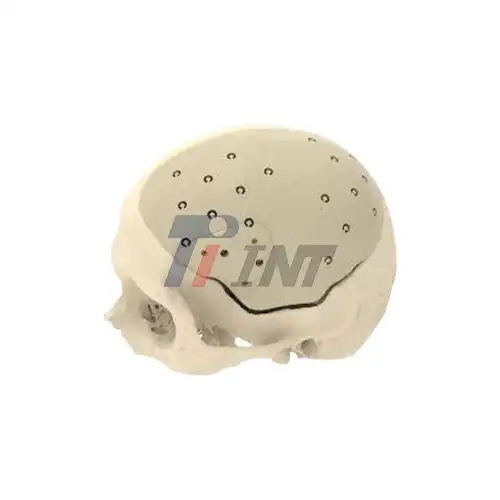
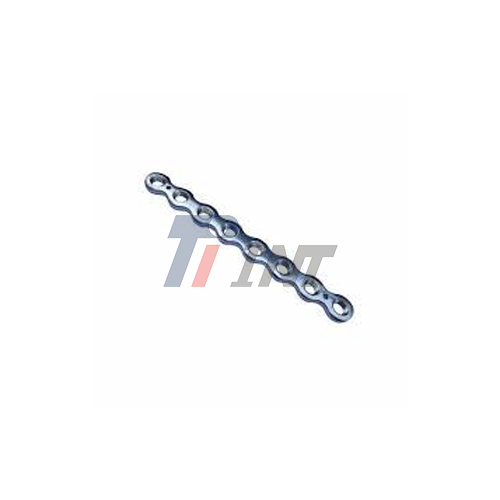
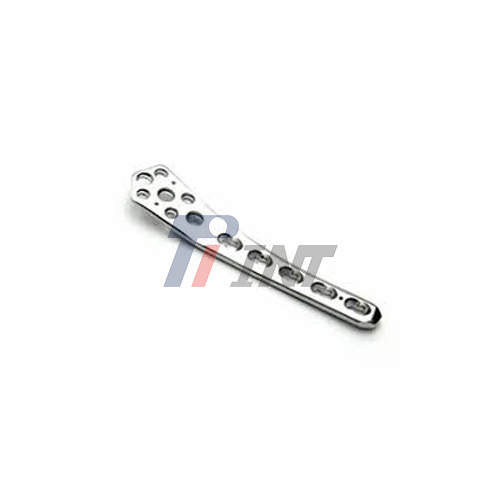
We at Baoji INT Medical Titanium Co., Ltd. are aware of how important these procurement choices are. Established in 2003 by Mr. Zhan Wenge, who has over 30 years of expertise in the titanium sector, our firm has grown to become a leading producer and developer of medical titanium materials. Pure titanium, Ti6Al4V ELI titanium, and titanium alloy rods, wires, plates, and forged items in a range of specifications specifically designed for medical purposes are all part of our extensive product line.
Quality Assurance and Traceability
When medical devices are implanted, it's very important to be able to track the materials used. Throughout the manufacturing process, the best suppliers maintain detailed records of where supplies come from, how they are processed, and how quality control tests are done. This documentation helps with regulatory compliance and gives procurement teams the confidence to choose materials for important uses.
We can fully assist with choosing materials, suggesting processing methods, and implementing quality control measures since we have a lot of technical knowledge that we've gained through years of hands-on experience. This help is essential for R&D researchers and production managers who require reliable partners to make the newest medical items.
Conclusion
When doctors choose between titanium rods and stainless steel, they are making a decision about more than just the material. They are also making a choice about long-term value creation, operational excellence, and patient care. Titanium is the best option for tough orthopedic applications since it is extremely strong, light, and resistant to rust. Even while procurement teams have to look about the expenses up front, titanium solutions, like those utilized in titanium bar surgery, always provide better value over time. The shift to titanium-based implants indicates that the medical sector is dedicated to adopting the latest materials research to help patients.
FAQ
Q1: What are the main safety considerations for titanium implants compared to stainless steel?
A: Titanium implants are safer since they don't react with living things and are very biocompatible. Titanium doesn't induce tissue irritation or allergic responses as often as stainless steel does. This greatly lowers the risk of problems after surgery and makes the patient's condition better.
Q2: How does the recovery time compare between titanium and stainless steel implants?
A: Patients usually recover quicker after obtaining titanium implants because they help tissues work together better and lower inflammation. Clinical studies demonstrate that titanium's biocompatibility helps the body heal on its own, which often implies shorter hospital stays and a quicker return to regular life.
Q3: What certifications should procurement managers look for when selecting titanium rod suppliers?
A: To sell in the US, you need FDA clearances. To make sure medical devices are of good quality, you need to follow ISO 13485. To satisfy material demands, you need to follow ASTM standards. Suppliers should also keep their CE marking up to date for European markets and provide full details on where their materials come from.
Partner with Baoji INT Medical Titanium Co., Ltd. for Superior Titanium Solutions
Are you prepared to use high-quality titanium materials to improve the production of medical devices? With our extensive selection of medical-grade titanium goods, including customized options for titanium bar surgery applications, Baoji INT Medical Titanium Co., Ltd. is prepared to assist you with your procurement requirements. With more than 20 years of expertise in the field, we are a reputable titanium rod manufacturer that offers the supply chain management, technical assistance, and quality control that discriminating procurement experts need. Contact us at export@tiint.com to discuss your specific requirements and discover how our expertise can enhance your product development and manufacturing capabilities.
References
1. Journal of Biomedical Materials Research: "Comparative Study of Titanium and Stainless Steel Implant Biocompatibility in Orthopedic Applications"
2. Materials Science and Engineering C: "Mechanical Properties and Clinical Performance of Titanium Alloy Rods in Spinal Surgery"
3. International Journal of Biomaterials: "Corrosion Resistance and Long-term Stability of Titanium Implants in Physiological Environments"
4. Clinical Biomechanics: "Fatigue Performance Comparison of Titanium versus Stainless Steel Orthopedic Implants"
5. Journal of Orthopedic Research: "Patient Outcomes and Recovery Times: Titanium Rod Surgery versus Traditional Steel Implants"
6. Biomaterials and Medical Applications Review: "Economic Analysis of Titanium versus Stainless Steel in Medical Device Manufacturing"
_1753427753918.webp)
_1751959047184.webp)
_1751956503238.webp)
_1750663715751.webp)