


 2026-01-14 11:16:48
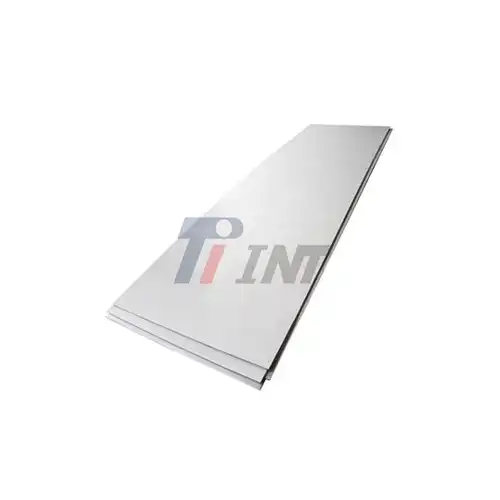
As the gold standard for biocompatible materials in surgical applications, titanium sheets form the foundation of contemporary medical implant technology. Because it combines the best mechanical qualities with outstanding biocompatibility, 3mm titanium sheet has become the favored option for many implant applications among the several thicknesses that are available. By analyzing their distinct qualities, relative benefits, and useful uses that promote clinical success, this in-depth guide investigates why these materials have become essential in the production of medical devices.
|
|
|
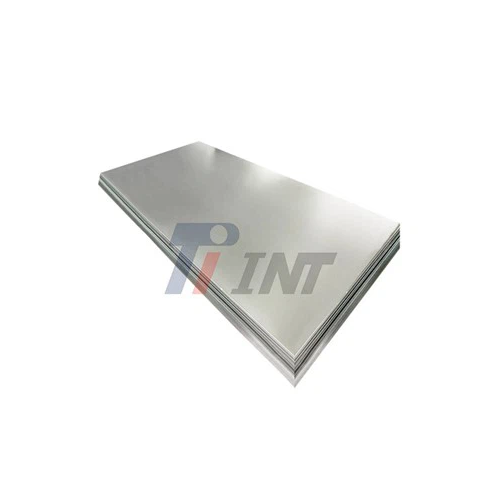
Introducing 3mm Titanium Sheets for Medical Implants
A well designed balance between structural integrity and surgical adaptability may be found in the 3mm thickness standard. In order to guarantee uniform material qualities across production batches, medical-grade titanium sheets of this thickness usually meet ASTM F67 requirements for commercially pure titanium or ASTM F136 requirements for Ti-6Al-4V ELI (Extra Low Interstitial) alloys.
Material Grade Classifications and Properties
Commercially pure titanium of grade 2 is perfect for non-load-bearing applications because of its exceptional formability and corrosion resistance. With a yield strength between 275 and 410 MPa, it offers many implant designs sufficient mechanical support. With a tensile strength of up to 860 MPa, Grade 5 Ti-6Al-4V ELI alloy has exceptional strength qualities, making it appropriate for orthopedic load-bearing implants with high mechanical requirements.
Microstructural Characteristics
Depending on the alloy composition, the microstructure of 3mm titanium sheets displays fine-grained alpha or alpha-beta phases. Excellent fatigue resistance and consistent mechanical qualities throughout the thickness of the sheet are facilitated by this microstructural configuration. In order to retain smooth machining qualities and provide ideal circumstances for osseointegration, the surface roughness usually falls between 0.8 and 3.2 micrometers.
Dimensional Tolerances and Quality Standards
Thickness tolerances of ±0.1mm are maintained by medical-grade 3mm titanium sheets, guaranteeing uniform implant dimensions that are essential for precise surgery. According to ISO 10993 standards, these materials go through stringent testing procedures that include chemical composition analysis, mechanical property verification, and biocompatibility evaluation.
Why 3mm Titanium Sheets Are Preferred Over Other Metals in Medical Implants?
Examining important performance measures that are crucial for the effectiveness of medical implants reveals titanium's advantage over other metals. Titanium has remarkable biocompatibility that reduces harmful tissue interactions, in contrast to stainless steel or cobalt-chromium alloys.
Comparative Strength Analysis
Compared to aluminum alloys, which often have tensile strengths between 140 and 480 MPa, titanium alloys have tensile strengths between 345 and 1380 MPa. Because of this strength advantage, implant profiles may be smaller while still retaining structural integrity, which lessens surgical invasiveness and enhances patient comfort. Despite its strength, stainless steel has a greater density and is more prone to corrosion in physiological settings.
Corrosion Resistance Excellence
The inherent oxide layer of titanium offers unmatched defense against the corrosion of physiological fluids. Unlike other metallic materials that experience galvanic deterioration, research shows that titanium particles discovered in tissue around implants are caused by mechanical wear rather than electrochemical corrosion. This resistance guards against the discharge of harmful ions into the surrounding tissues and guarantees the life of the implant.
Biocompatibility Advantages
Osteointegration is a special quality that distinguishes titanium from other metal. The production of fibrous tissue that is typical of other metals is eliminated when bone tissue establishes direct structural connections with titanium surfaces. Long-term stable implant attachment is encouraged and inflammation is decreased by this biological acceptance.
Benefits and Applications of 3mm Titanium Sheets in Medical Implants
A wide range of medical applications are made possible by the adaptability of 3mm titanium sheets, which also consistently improve performance across surgical specialties. Many medical gadgets that change people's lives are built on these materials.
Orthopedic Applications
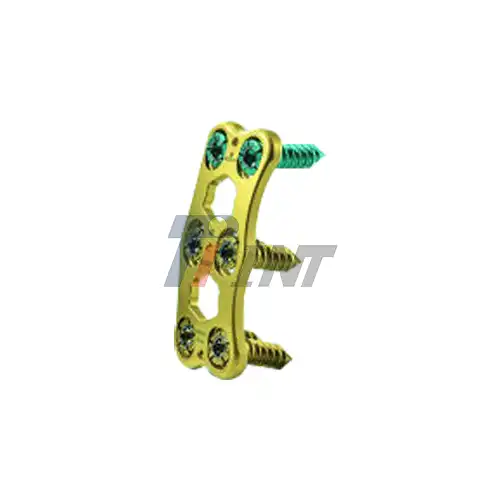
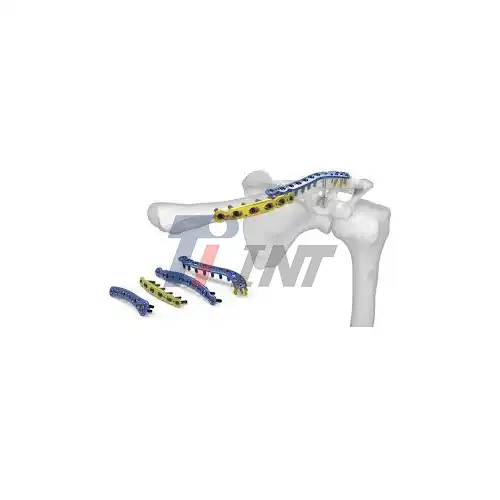
3mm titanium plates are essential for bone anchoring and reconstruction in craniomaxillofacial surgery. The thickness permits contouring to meet anatomical contours while offering sufficient strength for face bone support. The ideal strength-to-weight ratio that 3mm titanium sheets provide is advantageous for hip replacement parts, spinal fusion hardware, and trauma fixation devices.
Dental Implant Systems
3mm titanium sheets are used by dental implant manufacturers to create unique abutments and implant bodies. Prosthetic tooth foundations are made stable by the material's capacity to fuse with jawbone tissue. These sheets' surfaces have been modified to improve the quality and rate of osseointegration.
Cardiovascular Device Manufacturing
Under cyclic stress conditions, heart valve frames and vascular stent components made of 3mm titanium sheets exhibit remarkable fatigue resistance. The material's radiopacity preserves compatibility with magnetic resonance imaging while facilitating simple viewing during surgical operations.
Procurement Guide for 3mm Titanium Sheets Tailored to Medical Implant Manufacturing
Purchasing medical-grade titanium sheets successfully necessitates paying close attention to supplier credentials and certification standards. The complex regulatory environment necessitates comprehensive documentation and supply chain traceability.
Certification and Compliance Requirements
Medical device criteria are met by quality management systems thanks to ISO 13485 certification. ASTM standards provide defined criteria for mechanical properties and chemical composition. Material safety for human implantation is confirmed by FDA registration. Each shipment of materials must be accompanied by a certificate of conformity that provides full traceability from raw materials to completed goods.
Supplier Selection Criteria
Incoming material inspection, process control monitoring, and final product testing are just a few of the extensive quality procedures that dependable suppliers uphold. Knowledge of legal requirements and quality standards is shown by experience in medical device manufacture. Questions about material selection and processing difficulties are resolved with the use of technical support skills.
Economic Considerations
In addition to guaranteeing material availability for production schedules, bulk purchase agreements sometimes provide economic savings. Strategies for inventory management strike a balance between supply security and carrying expenses. By guaranteeing dimensional correctness and lowering the need for internal machining, custom processing services enhance value.
Ensuring Quality and Performance: Machining and Handling of 3mm Titanium Sheets in Medical Applications
In order to achieve the exact dimensional requirements for medical implants, correct machining procedures maintain the intrinsic qualities of titanium. Knowing how materials behave throughout processing helps to preserve biocompatibility and avoid quality problems, particularly when using 3mm titanium sheet for implant creation.
Machining Best Practices
Work hardening, which may degrade material qualities, is avoided using sharp cutting instruments and the right cutting rates. Flood cooling systems prolong tool life and control heat production. Climb milling procedures increase dimensional accuracy and decrease surface roughness. Cutting fluid contamination by titanium particles is avoided with proper chip evacuation.
Surface Treatment Requirements
By maximizing the natural oxide layer, passivation treatments improve corrosion resistance. For implants that come into touch with bone, surface texturing enhances osseointegration properties. Contaminants and machining residues that may compromise biocompatibility are eliminated by cleaning procedures.
Quality Assurance Protocols
Conformance to engineering drawings and tolerances is confirmed by dimensional examination. Strength and ductility qualities are confirmed to be within specification by mechanical testing. Surface analysis finds faults caused by manufacturing or contaminants. Complete traceability from the raw material to the completed implant is maintained via documentation systems.
Conclusion
Titanium sheets have become indispensable components for the production of medical implants, especially in the adaptable 3mm thickness. Their special blend of mechanical strength, corrosion resistance, and biocompatibility lays the groundwork for favorable surgical results and patient pleasure. These materials are essential for contemporary healthcare technology due to their better qualities over alternative metals and their wide range of potential applications in many medical disciplines. Particularly when employing 3mm titanium sheet for implant production, appropriate sourcing, handling, and quality assurance procedures guarantee peak performance and regulatory compliance throughout the manufacturing process.
FAQs
Q1: What makes 3mm titanium sheets ideal for long-term medical implant use?
A: Implant lifetime and patient safety are guaranteed by the special fusion of biocompatibility, corrosion resistance, and ideal mechanical strength. The 3 mm thickness permits accurate machining for intricate implant shapes while maintaining structural integrity.
Q2: How does the grade of titanium affect its suitability for different implant applications?
A: The strength, ductility, and corrosion resistance of titanium vary according on the grade. While Grade 5 Ti-6Al-4V ELI gives higher strength for orthopedic load-bearing implants, Grade 2 offers outstanding formability for non-load-bearing applications.
Q3: Can 3mm titanium sheets be customized for specific implant designs?
A: Custom cutting, surface treatment, and finishing services that meet precise technical specifications are offered by reliable providers. Complex shapes and unique surface features for improved osseointegration are made possible by these customisation options.
Partner with Baoji INT Medical Titanium Co., Ltd. for Superior 3mm Titanium Sheet Solutions
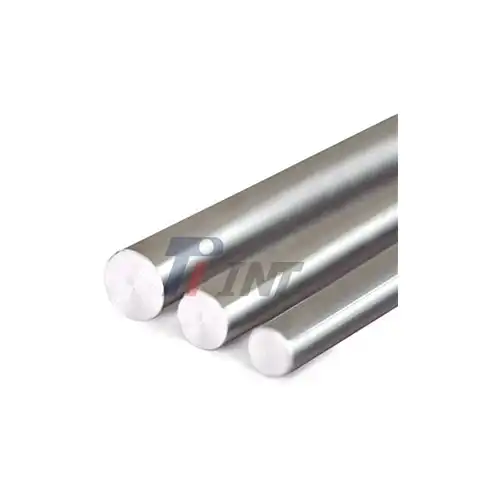
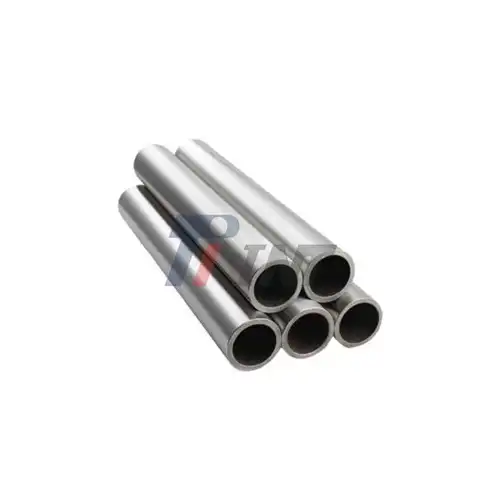
Baoji INT Medical Titanium Co., Ltd. is a prominent provider of 3mm titanium sheets, having specialized in medical-grade materials for more than 20 years. Established in 2003 by seasoned businessman Mr. Zhan Wenge, our organization has grown to become a leading research, development, and processing firm for titanium materials. Our extensive range of goods includes rods, wires, plates, and forged items specifically designed to meet the needs of medical devices, as well as pure titanium, Ti6Al4V ELI titanium, and titanium alloy materials in a variety of specifications.
To meet your medical implant production requirements, we uphold strict quality standards and provide comprehensive traceability data. Are you prepared to increase your manufacturing capacity with high-quality medical materials? Contact us at export@tiint.com to discuss your specific requirements and discover how our expertise can optimize your implant designs.
References
1. Haers, P.E. (1998). "Titanium plate removal in craniomaxillofacial surgery: Analysis of 413 cases." Journal of Cranio-Maxillofacial Surgery, 26(4), 234-241.
2. Williams, D.F. (2008). "On the mechanisms of biocompatibility." Biomaterials, 29(20), 2941-2953.
3. Rack, H.J. & Qazi, J.I. (2006). "Titanium alloys for biomedical applications." Materials Science and Engineering C, 26(8), 1269-1277.
4. Niinomi, M. (2002). "Recent metallic materials for biomedical applications." Metallurgical and Materials Transactions A, 33(3), 477-486.
5. Long, M. & Rack, H.J. (1998). "Titanium alloys in total joint replacement: A materials science perspective." Biomaterials, 19(18), 1621-1639.
6. Geetha, M., Singh, A.K., Asokamani, R. & Gogia, A.K. (2009). "Ti based biomaterials, the ultimate choice for orthopaedic implants: A review." Progress in Materials Science, 54(3), 397-425.
_1753859685128.webp)
_1750663253486.webp)